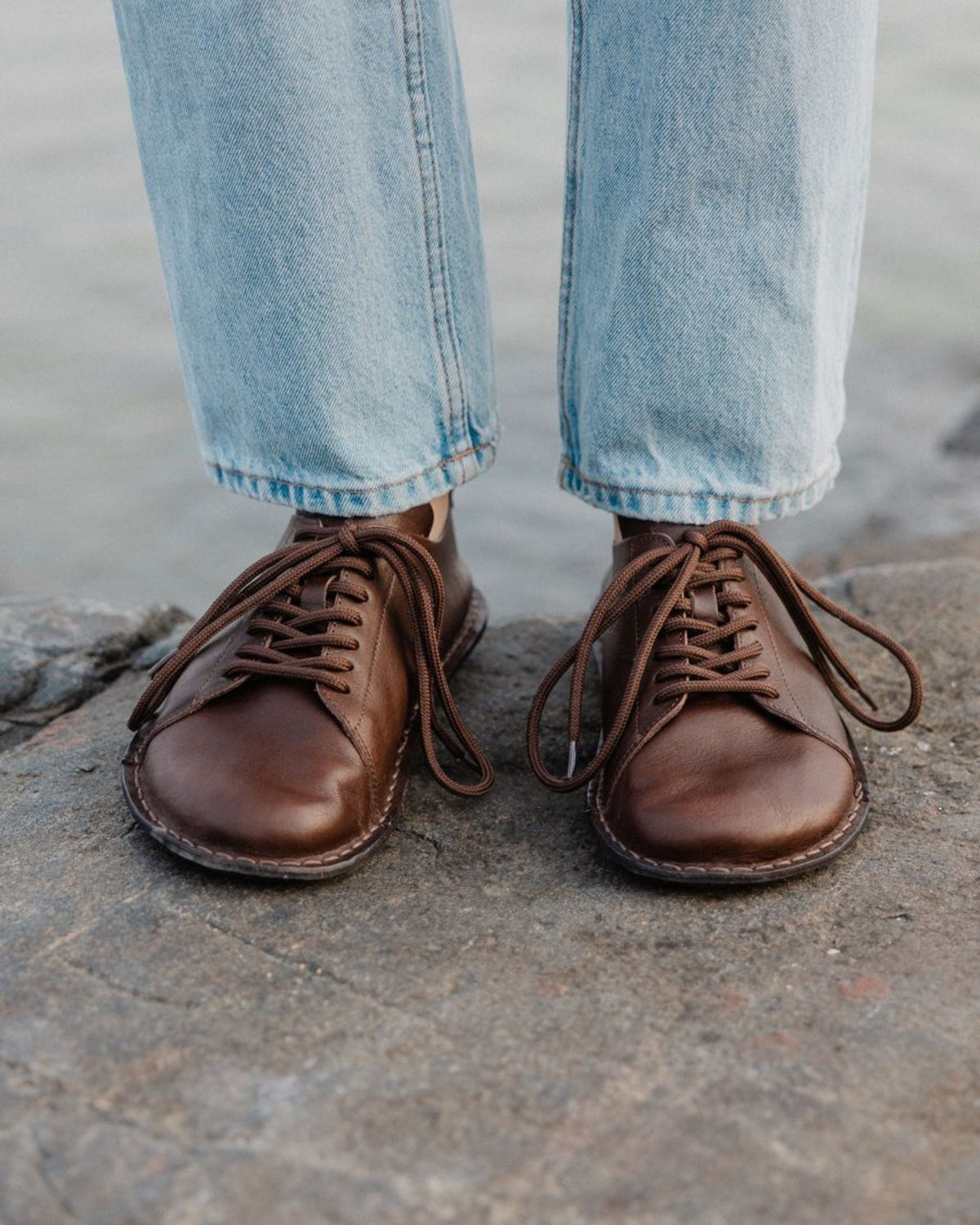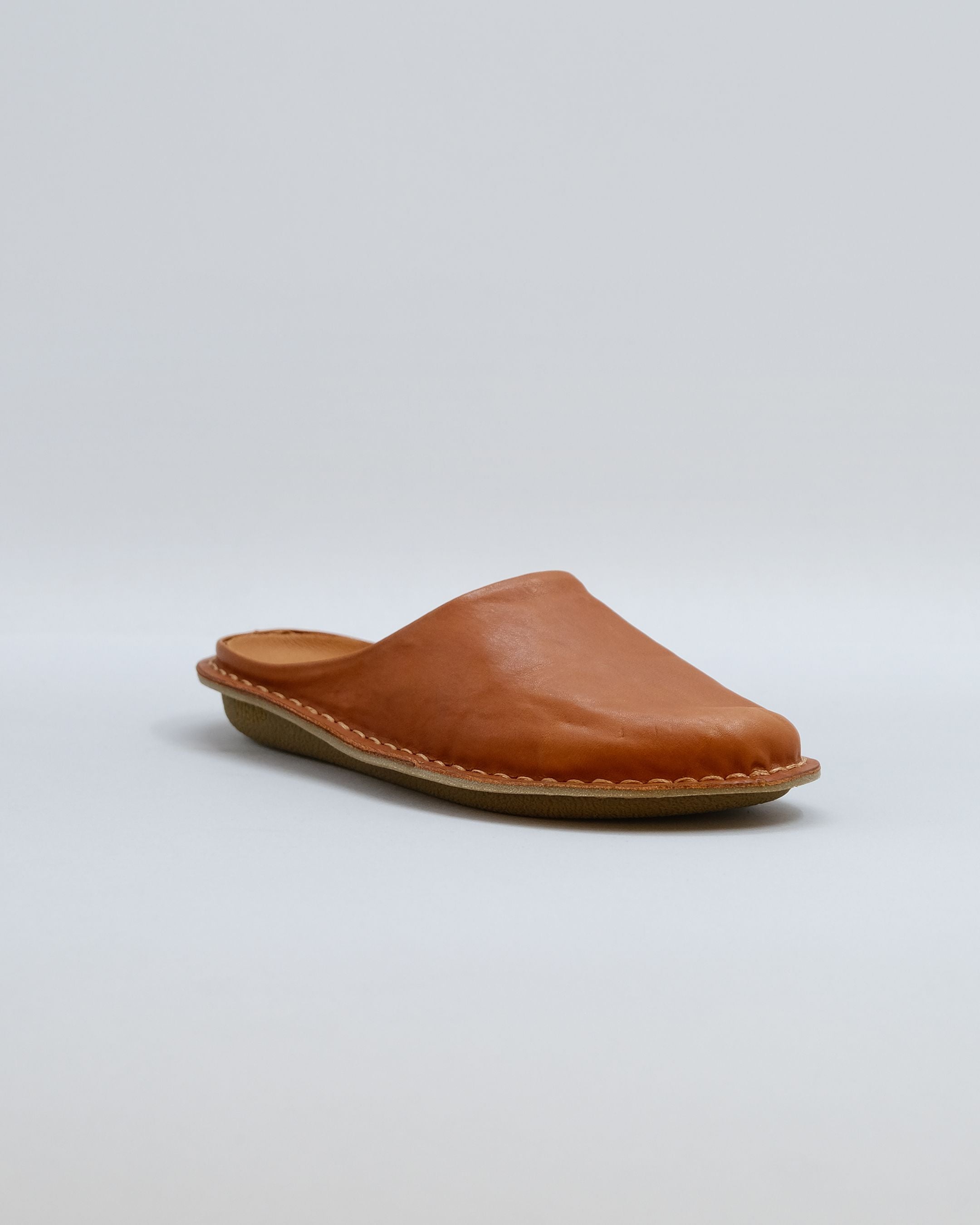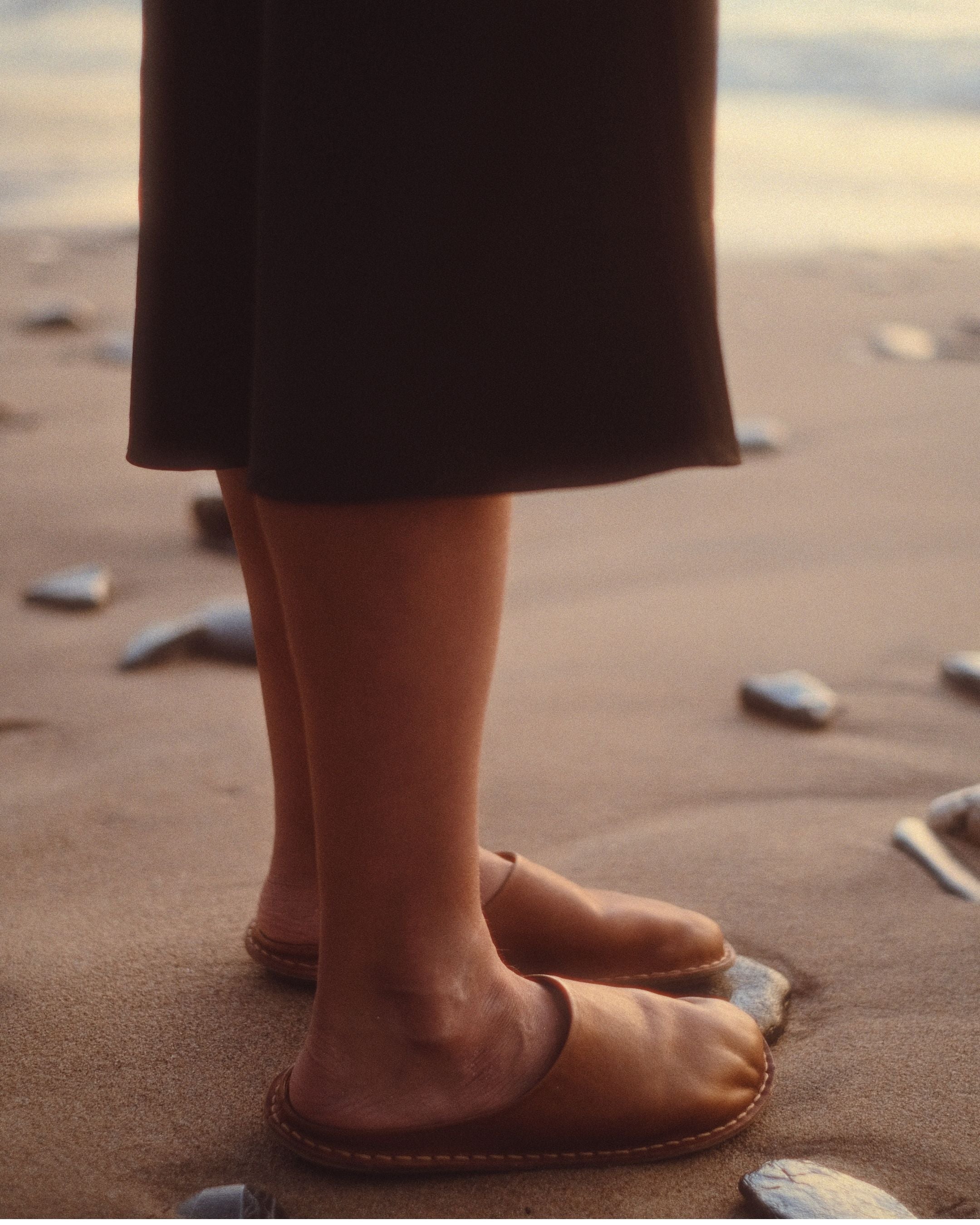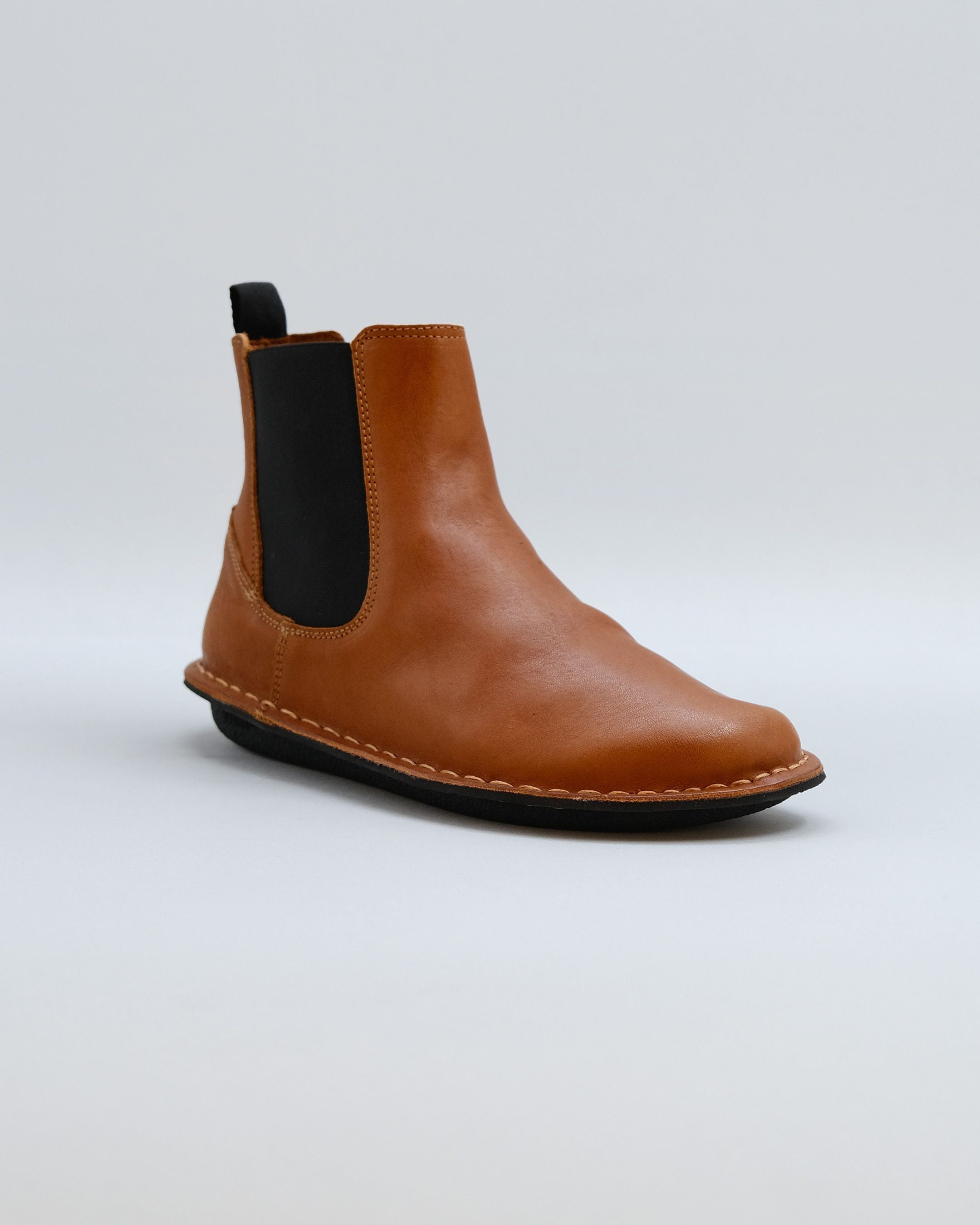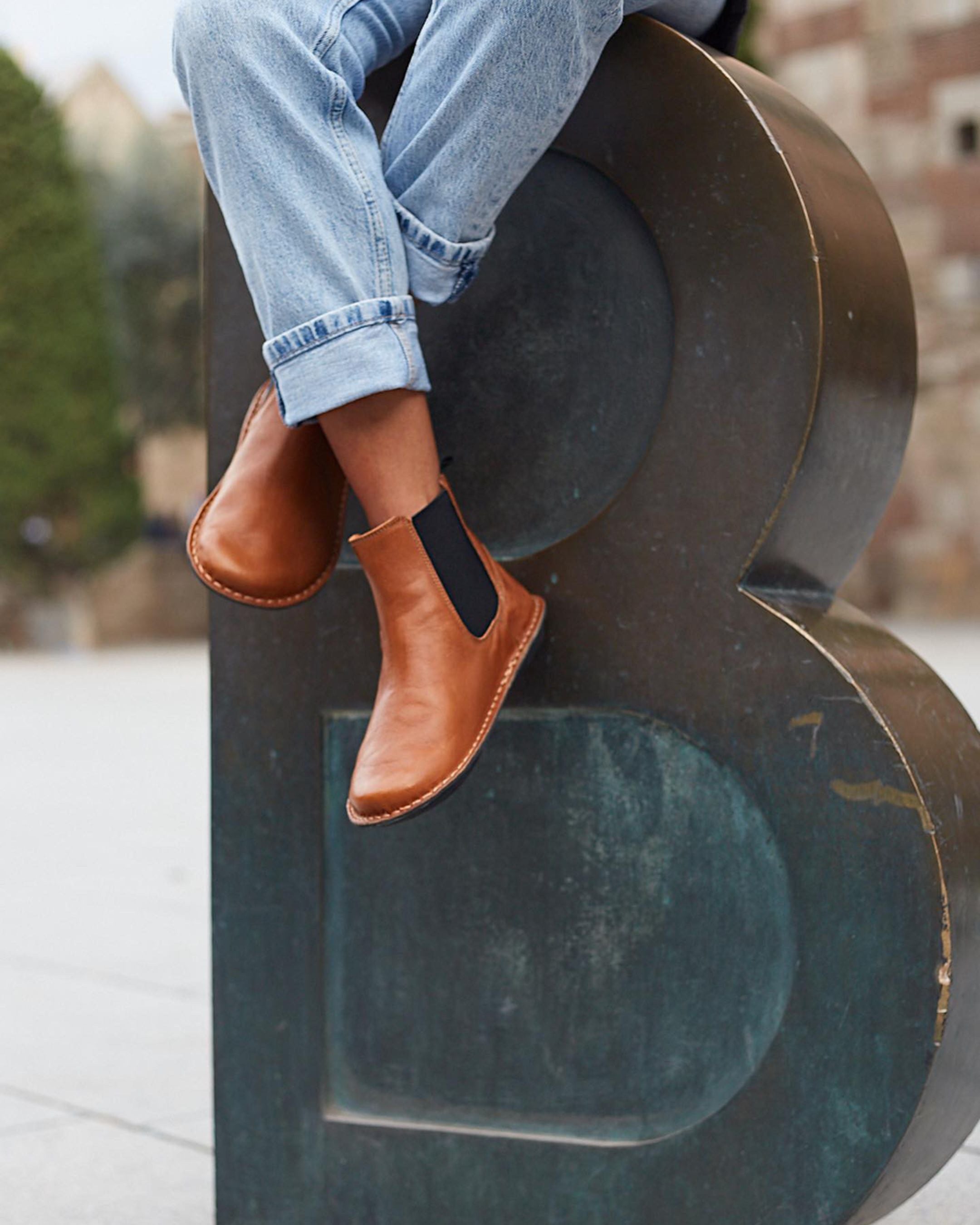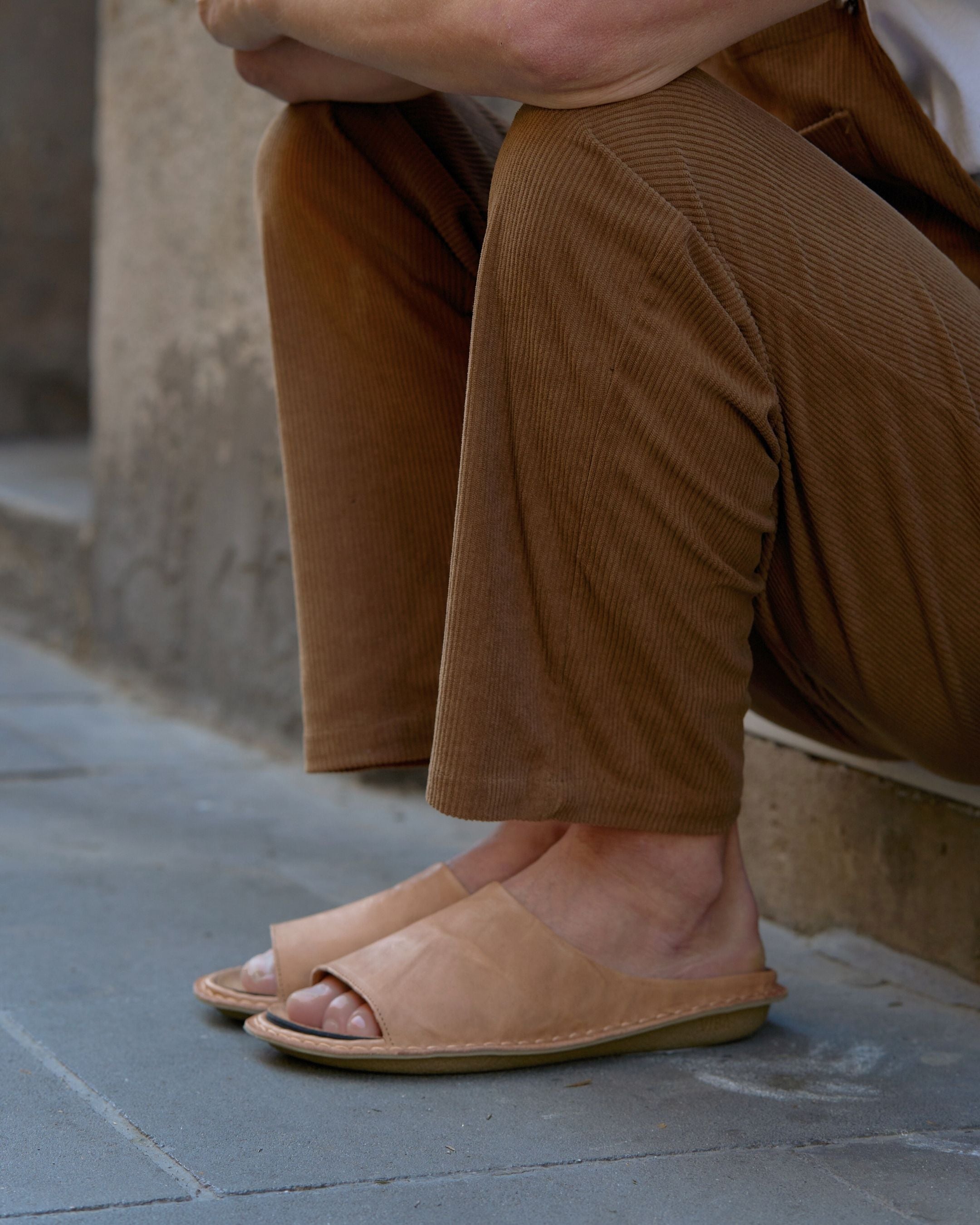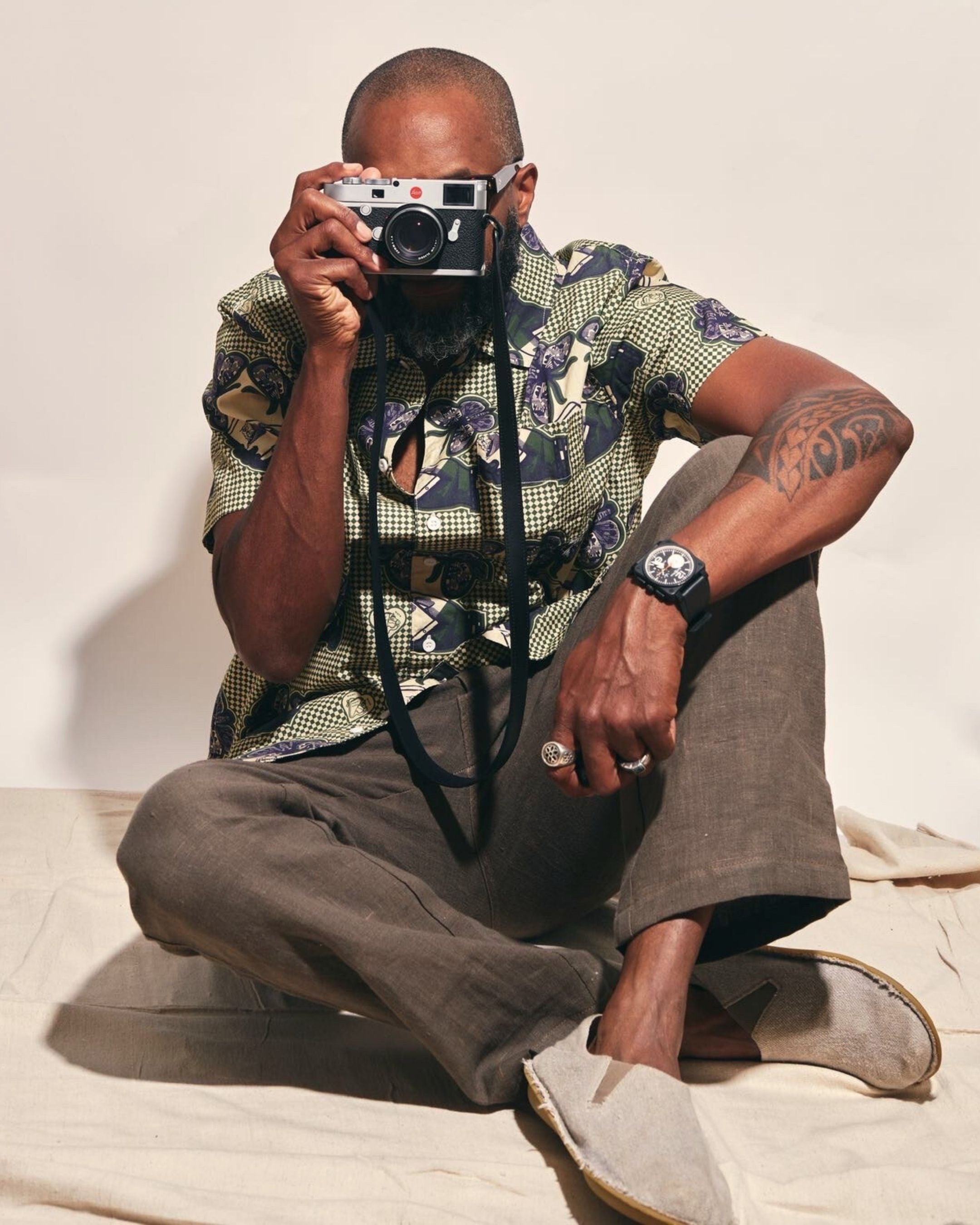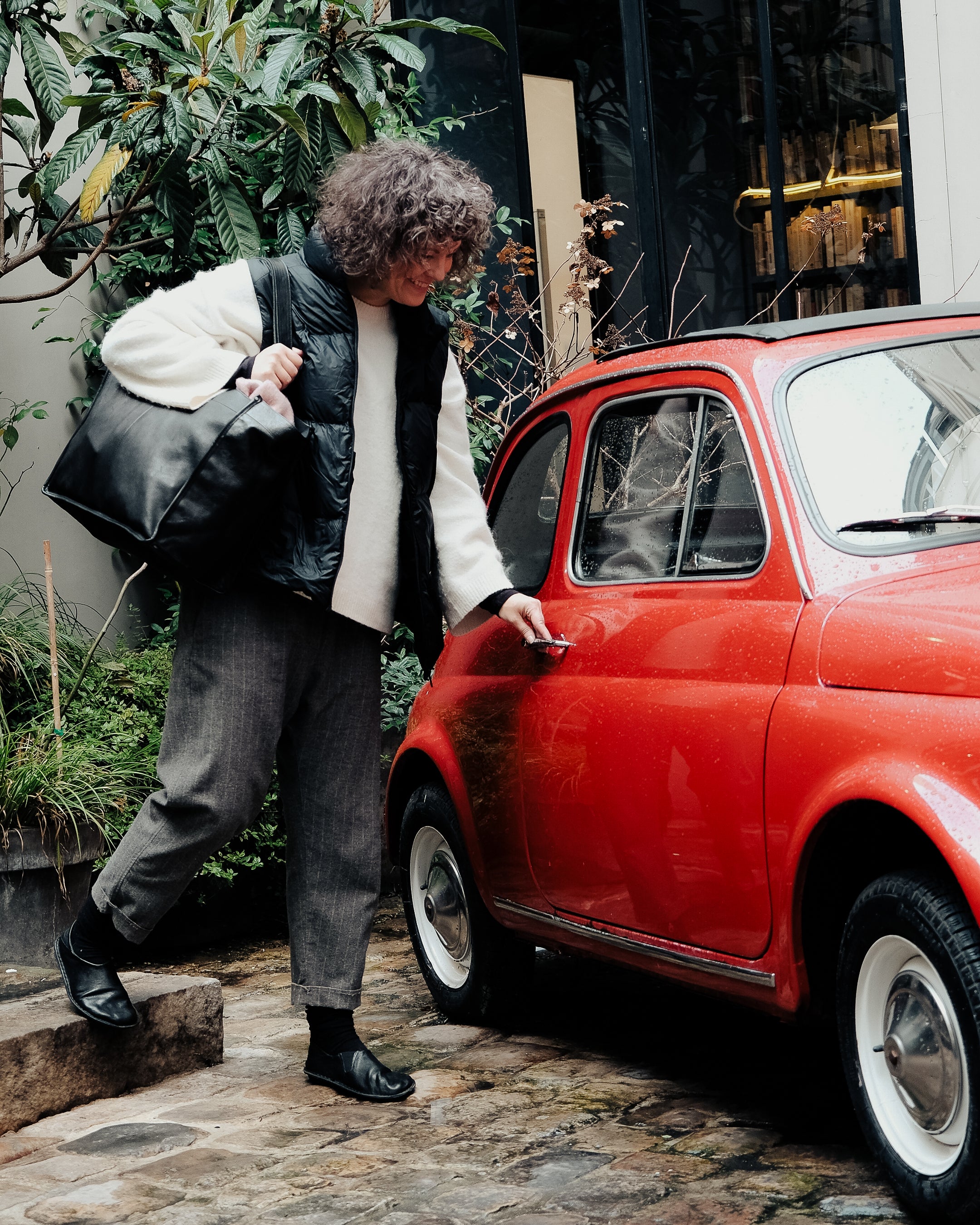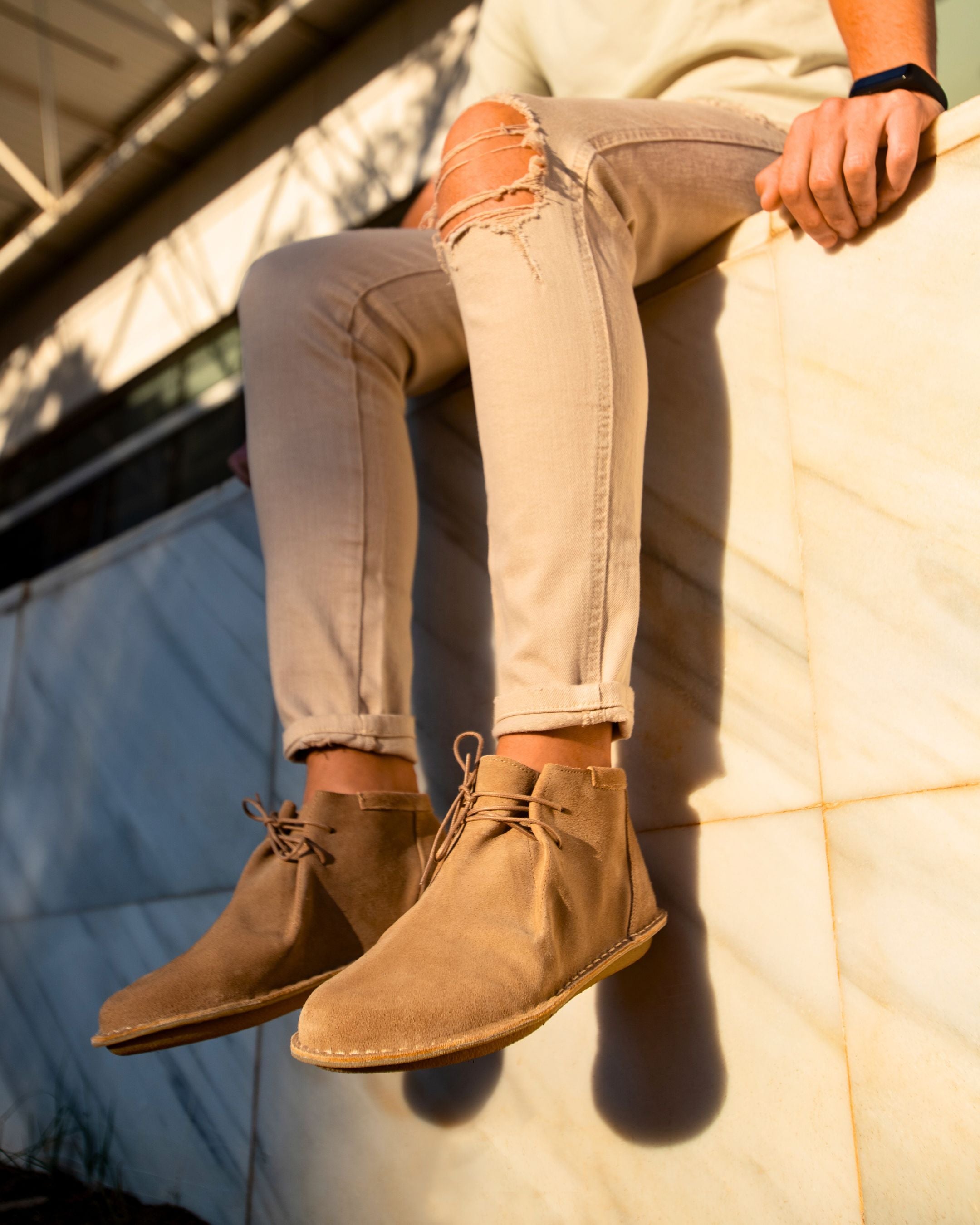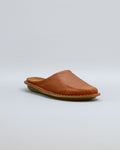
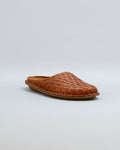
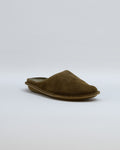

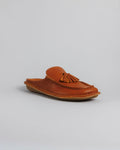
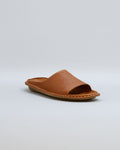

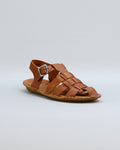
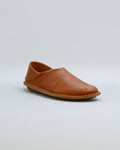
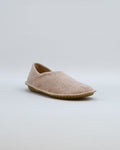
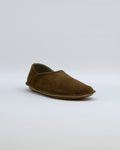
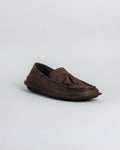
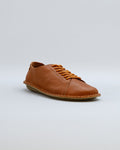
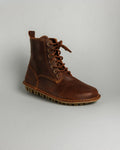
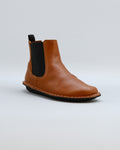
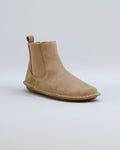
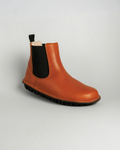
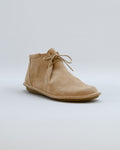
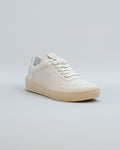
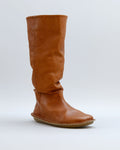
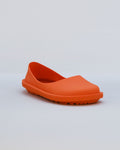
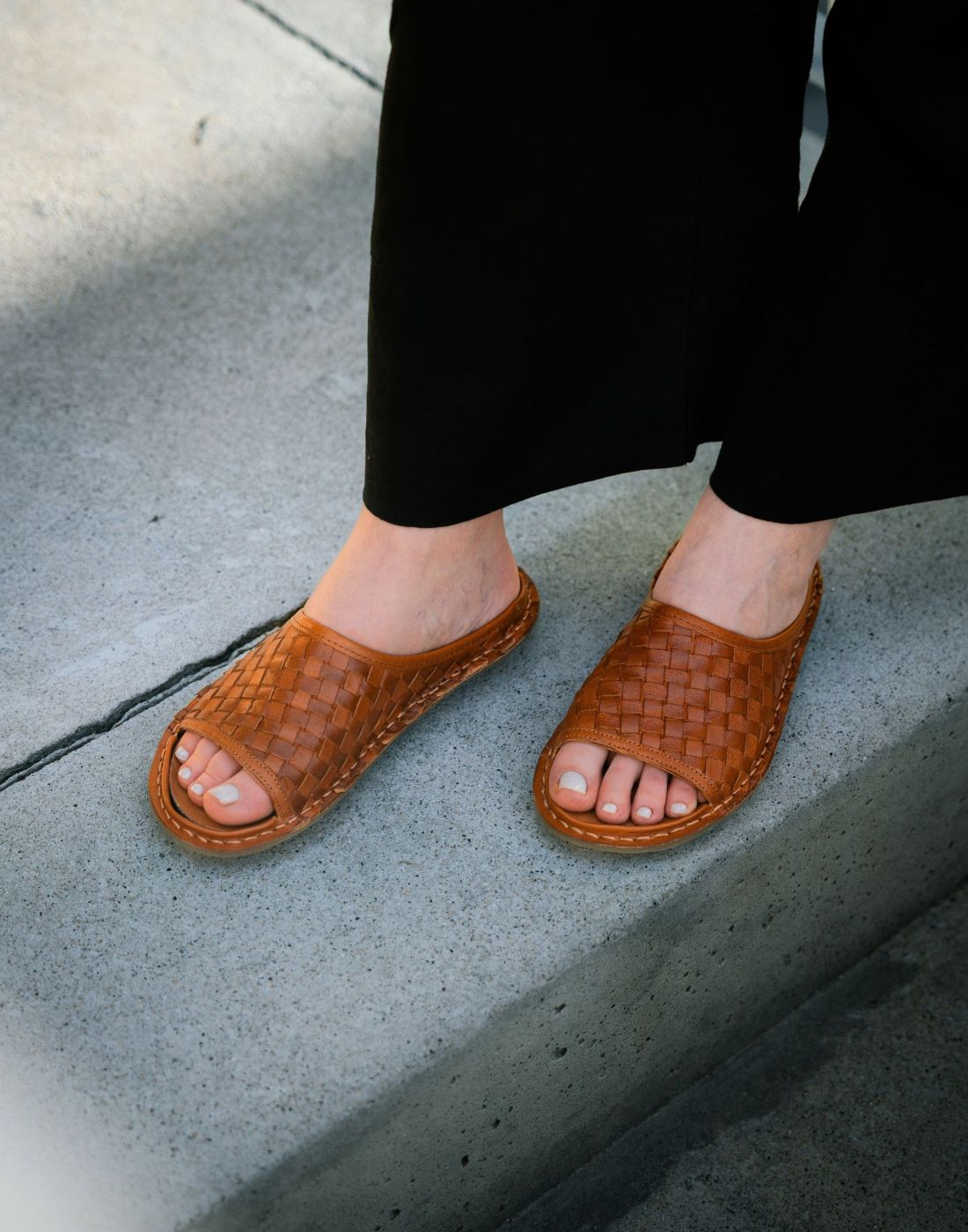
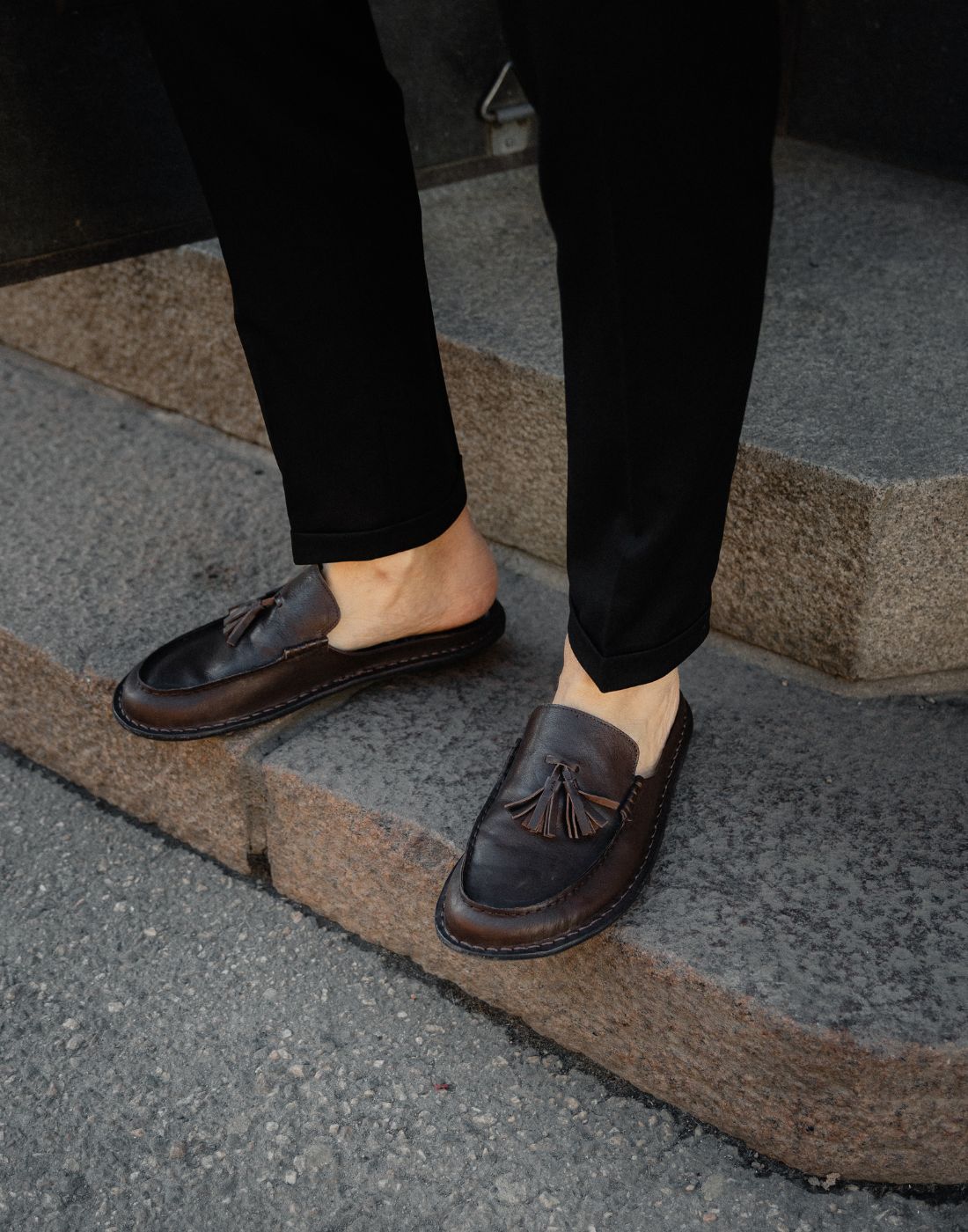
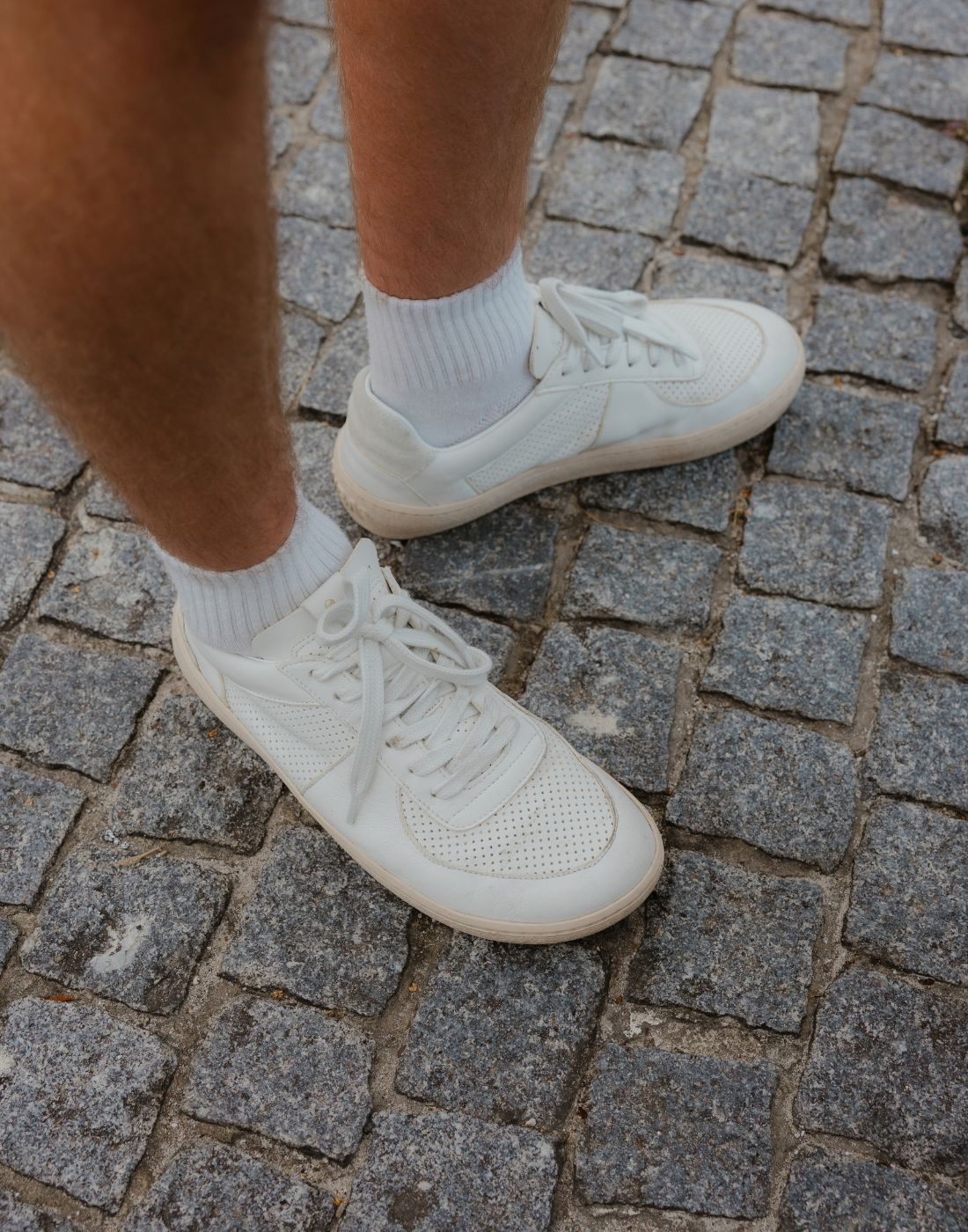
Loafers have a separate sole unit and a structured heel counter, so they hold their shape. Moccasins are traditionally one piece of soft leather wrapped up around the foot and stitched at the top, with little or no heel, which is why they read as casual.
Three slip-on shapes get muddled in shops and online listings: the loafer, the moccasin and the boat shoe. Below is how to tell them apart by looking at the sole and the back of the shoe, then how to choose the one that suits your week.

Loafers vs moccasins vs boat shoes at a glance
Four things separate these shoes: what's underneath, the stitching you can see on top, how the upper is put together, and the job each one actually does well. Read the table across one row at a time and the differences stop being subtle.
| Criterion | Loafer | Moccasin | Boat shoe |
|---|---|---|---|
| Sole | Separate sole unit, leather or rubber, with a defined heel | Thin sole bonded underneath, sometimes rubber pebbles, sometimes none | Siped rubber outsole cut with fine grooves for wet decks |
| Visible stitching | Clean apron seam on the toe, neat sole edge | Gathered apron stitching where the wrapped leather meets the top panel | Raw-edge moc seam plus a lace running through the collar |
| Construction | Lasted upper with a heel counter holding the shape | One piece of leather wrapped upward around the foot, unlined or lightly lined | Moc-built upper over a flat, grippy rubber base |
| Typical use | Work to weekend, trousers, long days on your feet | Indoors, holidays, short walks | Wet surfaces, boats, summer weekends |
What makes a loafer a loafer
A loafer is the slip-on leather shoe you can step into without thinking and still look put together three meetings later. It holds its shape because it is built on a last, with the upper pulled over that shape and joined to a separate sole.
Sole, heel and shape retention
The back of a loafer contains a heel counter, a stiffened layer between the lining and the outer leather that keeps the heel upright instead of folding flat. Add a lasted upper and a proper sole unit and you get a silhouette that survives years of wear rather than one season of it. A built loafer does have a short settling-in period that an unlined moccasin doesn't, while the leather learns your foot. Leather also needs care, whichever shoe it's on.
A leather sole reads more formal and polishes up beautifully, but it skids on wet city pavement and wears through faster if you walk a lot. Rubber grips and lasts. Every one of our outsoles is natural rubber, tapped from trees without cutting them down, which is why our leather loafers handle a rainy Tuesday better than a dress sole would.
The family: penny, tassel and horsebit
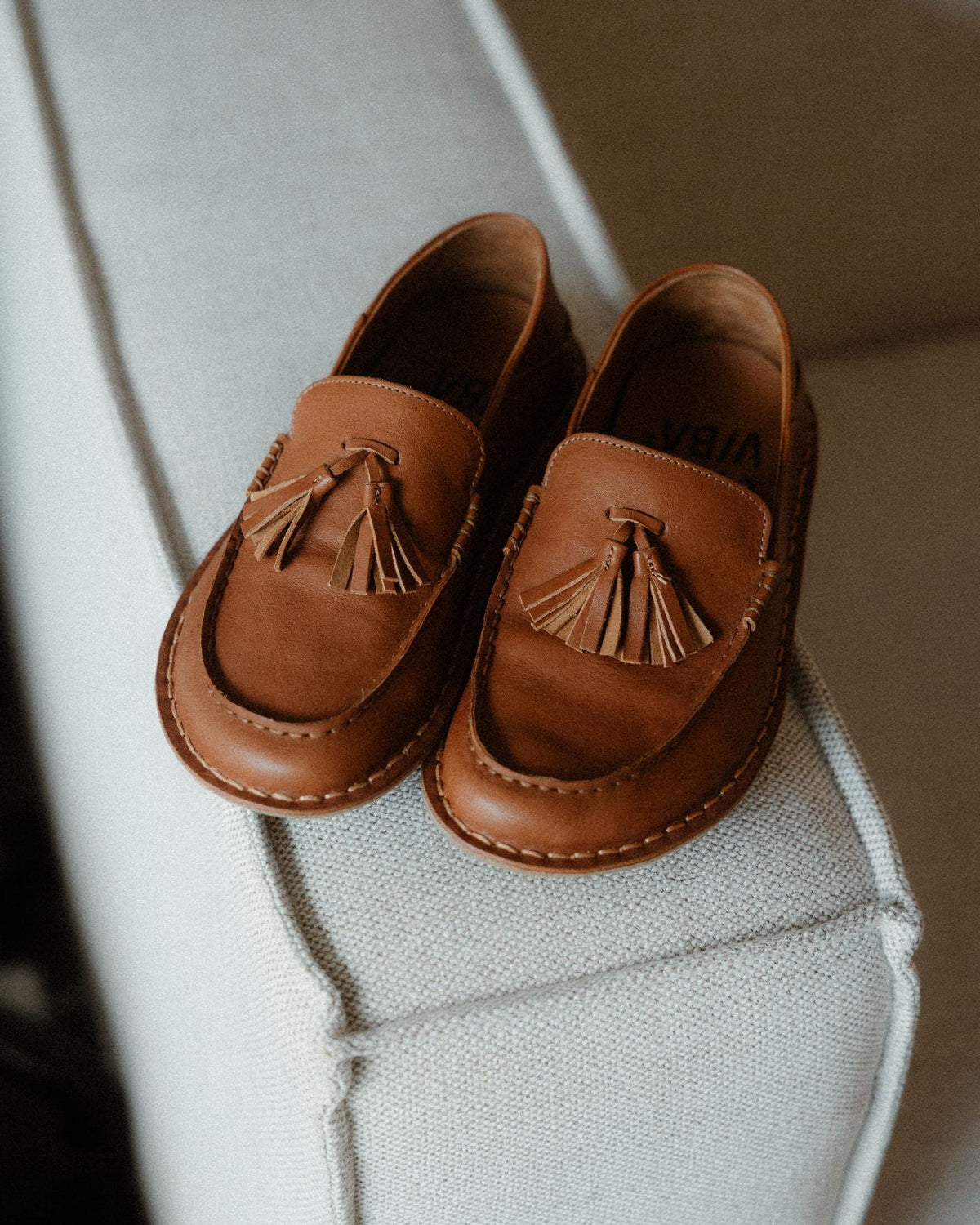
A penny loafer carries a slotted leather saddle strap across the vamp and is the quietest of the three. A tassel loafer swaps the strap for two leather tassels on a lace, which adds a little character without shouting. A horsebit loafer uses a metal snaffle bar across the top and sits closest to dressy.
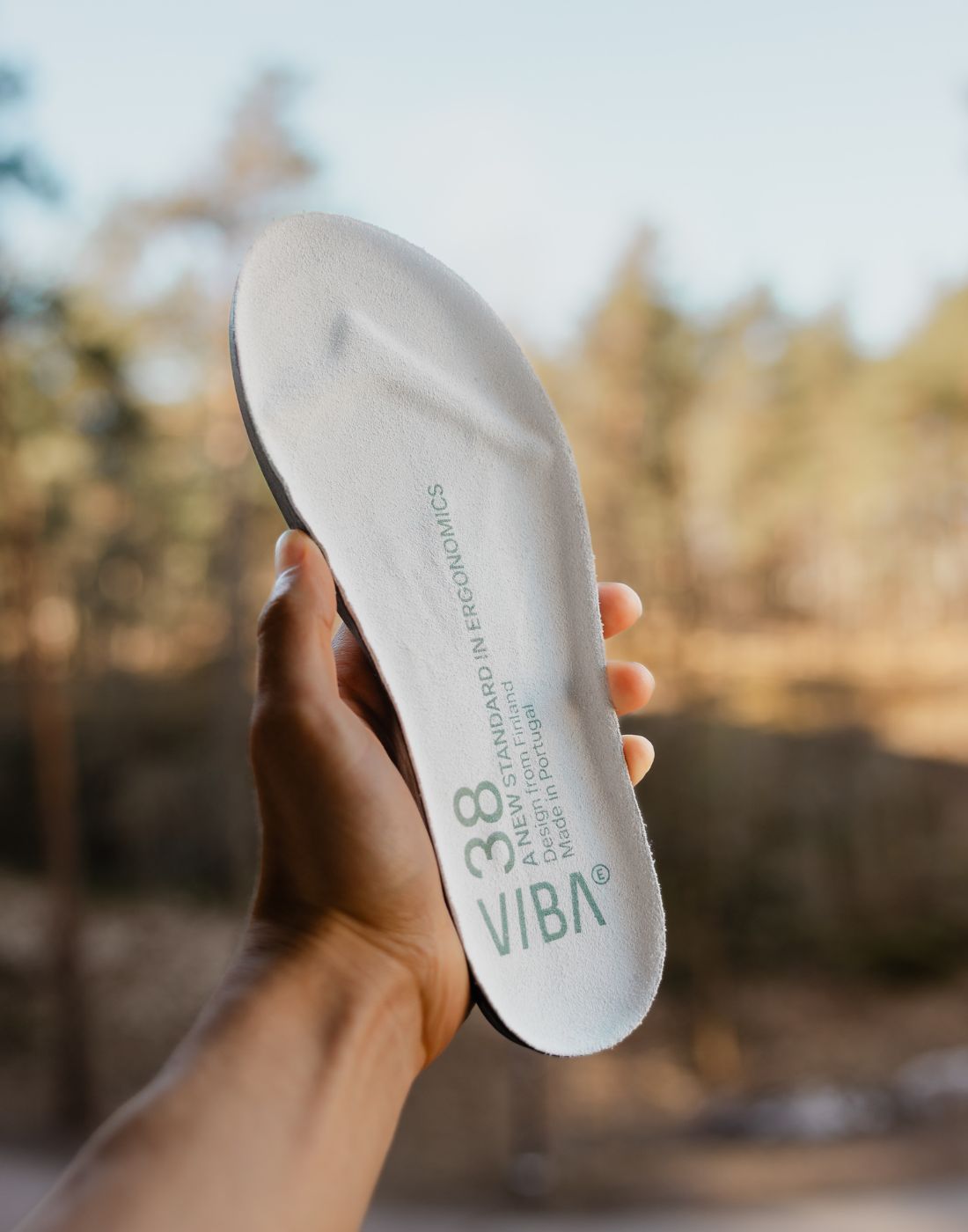
We make one of these: the TRIBECA loafers, a tassel loafer handmade in Portugal. Inside is our Carbon Step™ footbed, which lifts out and can be replaced when it wears before the shoe does. We don't make penny loafers, moccasins or boat shoes, so treat everything said about those shapes here as general shoemaking, not a VIBAe pitch.

Meet the family-run factory outside Porto, where most of the work is still done by hand.
Visit the Factory
What makes a moccasin a moccasin
Slide on a true moccasin and it feels like a leather sock with a sole: soft, light, close to the foot, almost no break-in. Moccasin construction explains the feeling. One piece of leather wraps from underneath the foot upward around the sides, gets gathered at the toe and is stitched to an apron, the separate panel sitting over the top of your foot. That gathered seam is the apron stitching people point to.
A moccasin gives up a few things for that softness. Without a heel counter or a lasted upper, a moccasin loses its shape sooner, and a thin bonded sole wears down faster on pavement than a built sole does. It also stays casual. The gap widens the moment you put on tailored trousers, because a moccasin rarely carries them.
Here's where the naming gets muddled. Plenty of shops sell a fully structured shoe as a "moccasin" because the toe uses moc-style apron stitching, and a driving moccasin, with its rubber pebbles running up the heel, is a different animal again. The test is simple: ignore the stitching on top and look at the sole and the back of the shoe. Separate sole unit and a firm heel means loafer. Wrapped leather and a thin bonded sole means moccasin.
Boat shoes, penny loafers and where they split
Boat shoes vs loafers
Boat shoes, also sold as deck shoes, lace through the collar in a 360-degree or side-lacing pattern and sit on a siped rubber outsole, cut with fine grooves that channel water away so the sole still grips a wet deck. The upper is raw-edge moc built. The split is purpose: one is engineered to get wet and hold on, the other is engineered to look tidy on dry land and keep looking that way.
Boat shoes vs penny loafers
Between a boat shoe and a penny loafer, it comes down to the sole and the strap. A penny loafer has a slotted saddle strap, a leather or rubber sole and a defined heel, so it reads smart enough for most offices. The strap is wide enough to hold a small coin, which is where the name comes from. A boat shoe, with its visible lace and flat marine sole, stays weekend territory at work, however good the leather is.
Which should you choose?
Choose a loafer if you want one pair covering the walk to work, the desk and dinner afterwards. If you need smart shoes for work that also cope with real mileage, the structure, the sole unit and the heel counter are doing the work. Choose a moccasin for indoors, holidays and car-to-café wear, where softness matters more than shape. Choose a boat shoe only if grip on wet surfaces is the actual job you're buying for.
How to wear loafers is mostly a trouser question: they sit happily under tailoring, denim and wide-leg linen, which is why they travel further through a wardrobe than either alternative. If what you love is the stepping in and out, the open-back option may suit you better, and our companion guide to loafers vs mules covers that choice in full.
If you're buying loafers online, fit is the part worth slowing down for. Our shoes are unisex, EU 35 to 48, and we don't make half sizes. Aim for the perfect fit, go one size up if you're between sizes, and the vegetable-tanned leather will gently stretch where needed. Our complete loafer fit guide walks through it properly.
The takeaway on loafers vs moccasins
Strip the moccasins vs loafers question back and it's one difference: a loafer is lasted, soled and counter-backed to keep its shape, while a moccasin is wrapped, stitched and soft. Pick the loafer for daily mileage and anything with trousers, the moccasin for soft indoor and holiday wear, the boat shoe for wet grip. A classic silhouette still looks right years later, and on most of our styles a worn Carbon Step™ footbed can be swapped rather than the whole shoe. Browse the loafers and mules collection when you're ready.
Frequently asked questions
Are moccasins and loafers the same shoe?
No. A loafer is built on a last with a separate sole unit and a structured heel counter. A moccasin is one piece of leather wrapped up around the foot and stitched to an apron on top, usually over a thin bonded sole. Many shops label structured slip-ons as moccasins because of the apron stitching at the toe, so check the sole and the back of the shoe before you decide which one you're holding.
Can you wear loafers with a suit?
Yes. A loafer keeps its shape under a tailored trouser because the lasted upper and heel counter hold the line, which is why it reads as smart. A horsebit style sits closest to dressy, a penny loafer is the quietest and a tassel adds a little character. Moccasins and boat shoes stay casual whatever the leather, so neither is a suit shoe.
Why are they called penny loafers?
Because the slotted leather strap over the vamp fits a coin. The popular account credits American students in the mid-20th century with keeping a penny there for a payphone call, though that story is told more often than it is documented. The strap itself is the defining feature of the style.
Are moccasins comfortable for all-day wear?
They feel comfortable from the first wear because they're soft, light and flexible, but a thin bonded sole and no heel counter give less structure over a long day and wear faster on pavement. For long days on your feet, a loafer with a proper sole unit is the steadier choice; moccasins suit indoors, holidays and short walks. Persistent foot pain belongs with a health professional, whatever the shoe.
How do you look after leather loafers?
Wipe them down after wear, let them dry naturally away from radiators, and feed the leather with a protective cream occasionally. Vegetable-tanned leather, tanned with natural tannins from bark, wood, fruit and leaves rather than chrome, darkens and softens with use, so the care routine is what keeps it looking intentional rather than tired. Rotating two pairs gives the leather time to recover between wears.
Get the right fit first time: check the size chart, and go one size up if you're between sizes.
Check the Size Chart
Pick the loafer for daily mileage and trousers, and keep the moccasin for soft indoor and holiday wear.