

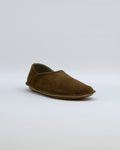
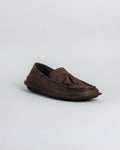
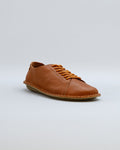
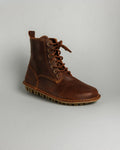
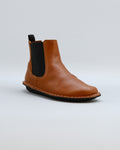
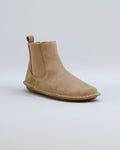
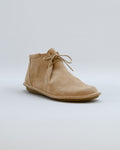
To clean suede shoes at home, brush the dry nap in one direction with a soft suede brush, then lift water, salt, grease or mud marks with a gentle targeted method and dry the shoes at room temperature. Suede does not go in a washing machine, and any cleaner should be tested on a hidden spot first.
Start with what suede is
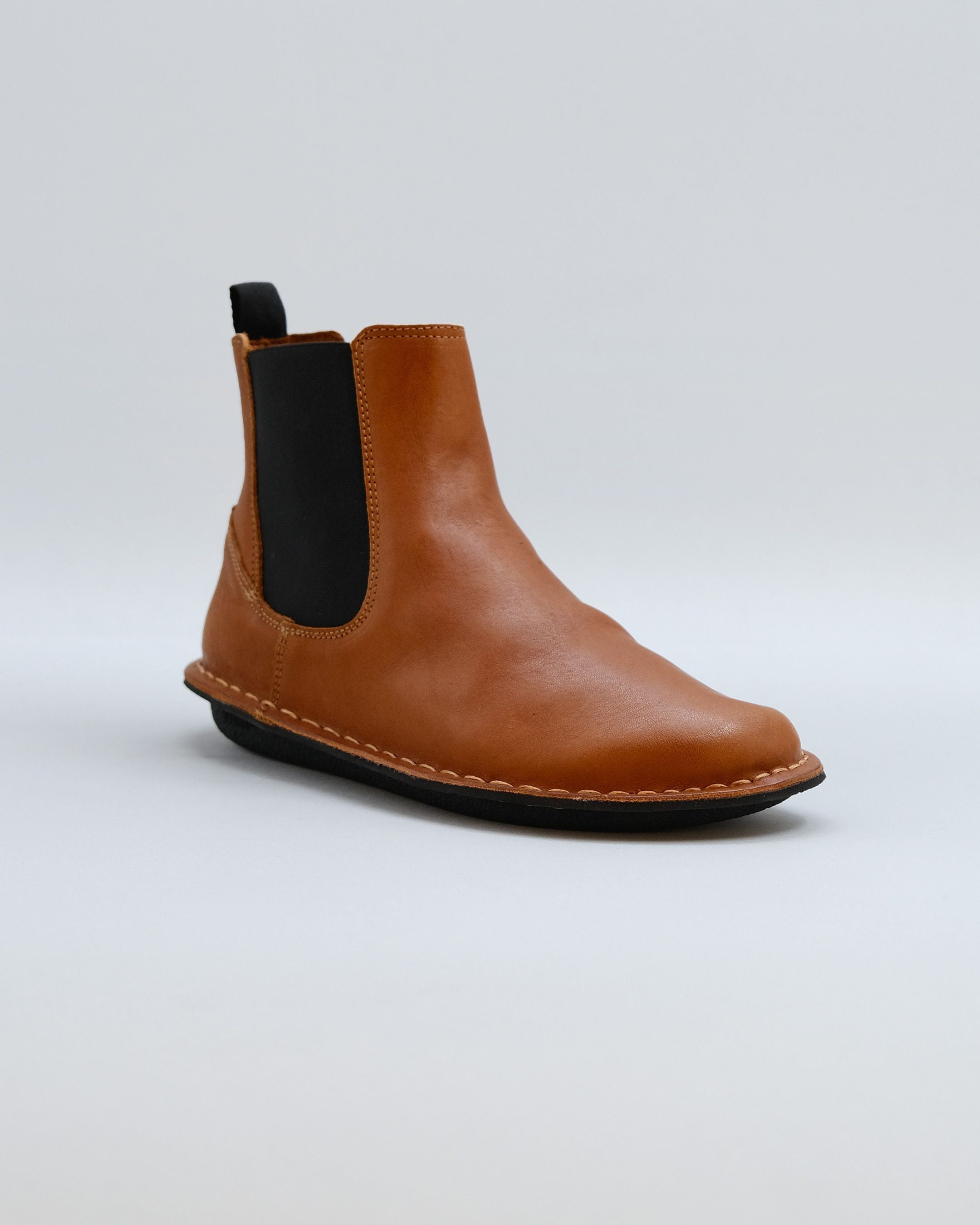
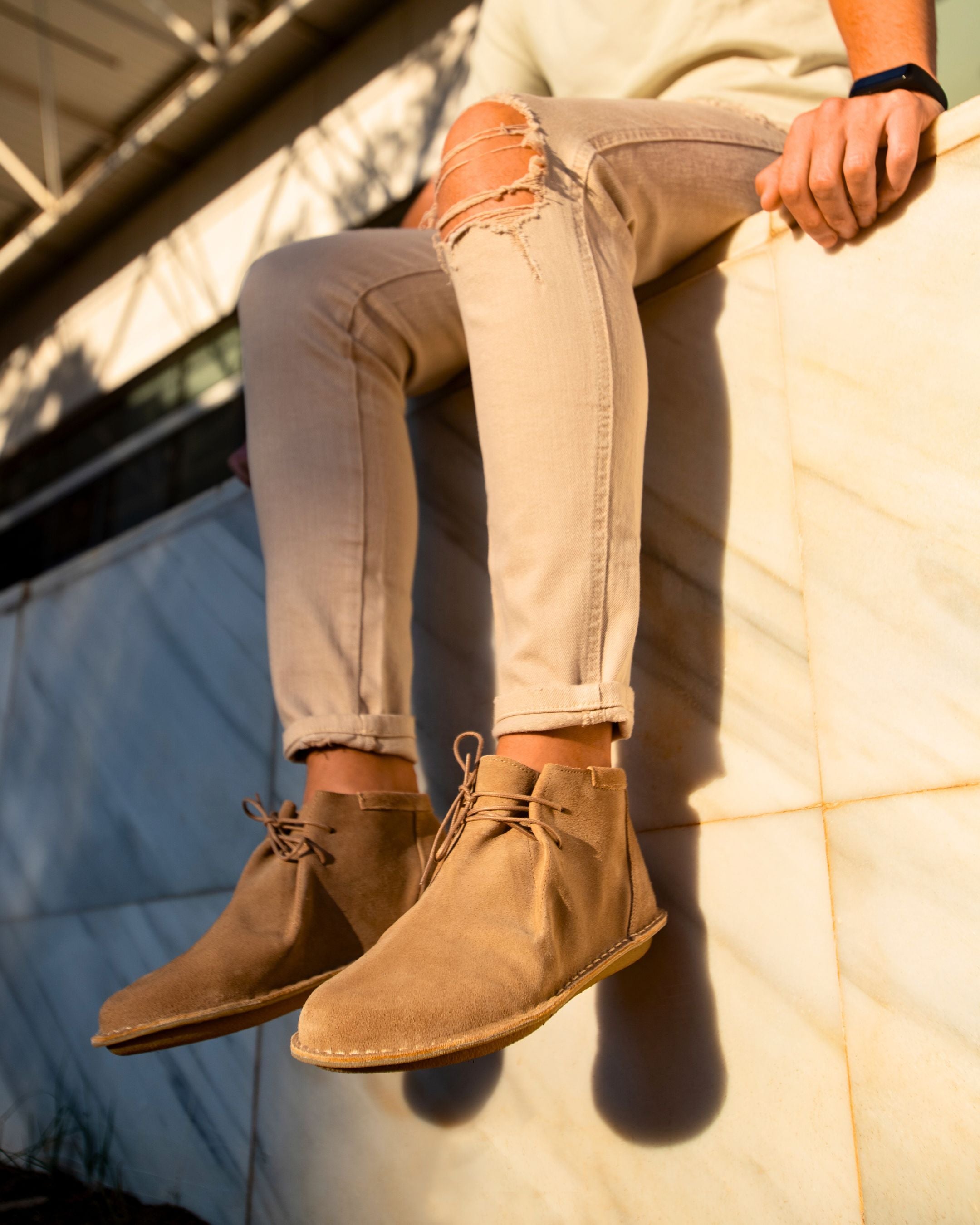
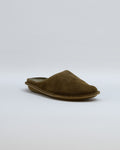
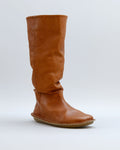
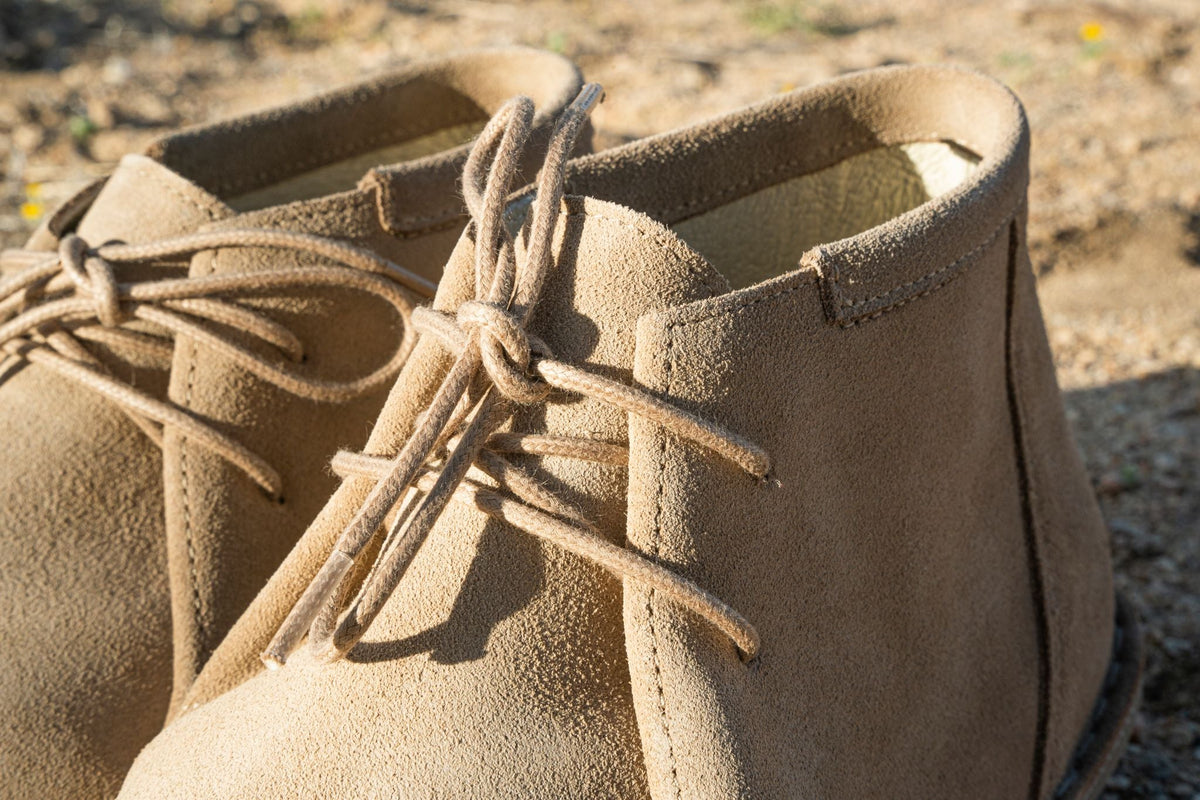
To clean suede shoes at home, brush the nap once it's dry, treat any mark locally and gently, and let the shoes dry at room temperature away from heat; we don't recommend machine washing suede. The reason is the material itself. Suede isn't a different material from leather. It's the same hide, used from the flesh side, buffed into a raised fibre surface. That surface is the suede nap, and it's the thing every decision in this guide protects. Water flattens it, heat stiffens it, scrubbing tears it. Cleaning suede well is therefore dry, patient and local, not wet and thorough. Our JTREE boots are made from chrome-free vegetable-tanned suede, tanned with natural tannins from bark, wood, fruit and leaves instead of chromium salts.
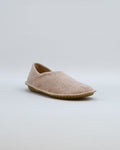
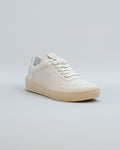
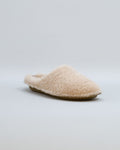
We don't make a suede-specific care product, so a soft suede brush and a protector spray are things you'll source elsewhere. Our own care notes for suede are on the materials page. The same routine works across our suede shoes, from JTREE to TRIBECA.

How to clean suede shoes, step by step
A few minutes of brushing keeps suede looking like suede. The whole routine is four moves, in order, and if you have no cleaner at all, the first two cover most of it.
1. Let it dry, then brush
Never work on damp suede: wet fibres mat together and any pressure sets that flattening in place. Wait until the upper is dry right through. Then sweep a soft suede brush lightly over it, always in the same direction, lifting the fibres and taking surface dust with them. Light pressure, many passes. On a pair you wear often, that takes a moment at the door.
2. Work on a mark, not on the whole shoe
Spot-treat. Patient, gentle passes beat scrubbing every time, and working the whole upper to fix one scuff tends to leave a shoe that looks unevenly handled. Before you try anything beyond plain brushing, test it on a hidden spot first, inside the heel or under the tongue.
3. Dry shoes the slow way
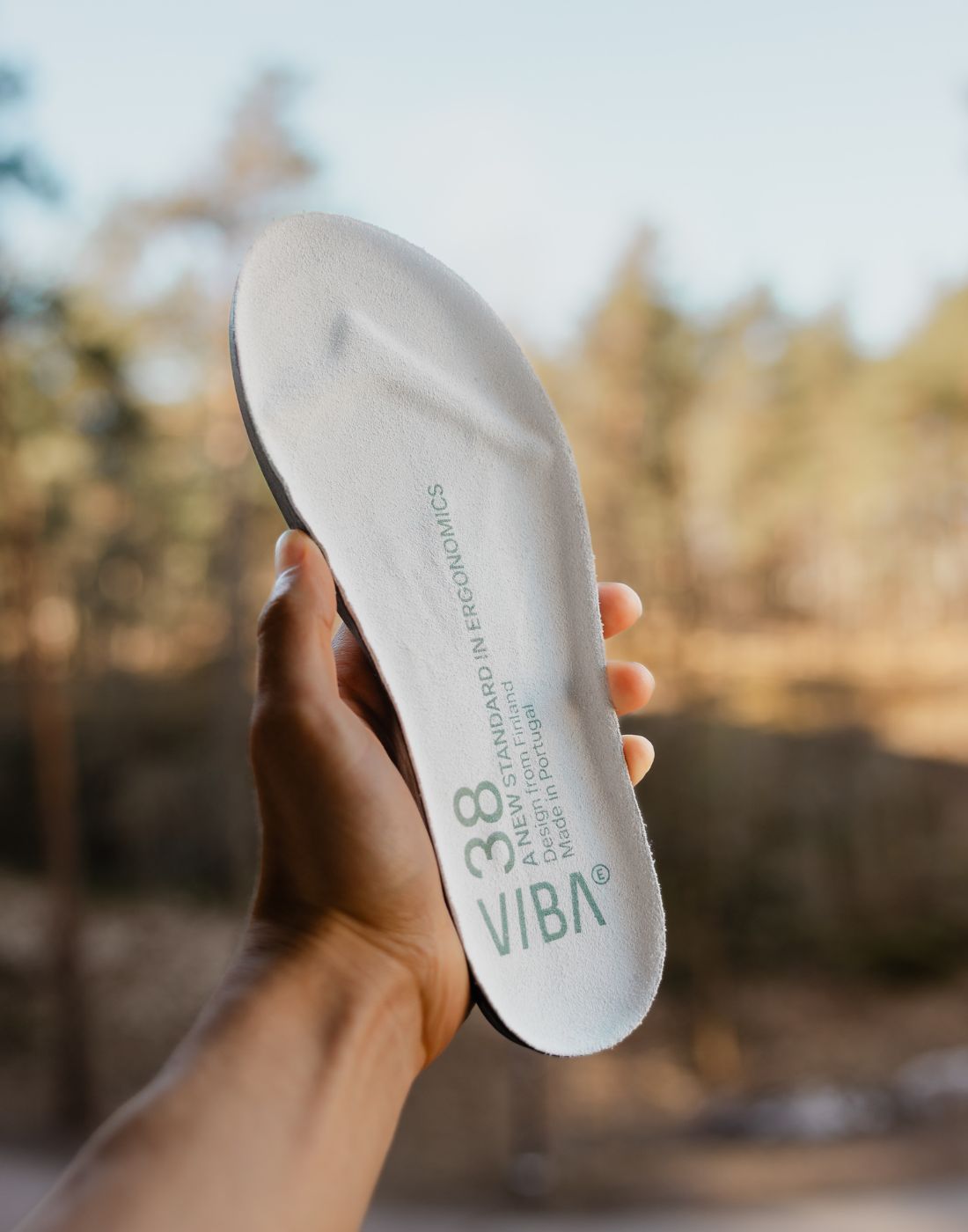
Drying wet suede shoes slowly is what keeps their shape. Stuff them with newspaper, swap it once it's damp, and leave them at room temperature away from direct sun, radiators and hot air. Heat is what stiffens and shrinks leather. On most styles the Carbon Step™ footbed lifts out, so you can air it separately while the uppers dry; on CAPRI it stays in the shoe.
4. Protect, then repeat
Use a suede protector spray regularly, and whenever water stops beading on the surface. Reapply after any proper soaking too, since water carries the previous coat away with it. It won't make suede waterproof; it buys you time to get a splash off before it settles.
A little care goes a long way: simple tips for leather, suede and shearling.
Read Care Instructions
Stain by stain: water, salt, grease and mud
Work out what made the mark before you touch it, because each type behaves differently. A water mark is an edge problem, so the fix is evening out the whole panel rather than attacking the line. Salt has to be dissolved and lifted. Grease has sunk in, so it needs drawing back out with something absorbent. Mud has to dry hard before it's touched at all. Treating a suede stain is mostly a matter of knowing which of those four you're looking at.
| Stain type | What you see | Method | What to avoid |
|---|---|---|---|
| Water | The nap dried unevenly, leaving a tideline | Let it dry fully, then brush the whole panel in one direction so the nap settles evenly across it, not only at the edge. | Working only on the line, or drying it with heat |
| Salt | Dried minerals crusted into the fibres | Brush the loose residue off dry first, lift what remains with a cloth barely damp, blot, dry at room temperature, brush again. | Soaking or washing the boot |
| Oil or grease | Absorbed into the fibres, not sitting on top | Blot, cover with a dry absorbent powder such as cornflour, leave it several hours, brush it out. Repeat instead of scrubbing. | Water and scrubbing |
| Mud | Sitting on the nap and spreading if rubbed wet | Leave it alone until it dries hard, knock off the flakes, then brush the rest out in one direction. | Rubbing it while it's wet |
Everything in the table beyond plain brushing is general suede advice, not our own documented care steps, so test on a hidden spot first and accept that results vary by colour and finish. On pale suede, any treatment shows more, so go gentler and give it longer. Deep, set-in or old marks are a job for a professional suede cleaning service, not a kitchen table.
Winter care: salt lines and rain on suede boots
To remove salt stains from suede boots, let the boots dry fully at room temperature with newspaper inside, then brush the dried residue out with a soft suede brush. Done early enough, that's it. A boot that gets through a season of gritted pavements still looks right in spring, provided you deal with the white tideline before it sets. And after a salted winter, don't wash suede boots: dry-brush them.
If a shadow remains, wipe it with a cloth barely damp, blot it, let it dry again at room temperature and brush once more. Spray protector on before the wet months rather than after the damage, and rotate pairs so each one gets a full day to dry out. Repeated wet-dry cycles age a boot too. The same routine works for any suede boot, including our JTREE suede desert boots.

Can you put suede shoes in the washing machine?
No. Drum agitation and prolonged soaking flatten the nap and can distort the shape. We don't recommend machine washing for any of our suede shoes.
The answer for boots is the same. Dry brushing, local spot treatment and room-temperature drying do the job without the risk.
Frequently asked questions about cleaning suede
How do you clean suede shoes without cleaner?
A soft suede brush and a clean, dry cloth cover most of it. Brush the dry nap in one direction, lift surface dust, then treat any remaining mark locally. Home remedies such as vinegar, erasers and cornflour go beyond plain brushing, so test them on a hidden spot first.
Can you polish suede shoes the way you polish smooth leather?
No. Polish and wax fill the nap and leave shiny patches you can't easily reverse. Brush instead, which restores the texture, and use a protector spray to keep it looking even.
How often should suede be brushed and re-sprayed?
Brush after most wears, which takes a moment and prevents the gradual dulling that's hard to undo. Reapply suede protector spray regularly, and whenever water stops beading on the surface, as well as after a soaking or a proper clean, since water carries the previous coat away with it.
How does suede care differ from smooth leather care?
Suede is brushed dry and protected with spray; smooth leather is wiped and fed with cream. Never put a leather conditioning cream on suede, as it mats the nap permanently. For the other half of the wardrobe, see our guide to cleaning vegetable-tanned leather shoes.
Can suede shoes be worn in the rain?
Light rain is fine if the suede has protector spray on and you dry it carefully afterwards; heavy rain and slush aren't worth it.
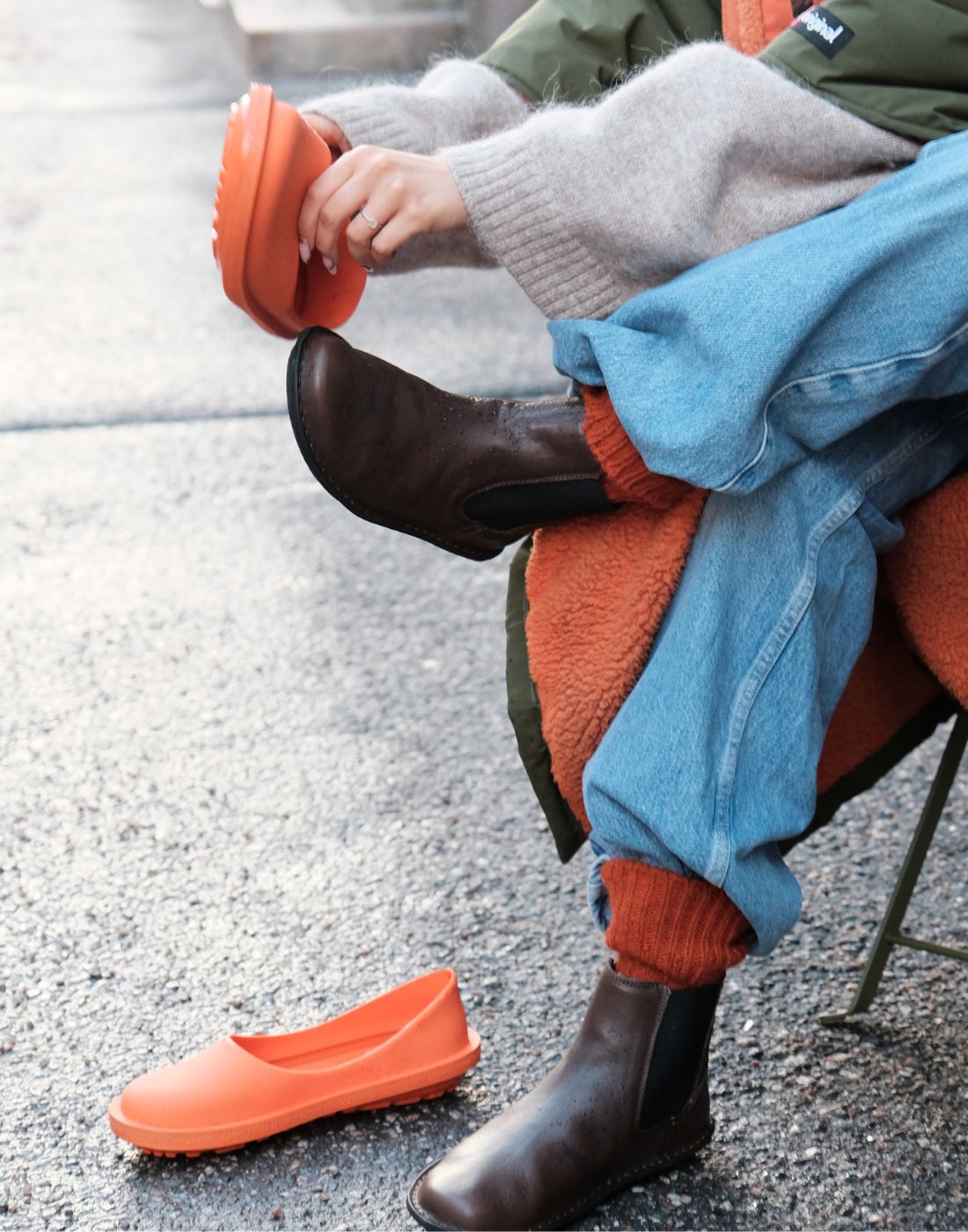
Rainy day? Keep your favourite VIBAe pair dry with natural rubber galoshes.
Shop OSLO Galosh
Brush suede only once it's fully dry, because pressure on damp fibres sets the flattening in place.