
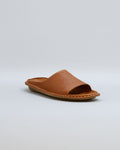

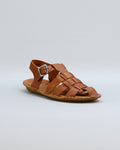
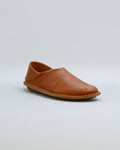
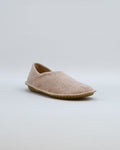
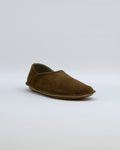
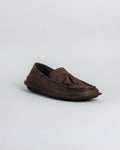
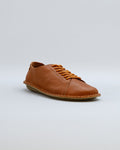
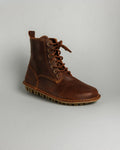
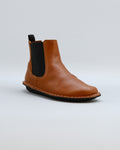
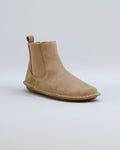
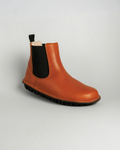
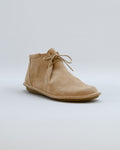
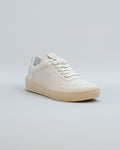
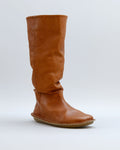
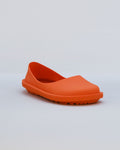
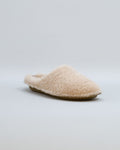

Shoes made in Portugal come from a shoemaking region concentrated around Porto and São João da Madeira, where small family-run factories combine hand skills with EU labour and environmental rules. The result is European-made leather footwear at mid-market prices rather than luxury ones.
What "shoes made in Portugal" actually means
Shoes made in Portugal are shoes assembled in the country's shoemaking belt, the region around Porto that takes in São João da Madeira to the south, where small and often family-run factories build footwear under EU labour and environmental rules, with a high share of hand-controlled work. The label tells you where a shoe was made and which rules applied. It does not, on its own, tell you whether the shoe is any good.
That distinction matters when you're weighing a pair and wondering what you're paying for. Origin tells you something about who touched your shoe and under what rules. It's a clue, not a certificate: the factory behind the label decides quality, so the better question is which factory, and will the brand name it?

How Portugal became a shoemaking country
Portugal became a shoemaking country because everything a shoemaker needs sits within a short drive. In the region around Porto, tanneries, last makers, sole suppliers and assembly floors cluster together, so a factory can collect leather in the morning and have soles delivered the same afternoon. Portuguese shoemaking still runs on that closeness.
When suppliers cluster, skill clusters too. Apprentices learn on the floor beside people who have done the job for decades, not in a classroom, and the knowledge that transfers is the unwritten kind: how a hide behaves in humidity, how much tension a toe puff will take before it puckers. São João da Madeira footwear came from this arrangement.
As much of Europe moved volume production elsewhere to cut costs, many Portuguese factories stayed small and kept the hand skills that large-run automation sheds. Partly circumstance, partly choice. Short runs are normal here rather than a special request, so a brand ordering a few hundred pairs of one colour can still get them made properly.
The craft: what actually happens to a shoe on the floor
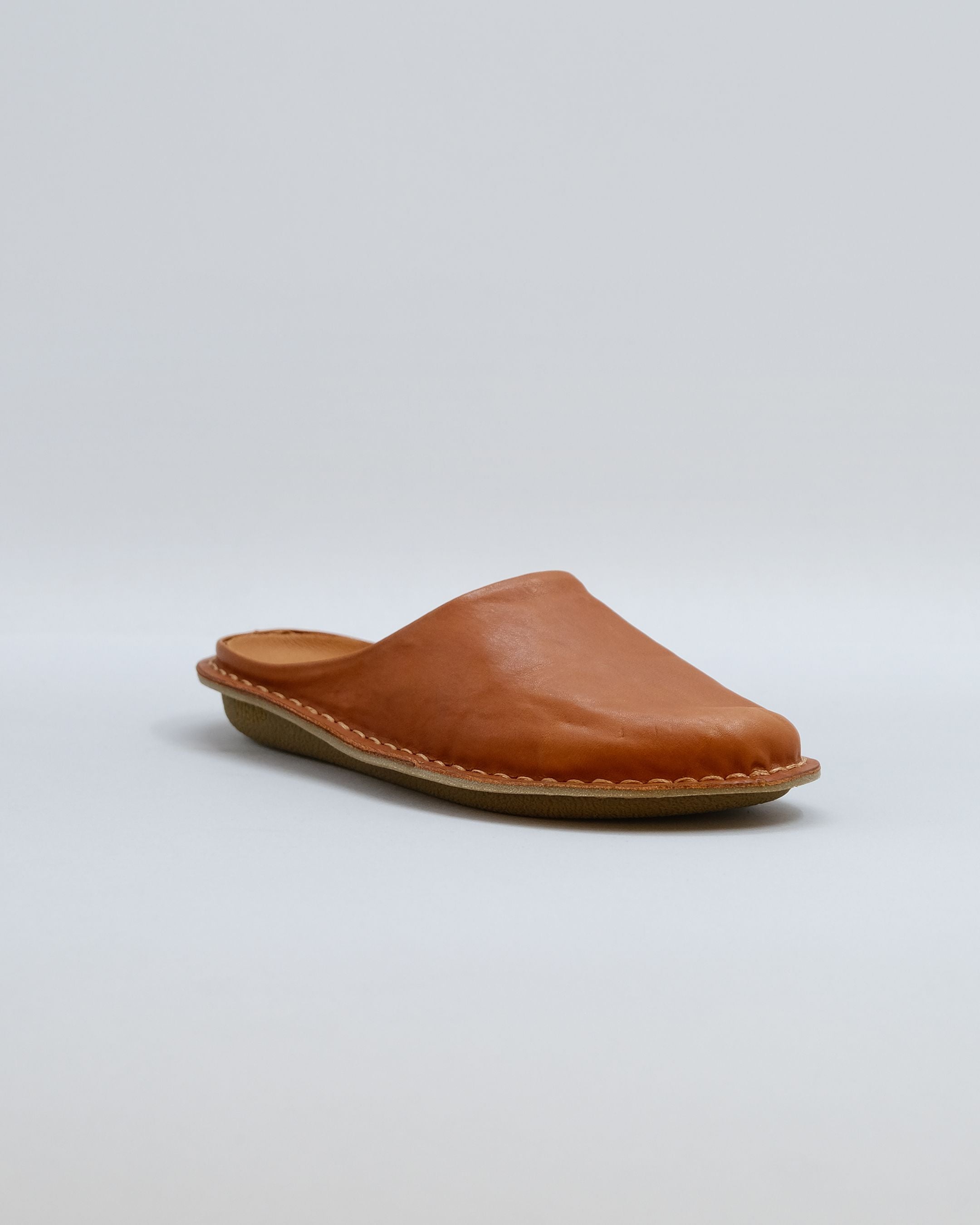
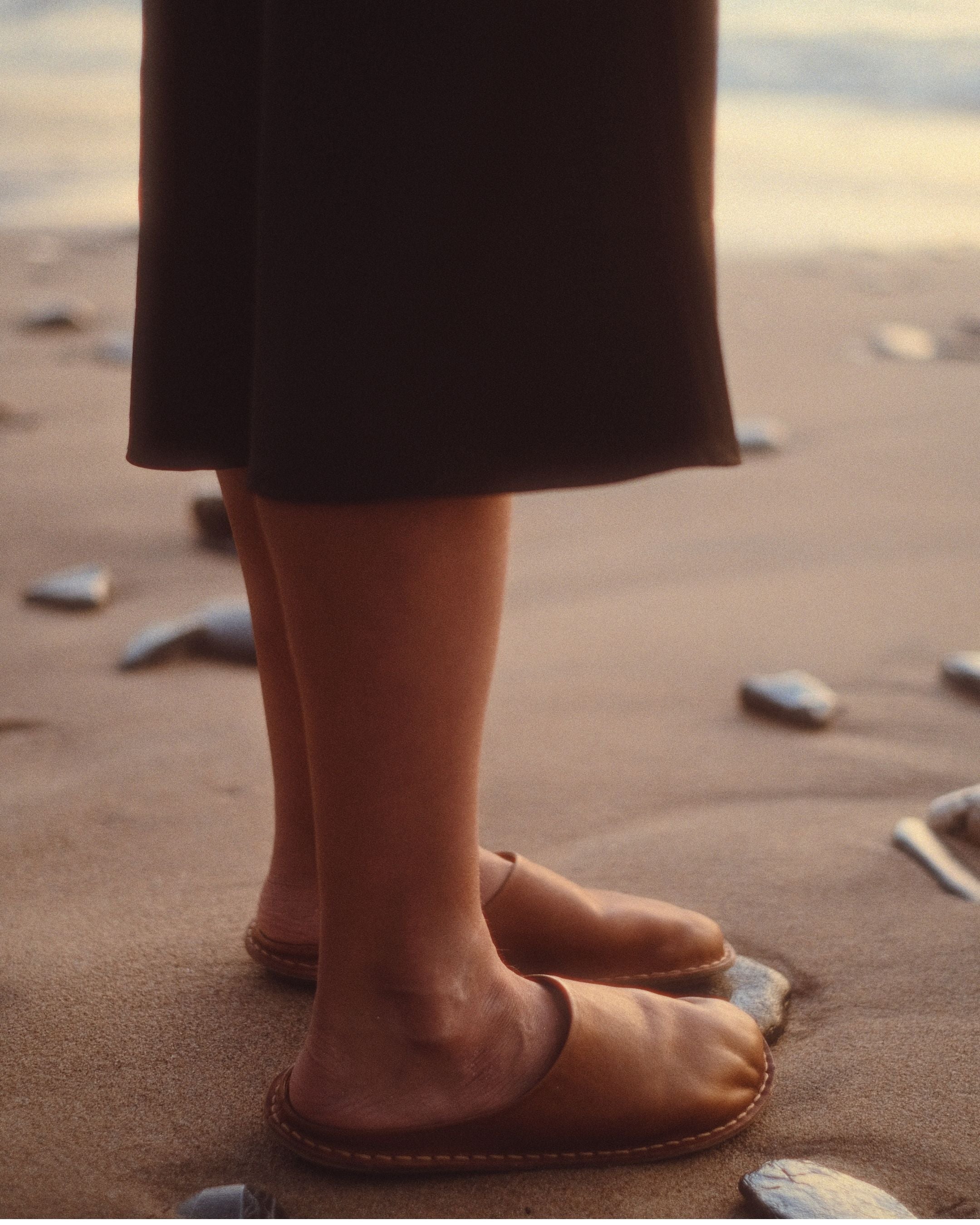
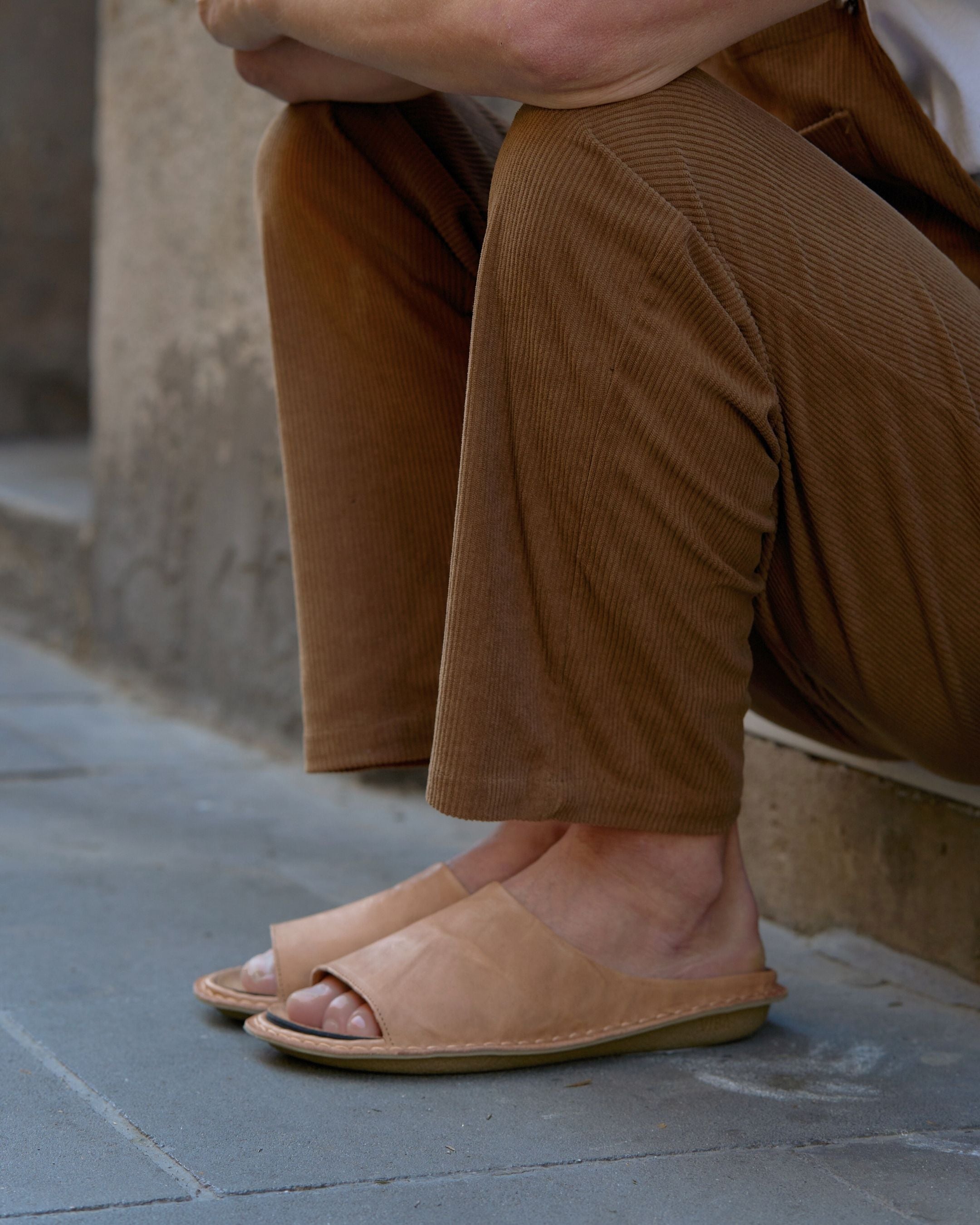
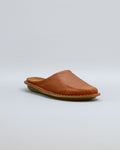
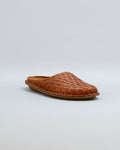
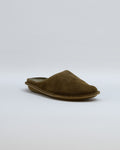
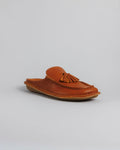
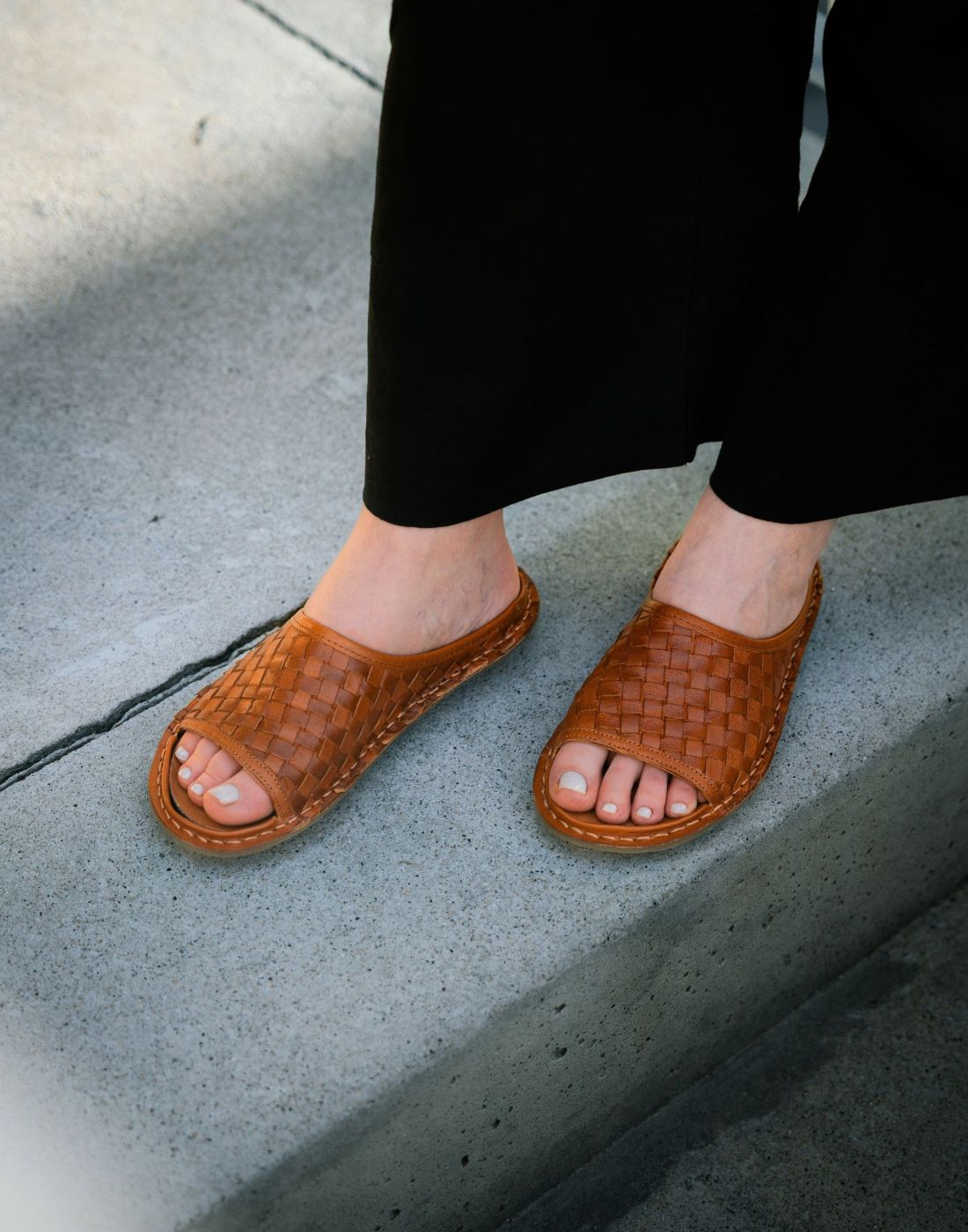
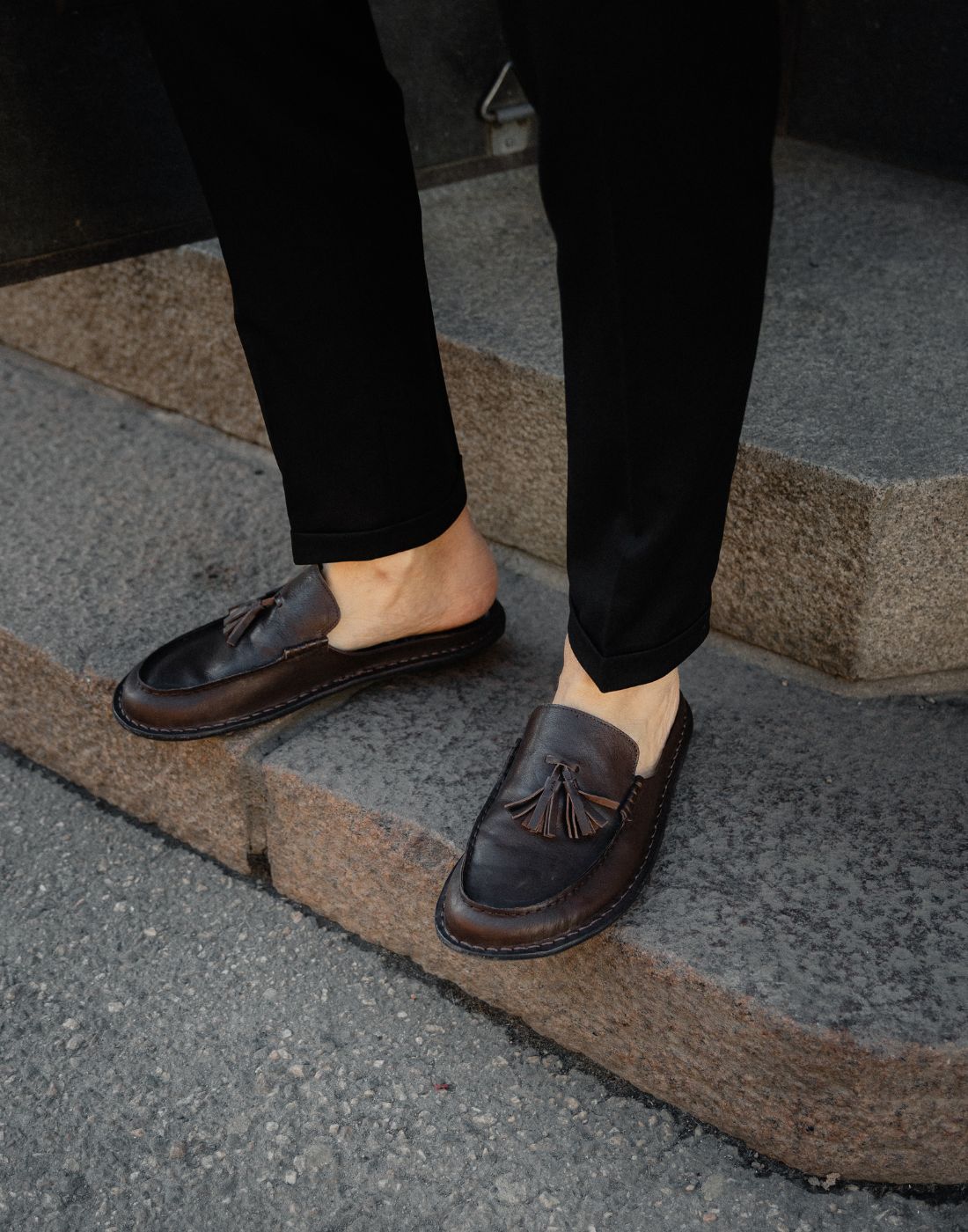
Hand-controlled making is why a pair fits the same on both feet and keeps its shape through years of wear. Three stages do most of that work: cutting, lasting and finishing. Each involves a judgement a machine running alone can't make, and each is where a rushed pair gives itself away. It is the same craft that went into the ROMA leather slippers Comme des Garçons Homme handpicked for its SS24 collection.
Cutting
Leather isn't uniform. One part of a hide stretches, another is dense, another carries a scar or a thin patch that will show after six months of flexing. A cutter reads the hide, works around the weak areas and places each panel where the material behaves as that panel needs to: firm where the shoe holds its line, giving where the foot asks for it. At VIBAe's factory, laser cutting handles some steps, but most of the work is still done by hand, because the reading part can't be outsourced.
Lasting
The shoe lasting process is where the upper is pulled over a last, the foot-shaped form that gives the shoe its volume, and this is where roomy shapes are won or lost. A last with a wide, rounded toe area gives your toes space to spread across the day. Keeping the leather clean and even over that generous shape, without pulling the line narrow to make the job easier, takes an experienced pair of hands. If you've wondered how leather shoes are made, this stage explains most of the difference between a shoe that flatters a photograph and one that flatters a foot.
Finishing and assembly
Sole bonding, edge work, cleaning, and the final look-over. It sounds like tidying, but finishing is where speed shows: a sole seated a millimetre out of true, a glue line that wasn't wiped, an edge dressed unevenly. None of that shows in a product photo; all of it shows on your foot within a season. A floor running small batches can slow this stage down.

Our workshop diary Olá from Portugal — inside the workshop walks through the benches, and why handmade cannot be rushed explains the pace behind it.
Materials: leather, rubber and the choices behind them
Materials decide how a shoe ages on your foot: whether it softens into your shape or simply wears out. VIBAe's leather comes from LWG-audited tanneries and is made from food-industry by-products, LWG being the Leather Working Group, which audits tanneries on their environmental practice. The leather is vegetable-tanned rather than chrome-tanned, using natural tannins drawn from bark, wood, fruit and leaves.
Here's the honest trade-off with vegetable-tanned leather shoes: they mark more readily at first, and they want regular protective cream. In exchange the leather ages rather than degrades, taking on a patina that maps where you walk. If you want a shoe that looks identical in year three, this isn't it. If you like leather that gains character, it's a good deal.
Every VIBAe outsole is natural rubber, tapped from trees without cutting them down. A natural rubber outsole stays flexible in cold weather and grips without the plasticky stiffness of many synthetic compounds. Because tanneries and component suppliers sit close to the factories in Portugal shoe manufacturing, the chain between hide and finished shoe is short enough that you can ask who did what and get an answer. That's the practical argument for European made shoes, more than any slogan about sustainability.
We're not perfect and don't claim to be. We are specific about what we use, set out on our materials page, and about who makes it, on Inside our factory.
Vegetable-tanned leather, no nasty shortcuts. See what goes into every pair. Explore Our Materials
How does Portugal shoe manufacturing compare with other origins?
A European-made, small-batch shoe comes with a few reasonable expectations: EU labour and environmental rules apply to the factory, shipping distances within Europe are short, and small production runs make repair-friendly design practical. When a factory builds a few hundred pairs rather than a few hundred thousand, replaceable parts stop being a marketing idea and become a manufacturing decision.
Be even-handed about it. Excellent shoes are made in many countries, and plenty of Portuguese shoes are assembled at speed, to a price, in places the brand won't name. Origin alone guarantees neither craft nor fair conditions. The useful test is transparency: ask who the factory is and whether anyone from the brand has stood on that floor. Our guide on how to judge ethical shoe brands covers that transparency test.
Get specific about one factory and this is what ethically made footwear tends to look like: a family-run floor in Porto's surrounding region, where the shoemaking family works alongside around 100 other skilled artisans, laser cutting included, but most of it still hand work — and once you've seen handmade up close, you notice it everywhere.
What shoes made in Portugal mean for your feet and your wardrobe
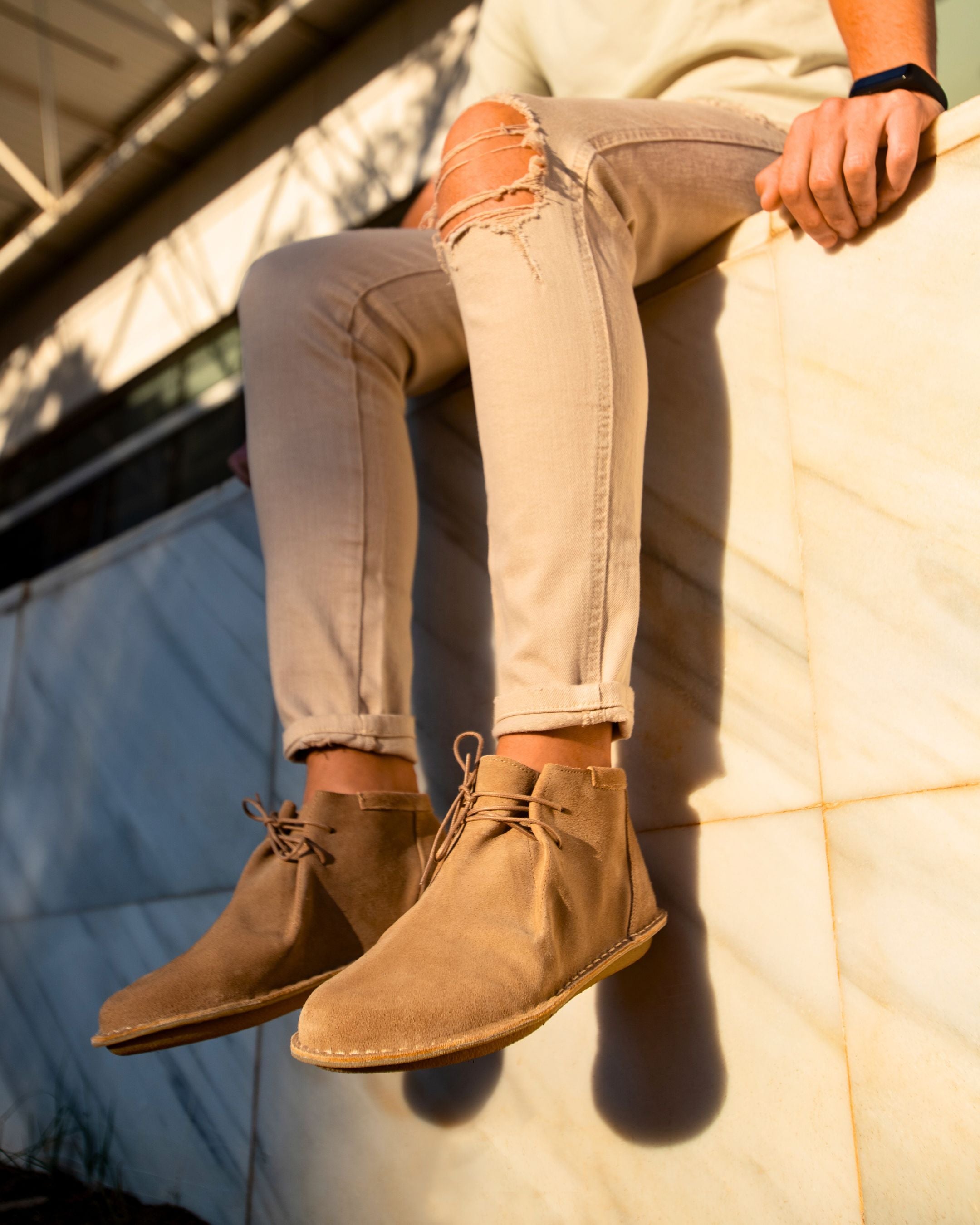
Small batch shoe production is what makes a genuinely foot-shaped last viable. A factory pressing enormous volumes optimises for the mould that fits the widest statistical average; a floor running smaller orders can commit to a wide, rounded toe area and flexible construction because the tooling cost spreads differently. Roomy comfort and handmade leather shoes aren't separate ideas. One enables the other. Slow fashion shoes earn their keep twice: a plain silhouette goes with what you already own, and it still looks right years later.
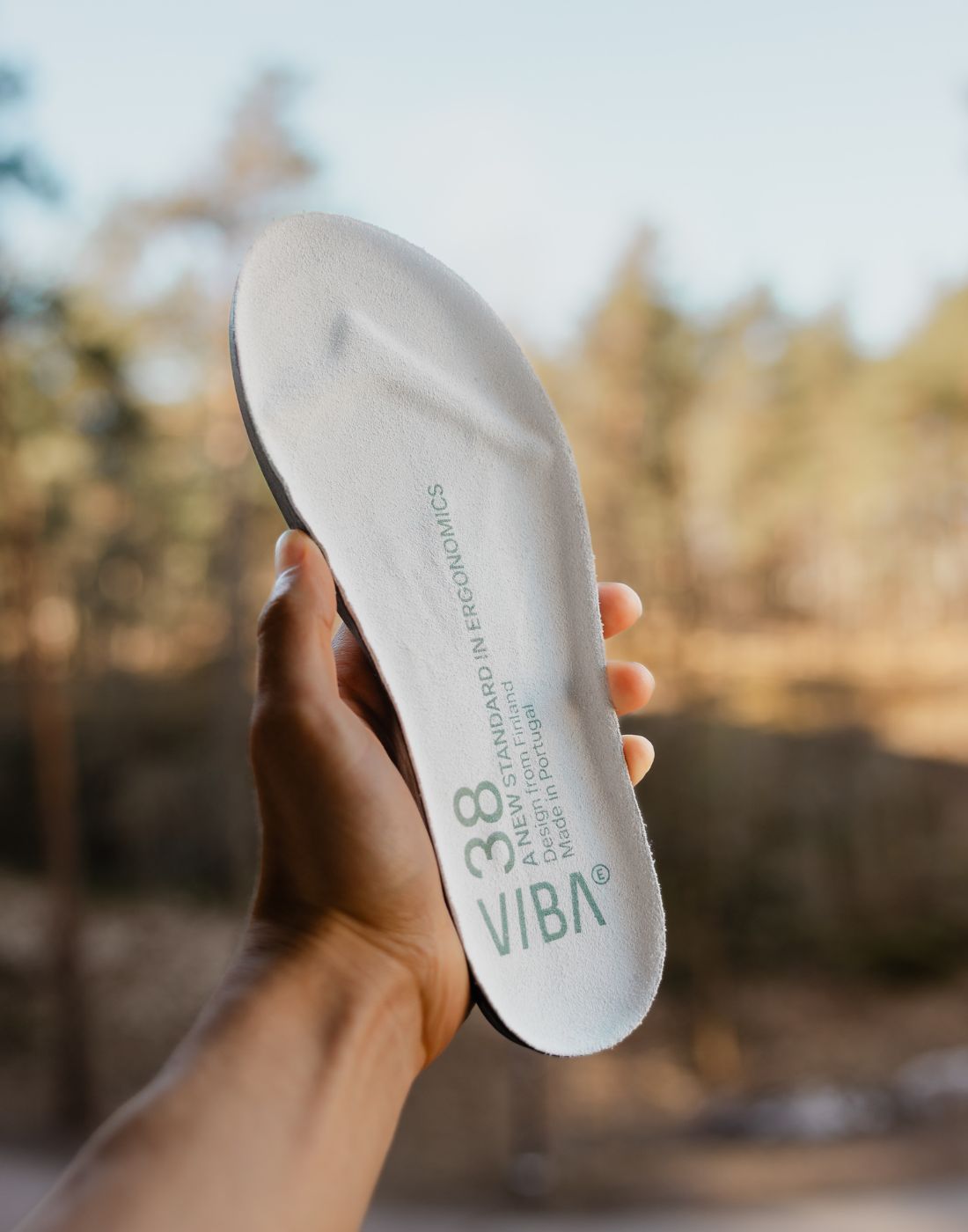
Inside every pair sits the Carbon Step™ footbed, built to the 11/14/7 Formula: 11 mm of cushioning at the heel, 14 mm of support at the arch and 7 mm of cushioning at the front. On most styles it's removable, which is the point. When the footbed wears out before the shoe does, you fit a new Carbon Step™ footbed rather than replacing a pair with years left in it. At the other end of the same idea sits Pre-Loved, our circular resale and recycling concept with partner Ninyes, where a pair you've finished with goes on to someone else.
On sizing: the collection is unisex, EU 35–48, and we don't make half sizes. Go one size up if you're between sizes, prefer wearing thicker socks, or just like a looser feel. The leather will gently stretch where needed. One honest caveat: a flexible, low-drop sole takes an adjustment period. Hand-lasted leather needs its own breaking in too, so build up your wearing time rather than starting with a nine-hour day. If foot pain persists, see a health professional; we make comfortable shoes, not treatments.
Frequently asked questions
Are shoes made in Portugal better quality than shoes made elsewhere?
Not automatically. Portuguese origin signals a dense skill cluster around Porto and São João da Madeira, plus EU labour and environmental rules on the factory floor. It isn't a quality certificate. The specific factory, the construction method and the materials decide how a shoe fits and how long it lasts, so ask a brand to name its maker.
Where in Portugal are VIBAe shoes made?
Our main factory sits just outside Porto, in the region that has made footwear for generations. It's family-run: the shoemaking family works there alongside around 100 other skilled artisans. Some modern tech such as laser cutting is used, though most work is still done by hand.
Do Portuguese-made leather shoes need special care?
Vegetable-tanned leather does ask for a little attention. Applying a leather shoe care cream regularly keeps the leather fed and helps it resist water and marks. Our protective creams are £15 in black and brown, and the care section of our materials page explains the routine. Prices and product details can change, so check the store for what's current.
Which size should I order if I'm between sizes?
We don't make half sizes. Go one size up if you're between sizes, prefer wearing thicker socks, or just like a looser feel. The collection is unisex in EU sizes 35–48, and the leather will gently stretch where needed. The size chart carries UK and US conversions alongside centimetre measurements for each EU size.
Try them on and feel it yourself — find VIBAe near you. Find a Store
The short version
The Portugal label tells you a shoe was made inside a working skill cluster, under EU rules, usually in a small factory. It doesn't tell you the shoe is well made, so treat it as the start of the question rather than the answer. Ask who the factory is and whether the worn parts can be replaced. For the longer version, Inside our factory introduces the family and the team, and the workshop journal shows the benches themselves. Specifications and prices can change, so check the store for current details.