


Barefoot shoes for work - what actually passes the dress code
Can you wear barefoot shoes to the office? What works, what doesn't — and the barefoot-style loafers that look the part.
Dress codes describe how a shoe looks, not how it is built. That single fact is why barefoot shoes for work usually pass without comment: a smooth leather loafer in a classic silhouette reads as ordinary smart footwear, whether or not the toe box inside is roomy and the sole underneath is thin and flat. If you have a written policy or an unspoken one to satisfy, and you would also like your feet to feel human at six in the evening, this guide is for you.
Can you wear barefoot shoes to the office?
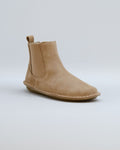
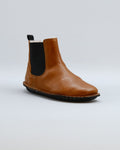
Yes, in most workplaces a barefoot-style shoe passes the dress code when the upper is smooth leather in a traditional shape, such as a loafer, derby, Chelsea boot or ballerina, and the sole is thin and dark rather than chunky. Trainer-styled barefoot shoes are what breaks the code.
Two readers tend to arrive at this question. The first moves between a desk, a meeting room and a train platform all day, and wants one pair that carries all of it without a mid-afternoon negotiation with their toes. The second has sensitive feet, has learned that narrow shoes are a bad trade, and does not want anything that looks remotely orthopaedic to solve it. Both are asking the same practical thing: can a shoe built for foot function still look like it belongs in a professional setting?
It can, but not automatically. The construction that makes a shoe barefoot-style is invisible. The design language on top of it is entirely visible, and that is where compliance is won or lost. The rest of this guide separates the two so you can judge any pair, ours or anyone else's, before it reaches the office.

What makes a shoe a barefoot shoe, and why it matters at work
A barefoot shoe is defined by three durable features, none of them decorative:
- A wide toe box shaped like a foot rather than a wedge, so your toes can splay as you walk.
- A flat footbed: zero drop shoes hold your heel and your toes at the same height, with no built-in lift, and barefoot-style shoes sit close to that with far less lift than a conventional shoe.
- A thin, bendable sole. Flexible thin sole shoes let your foot feel the ground and move through its full range instead of being held still.
The mechanism is simple, and it explains why the change is real work. In a conventional shoe, a raised heel, a stiff shank and thick cushioning do part of the job of standing and pushing off. Take those away and your own feet, calves and arches do more. That is the point, and it is also why nobody should switch straight into a nine-hour day on a hard floor.
None of those three features has to look sporty, technical or clinical. That distinction is the whole article in one sentence. A foot-shaped last can sit under a polished leather upper as easily as under mesh, and a thin sole can be a slim dark edge rather than a slab of foam. Leather barefoot shoes exist precisely because the anatomy can be hidden inside a traditional silhouette.
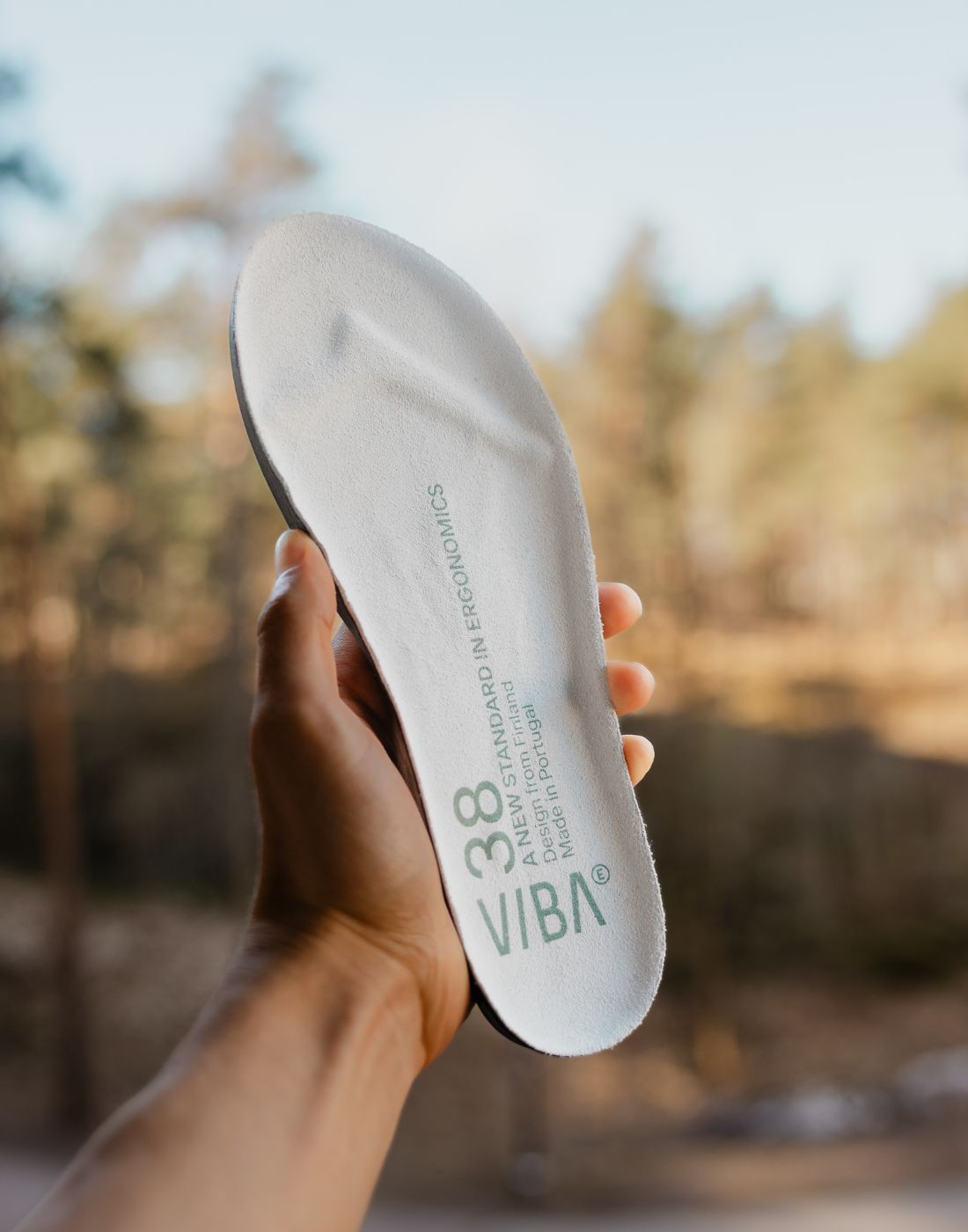
Ours are built on that logic, with one deliberate difference. VIBAe is a Helsinki-born brand, and every pair is handmade in Portugal in vegetable-tanned leather, on a last with real room across the toes. Inside sits a removable Carbon Step™ footbed, and that footbed is contoured rather than flat: 11 mm under the heel, 7 mm at the front and 14 mm through the arch. That is a 4 mm drop with arch support, not a true zero-drop bed — closer to the ground than a conventional dress shoe, without asking your arches to carry everything from the first day. The range runs from size 35 to 48 as one unisex collection. We are not claiming a perfect shoe. Leather asks for care, thin soles transmit hard floors, and a new pair may feel different after your traditional fit. We would rather you knew that before you ordered than after.
What actually passes the dress code
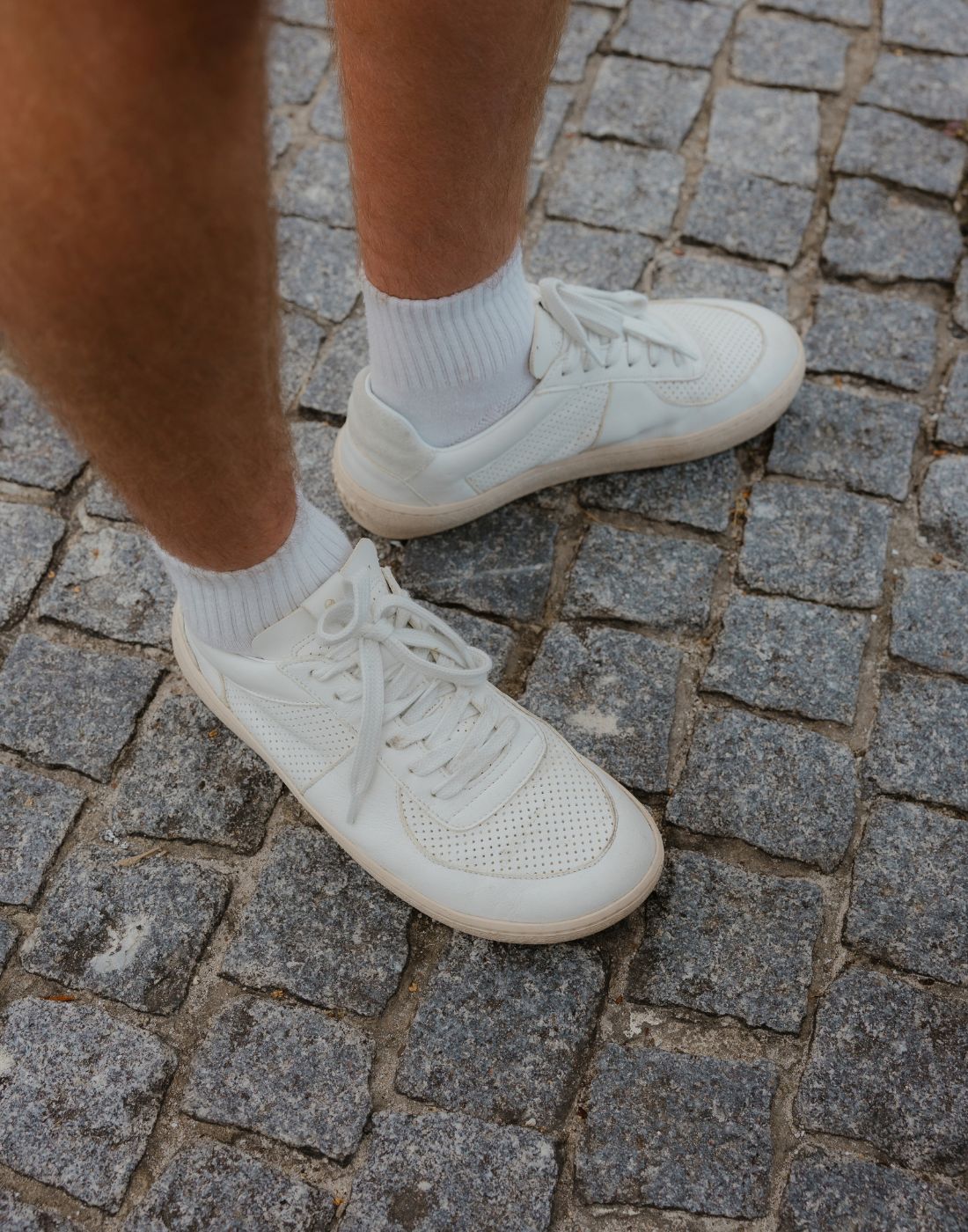
Use one practical test: if a colleague would have to look twice to notice anything unusual, the shoe passes. Almost every dress code, formal or vague, is really a request to look considered. Material, colour, shape and sole profile decide that. Toe-box width does not appear in any policy we have ever read.
Business formal and client-facing days
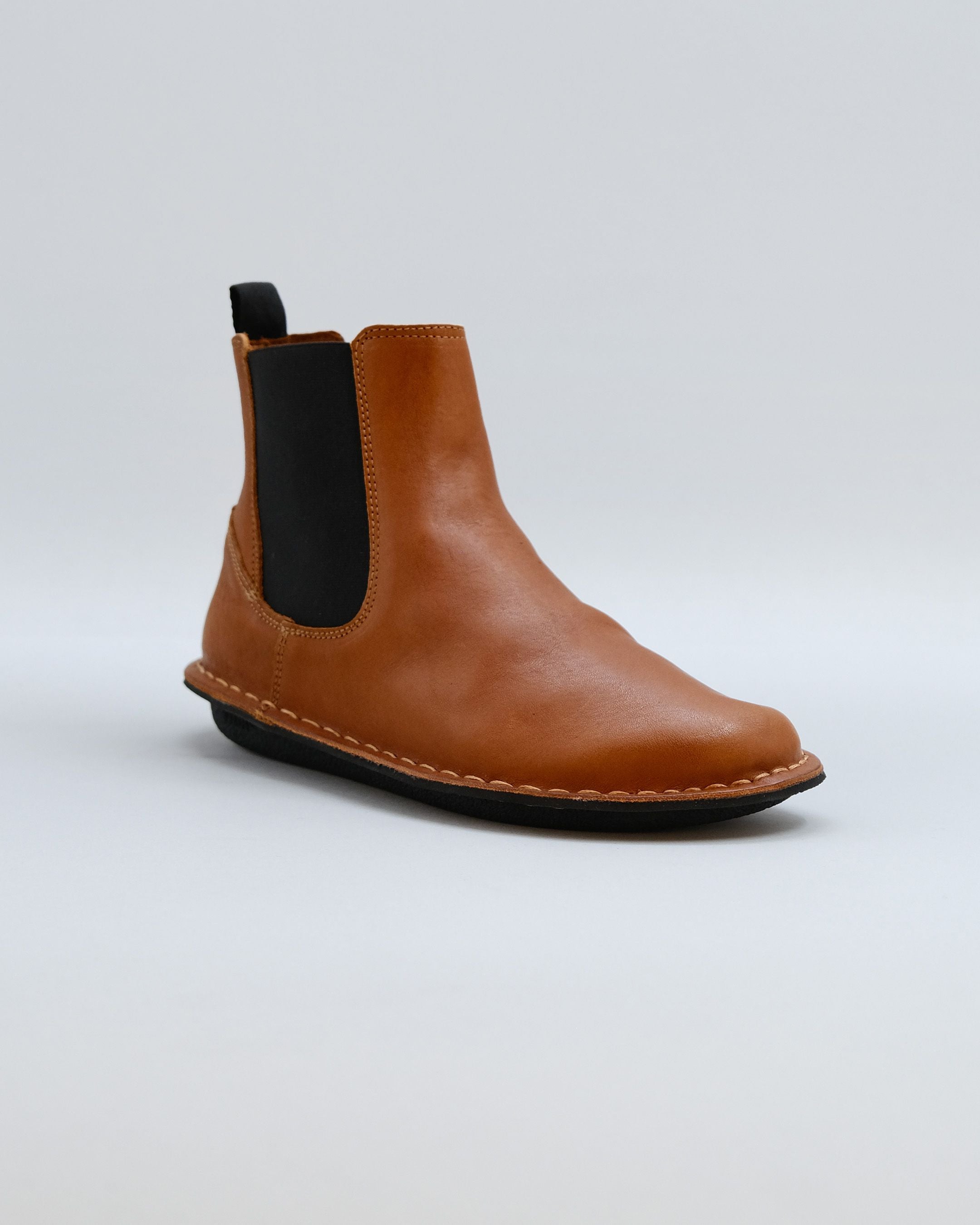
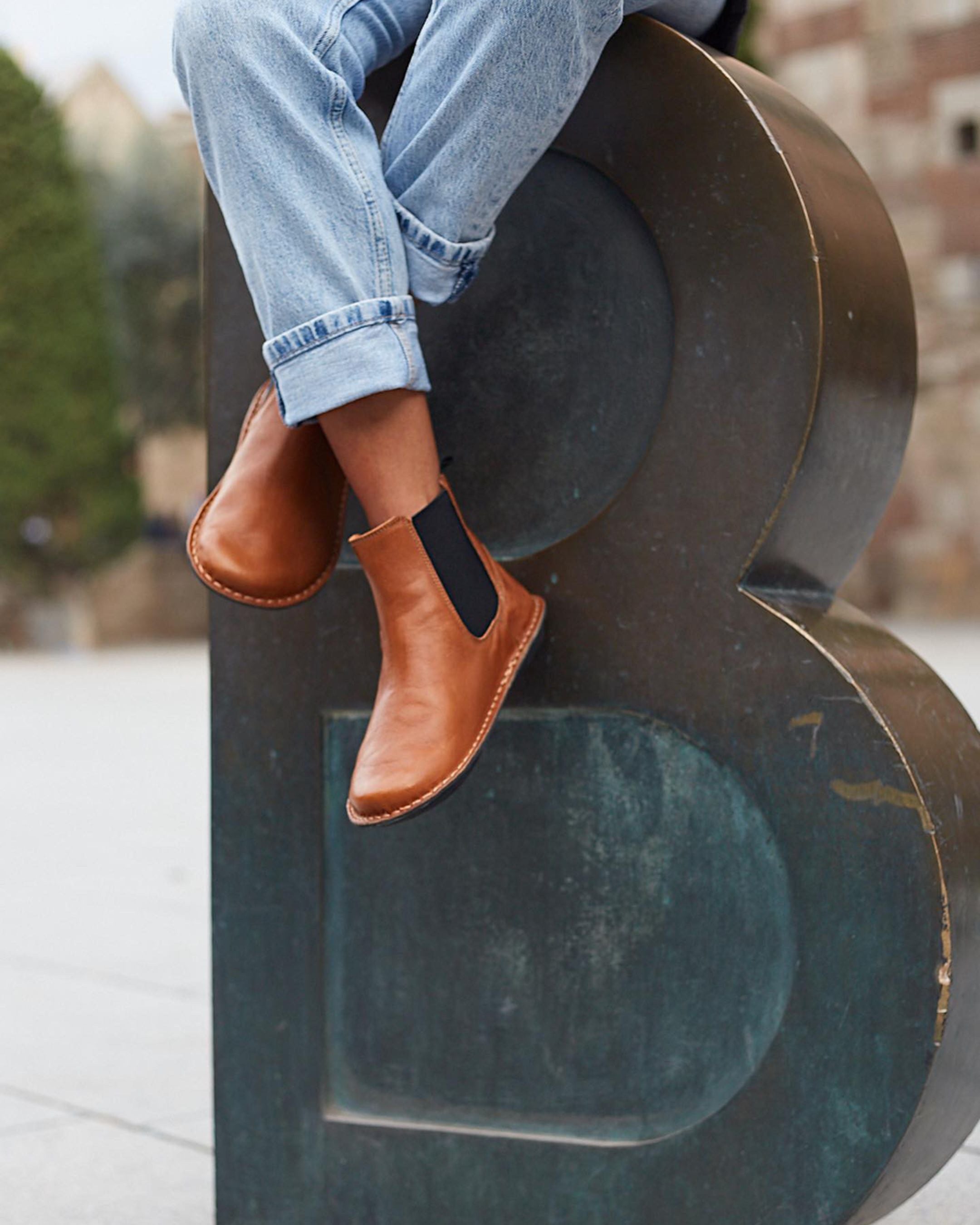
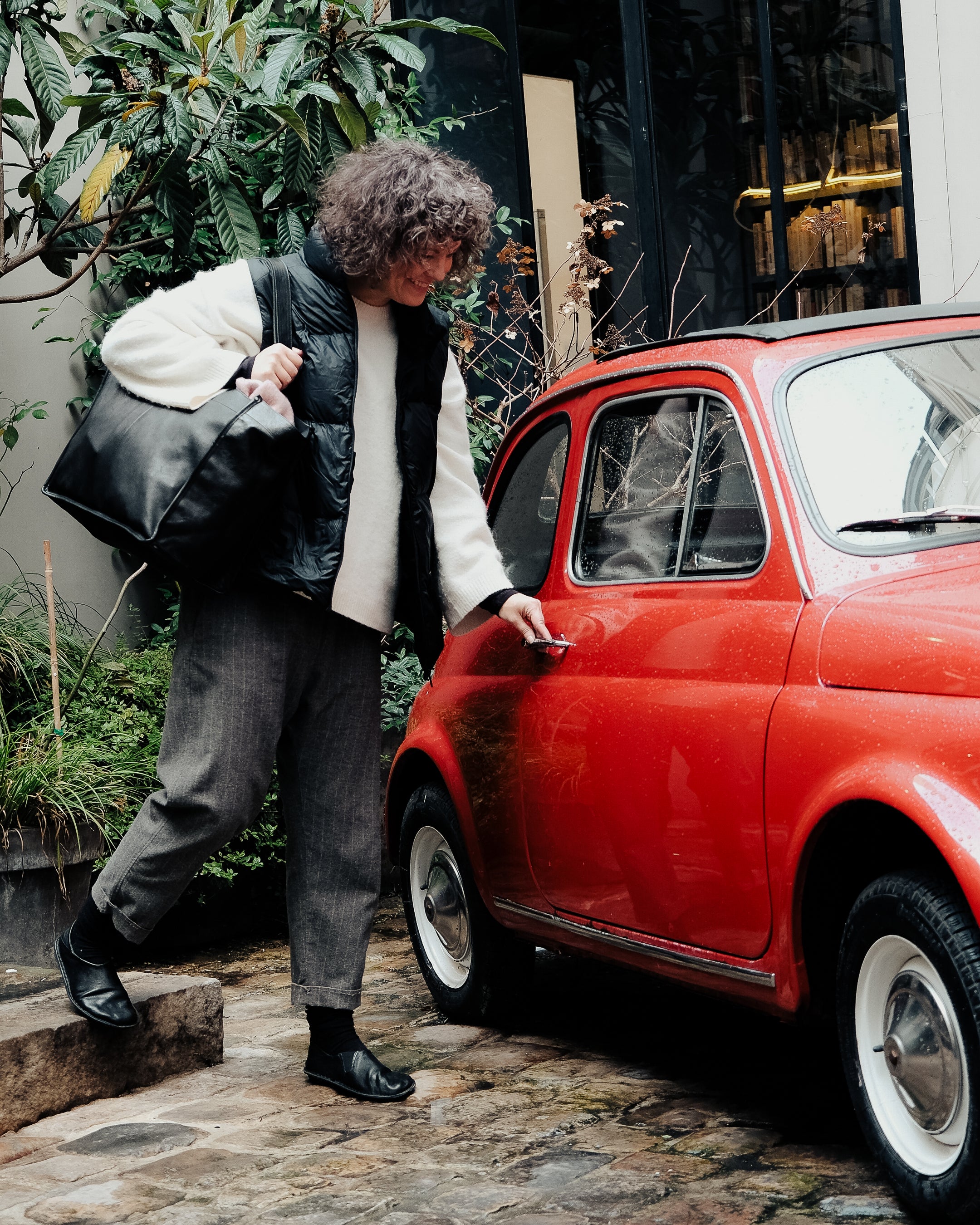
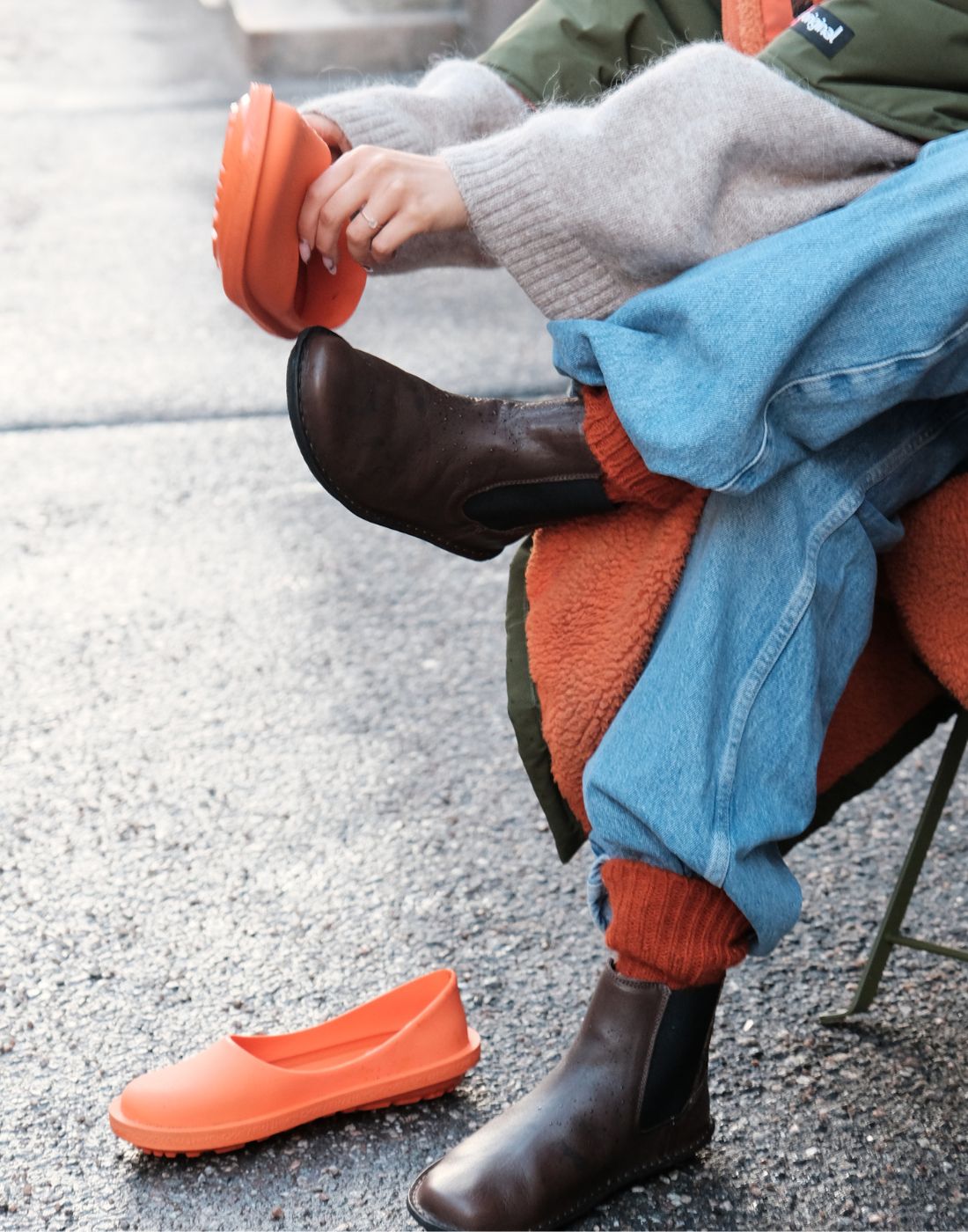
Keep it quiet. Smooth leather in black or a deep brown, a closed heel and a closed toe, a thin dark sole with no contrast stripe, and branding you would need to crouch down to find. Avoid uppers with pronounced seams tracing the shape of individual toes, because that outline is the detail people read as technical. A derby, a loafer or a Chelsea boot in this register works under tailoring, and a set of black leather styles is the safest starting point for a strict environment.
Business casual and smart casual
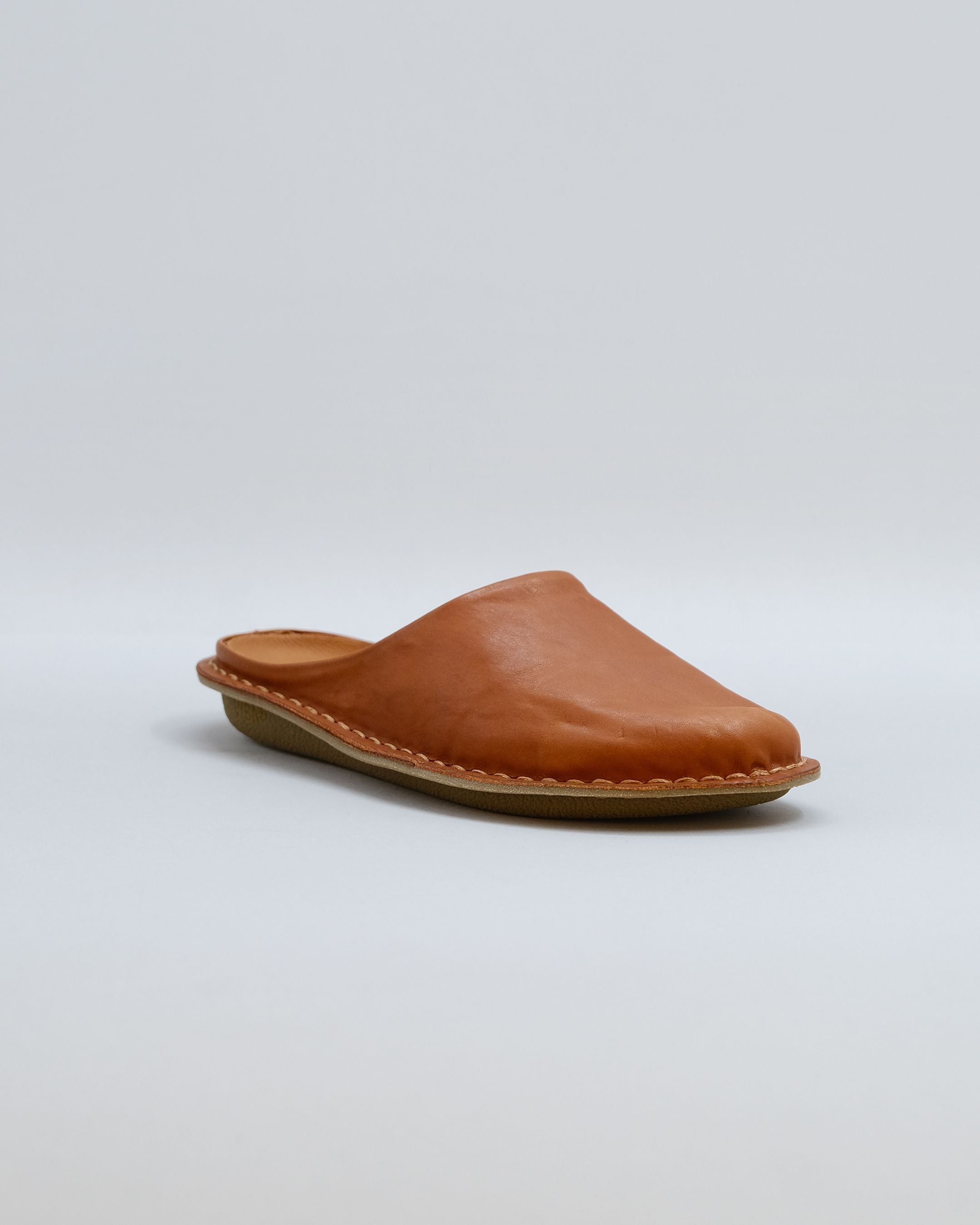
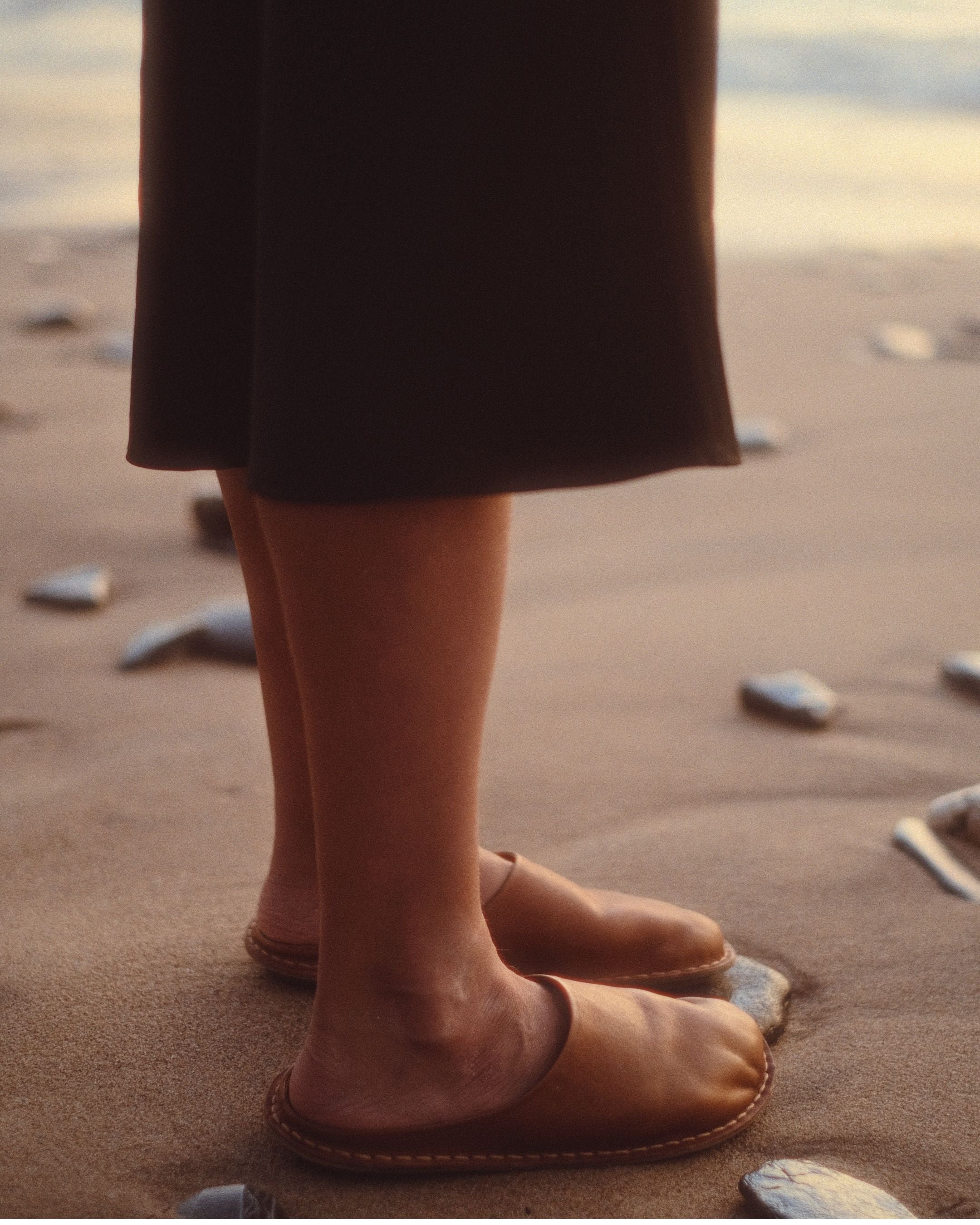
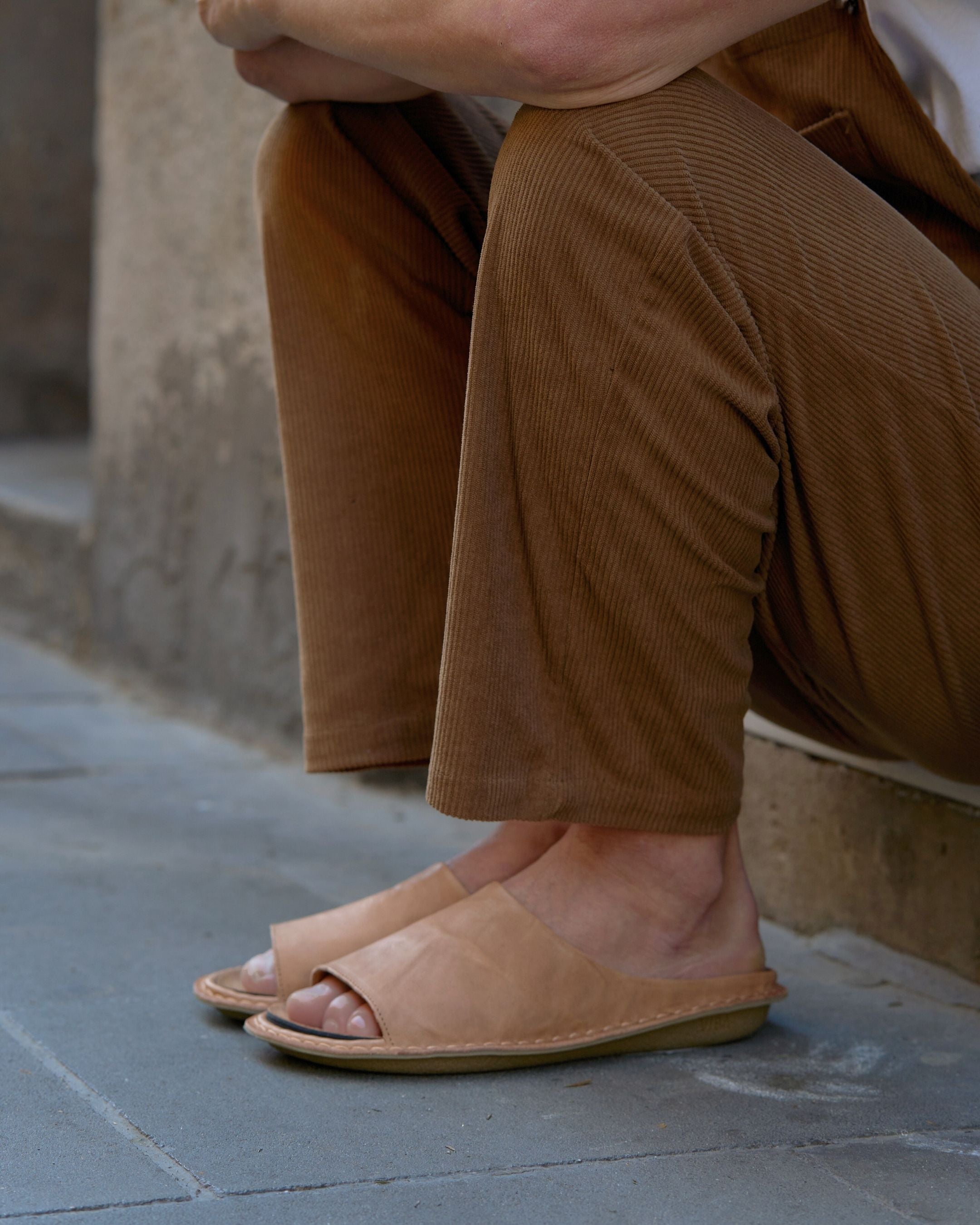
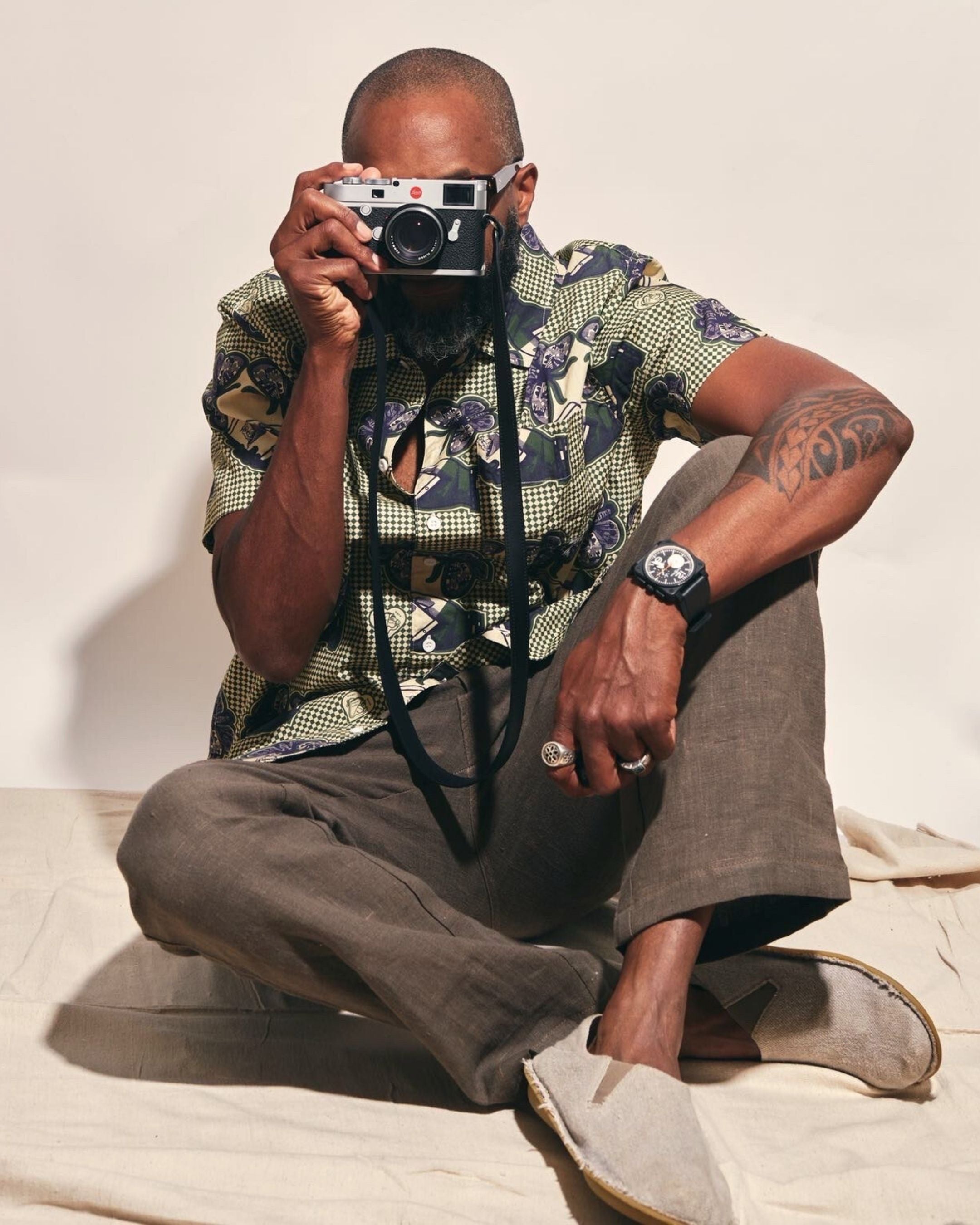
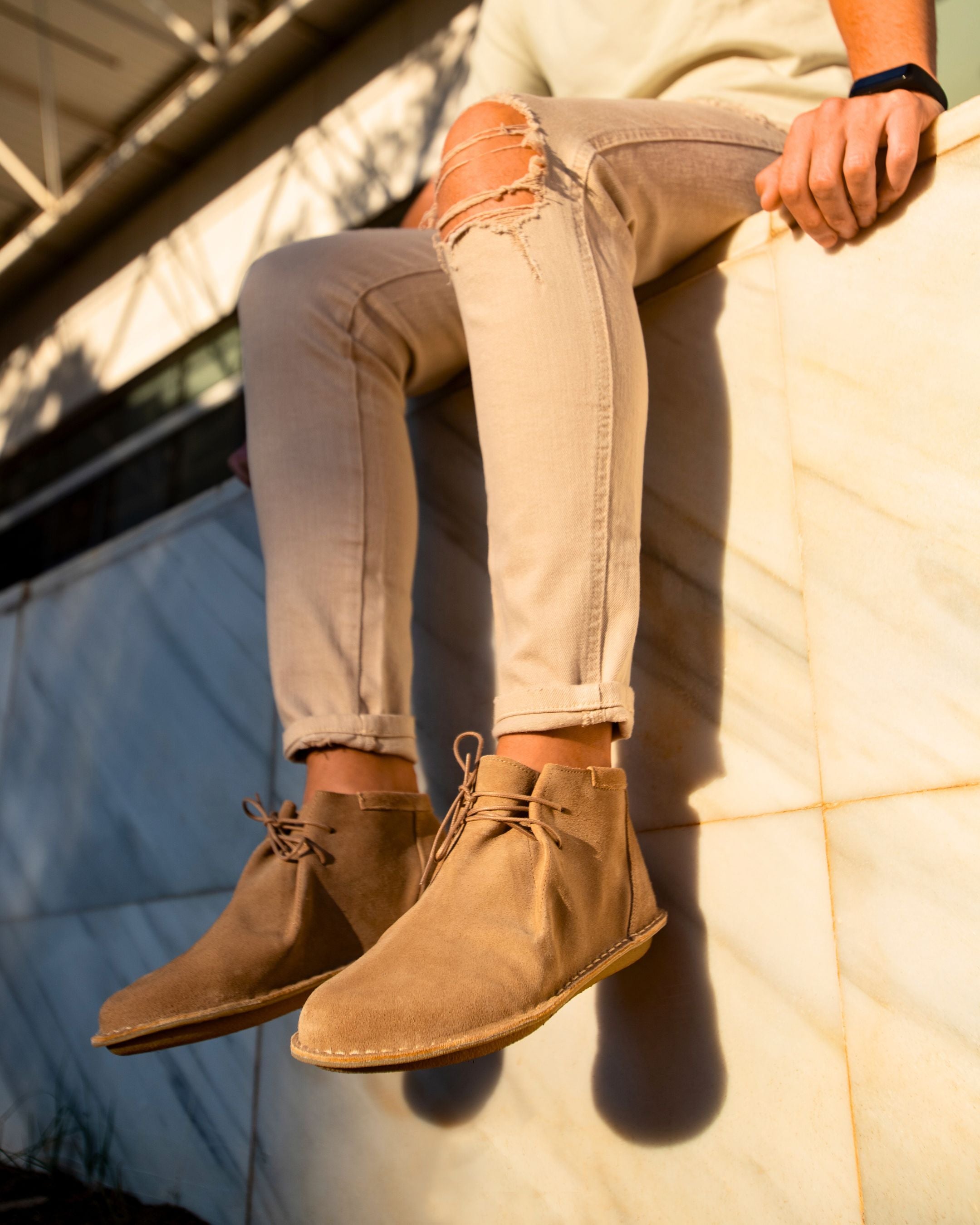
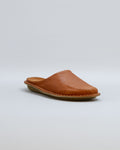
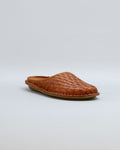
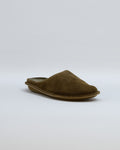
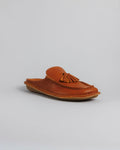
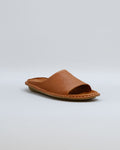
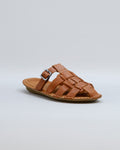
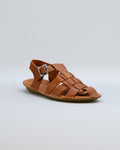
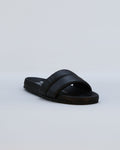
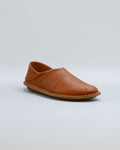
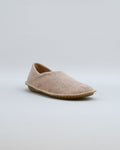
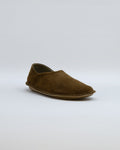
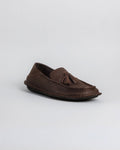
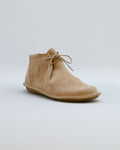
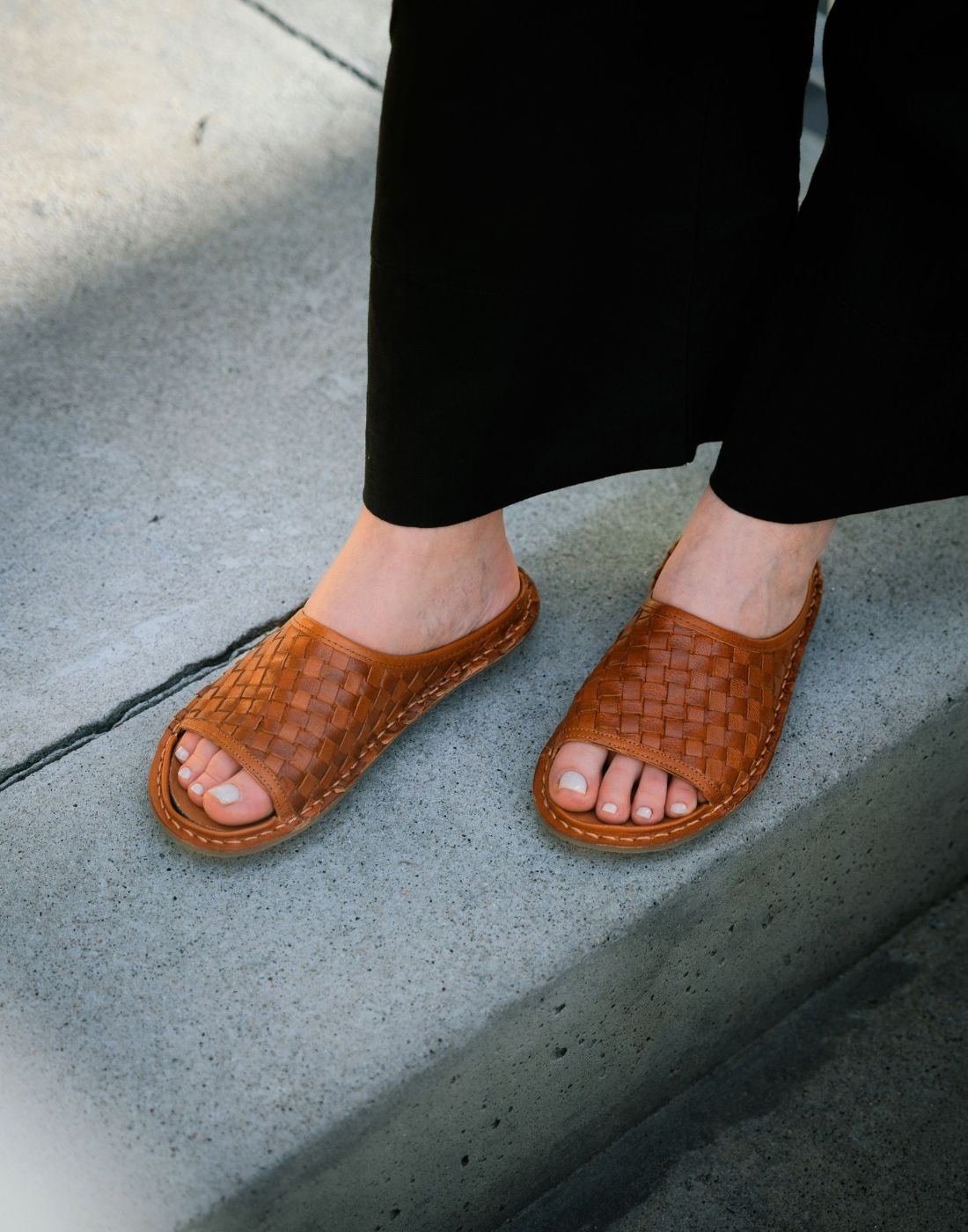
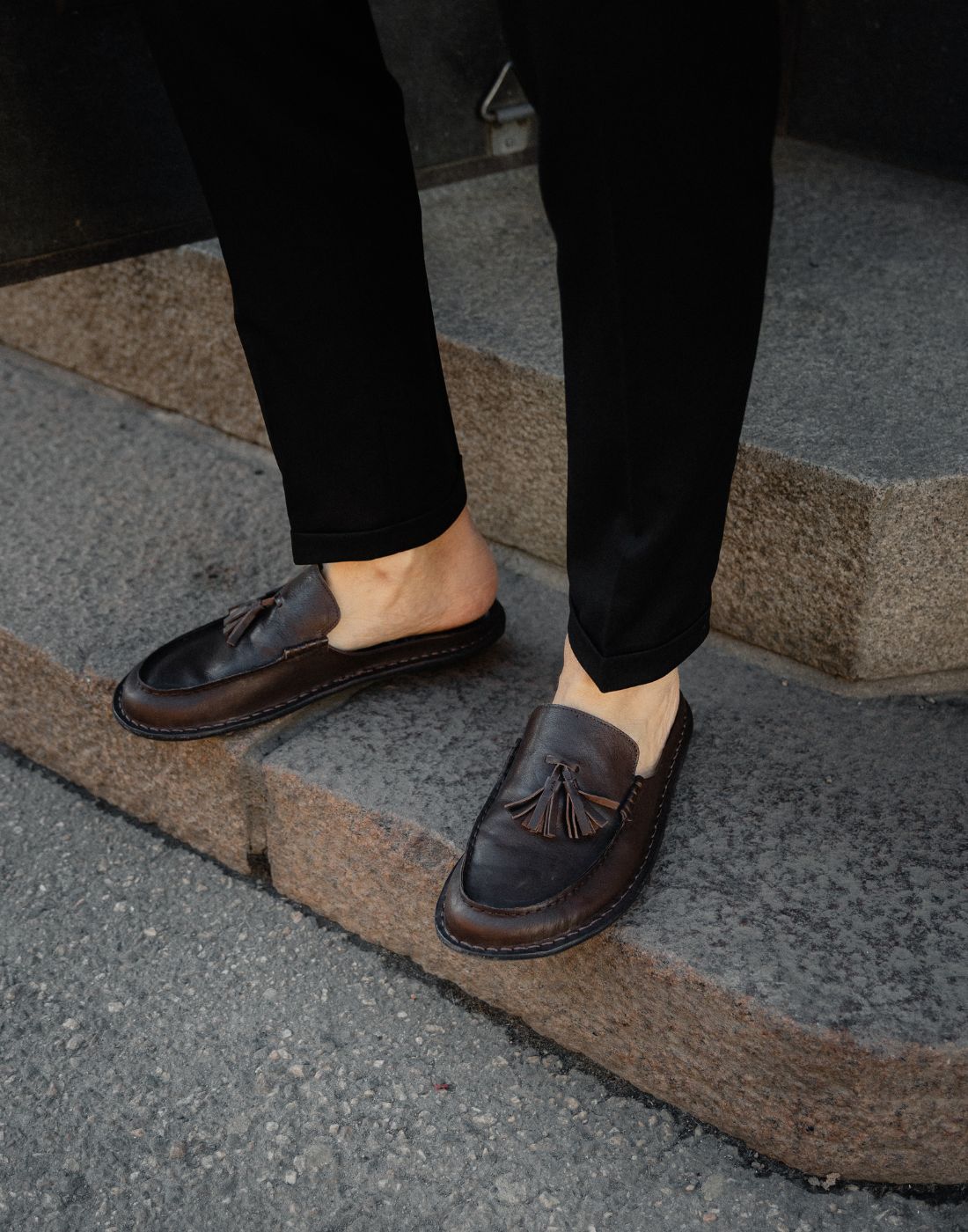
Business casual is the category most readers are actually trying to satisfy, and it is far more forgiving. Business casual dress code shoes allow colour, texture and a bit of personality: suede, tonal stitching, brogue detailing, a mule for warm months. Loafers do a lot of quiet work here. Barefoot loafers in leather sit at the exact point where smart casual shoes stop feeling like a compromise, which is why our TRIBECA leather loafers end up as so many people's first office pair, and why the ROMA mule photographs so easily with tailored trousers. If you want minimalist dress shoes with no visible cleverness at all, this is the shape to start with.
Where barefoot shoes usually fail a dress code
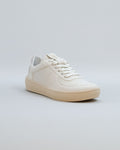
Sport-styled uppers, mesh panels, visible toe outlines, high-contrast midsoles and hiking-inspired lugs will read as trainers or outdoor shoes in a professional setting, however smart the trousers above them. Some workplaces also specify a heel height for front-of-house roles, or require footwear that meets a named safety standard for toe protection or slip resistance. In those cases a barefoot-style leather shoe is not the right answer, and we would rather say so plainly than stretch a definition. Check your own policy and, if there is a stated standard, treat it as the deciding factor.
Barefoot-style shoes for work: which styles pass which dress code
|
|
|
|
|
|
|
Business formal / client-facing |
Business casual |
Standing all day |
What makes it pass (or fail) |
|
|---|---|---|---|---|
|
Leather barefoot loafers |
✓ |
✓ |
✓ |
Smooth leather upper, closed toe, thin dark sole; slips on and off at a desk |
|
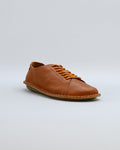
Derby lace-ups in smooth leather |
✓ |
✓ |
✓ |
Traditional silhouette with a wide toe box that reads as ordinary smart footwear |
|
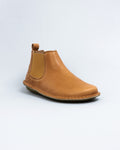
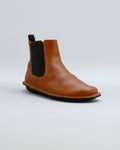
Chelsea-style leather boots |
✓ |
✓ |
✓ |
Long, clean line; elastic gusset handles foot volume changes over a day |
|
Ballerina flats |
✓ |
✓ |
✓ |
Low profile; check the topline sits comfortably with the socks you actually wear |
|
Suede or brogued leather shoes |
✗ |
✓ |
✓ |
Texture and detailing suit smart casual; suede needs more care in wet weather |
|
Leather mules / backless slip-ons |
✗ |
✓ |
— |
Fine at a desk; open heel is less suited to hours of walking |
|
Trainer-style barefoot shoes |
✗ |
✗ |
✓ |
Mesh panels, visible toe outlines and contrast soles are what trip the code |
|
Lugged, hiking-inspired soles |
✗ |
✗ |
✓ |
Chunky sole breaks the silhouette; reads as technical rather than smart |
|
Workplaces specifying safety-rated or heeled footwear |
— |
— |
— |
A barefoot-style shoe may genuinely not be the right answer — check the written policy first |
Loafers with actual room for your toes, work to weekend, no pinching. Explore Loafers & Mules
Barefoot work shoes for standing, walking and moving all day
A wide toe box makes a long day bearable. When your toes can spread as your weight shifts, the usual pinch points across the ball of the foot and the little toe have nowhere to form. That is the practical case for barefoot work shoes on a shift that keeps you upright: fewer pressure points, and a sole that bends when you do instead of levering against you.
Three principles stay true regardless of brand:
- Feet swell over the course of a day, so a fit that feels precise at nine in the morning can feel tight by four.
- Socks add real bulk, and thick wool changes a fit more than most people expect.
- Hard floors ask far more of a thin sole than carpet does, so a warehouse aisle, a hospital corridor or a tiled shop floor is a different proposition from a carpeted office.
Which brings the honest trade-offs. Barefoot shoes for standing all day will let you feel that concrete, because feeling the ground is the design intent rather than a flaw. Leather needs occasional conditioning and a chance to dry out. Although you may not want to begin with a full working week: there is no break-in time, yet give the leather a day off between wears so it can air. If you have been hunting for comfortable work shoes for wide feet and standing is most of your job, treat the changeover as something you do over a month, not a weekend.
Comfort is a typical experience rather than a promise, and no shoe is a treatment. Roomy, flexible and flat suits a great many feet; persistent pain is a conversation for a health professional rather than something to solve by shopping.

Barefoot office shoes: desk days, styling and the second-pair question
Desk days reward slip-on shapes. There are no laces to re-tie after you kick them off under the table, they go back on without breaking stride when someone calls a meeting, and removable footbed shoes let you take the insole out at the end of a week so both parts dry properly. That is the everyday argument for barefoot office shoes in loafer or mule form, and it is why they tend to become the pair people reach for by default.
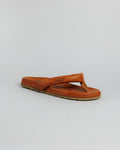
The styling principles are the durable kind. Match the leather colour roughly to your belt or bag so the outfit reads as deliberate. Keep the sole line thin, because a slim edge lengthens the silhouette while a thick one shortens it. Let trousers break just above the topline of the shoe so the hem sits clean rather than bunching. Tonal socks, or none with a mule, keep the leg line unbroken. Our Loafers & Mules collection is built around exactly those proportions, and the LISBOA styles cover the warmer, more relaxed end of the same idea.
Then there is the second-pair question, which most people arrive at within a couple of months. One classic pair that handles a client meeting and then dinner is the slow-fashion case in practice: a single shoe doing two jobs for years, rather than three near-misses in the wardrobe. A second pair usually earns its place for rotation rather than variety, so each pair gets a day to recover and air. If you are deciding where to buy barefoot leather loafers in the UK, that logic is worth more than a wide colour range: office shoes that look smart and feel comfortable only pay off if you want to wear them again tomorrow.
Fit, sizing and the barefoot shoe transition period
Sizing decides whether a work pair feels roomy or vague, with your foot sliding rather than settling. Measure your foot in the evening, when it is at its largest, measure both feet and work from the longer one, then compare that measurement against the size chart rather than assuming the number from a previous brand carries over.
Roomy should feel specific, not loose — a perfect fit rather than extra space. Expect:
- Clear width across the toes, with space to wiggle them.
- No pressure at all on the little toe.
- A heel that is held without gripping or slipping.
If your toes feel free but your heel lifts as you walk, that is a fit problem rather than a break-in problem.
Your foot should fill the shoe from heel to toe. There is no need to leave space ahead of your longest toe: the leather is soft, will gently stretch where needed, and moulds to your foot with wear, which is why a perfect fit from the start is the right start. Our journal piece on how to get the correct fit with VIBAe shoes walks through the method.
The barefoot shoe transition period is real and worth respecting. Start with a few hours at a time and extend as your feet ask for more. Calves and arches will notice a thin, low-drop sole, particularly if you have spent years in a raised heel, and that adjustment is measured in weeks rather than days. Keep your old pair in rotation during the changeover instead of retiring it in one go. If discomfort intensifies rather than easing, stop and speak to a health professional.
Two details help a work pair stay in service. The Carbon Step™ footbed is removable and replaceable, so when the footbed wears out before the shoe does, you replace just the footbed. And our Pre-Loved resale route gives a pair a second owner rather than a bin, which is the sort of concrete practice we would rather talk about than an adjective. For live sizing, stock and prices, the store is always the source of truth.
Get the right fit first time, most of us wear our usual size. Check the Size Chart
Frequently asked questions
Are barefoot shoes acceptable in a formal office?
Usually, yes, provided the shoe looks formal. In a strict environment, choose a closed toe and heel, smooth leather in a dark colour, a thin dark sole and branding that is barely visible. What draws attention is a sporty upper or a toe outline stitched into the leather, not the flat footbed or the roomy toe box.
What is the difference between barefoot work shoes and regular flat shoes?
A regular flat shoe can still taper sharply at the toes and sit on a stiff, thick sole. A barefoot-style pair combines three things: a foot-shaped toe box that lets toes splay, little or no drop between heel and toe, and a thin sole that bends with your foot rather than resisting it.
Can you wear barefoot shoes if you stand all day?
Many people do, and generous toe room helps across a long shift. Build up gradually rather than starting with a full day, and expect a hard floor to feel firmer through a thin sole than through a cushioned one. Persistent pain is a matter for a health professional, not a shoe change.
Do barefoot office shoes work with suits and tailored trousers?
Yes, if the silhouette stays clean: dark smooth leather, a slim sole edge and a shape that finishes neatly at the toe. Let the trouser break just above the topline so the hem does not bunch. Loafers, derbies and Chelsea shapes sit comfortably under tailoring; sport-styled uppers do not.
How long does it take to get used to barefoot shoes at work?
Think weeks rather than days. Most people begin with a few hours at a time, then extend as calves, arches and feet adapt to a thin, flexible sole. Alternating with your previous pair through the changeover helps. If discomfort grows instead of settling, speak with a health professional.
The short version
Dress codes judge appearance, and barefoot construction is invisible inside a leather classic, so the shape and the sole edge do the work of passing. Where a workplace specifies a heel height or a named safety standard, a barefoot-style shoe is not the answer. Start with the TRIBECA loafers, browse the wider Loafers & Mules range, and measure your feet against the size chart before you order.