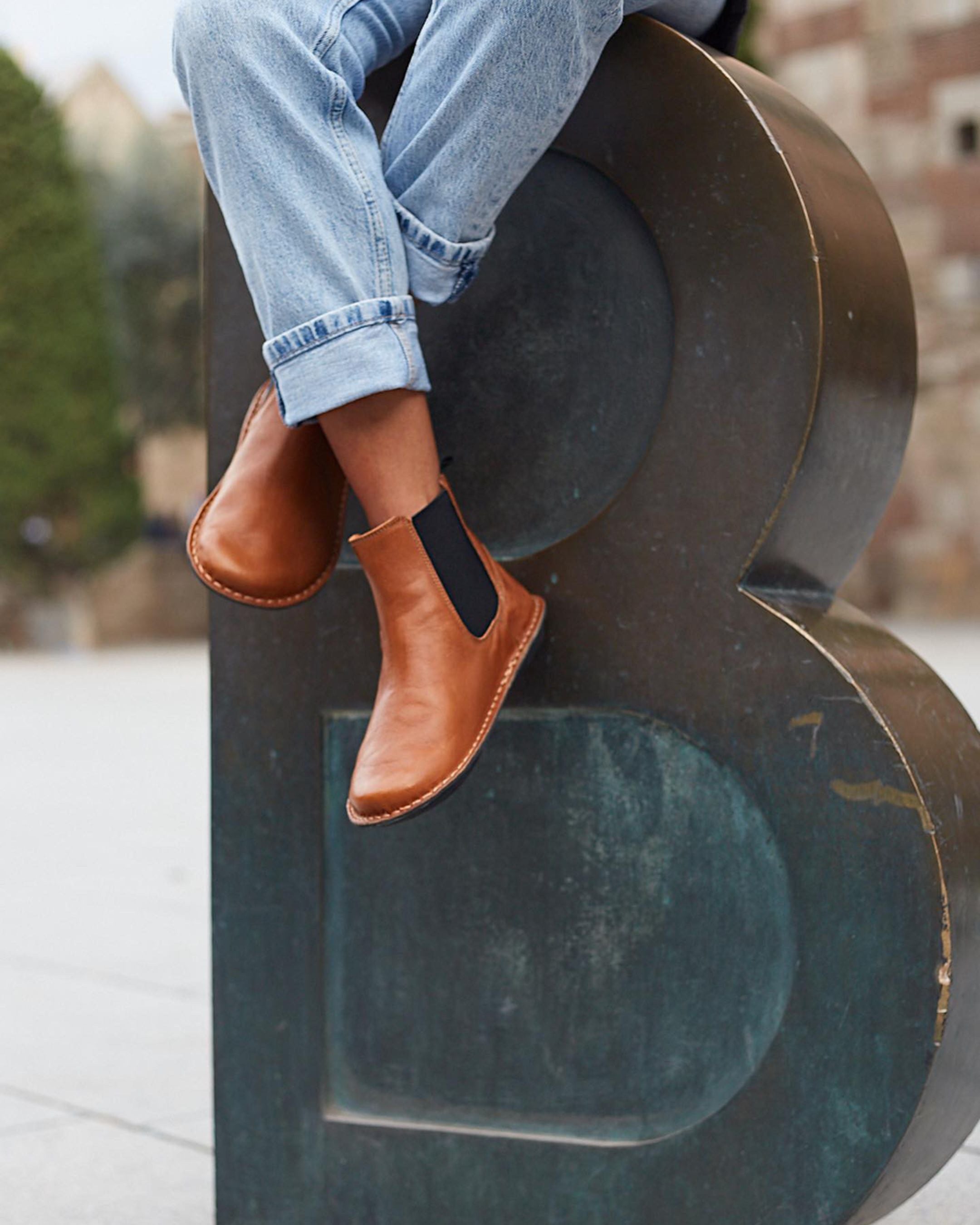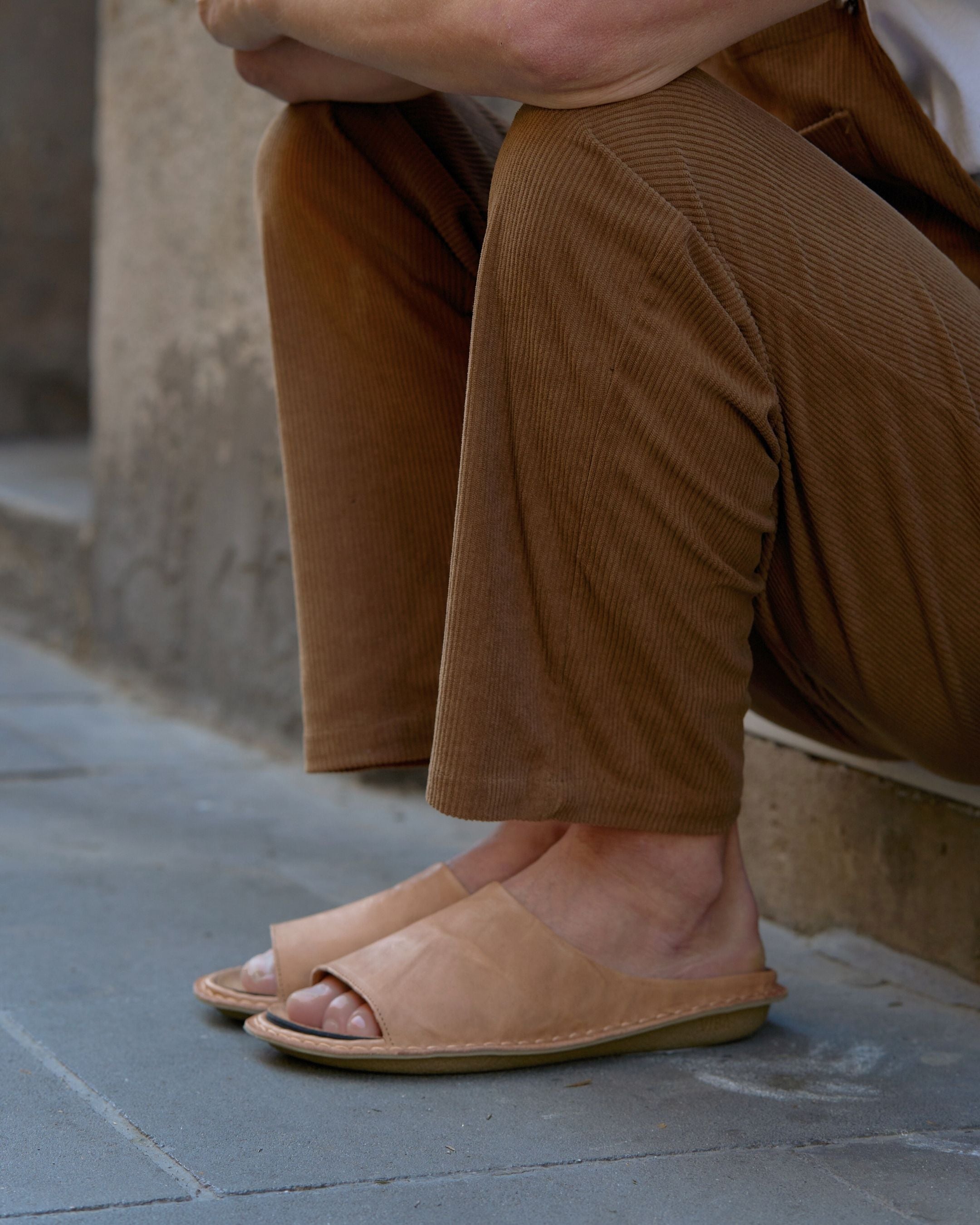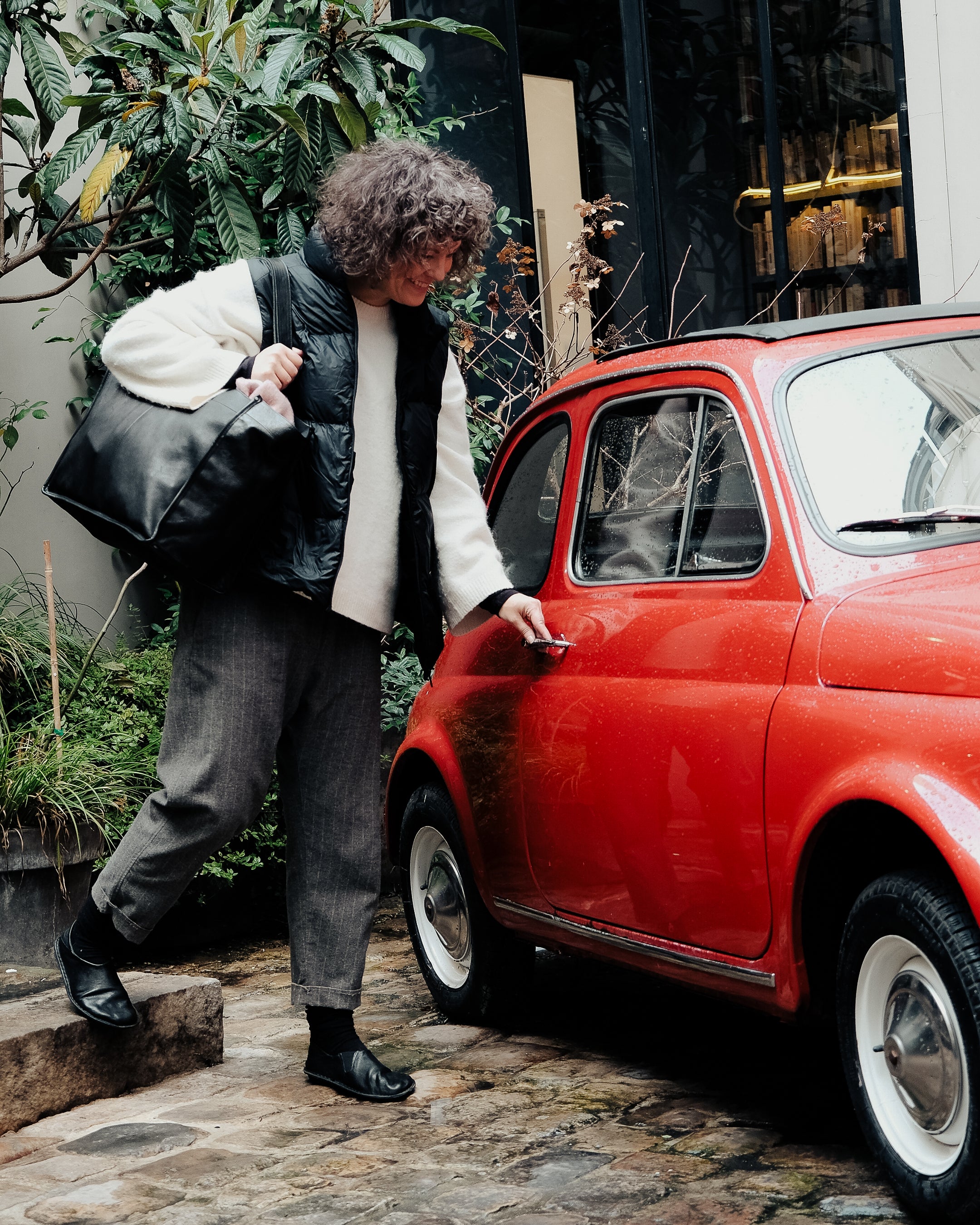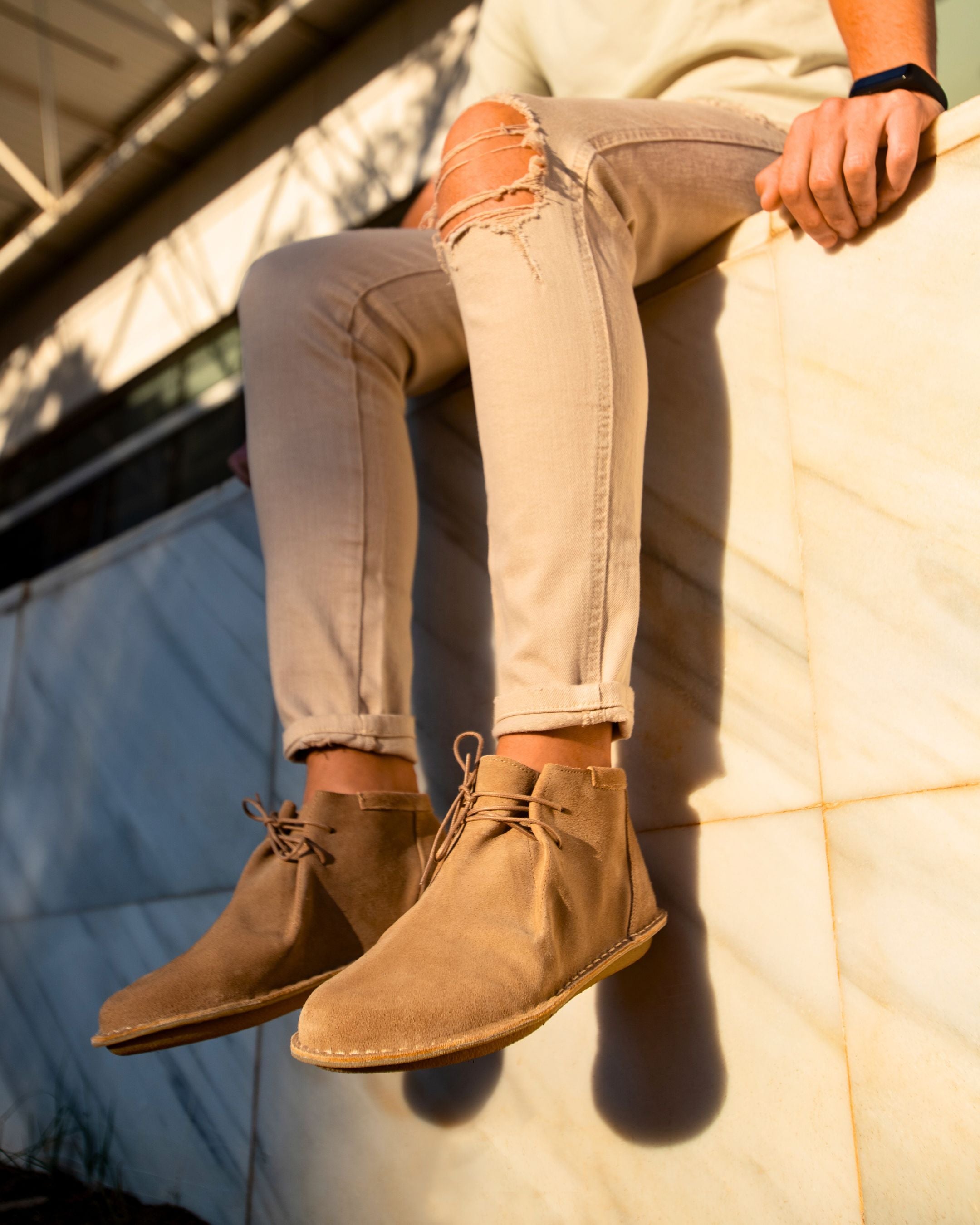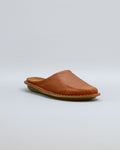
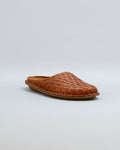
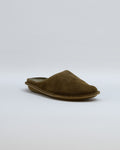

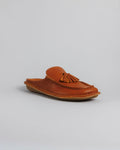
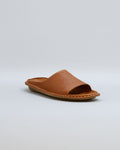

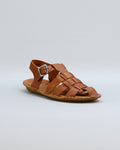
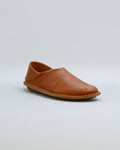

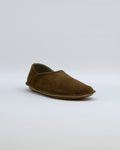
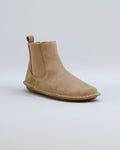
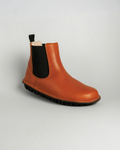
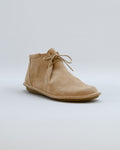

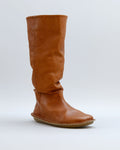
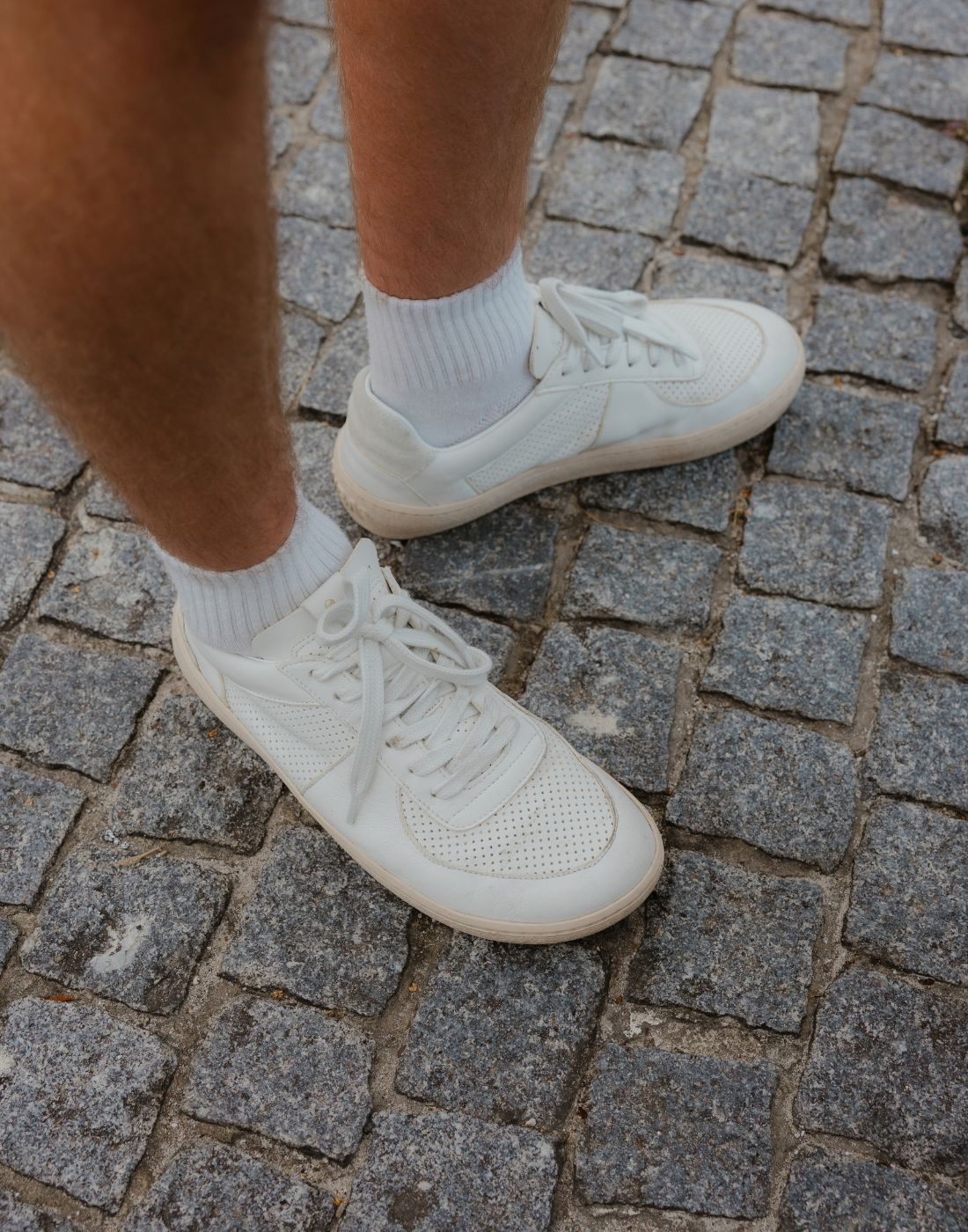
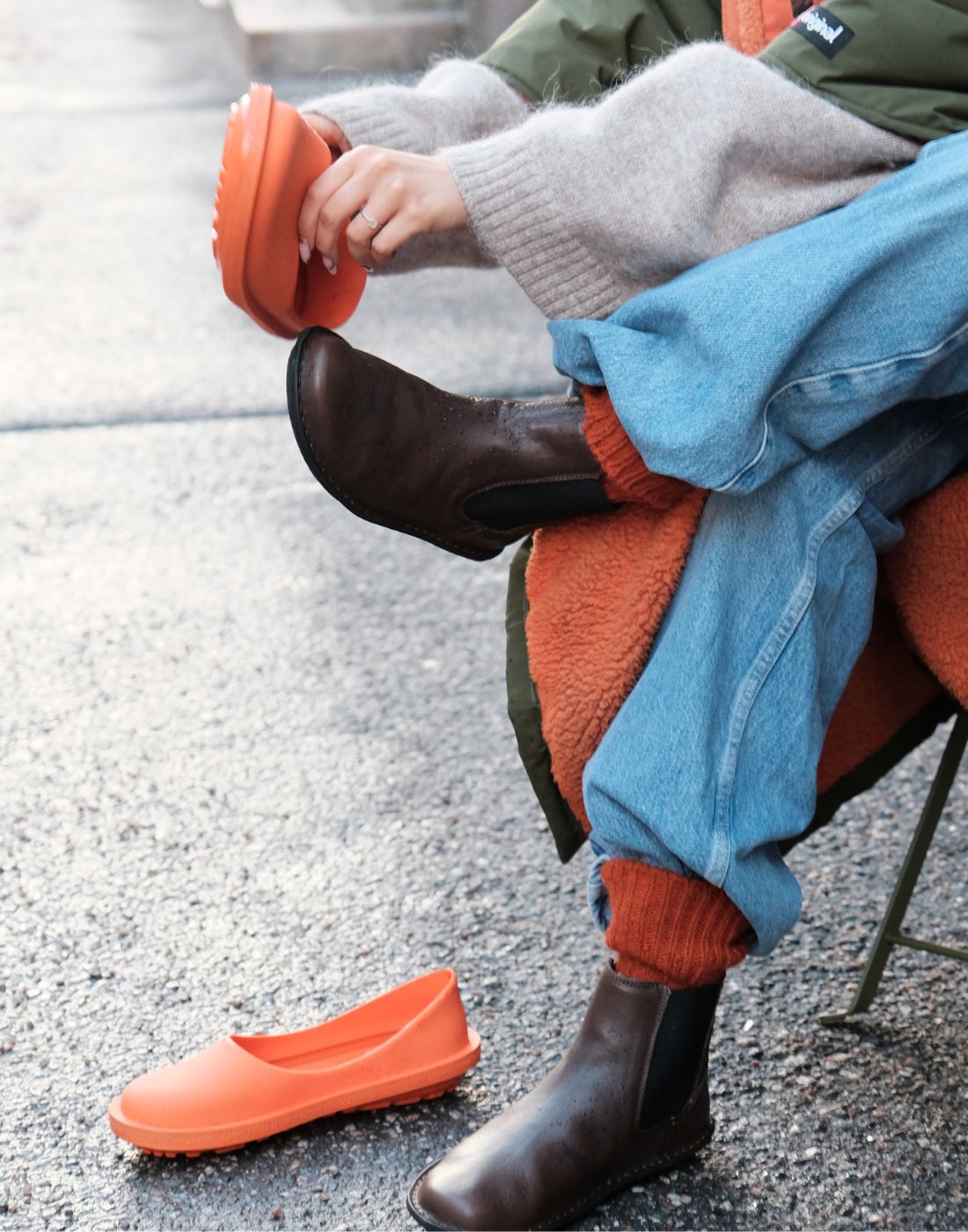
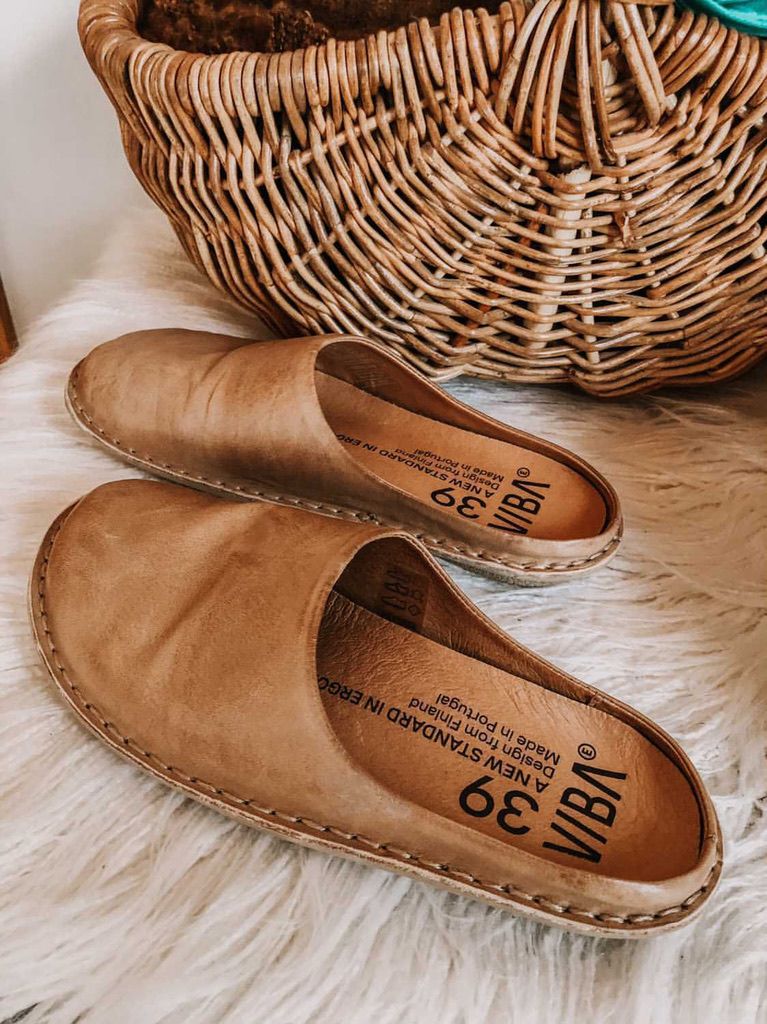
The vegetable tanned leather vs chrome tanned question comes down to the tanning agent: bark, wood, fruit and leaves versus chromium salts. Veg-tan takes longer to make, ages into a patina and costs more. Chrome-tan is faster, softer from day one and usually cheaper.
Vegetable-tanned leather vs chrome-tanned: the short answer
Vegetable tanned leather vs chrome tanned comes down to chemistry and time. Veg-tan uses natural tannins from bark, wood, fruit and leaves, and develops a patina as you wear it. Chrome-tan uses chromium salts, is far quicker to produce, softer on day one and usually cheaper.
That makes the choice less about which leather is "better" and more about which one matches how you live. Veg-tan suits you if you keep shoes for years, like a hide that records where you've been, and will actually put cream on them now and then. Chrome-tan suits you if you want softness immediately, near-zero maintenance and the lowest price on the shelf.
VIBAe uses vegetable-tanned leather rather than chrome-tanned leather across our leather uppers, so we're clearly not neutral. We'd still rather you heard both sides properly. A shoe you resent caring for is a shoe you stop wearing, and the best pair is the one that stays on your feet for years. Everything below is that same conversation, trade-offs included.

Quick comparison at a glance
Here's the whole veg tan vs chrome tan question on one screen. Read it as a set of tendencies, not a scorecard: no single row settles the argument, and a well-run chrome tannery will beat a careless vegetable one on almost every measure that matters. The row that matters most is whichever matches your intention. If you plan to keep the shoes for a season, price and day-one softness decide it. If you plan to keep them for years, ageing, repairability and care effort decide it instead.
| Criterion | Vegetable-tanned leather | Chrome-tanned leather |
|---|---|---|
| Process and production time | Slow, batch-based, typically measured in weeks; tannins drawn from bark, wood, fruit and leaves | Fast drum tanning with chromium salts; built for volume and consistency |
| Environmental impact | Plant tannins rather than metal salts; still uses water and energy | Metal-salt effluent and worker-safety questions; depends heavily on how the tannery is run |
| Patina and ageing | Darkens and deepens with sunlight, oils and wear; each pair diverges | Colour stays close to how it left the factory |
| Durability | Firm hide that moulds to the foot; construction and care decide the outcome | Supple and forgiving from the start; construction and care decide the outcome |
| Cost | Higher, reflecting slower processing and hide selection | Lower, and far more widely available |
| Smell | Warm, woody, distinctly leathery | Fainter and more chemical, often masked by finishes |
| Care | Wants conditioning, protective cream and care in heavy rain | More water-resistant; tolerates neglect better |
How do leather tanning methods actually work?
Tanning turns a raw hide into a material that lasts years instead of rotting. Untreated skin stiffens, decays and attracts every bacterium going. Tanning permanently changes the protein structure of the hide so it stays flexible, resists water and survives being walked on. The two dominant leather tanning methods do the same job with completely different inputs and timescales.
Vegetable tanning: pits, tannins and time
The vegetable tanning process uses natural tannins from bark, wood, fruit and leaves — the same compounds that make strong tea astringent. Hides move through baths of increasing tannin strength, and the tannins bond gradually through the full thickness of the hide. It's a batch process, tended by people who read the leather rather than a timer, and it typically runs over weeks rather than hours. That slowness is most of the reason veg-tan costs more: the tannery has capital tied up in hides that aren't finished yet.
Chrome tanning: chromium salts and speed
The chrome tanning process tumbles hides in rotating drums with chromium salts. Leather comes out soft, pale blue before dyeing, and ready to finish in a fraction of the time. The industry adopted it for good reasons: speed, immediate suppleness, colour consistency across huge batches, and the ability to supply footwear at volume. If you own shoes that felt comfortable on the first morning and look exactly the same three years later, they're probably chrome-tanned.
Why the method is decided before the shoe is designed
The tannery choice sets the character of the finished shoe before a pattern is cut. It determines how the upper breaks in, how it moulds around your foot, how it reacts to rain, and whether it looks better or merely older at year three. Designers work with what the tannery hands them. If you want the longer material story behind the choice, our journal piece on What is vegetable-tanned leather? goes deeper into the hide itself.

Vegetable-tanned leather: strengths and honest trade-offs
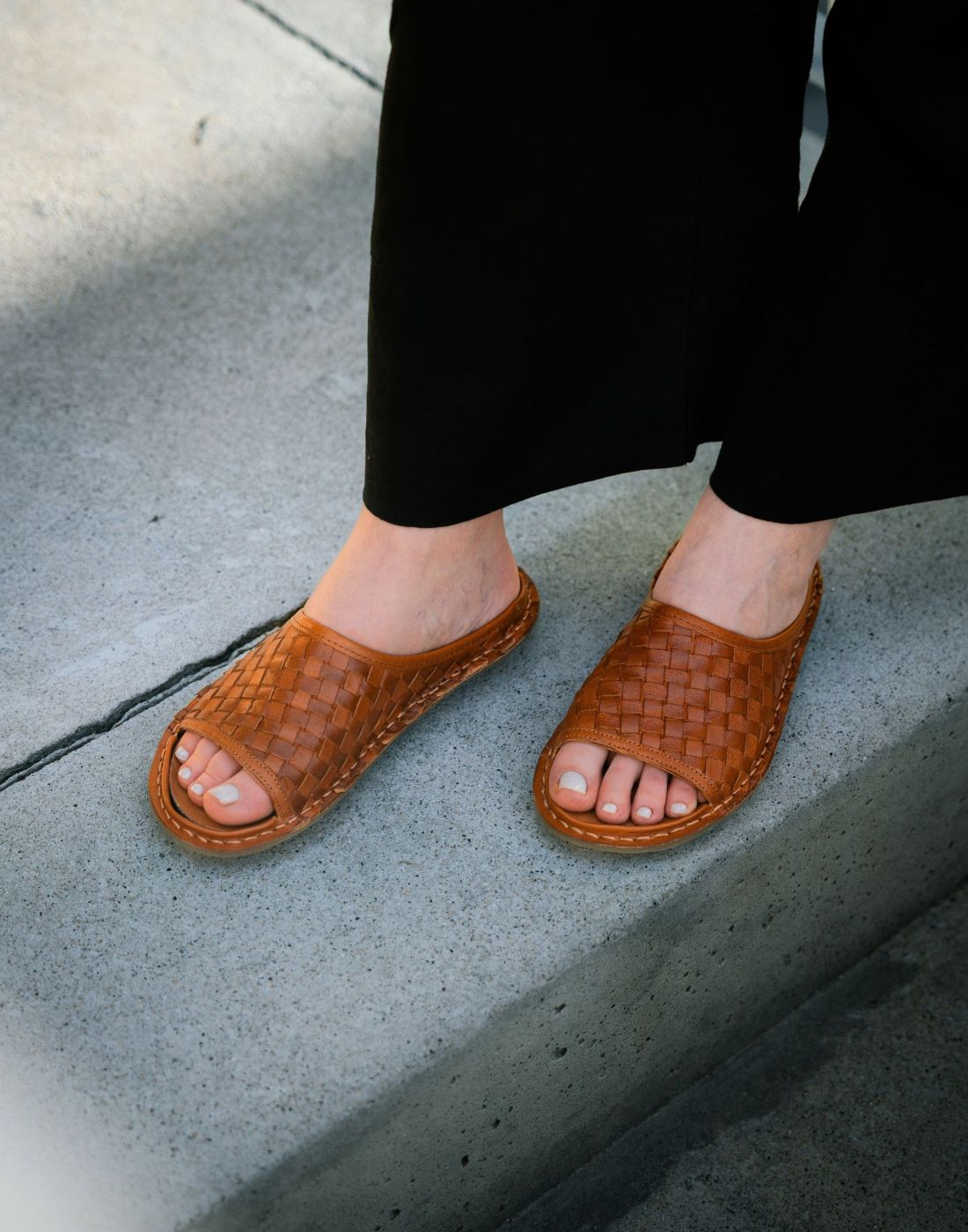
What veg-tan gives you is a hide that improves as you wear it. It breathes well, which matters when you're in the same pair from morning meetings to evening errands. It moulds to the shape of your foot over the first few weeks and will gently stretch where needed, so the fit becomes yours rather than generic. The colour deepens. Creases settle where your foot actually flexes, not where a factory pressed them.
What it asks of you is real, and we'd rather name it. It needs conditioning, not constantly, but more than never. It doesn't love being soaked and then dried fast against a radiator. The break-in is firmer than a chrome-tanned shoe — the hide starts with more backbone and gives it up slowly. It costs more. And the colour will shift with sunlight and wear, which means a pair worn on a Mediterranean holiday won't match a pair kept for the office.
Skip veg-tan if you want a shoe that looks identical in year five, if you can't or won't spend a few minutes on care every couple of months, or if your daily walk is through persistent rain with no chance to dry properly between wears. That's not a failing on your part. It's a mismatch, and mismatched shoes get abandoned.
Explore Our Materials — vegetable-tanned leather, no nasty shortcuts. See what goes into every pair.
Chrome-tanned leather: strengths and honest trade-offs
Chrome-tan earns its dominance honestly. It's soft from the first wear, with no break-in period to endure. It handles water better, so a sudden downpour is an inconvenience rather than an event. Colours are stable and consistent, which is why bright and unusual shades are easier to find. It's cheaper, and it's available almost everywhere, in almost every construction.
For a lot of lives that's the right set of priorities. A parent doing school runs in a wet climate, someone who cycles to work in all weathers, or anyone who simply doesn't want another maintenance task is well served by chrome-tanned leather. We're not going to pretend otherwise.
The trade-offs sit in two places. Aesthetically, chrome-tan tends to look the same at year five as at year one, and then it looks worn rather than better. There's no reward for the years you put in. Chemically, chromium salts bring tannery effluent and worker-safety questions, and how serious those questions are depends almost entirely on how well the individual tannery is run, regulated and audited. A modern, well-managed chrome tannery with closed-loop water treatment is a very different operation from a poorly regulated one. The problem is that from the shoebox, you usually can't tell which you're holding.
Criterion by criterion: where each method wins
Process and production time
Winner: chrome-tanned. No contest. Drum tanning with chromium salts finishes hides in a fraction of the time the pit-and-tannin route takes, and it does so with repeatable results batch after batch. If your priority is getting leather made quickly, consistently and at scale, chrome is the method built for that job. Veg-tan's timescale is a cost, not a feature.
Environmental impact and tannery chemistry
Winner: vegetable-tanned, with caveats. Replacing metal salts with natural tannins from bark, wood, fruit and leaves removes chromium from the effluent question entirely. That's the clearest point in veg-tan's favour when you weigh leather tannery environmental impact. It doesn't make the process weightless: tanning of any kind uses water, energy and time.
The other half of the answer is provenance. VIBAe's leather comes from LWG-audited tanneries and is made from food-industry by-products — Leather Working Group is the industry body that audits tanneries on their environmental management. Our outsoles are natural rubber, tapped from trees without cutting them down. Those are named practices, not adjectives. We're not perfect, but honest about where we are.
Patina and ageing
Winner: vegetable-tanned. This is the criterion veg-tan exists for. Leather patina over time comes from oils, light and friction working into a hide that was never sealed against them. Edges darken, high points burnish, the colour warms. Chrome-tan holds its original shade, which is exactly what some people want and precisely what others find dull. If you like the idea that your shoes will look different from an identical pair bought the same day, veg-tan is the only answer.
Durability and repairability
Winner: a draw on the hide, veg-tan on the repair path. An honest leather durability comparison has to admit that construction, care and how hard you walk matter more than the tanning method. Both leathers can last years. Both can be ruined in a season.
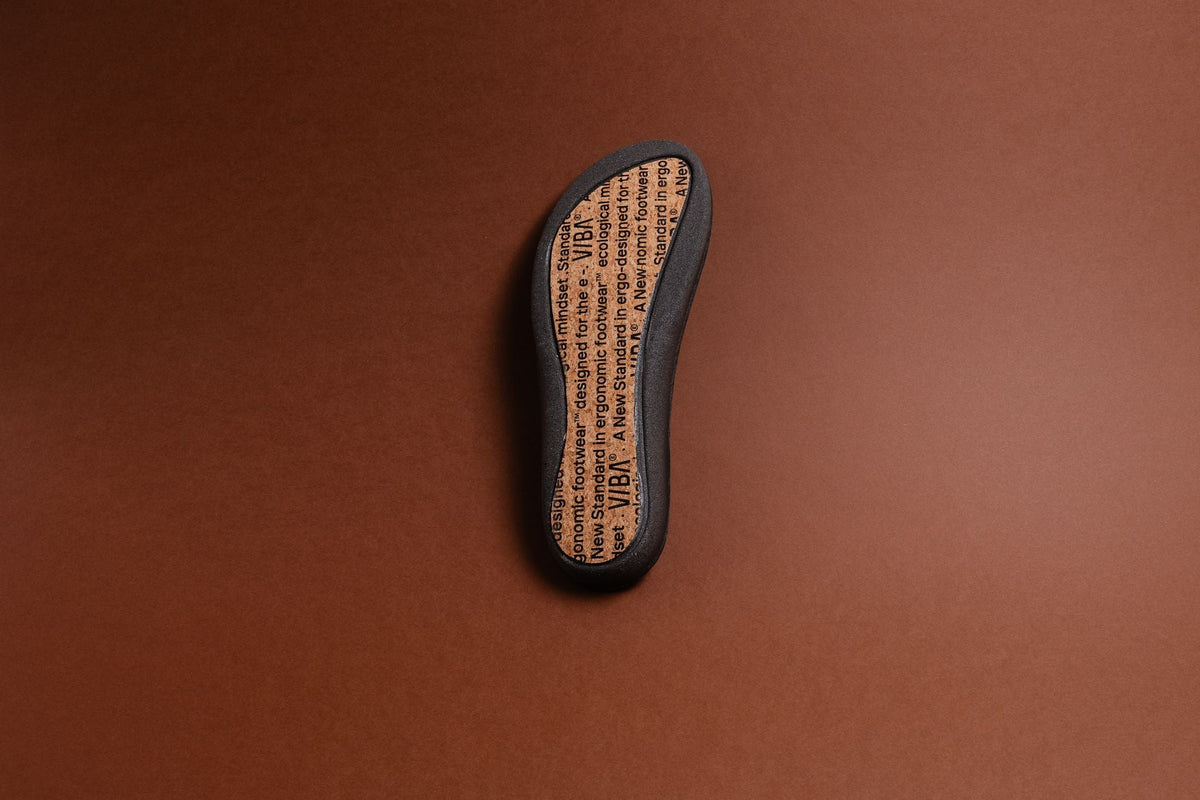
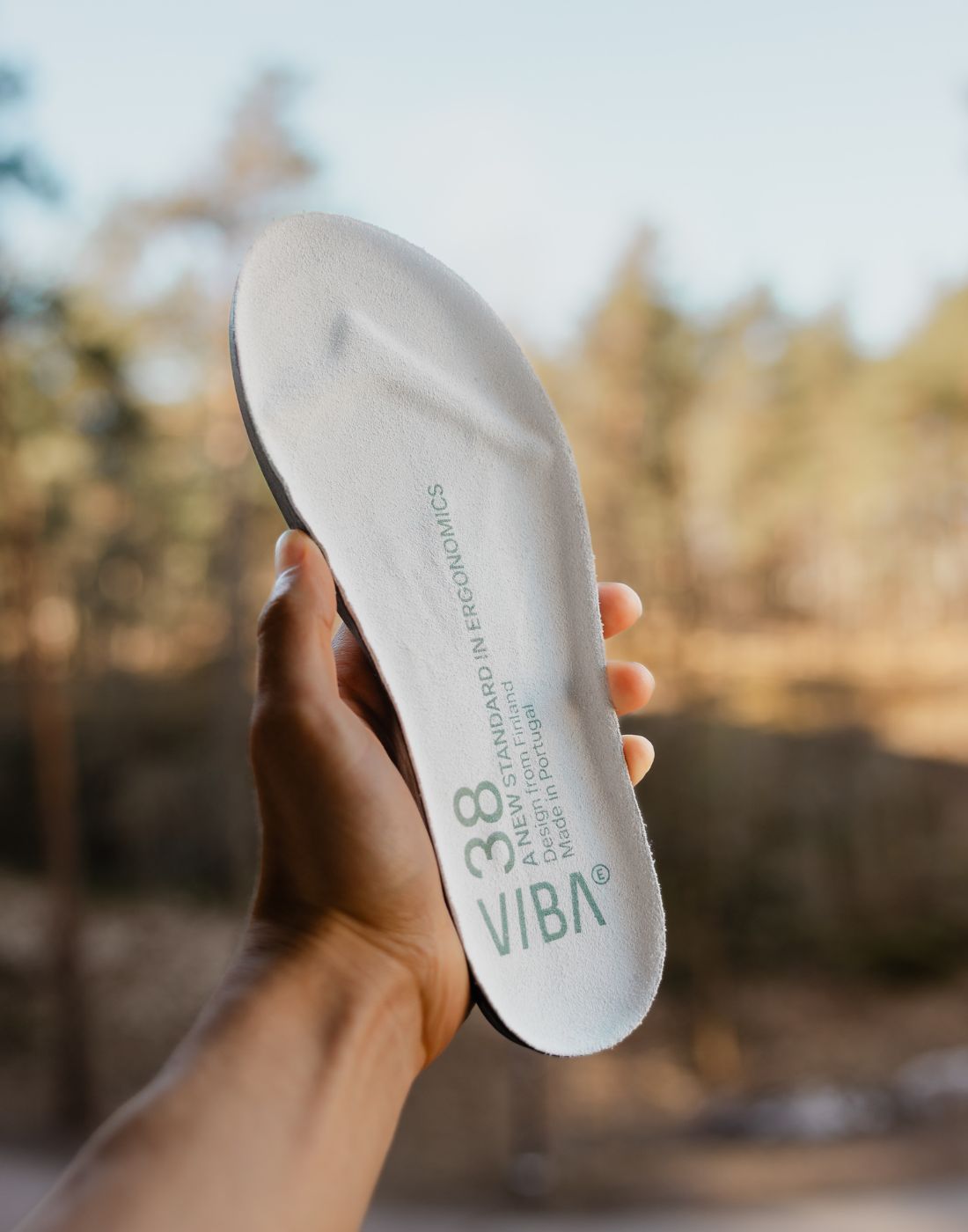
Repairability is where the difference shows up. Every VIBAe pair has a Carbon Step™ footbed, built to the 11/14/7 formula: 11 mm of cushioning at the heel, 14 mm of support at the arch, 7 mm at the front. Footbeds usually wear out before uppers do. On most styles it's removable, so you swap in a new Carbon Step™ (from £45 at the time of writing) rather than replacing the whole shoe; CAPRI and AMALFI have a stitched-in footbed and PORTO's is fixed.
Cost and value over years of wear
Winner: chrome-tan upfront, veg-tan over time — if you keep the shoes. Chrome-tanned footwear is cheaper to buy, and that's a genuine advantage, not a consolation prize. Veg-tan costs more because the hides sit in the tannery longer and are usually selected more carefully.
The value case only works if you actually keep and care for the pair. Bought and forgotten in a cupboard, an expensive shoe is just an expensive shoe. For context, our ROMA leather sits at £150 and HELSINKI at £210, though prices and availability change — check the store for current details.
Smell and feel
Split: veg-tan wins on smell, chrome-tan on day-one feel. Vegetable-tanned leather has that warm, woody, unmistakable leather smell, straight from the plant tannins. Chrome-tan smells fainter and more chemical, and finishes often cover it. Under the hand, though, chrome-tan is softer from the first minute, while veg-tan starts firm and earns its softness over weeks of wear.
Care and maintenance
Winner: chrome-tanned. It tolerates neglect better, full stop. Veg-tan asks for a rhythm of leather care and conditioning, and the honest answer is that the rhythm is short but not optional.
- Brush or wipe off dust and grit before it works into the creases.
- Work in a protective cream every few weeks, or whenever the leather looks thirsty — ours comes in black and brown at £15.
- If they get wet, let them dry slowly at room temperature, away from radiators and direct heat, then condition once dry.
Our leather care products cover the conditioning step, and what goes into our leather is explained on the Our materials page.
Read Care Instructions — a little care goes a long way, with simple tips for long-lasting leather.
Vegetable-tanned leather vs chrome-tanned: which should you choose?
Choose vegetable-tanned leather if you intend to keep the shoes for years, you like the idea of a hide that records your wear, and you'll realistically pick up a cloth and some cream a few times a year. Choose chrome-tanned if you want zero maintenance, you're outdoors in wet weather constantly, or the lowest price is the deciding factor. Both are defensible. Only one of them rewards patience.
One caveat worth repeating: lifespan depends more on care and construction than on the tanning method alone. A well-made chrome-tanned shoe that's cleaned and resoled will outlive a neglected veg-tan one every time.
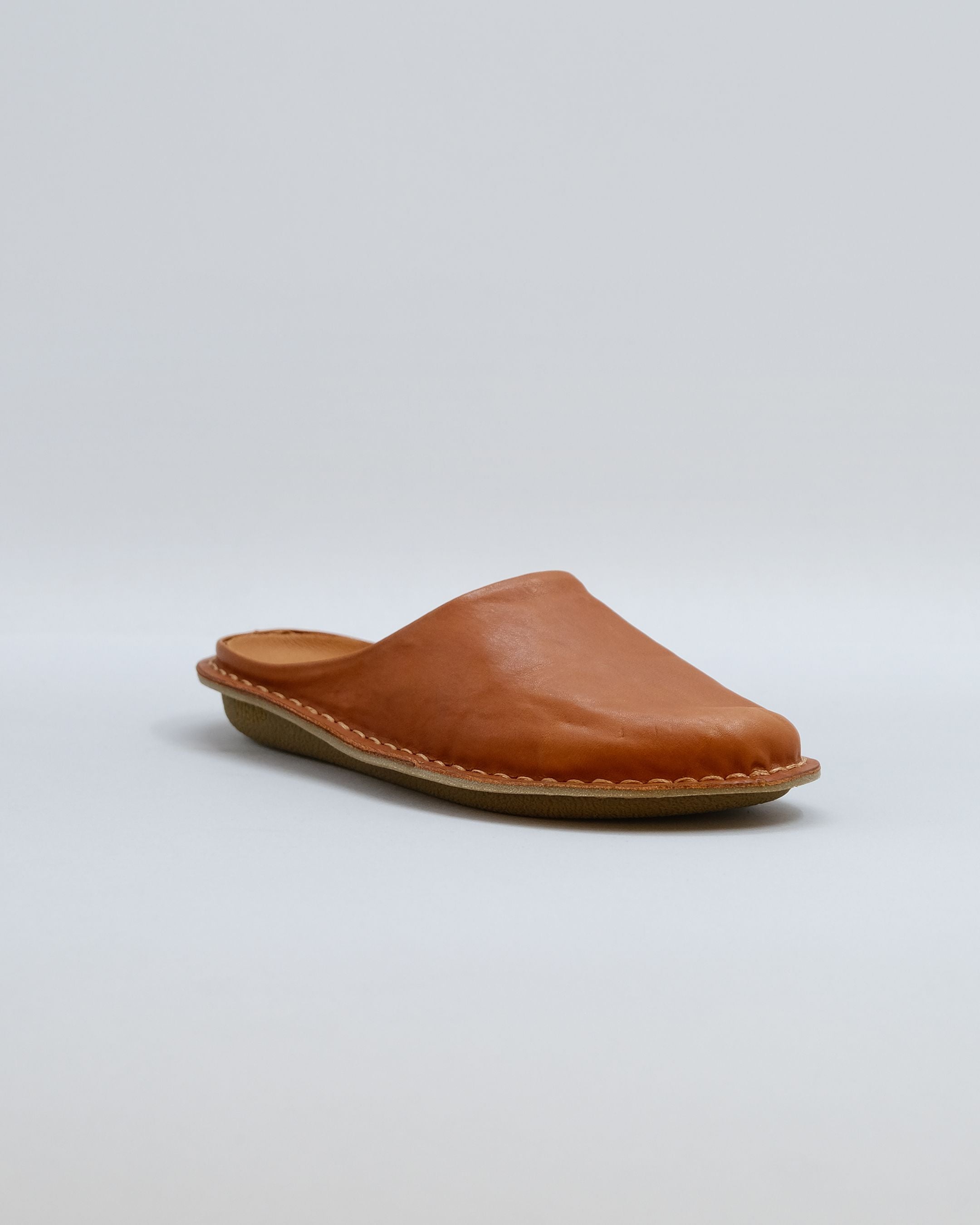
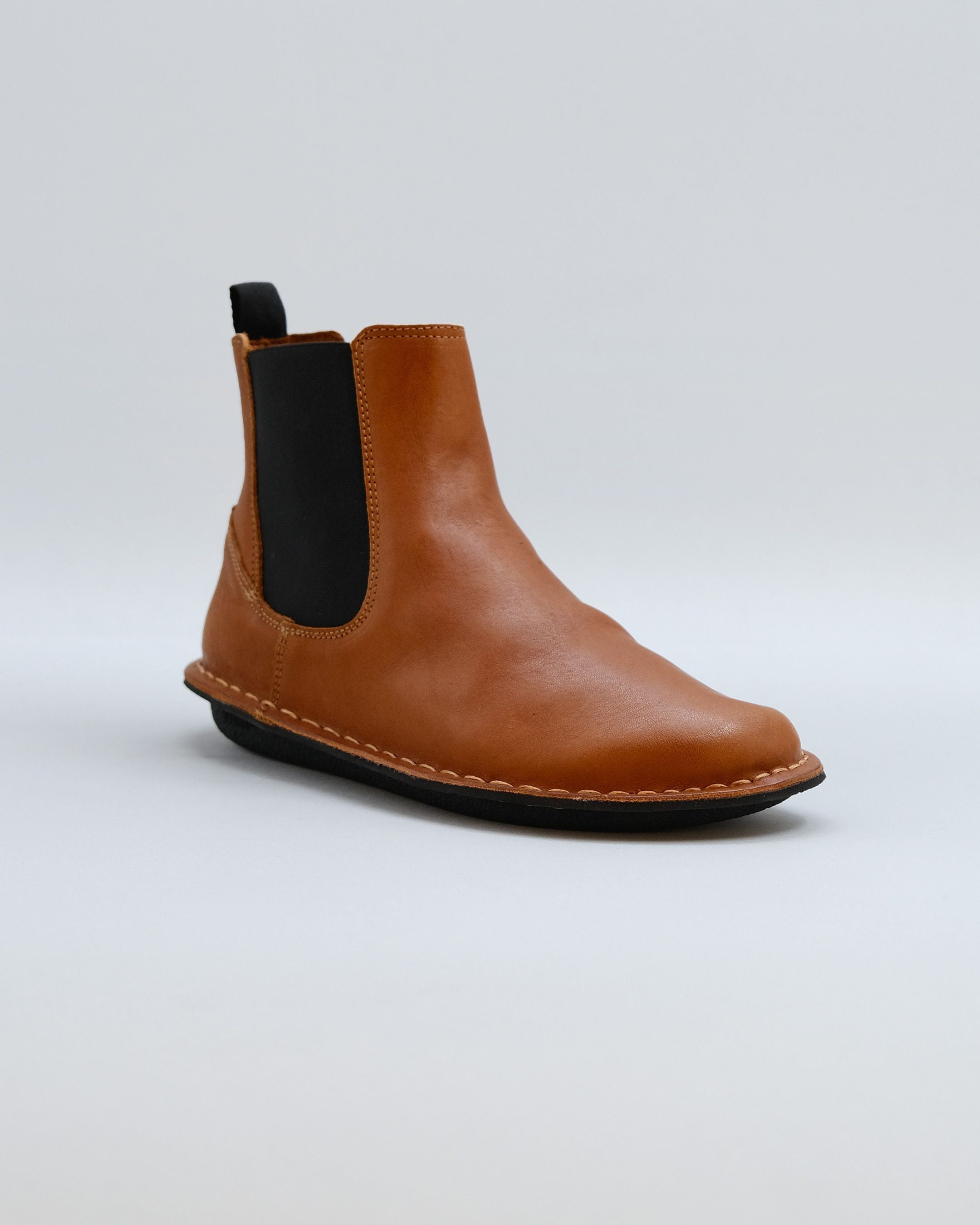
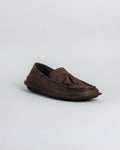
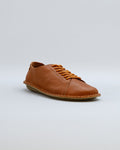
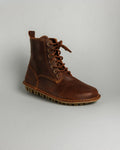
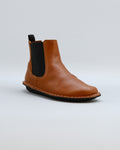
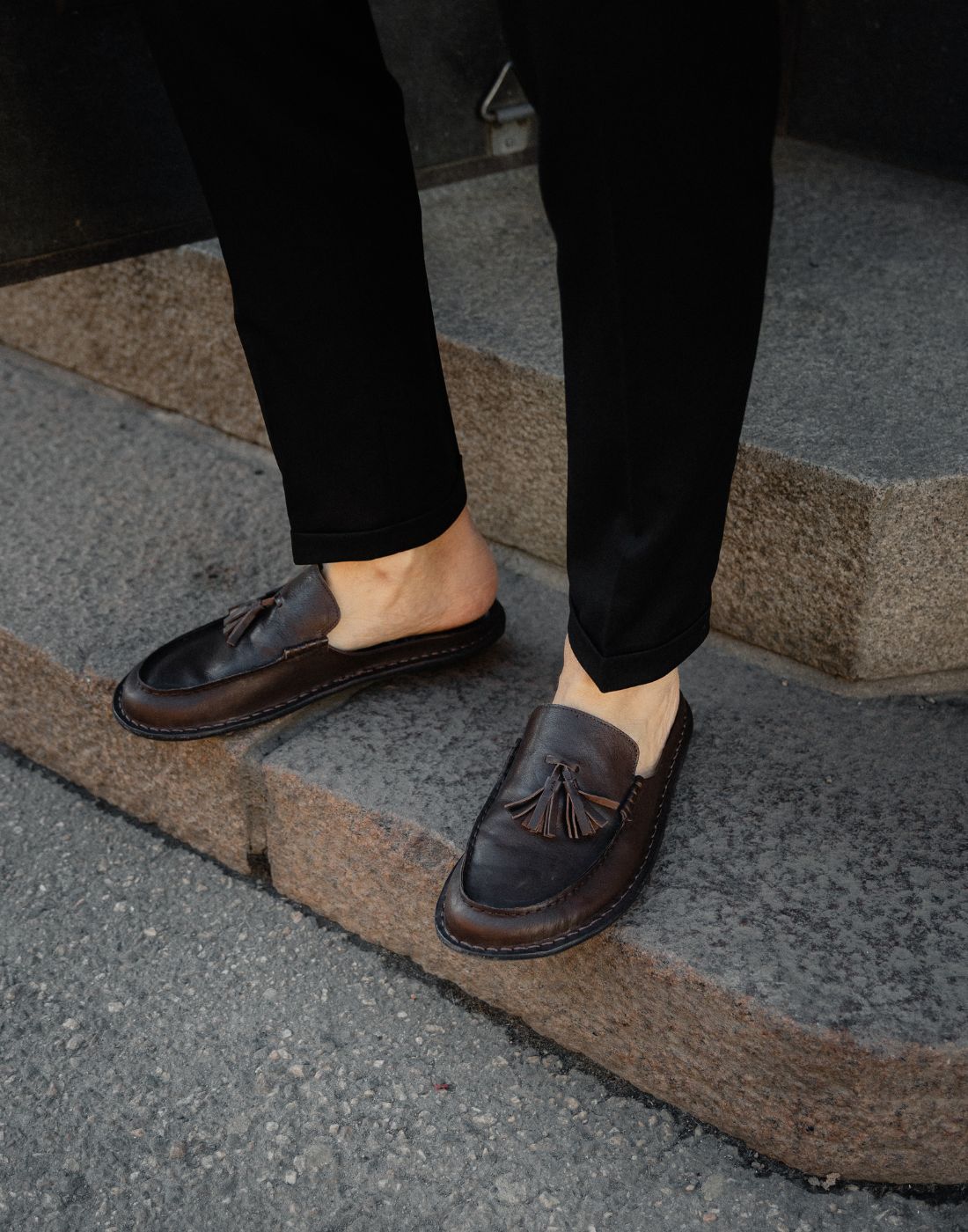
What we can tell you is what sits inside our own pairs. VIBAe's leather uppers are vegetable-tanned with natural tannins, paired with natural rubber outsoles, and made largely by hand at our family-run factory outside Porto, where the shoemaking family and around a hundred other artisans do the work. That's our idea of slow fashion leather footwear: one collection, unisex, EU sizes 35 to 48, designed to still look right when this season's shapes have moved on. See how to judge a brand's leather claims.
If you're ready to buy vegetable tanned leather shoes and want somewhere to start, the ROMA collection is where our bestselling ROMA lives.
Frequently asked questions
Is vegetable-tanned leather better than chrome-tanned leather?
Neither is universally better. Vegetable-tanned leather uses natural tannins from bark, wood, fruit and leaves, breathes well and develops a patina; chrome-tanned leather uses chromium salts, is softer immediately, more water-resistant and cheaper. Veg tan vs chrome tan is a question about your priorities: ageing character and plant-based tannery chemistry, or day-one softness and minimal upkeep.
How can you tell veg-tan from chrome-tan leather?
Here's how to tell veg tan leather in practice, without a lab. Veg-tan has a warm, woody smell rather than a faint chemical one, feels firmer when new, and shows a cut edge in a natural tan tone. Chrome-tan is supple straight away and its cut edge often shows a pale blue-grey core. The surest test is the brand's own materials information.
Does vegetable-tanned leather stretch or soften with wear?
Does leather stretch with wear? Yes. Vegetable-tanned leather softens over the first weeks and will gently stretch where needed, moulding around the shape of your foot so the fit becomes yours. VIBAe doesn't make half sizes, so if you're between sizes, prefer thicker socks or like a looser feel, go one size up.
Is vegetable-tanned leather waterproof, and how should you care for it in the rain?
No, vegetable-tanned leather isn't waterproof, and we won't pretend otherwise. A protective cream helps it shed light rain. If the leather does get soaked, blot the surface, let it dry slowly at room temperature away from radiators and direct heat, then condition it once it's fully dry. Heavy daily rain is the one situation where chrome-tan genuinely has the advantage.
Which VIBAe shoes use vegetable-tanned leather?
All VIBAe leather uppers are vegetable-tanned rather than chrome-tanned, across collections including ROMA, HELSINKI, SAINT TROPEZ, LISBOA, PORTO, CAPRI, AMALFI, WOODSTOCK and ZUMA Leather. Every pair also has a Carbon Step™ footbed, removable in most styles and stitched in on sandals such as AMALFI and CAPRI, and a natural rubber outsole. Ranges, colours and prices change, so check the store for what's currently available.
Check the Size Chart — get the right fit first time, and go one size up if you're between sizes.