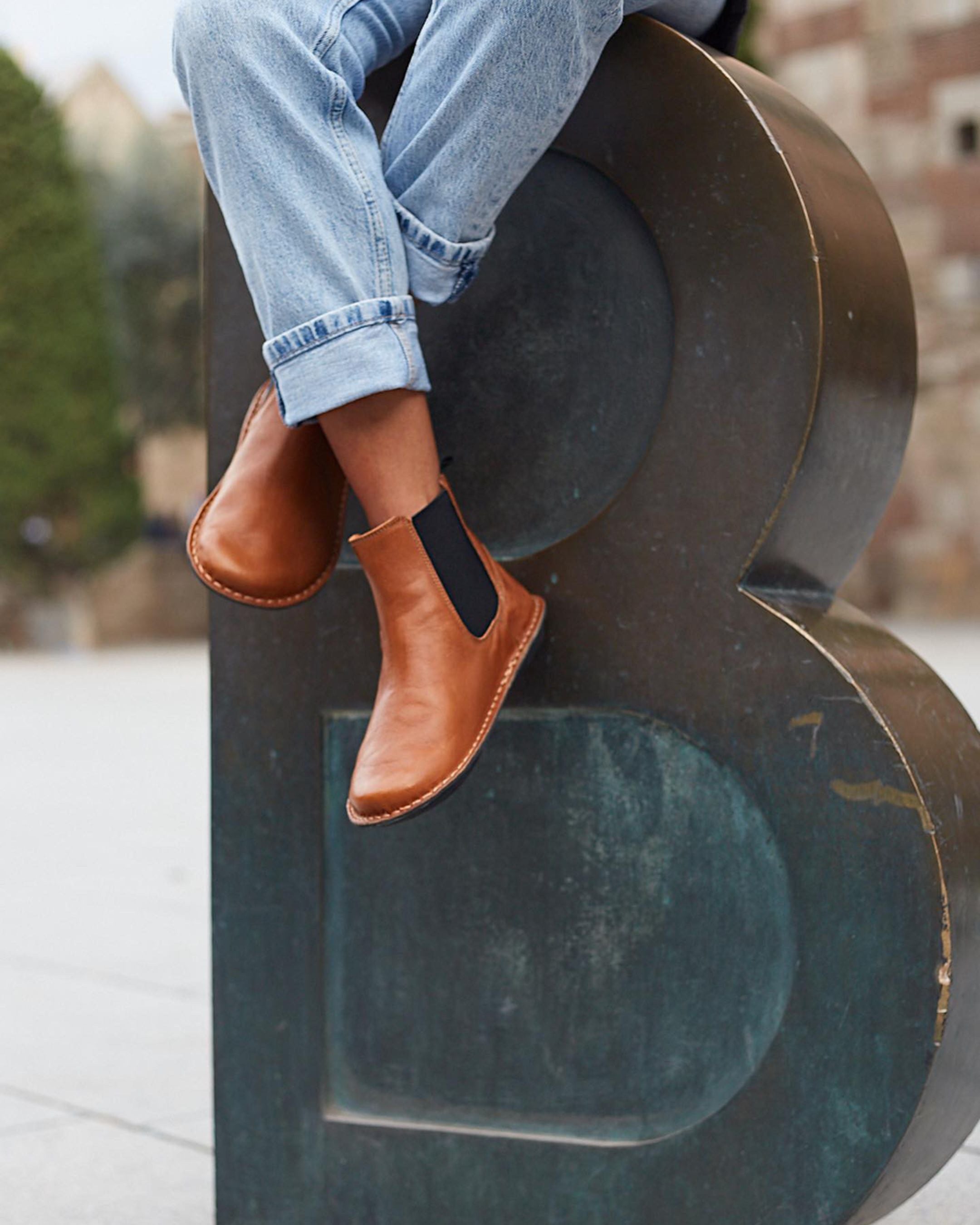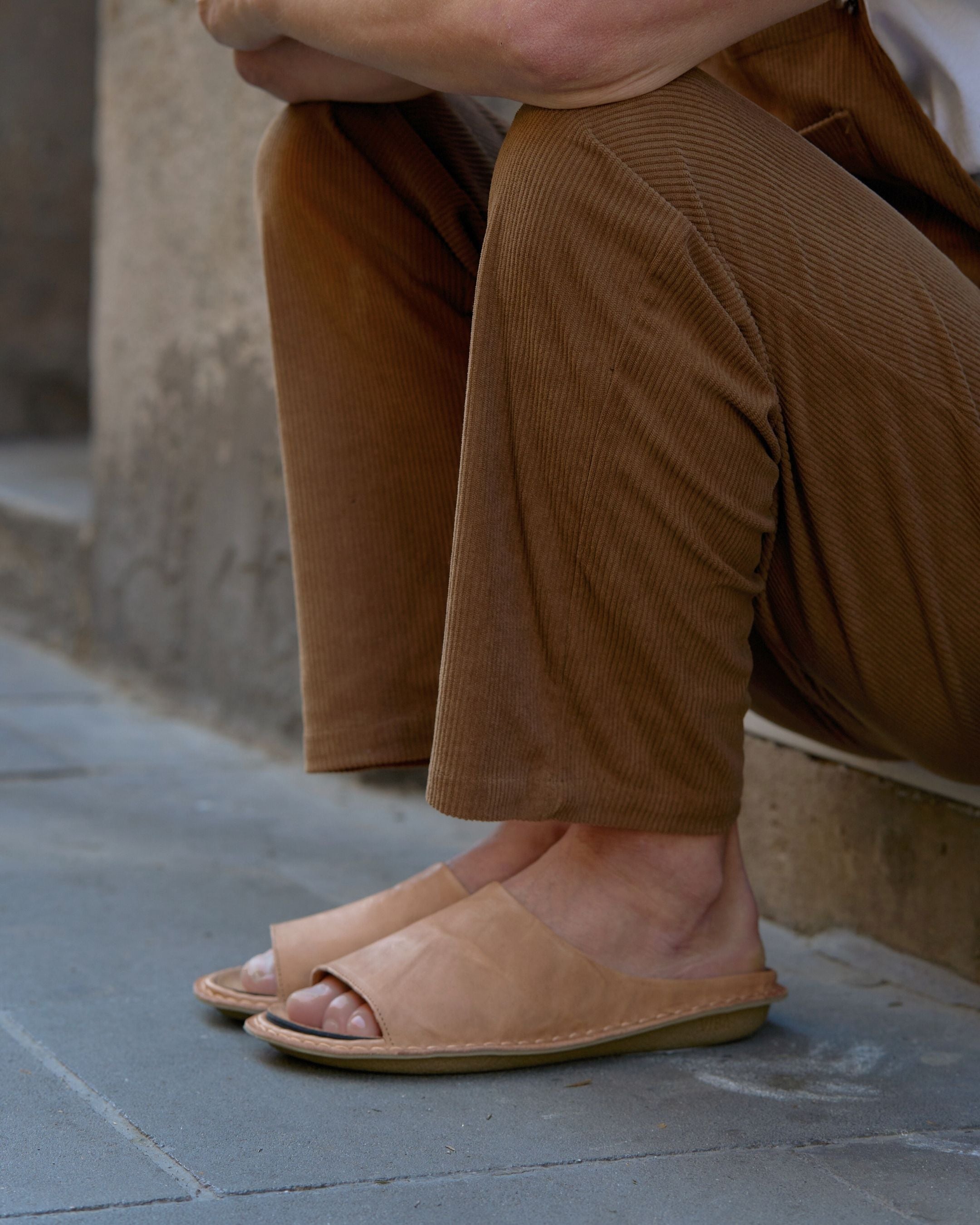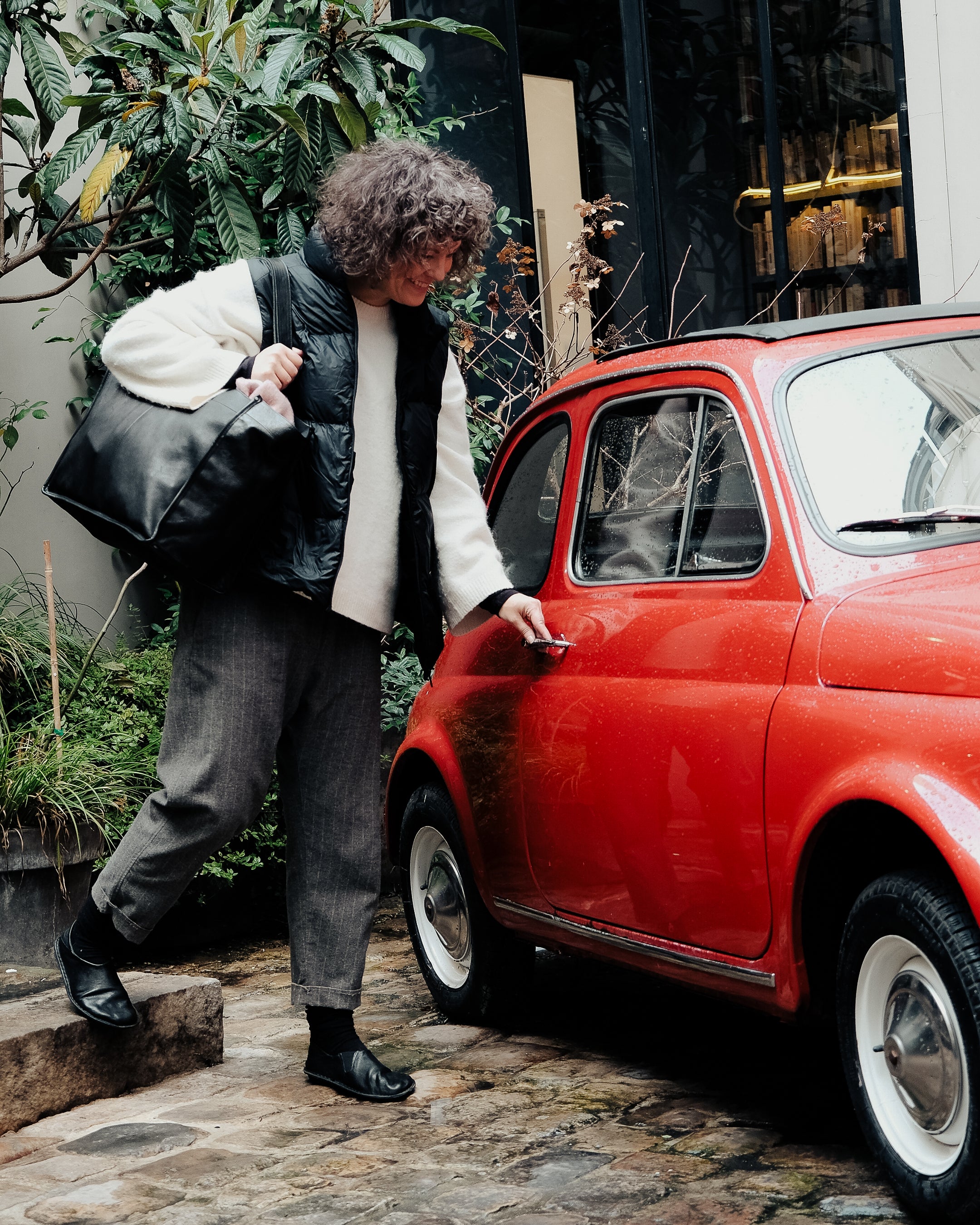
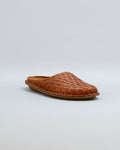
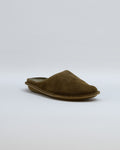

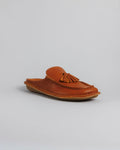
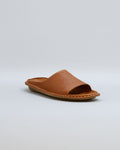

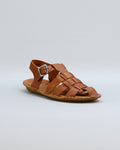
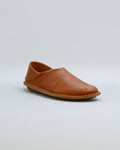
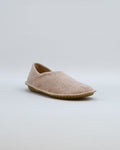
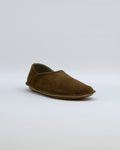


Cork insoles are natural insoles pressed from cork granules that soften with body heat and gradually take the shape of the wearer's foot. Cork breathes and handles moisture better than sealed foam, resists odour, and keeps its shape longer, so support lasts through more wear.
Cork insoles are footbeds made from the bark of the cork oak, a closed-cell material full of tiny air pockets that cushion underfoot, move moisture away and gradually take on the shape of your foot. They start firmer than foam and soften into you over weeks of wear, not hours. A quick note before you read on: VIBAe doesn't sell a standalone cork insole — what we build is the Carbon Step™ footbed, an open-cell polyurethane footbed with a cork shank inside it, and that distinction matters if you're shopping to buy.
What cork insoles are, and why people swap
Three things tend to register after a swap. Underfoot feels warmer, because cork doesn't pull heat out of your foot the way a cold gel pad does. Feet feel drier through a long day, because the material handles moisture rather than sealing it against your skin. And after a couple of weeks the footbed stops feeling generic — the shallow dips under your heel and arch are yours, not a factory average.
None of that is a health claim. A cork footbed is a comfort and materials story: roomy, breathable, and built to be taken out and replaced. If you're dealing with persistent foot pain, that's a conversation for a health professional, not a footbed.

How cork works underfoot
The outcome first: support that stops being one-size-fits-nobody. Instead of a pad that squashes flat and stays flat, cork gives you a surface that compresses under load, springs back, and slowly settles into the particular geography of your foot.
The mechanism is in the bark. Cork is made of millions of small, sealed cells filled with air. Press down and the air compresses; lift off and the cells recover. That's why cork cushions without the sinking, squashy feeling of soft foam, and why a cork layer keeps working rather than bottoming out after a season of commuting.
Body heat and repeated pressure do the second job. Over weeks of ordinary wear, the material under your heel and arch takes a shallow set. Insoles that mould to your feet aren't magic; they're just a material patient enough to record where the load goes, day after day. That's also why the wear-in matters: one afternoon won't do it, and rushing it with heat will only damage the cork.
Moisture handling is the quiet win. Cork moves damp away from the surface instead of trapping it, which is why breathable insoles built around cork usually smell better at the end of a hard week than a sealed foam pad does. Odour control insoles work best when they can dry out between wears, so airing them overnight does more than any spray.

Cork vs foam vs gel: what does each material actually do?
Short version: foam feels softest on day one and gives up fastest, gel spreads impact but adds weight and holds heat, and cork starts firmer then adapts to you and stays supportive for longer. If you want maximum plush the moment you step in, cork isn't your material. If you want a footbed that earns its place over months, it is.
The cork vs foam insoles question usually comes down to patience. Foam rewards you immediately and then compresses under the same pressure points until it's flat. Gel insoles do something different again — they disperse shock well on hard floors, which suits standing shifts on concrete, but the weight is noticeable and warm feet stay warm.
| Material | Feel underfoot | Moulds to the foot | Breathability and moisture | Lifespan and care |
|---|---|---|---|---|
| Cork | Firm at first, then yielding | Yes, slowly, with heat and pressure | High; moves moisture away | Long with airing; dislikes soaking and direct heat |
| Foam | Soft immediately | Minimal; compresses rather than shapes | Low to moderate; can hold damp | Short; compresses flat, then replace |
| Gel | Springy, heavier | No; returns to its own shape | Low; tends to trap heat | Moderate; wipe clean, no shaping |
Choose by use case, not by hype. Foam for short-term softness and cheap replacement insoles. Gel for hard floors and heavy impact. Cork for the person who wants the footbed to settle in and keep supporting through a full year of work-to-weekend wear.
Explore Our Materials — vegetable-tanned leather, no nasty shortcuts. See what goes into every pair.
Natural insoles: cork alongside leather, wool and rubber
Natural insoles are a family of materials, not one material. Cork handles moulding and moisture. Leather gives a smooth top layer that breathes, darkens and softens with wear. Wool and shearling add winter warmth. Natural rubber underneath supplies grip and flex. Most good footbeds combine two or three of them rather than relying on one.
VIBAe's leather is vegetable-tanned with natural tannins from bark, wood, fruit and leaves, from LWG-audited tanneries and made from food-industry by-products, and handmade outside Porto in a family-run factory, with every outsole in natural rubber tapped from trees without felling them.
Honest limit: a natural material still has a footprint. Tanning uses water, rubber travels, shoes get shipped. VIBAe isn't perfect, only honest about where it is — which is why the design choice that matters most is making the footbed come out. CARBON STEP™ footbeds are removable and replaceable, so a tired footbed doesn't take a good pair of shoes down with it.
On the comparison: leather insoles feel smoother and cooler against the skin than cork and age beautifully, but they don't take a lasting impression the way cork does. A wool and shearling footbed is the winter answer, warm and forgiving, though it's more about insulation than shaping. Cork sits in the middle: the one that quietly adapts.
Living with them: wear-in, care and when to replace
Expect a few weeks, not a few hours. Natural footbeds wear in gradually, and the trade-off for that slow start is a footbed that fits one pair of feet properly rather than approximating everyone's. Rotate between pairs if you can, and give each pair a day to dry out between wears.
How to clean cork insoles is refreshingly dull: take them out, brush off loose dirt, wipe with a barely damp cloth, and let them air dry away from radiators, sun and hairdryers. Don't soak them. Heat and water are the two things cork genuinely dislikes, because both undo the structure that makes it springy in the first place. If they get caught in rain, dry them slowly at room temperature.
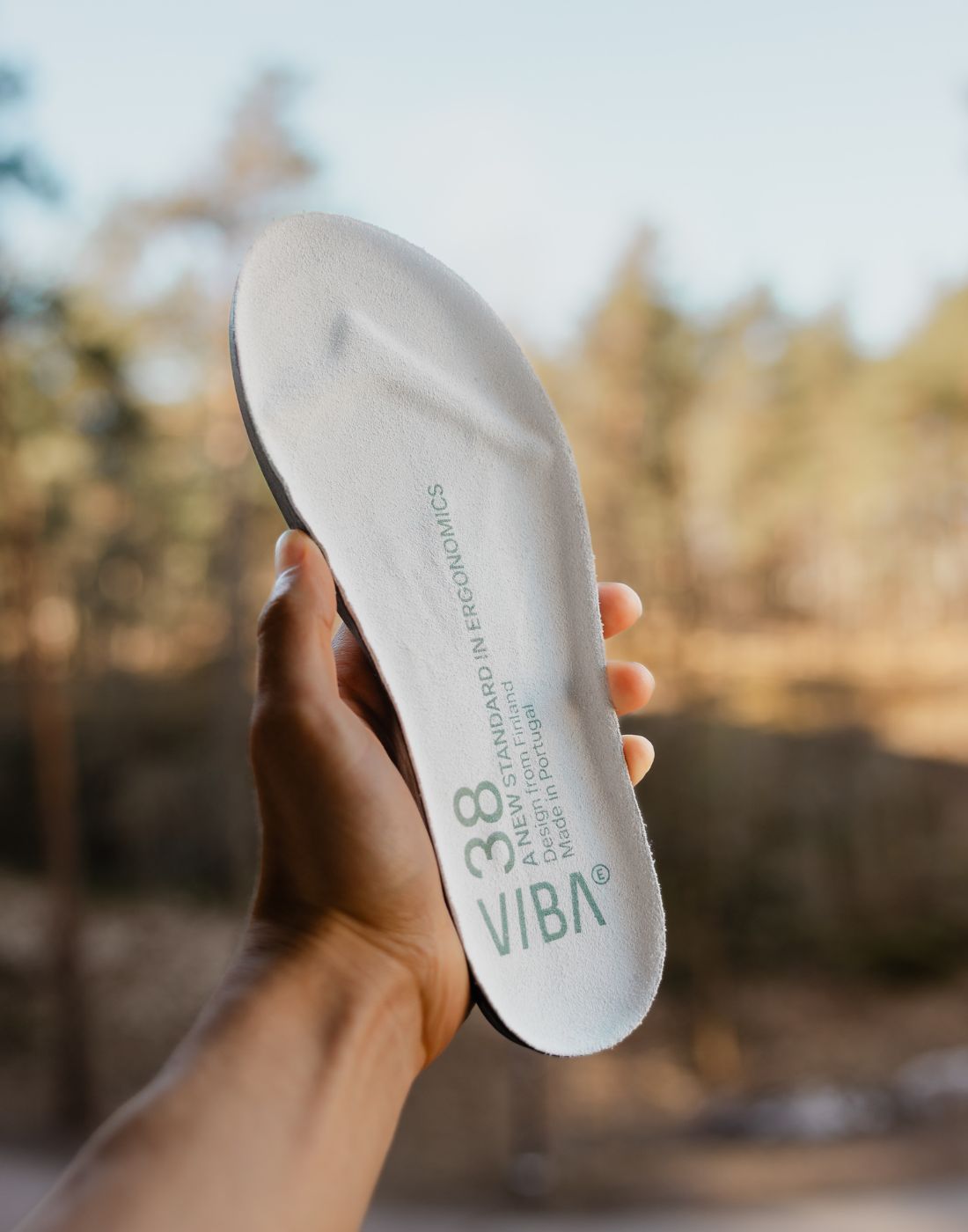
Then the circular bit. When the footbed is finished before the shoe is, you replace the footbed — that's the entire point of making it removable. VIBAe's Carbon Step™ programme is built around that: every pair ships with a Carbon Step™ footbed shaped to the 11/14/7 Formula, meaning 11 mm of cushioning at the heel, 14 mm of support at the arch and 7 mm at the front. On styles where it lifts out, swap in a fresh one and the shoe carries on. Worth being precise: Carbon Step™ is an open-cell polyurethane footbed with a cork shank for structure and warmth, not a standalone cork insole, and we don't sell cork insoles on their own.
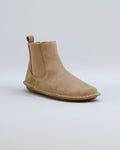
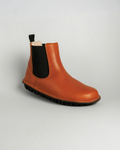
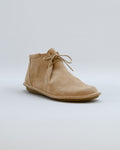
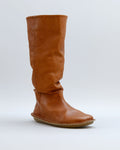
Versions include the Carbon Step™ Suede Original, Vegan Nature, Leather Fawn Tan and Leather Preto Black from £45, and the Shearling version at £50. Prices and availability change, so treat the store as the source of truth. Free standard shipping applies over €100, and returns are free within 30 days of delivery minus a €10 restocking fee. If you're wondering when to swap, the journal post on replacing the footbed covers it, and care products sit in the accessories collection.
Read Care Instructions — a little care goes a long way, with simple tips for long-lasting leather.
Frequently asked questions about cork insoles
How long do cork insoles take to mould to your foot?
Generally a few weeks of regular wear rather than a single day. Cork responds to body heat and repeated pressure, so the impression under the heel and arch deepens slowly as you walk. Wearing them consistently for ordinary days does the job; forcing the process with heat damages the material.
Do cork insoles fit inside shoes that already have a footbed?
Only if the existing footbed comes out first. Stacking two footbeds fills the shoe and changes how it sits on your foot. In a shoe with a removable footbed, lift the old one out and lay the new one in its place. Shoes with a glued-in footbed aren't designed for a swap.
How should cork insoles be cleaned and dried?
Take them out of the shoe, brush off dry dirt, then wipe with a slightly damp cloth. Air them flat at room temperature, away from radiators, direct sun and hot air. Skip soaking and machine washing. Airing between wears keeps them fresher than any deodorising product.
When is it time to replace a footbed instead of the whole shoe?
When the footbed has flattened or worn through but the upper and outsole are still sound. If the leather still looks good and the natural rubber outsole has tread left, a fresh Carbon Step™ footbed brings the pair back rather than sending it to landfill. Replace the shoe when the outsole or upper is the part that's finished.
If you're ready for a fresh Carbon Step™ footbed, browse the footbeds and care products whenever suits you — no rush. And for anything sizing-related: Check the Size Chart to get the right fit first time, and go one size up if you're between sizes.