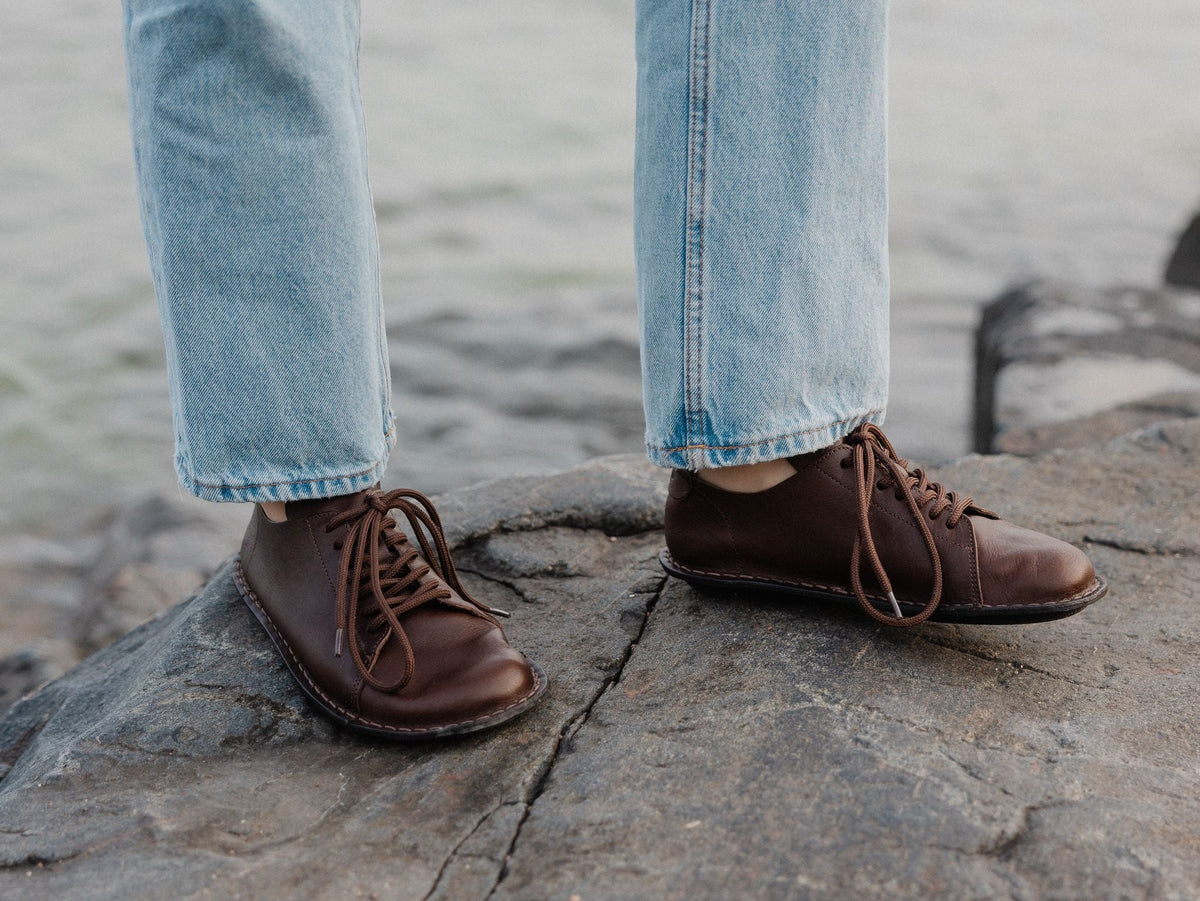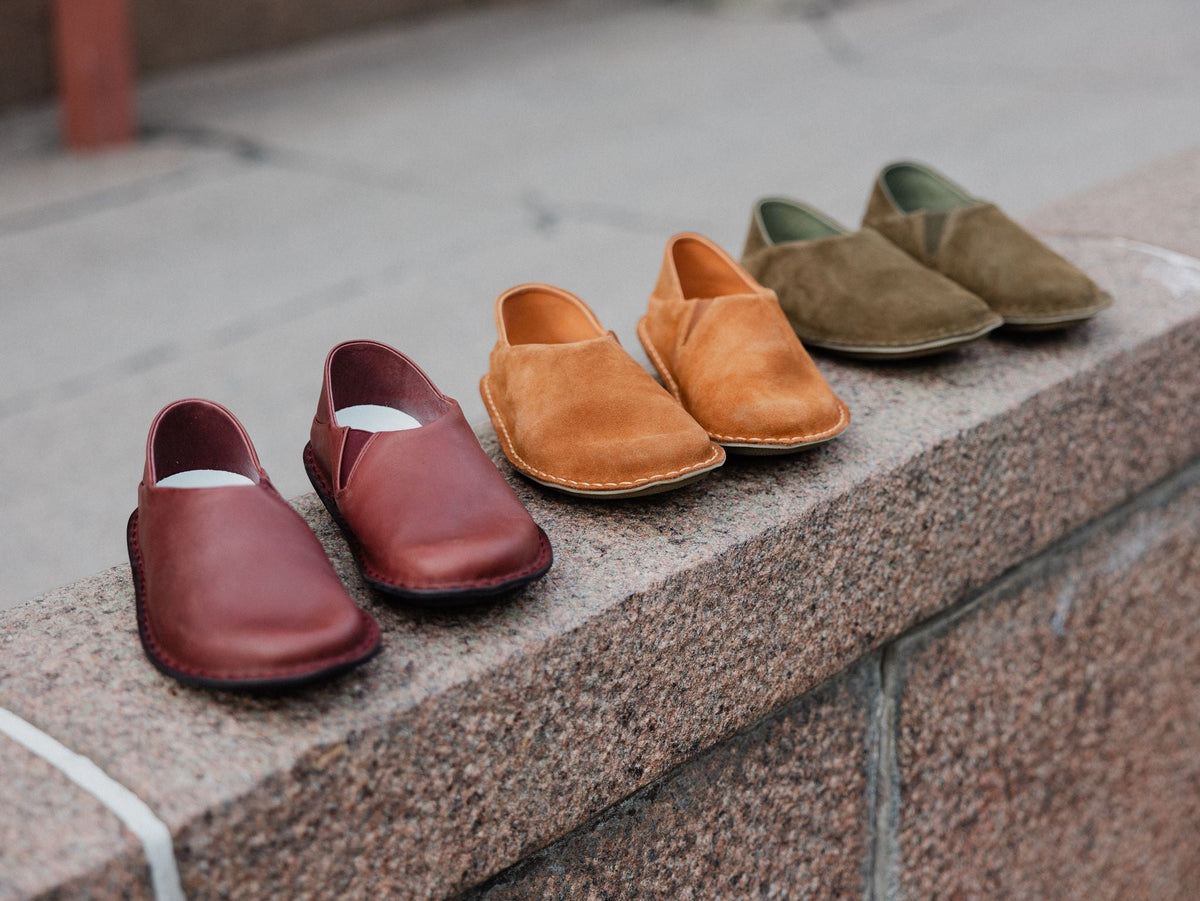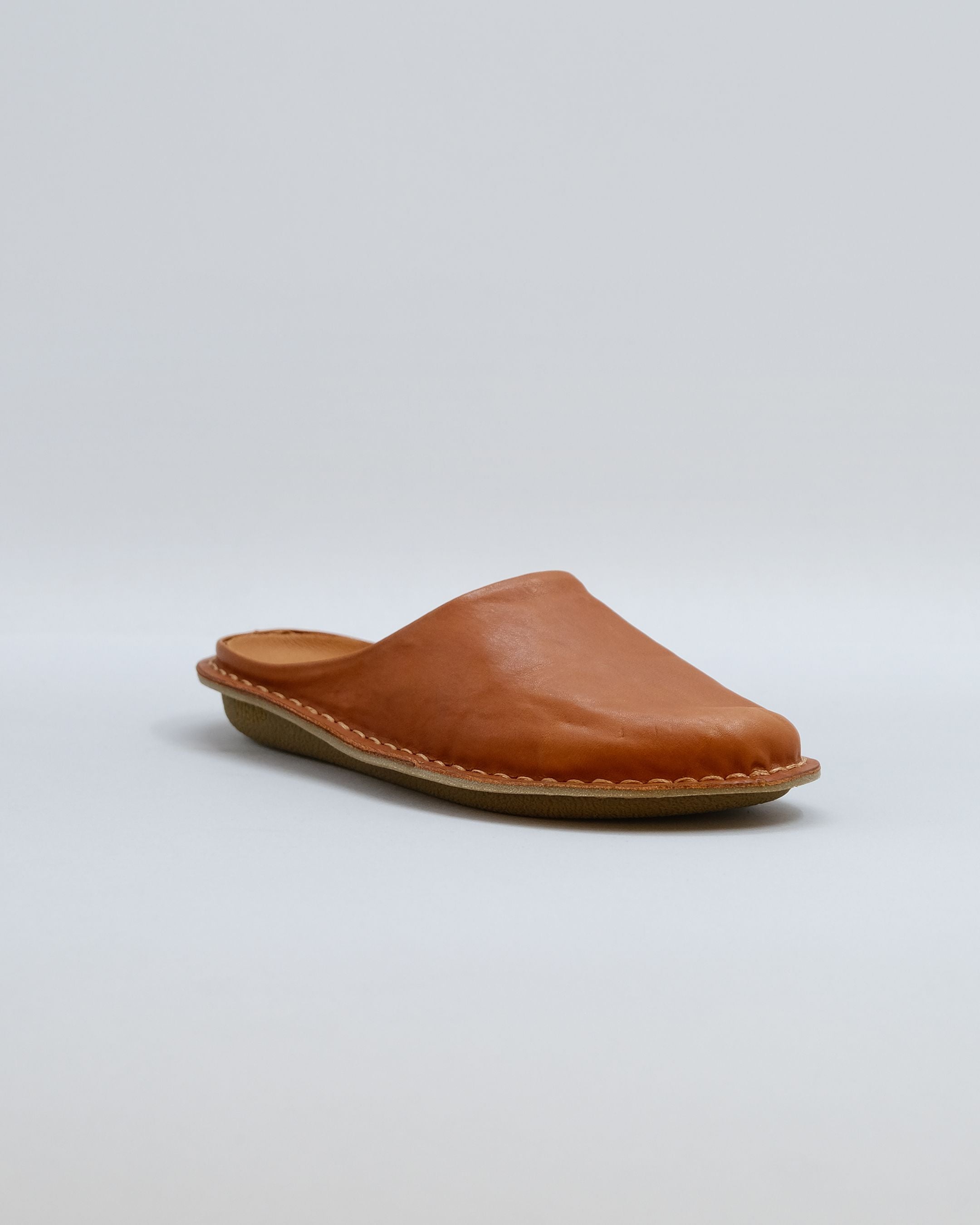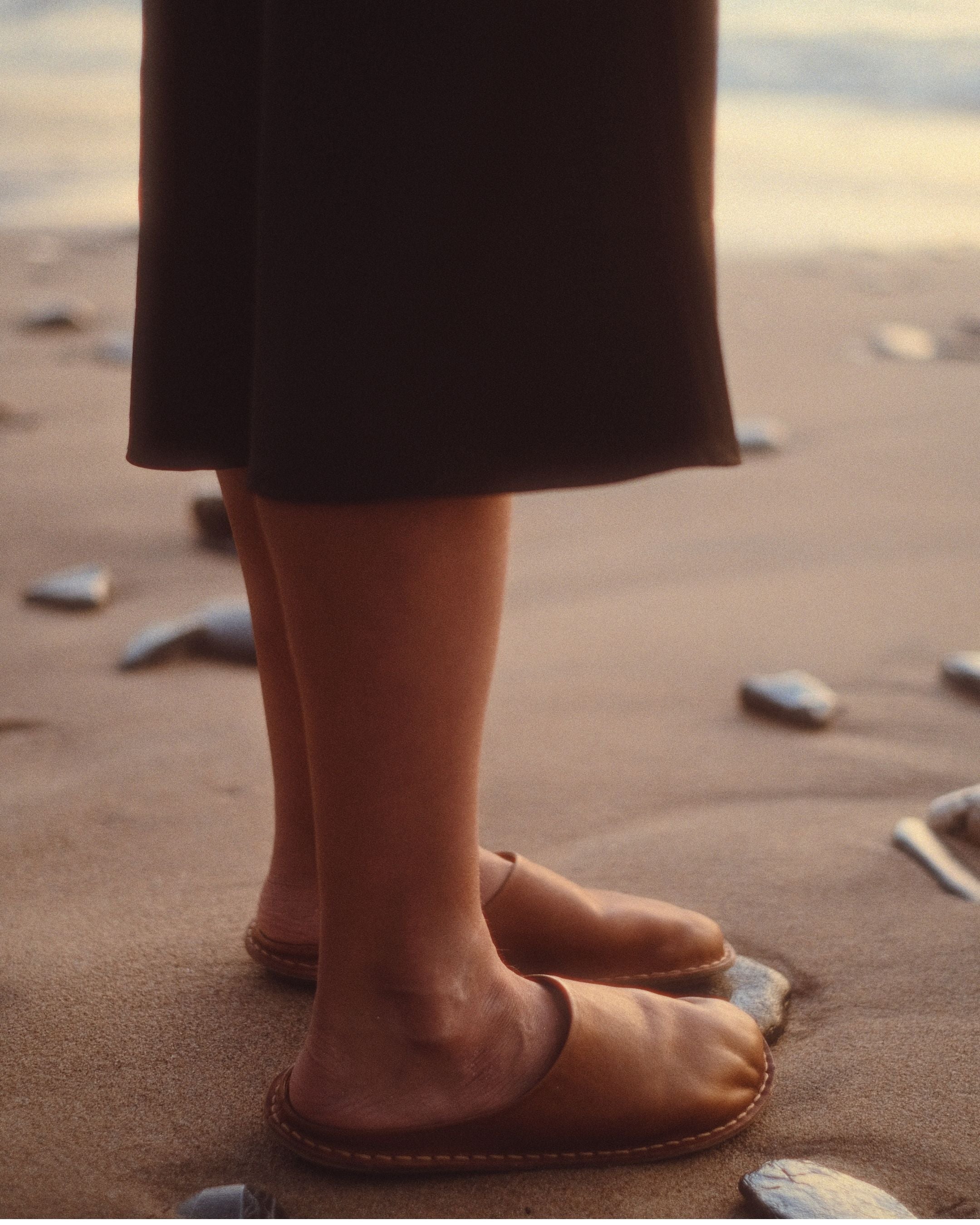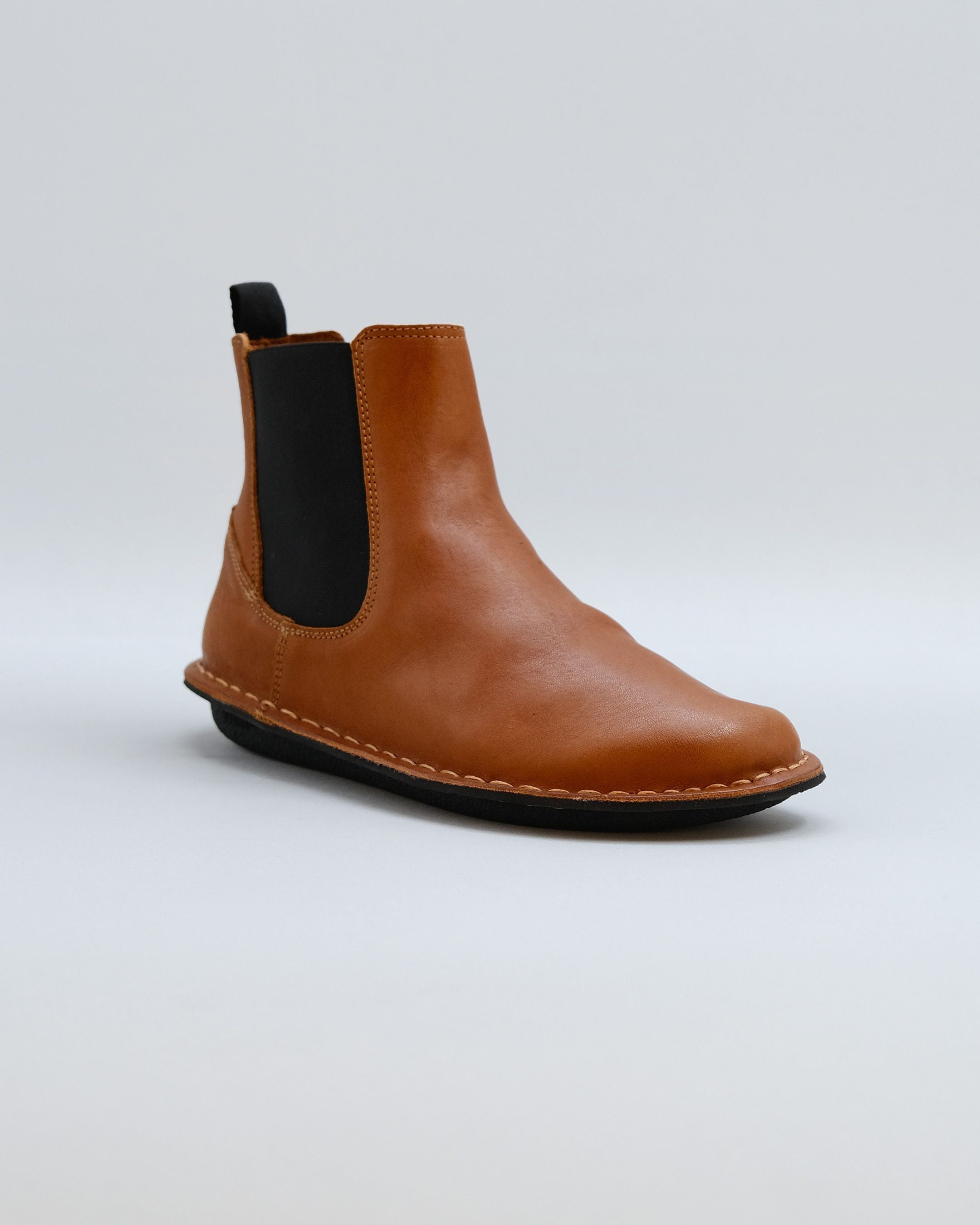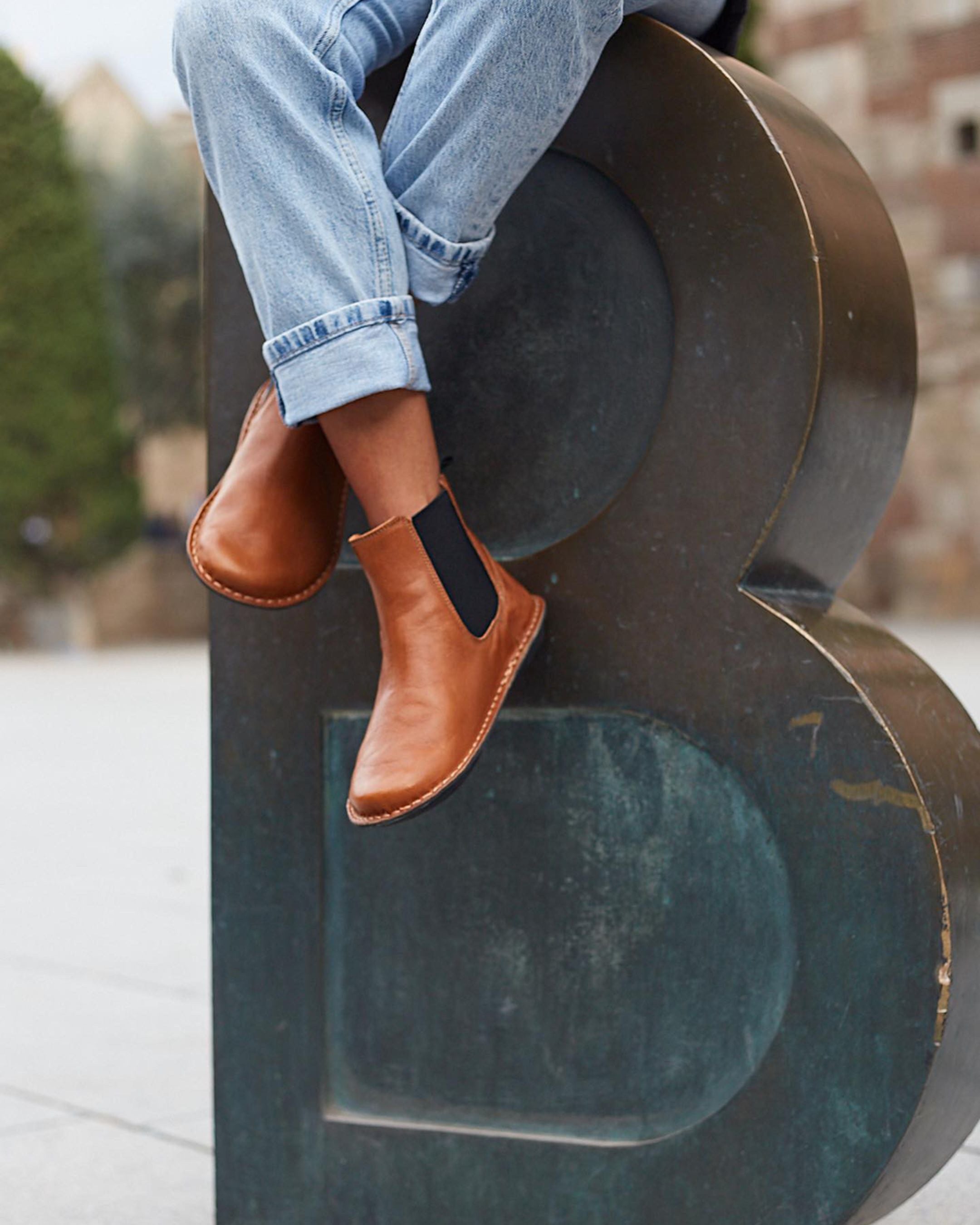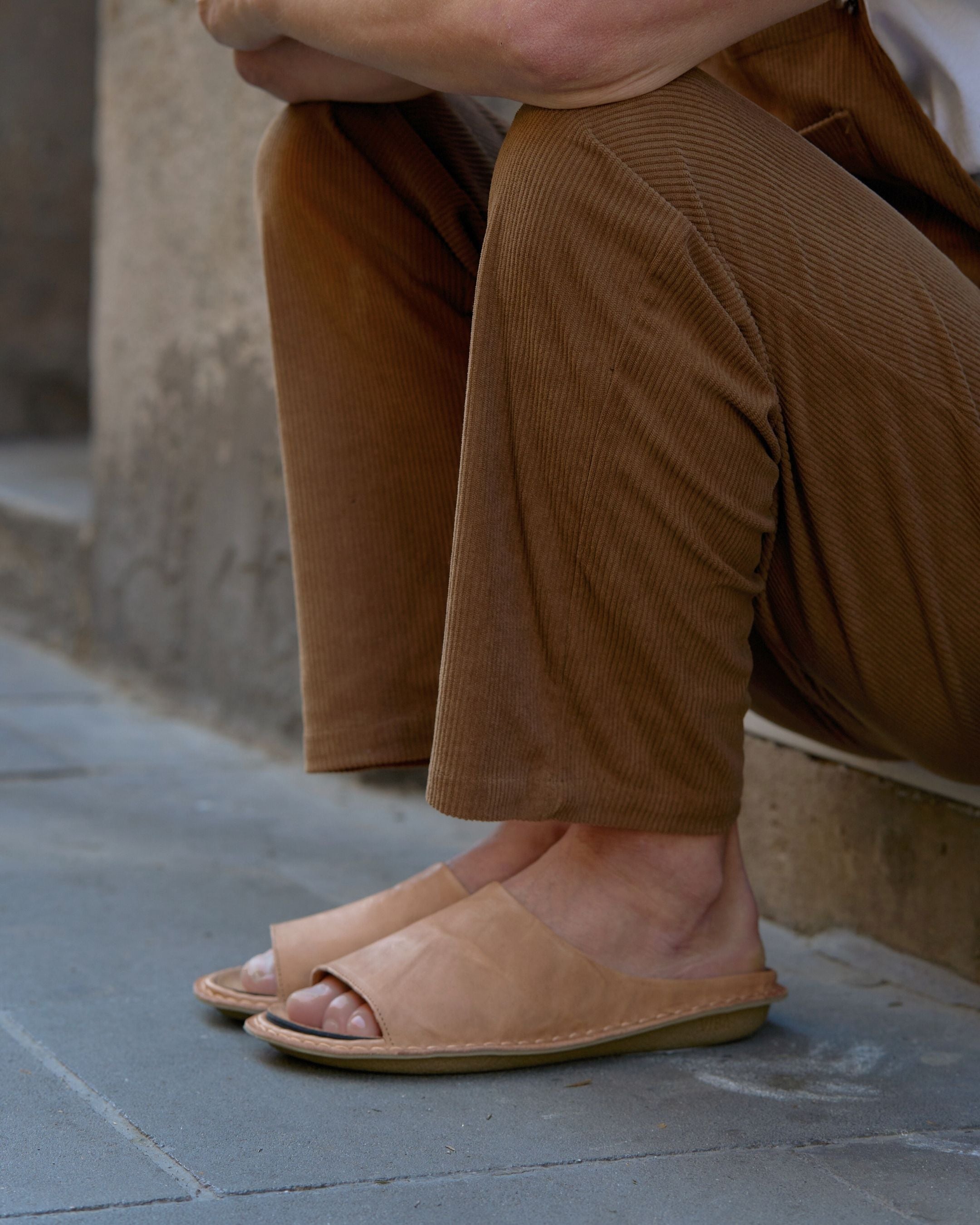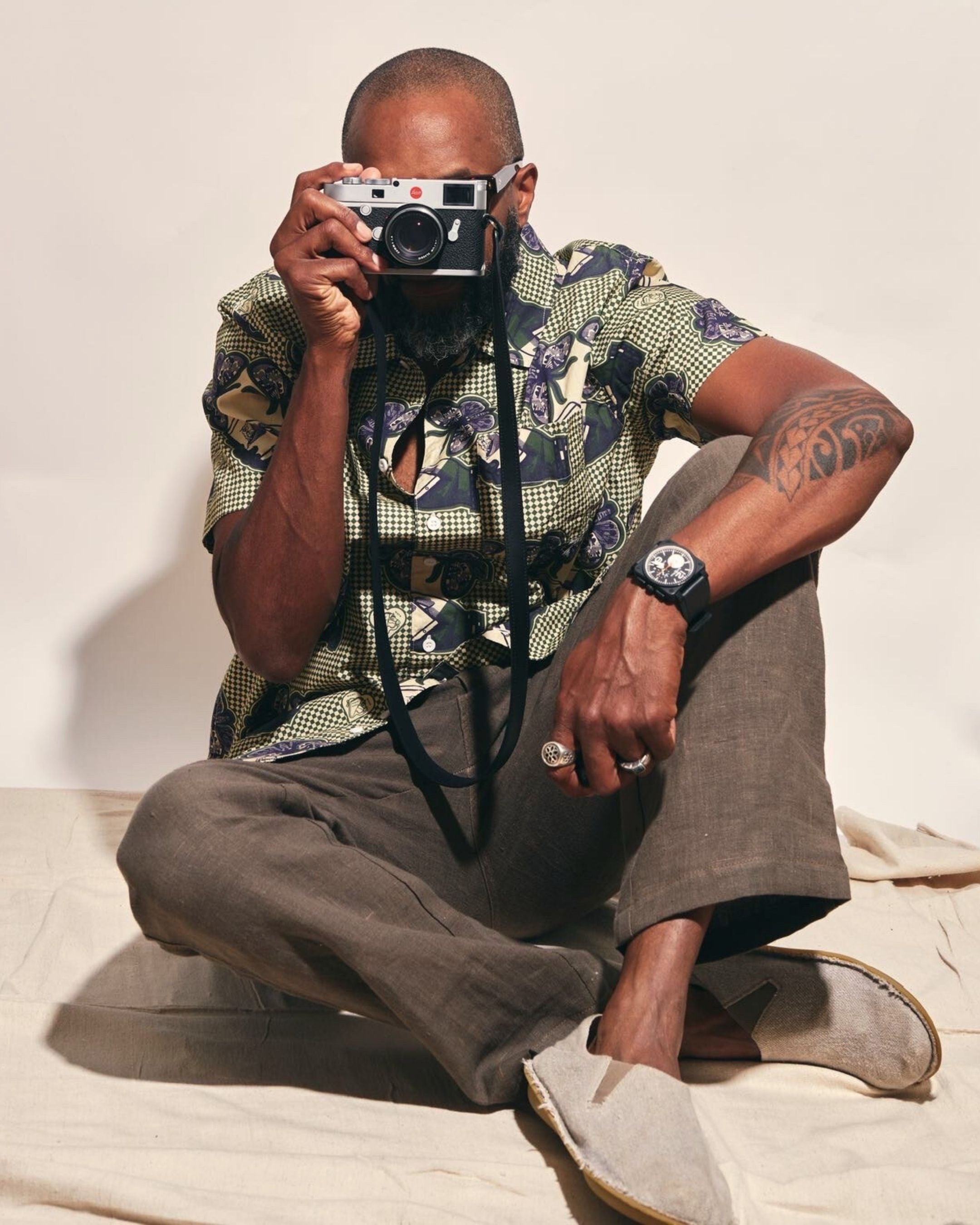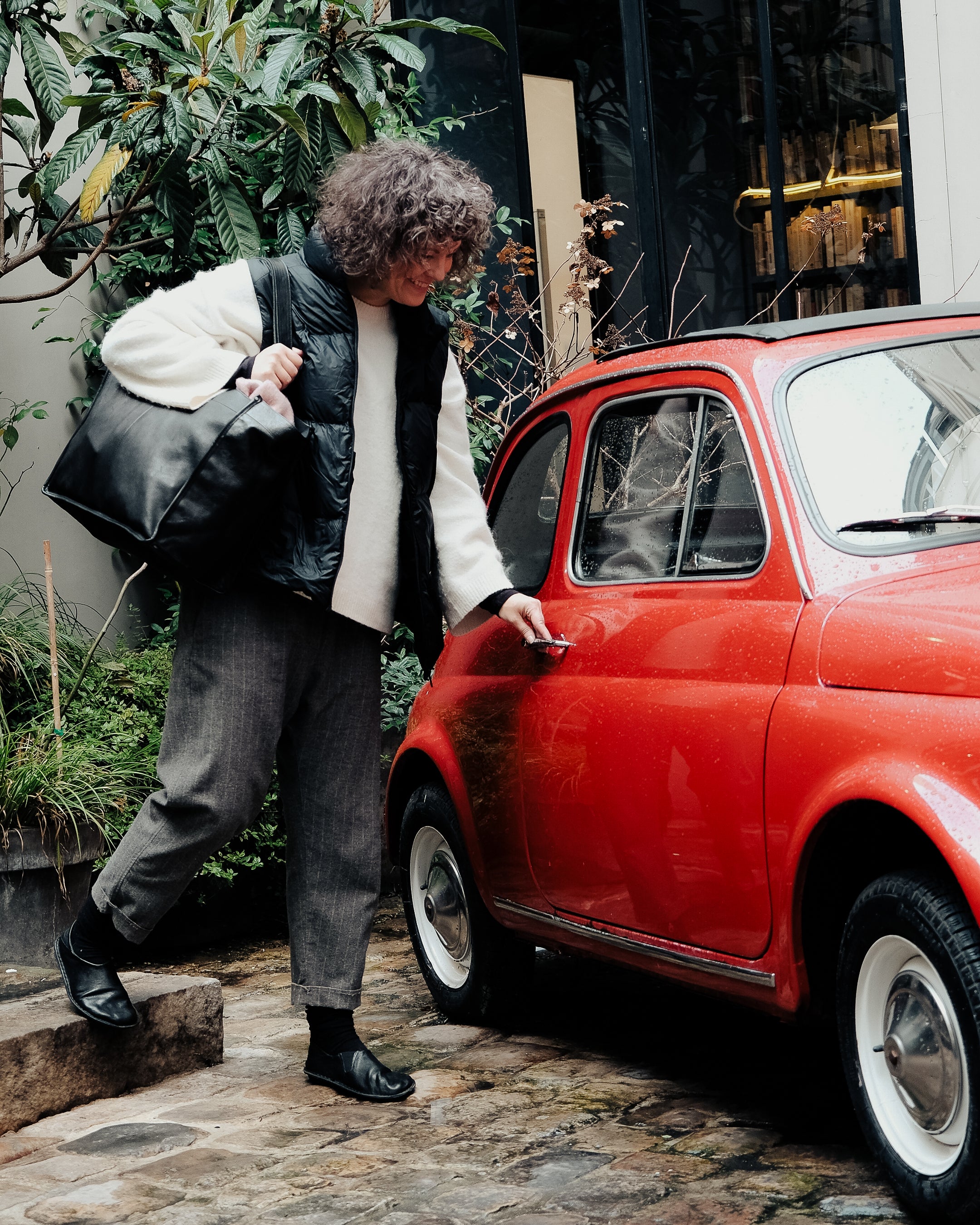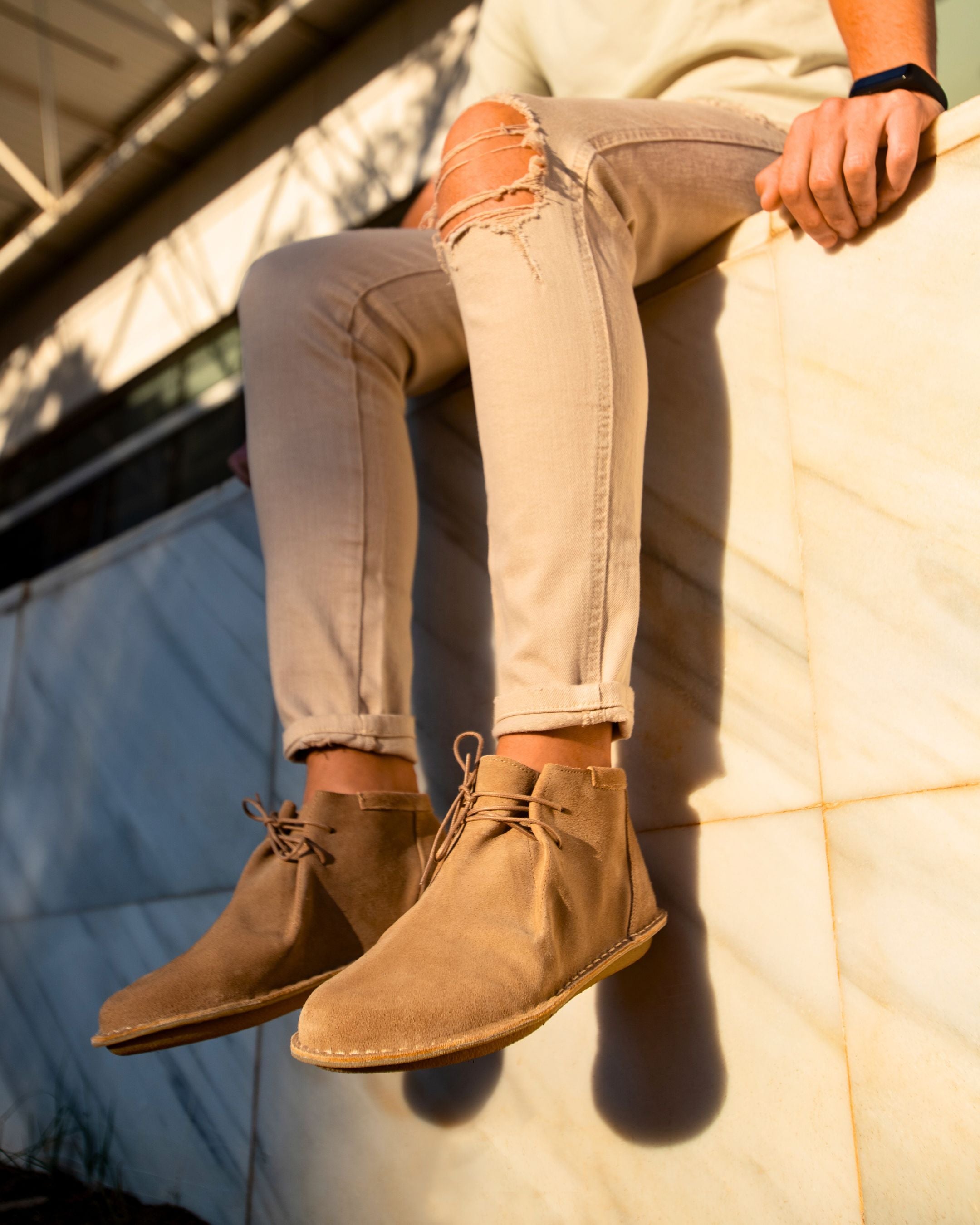
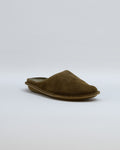

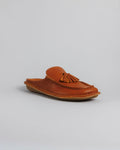
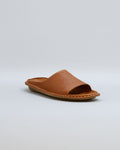

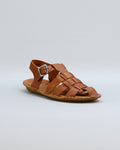
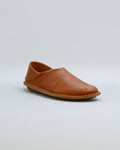
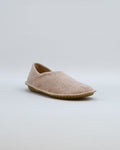
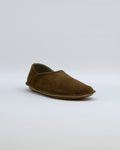
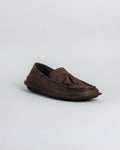
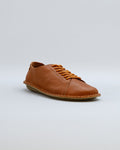
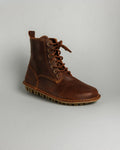
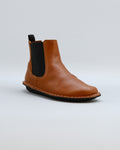
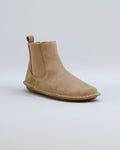
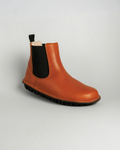
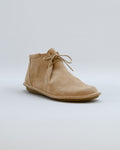
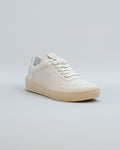
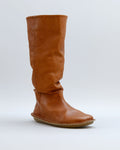
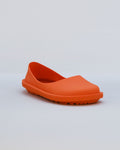
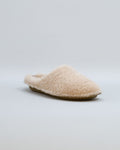
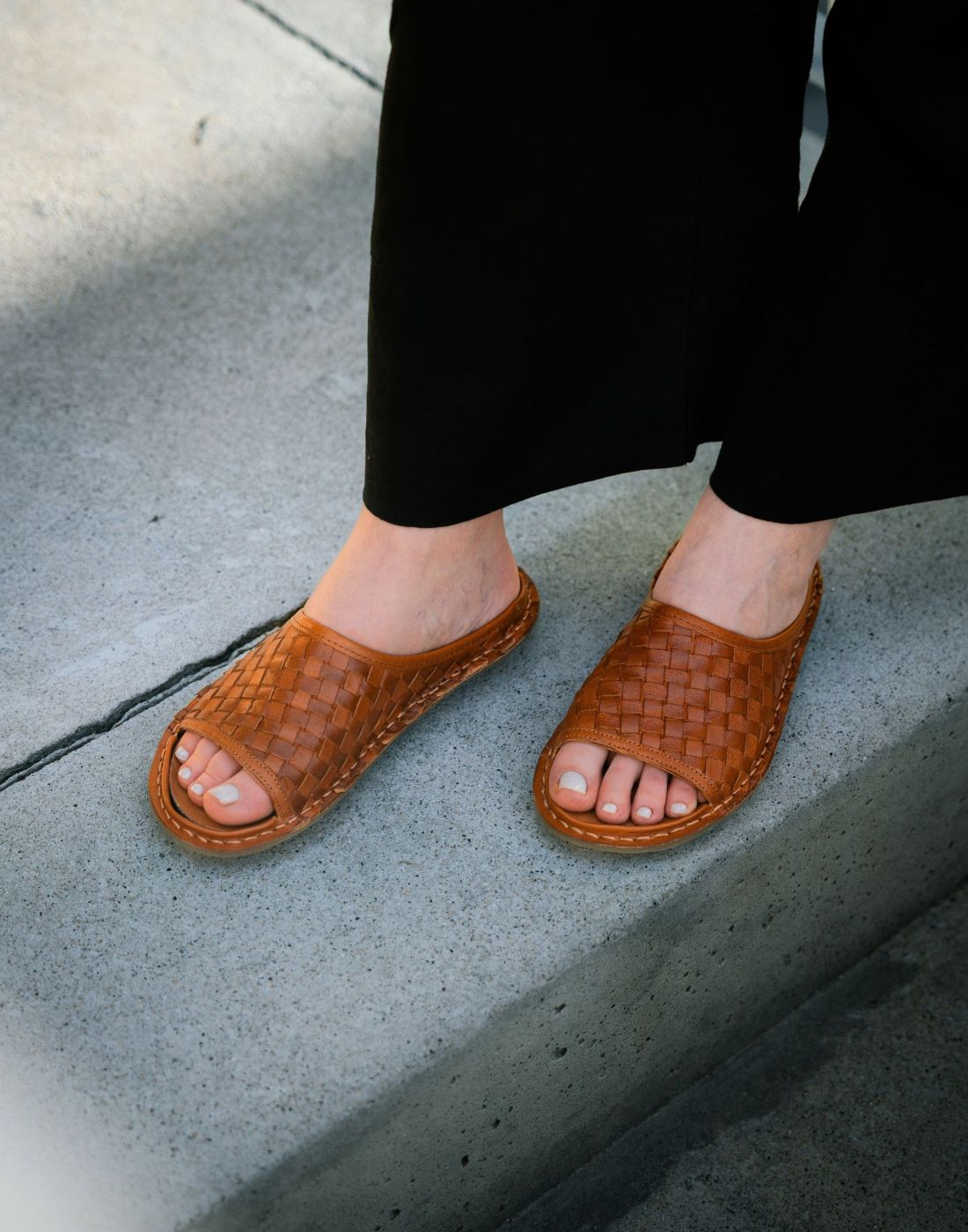
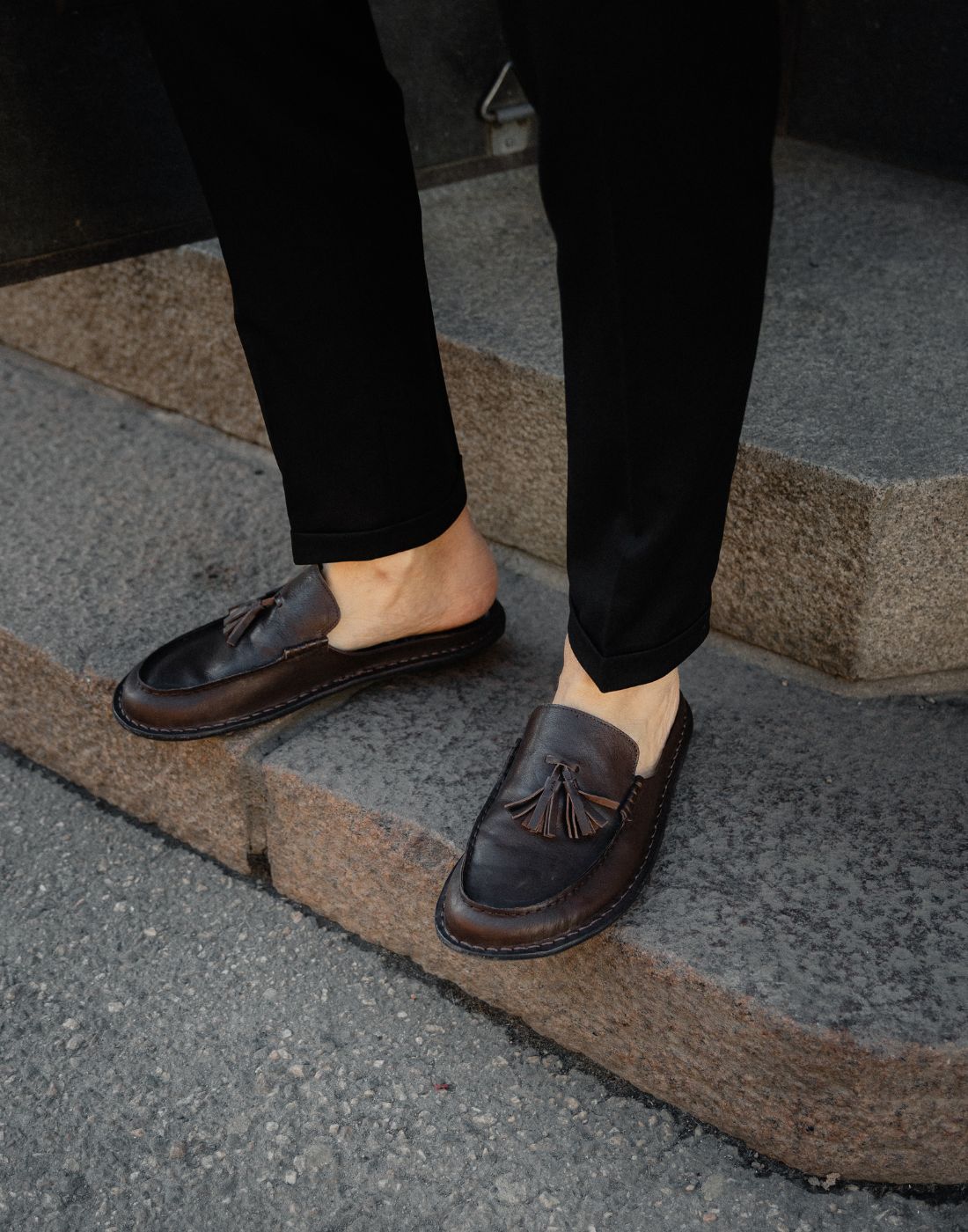
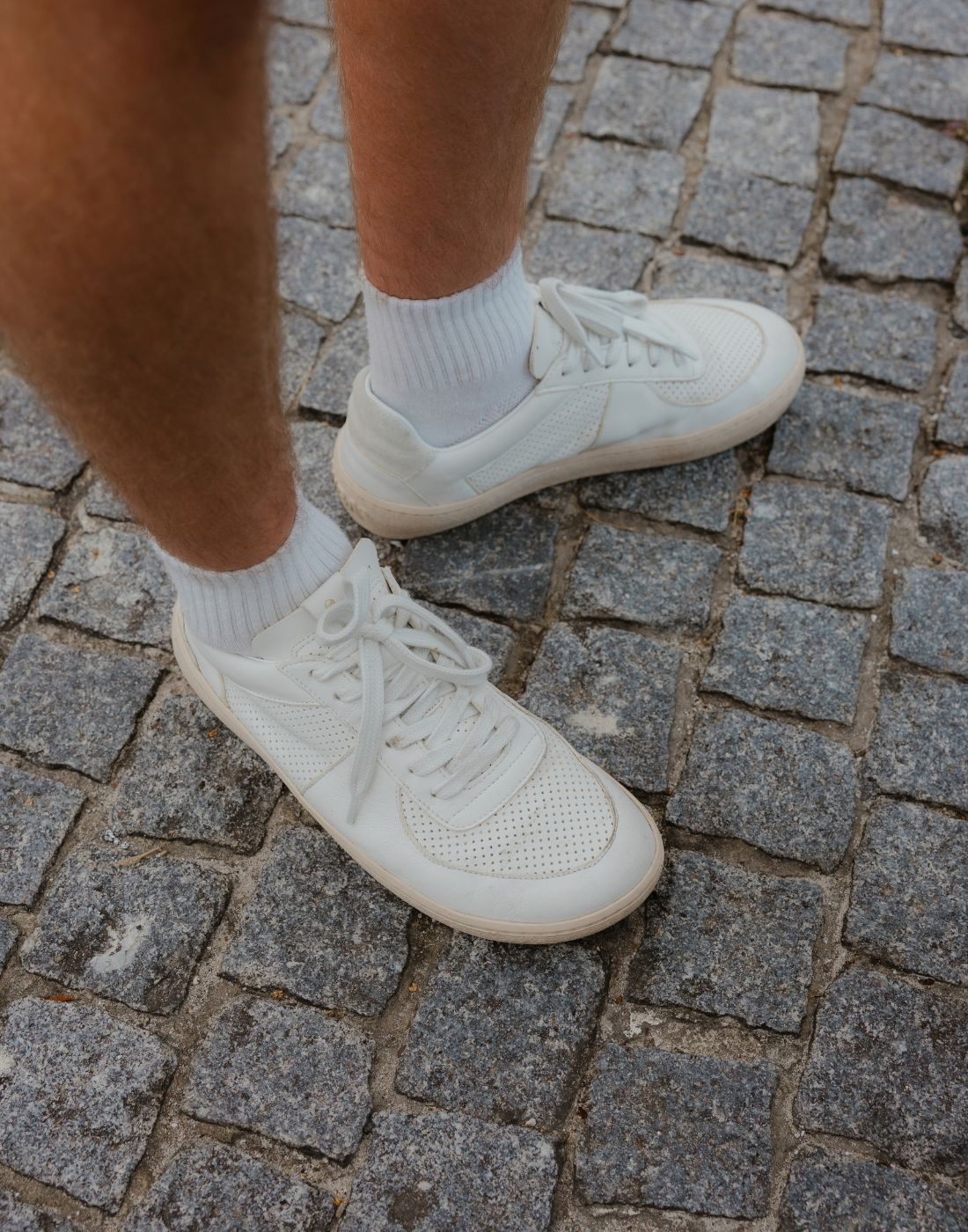
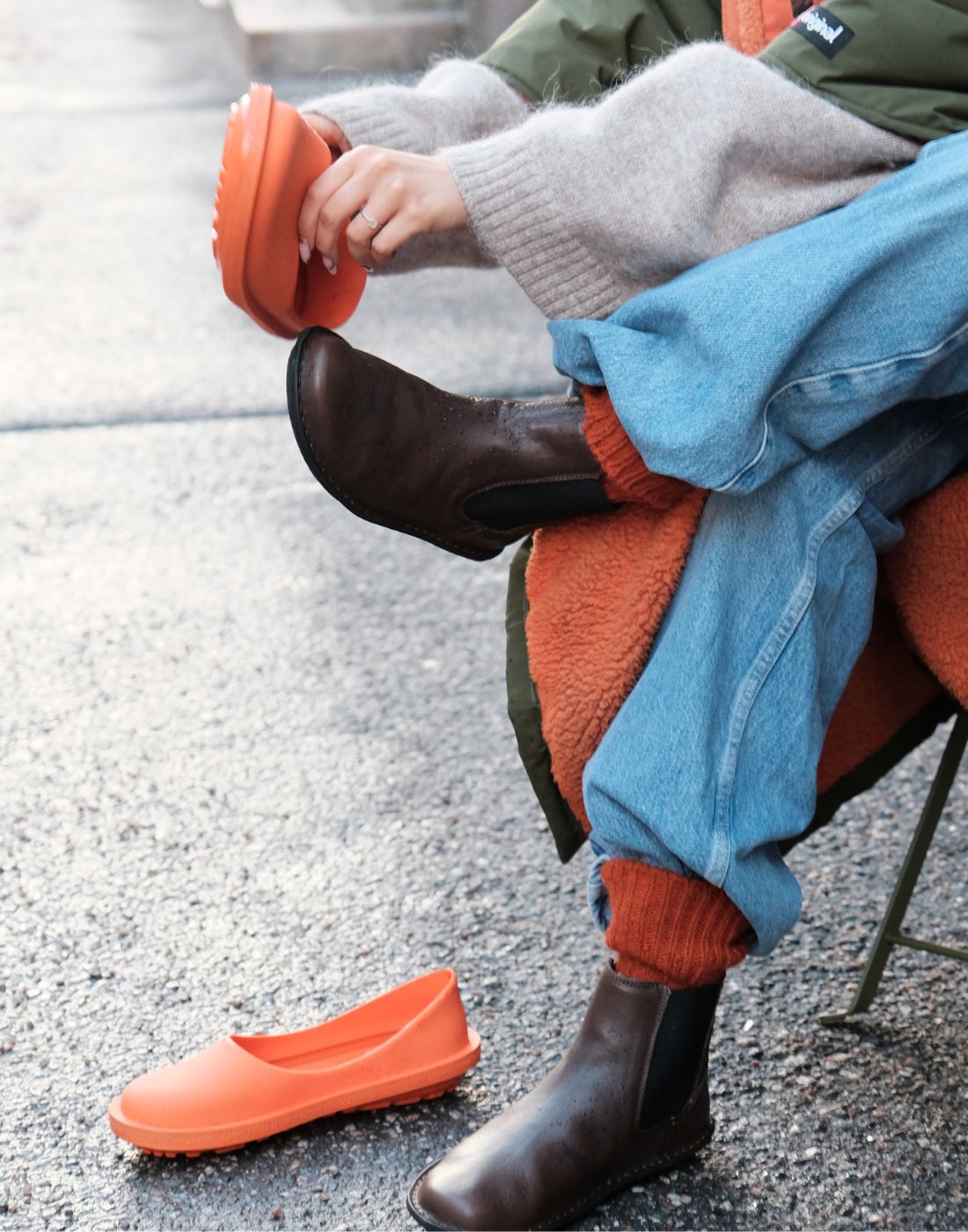

Wide fit loafers are built on a wider last with a naturally shaped toe box, so the room is designed in rather than stretched in afterwards. VIBAe loafers are unisex in EU sizes 35–48, with no half sizes: anyone between sizes is advised to go one size up.
Wide fit loafers are slip-on shoes built on a wider last, with a toe box shaped closer to the natural outline of a foot. The width comes from the pattern and the last, not from stretching a narrow shoe until it gives. That difference decides how the pair feels on day one and how it holds its shape for years.
What are wide fit loafers?
They're loafers where the forefoot has real volume built in. A shoemaker cuts the upper on a last, the foot-shaped form a shoe is made around. When that last is wide through the ball and rounded at the front, your toes get to sit where they naturally sit rather than being funnelled towards a point.
What you get from that is practical. Toes spread as you walk, so the ball of your foot spends the day without pressure points. No rubbing along the outside edge of the little toe, no pinching at the first joint, which matters if bunions or sensitive feet are part of your day. Persistent pain, though, is a conversation for a health professional, not a shoe.
The other half of the promise: it still looks like a loafer. A wide toe box doesn't have to mean a clumpy, corrective silhouette. Get the proportions right and roomy loafers read clean and Nordic-plain, at home with tailored trousers on Tuesday and jeans on Saturday.

Designed wide, not stretched wide
The outcome you want is a shoe that fits from the first wear and still holds its line in year three. There are two routes to width, and only one gets you there.
Route one starts with a narrow last and asks the shoe to adapt, either by widening an existing form or by promising the leather will give in time. Leather forced outwards bags at the sides, the topline gapes, and the pressure reappears somewhere else, usually where the upper meets the sole.
Route two starts with a wider last and a pattern cut for it, so the volume exists before you put your foot in. That's how VIBAe builds its unisex loafers and mules, handmade outside Porto in Portugal by the shoemaking family and the artisans alongside them, with laser cutting for some steps and most of the work still done by hand.
Leather does its part, but only its part. Vegetable-tanned leather, tanned with natural tannins from bark, wood, fruit and leaves rather than chrome, moulds to the wearer and gently stretches where needed. It won't rescue a shoe that was too narrow to begin with, and we won't pretend otherwise.
One plain point before you order: even in a structured loafer, a thin, flexible sole asks your feet to do work a stiffer shoe used to do, so give yourself a few weeks of shorter wears before longer ones.
Width letters, lasts and why the labels confuse people
If you've been hunting for loafers for wide feet, you've met the letters. Shoe width fittings E EE EEE describe a girth measurement graded on top of a length size: each step out adds circumference around the ball of the foot. The grading isn't standardised across makers, though. One brand's EE can feel like another's E, which is why wide fit shoes bought on a letter alone so often disappoint.
VIBAe skips the letters. Our loafers and mules come in one unisex fit, with a rounded, roomy toe box as the default rather than a separate fitting you have to request. So there's no narrow-versus-wide decision to get wrong, and no guessing which letter maps to your foot. You pick a length and the width is already there.
That suits a mixed household. The same pair can suit a wide, square forefoot and many narrower feet too, because the volume sits across the front where feet vary most. Whatever you typed into the search bar, wide loafers womens or shoes for wide forefoot, you land in the same place: one collection, sizes 35 to 48.
Getting the size right when there are no half sizes
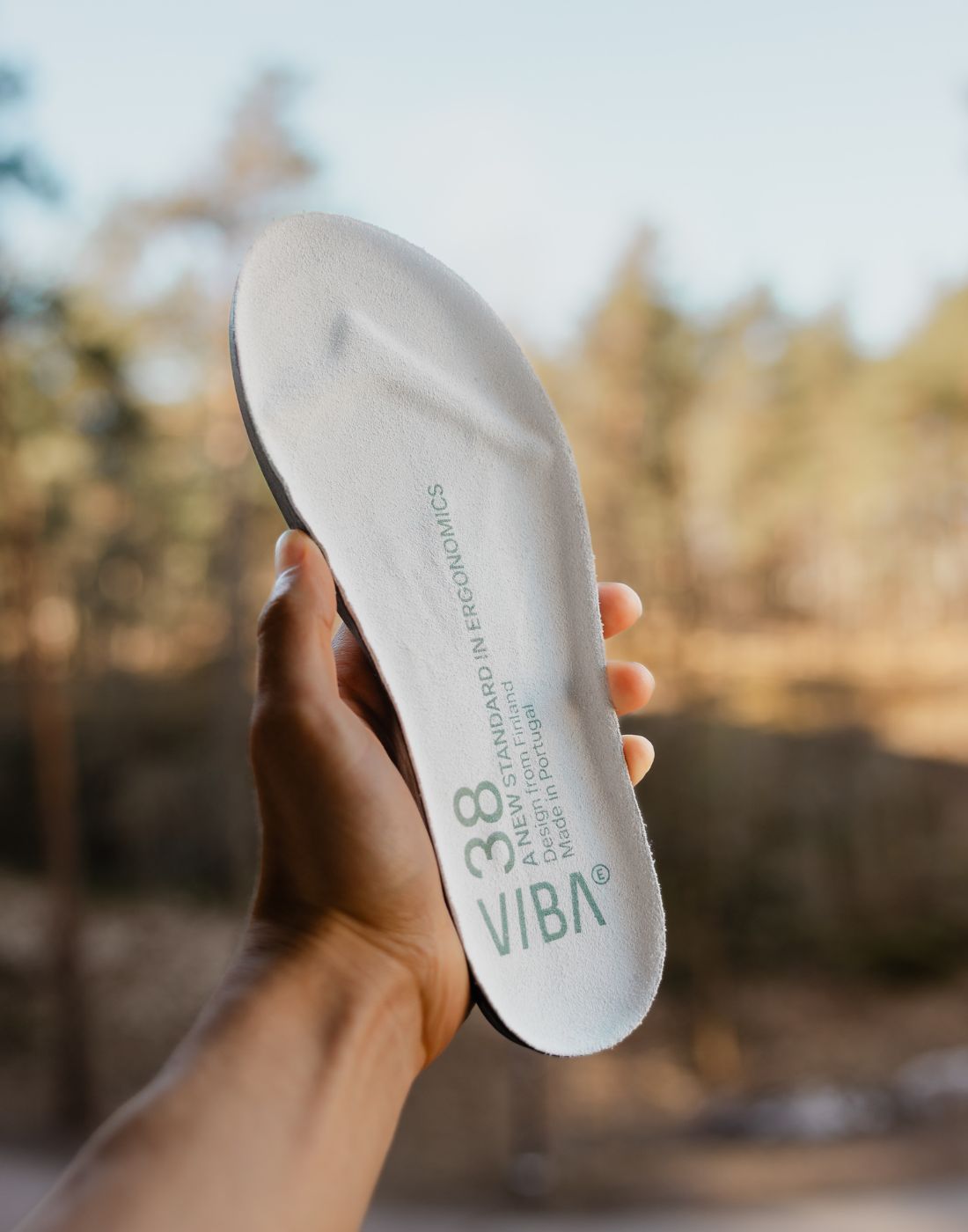
Simpler than it looks. VIBAe shoes are unisex in EU sizes 35–48 (22.0–30.7 cm), with US and UK conversions on the VIBAe size chart. The official line: we don't make half sizes. Go one size up if you're between sizes, prefer wearing thicker socks, or just like a looser feel.
Measuring beats converting from another brand's number, because their last and their grading aren't yours to rely on. Four minutes with a tape does it:
- Stand on a sheet of paper and mark your heel and your longest toe.
- Measure between the marks in centimetres and read that figure against the chart.
- Do both feet, then work from the longer one.
- For width, run a tape around the widest part of the ball of your foot, standing, with your weight on it.
That last step is how to measure foot width in practice, and forefoot girth is usually what decides comfort in a slip-on. Instep height matters too, since a loafer holds you with a band of leather across the top rather than laces you can slacken. If yours is high, an adjustable style such as LISBOA may suit you better than a loafer.
Socks count. Bare feet in summer and thick wool in winter are two different fits, so size for how you'll actually wear them. That's the whole no half sizes sizing guide: measure, check the chart, round up. More sits in our journal piece on how to get the correct fit with VIBAe shoes, and in our guide to how loafers should fit.

Get the right fit first time — check the size chart, and go one size up if you're between sizes. Check the Size Chart
Which VIBAe loafers and mules suit wide feet, and the honest trade-offs
Browse Loafers & Mules and look for three things rather than a ranking: a rounded toe with visible width across the front, a flexible natural rubber outsole, and the removable Carbon Step™ footbed inside.
That footbed runs the 11/14/7 formula: 11 mm of cushioning at the heel, 14 mm of support at the arch, 7 mm at the forefoot. Because it lifts out, a worn one gets swapped for a fresh Carbon Step™ footbed instead of the whole shoe going in the bin. ROMA is the plainest example, and our office loafers guide covers the smarter end of the collection.
The trade-offs, plainly. A backless mule frees the forefoot and is easy to live in at home and at the desk, but it gives less hold on a long walking day; a closed loafer is the better companion for miles. Vegetable-tanned leather shoes need conditioning and drying away from radiators, or they dull and harden. And flexible rubber sole loafers with a low drop make your feet work, which is the point, though it takes patience at first.
On materials and the life of a pair, we'd rather name practices than adjectives: vegetable-tanned leather from LWG-audited tanneries instead of chrome-tanned leather, natural rubber outsoles, replaceable footbeds and Pre-Loved resale with our partner Ninyes, and we're honest that we're not perfect.
Specifications and prices can change, so treat the product pages on the store as the source of truth.
Frequently asked questions
Are wide fit loafers the same as loafers in a wide width fitting?
Not quite. A width fitting adds girth to an existing length size with letters such as E, EE or EEE, and that grading varies by maker. VIBAe builds its loafers and mules with a wide toe box as standard, so the width is the default shape, not an option.
What size should I order if I'm between sizes?
Go one size up. VIBAe doesn't make half sizes, and the same advice applies if you prefer thicker socks or like a looser feel. Measure your foot length in centimetres and check it against the EU 35–48 chart before ordering.
Will the leather stretch to fit a wider forefoot?
Vegetable-tanned leather moulds to your foot and gently stretches where needed, so the fit settles over the first weeks. It won't rescue a shoe that's too narrow, which is why the width is designed into the last from the start.
Which shoes give toes room to spread without looking orthopaedic?
Look for a rounded toe on a wide last with a clean, minimal upper. ROMA is the straightforward example: a plain slip-on silhouette with a roomy front, which is what makes comfortable loafers for all-day wear look ordinary in the best sense.
How do I care for leather loafers so they keep their shape?
Wipe off dirt, dry them at room temperature away from direct heat, and condition the leather periodically with a protective cream. Rotate pairs so each dries fully between wears, and swap the Carbon Step™ footbed when it flattens rather than replacing the shoe.
Ready to buy wide loafers online, or try the toe box in person first? Try them on and feel it yourself — find VIBAe near you. Find a Store