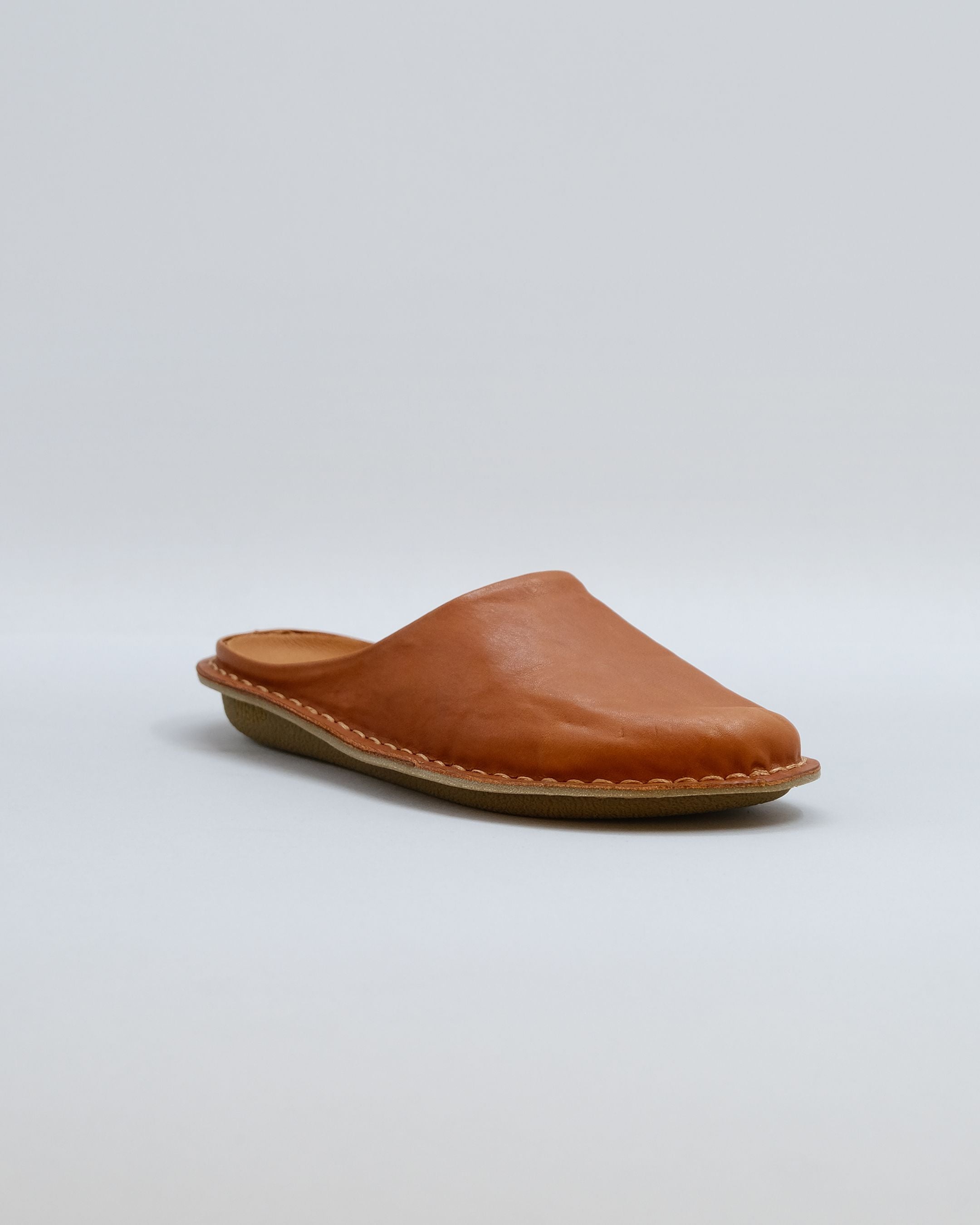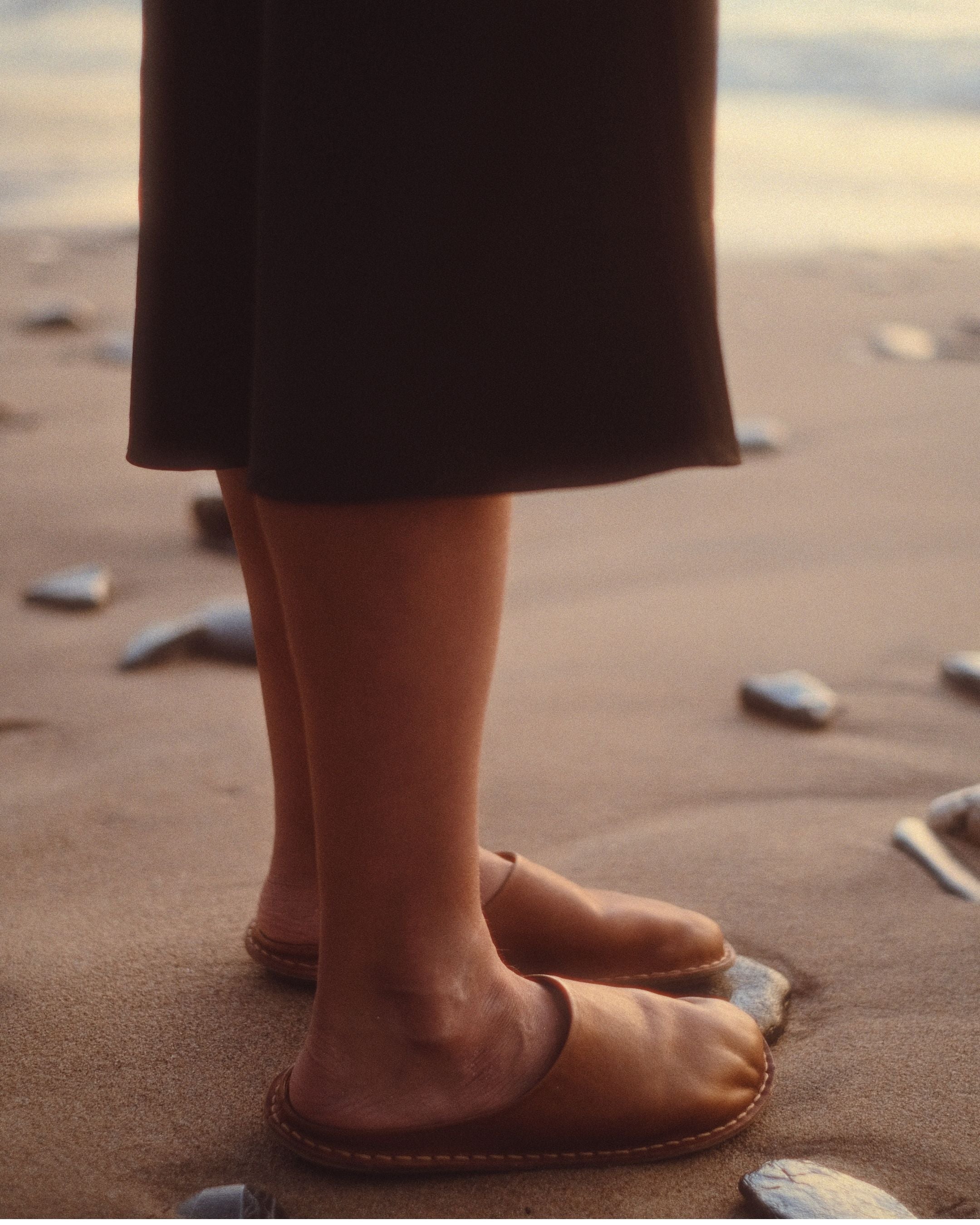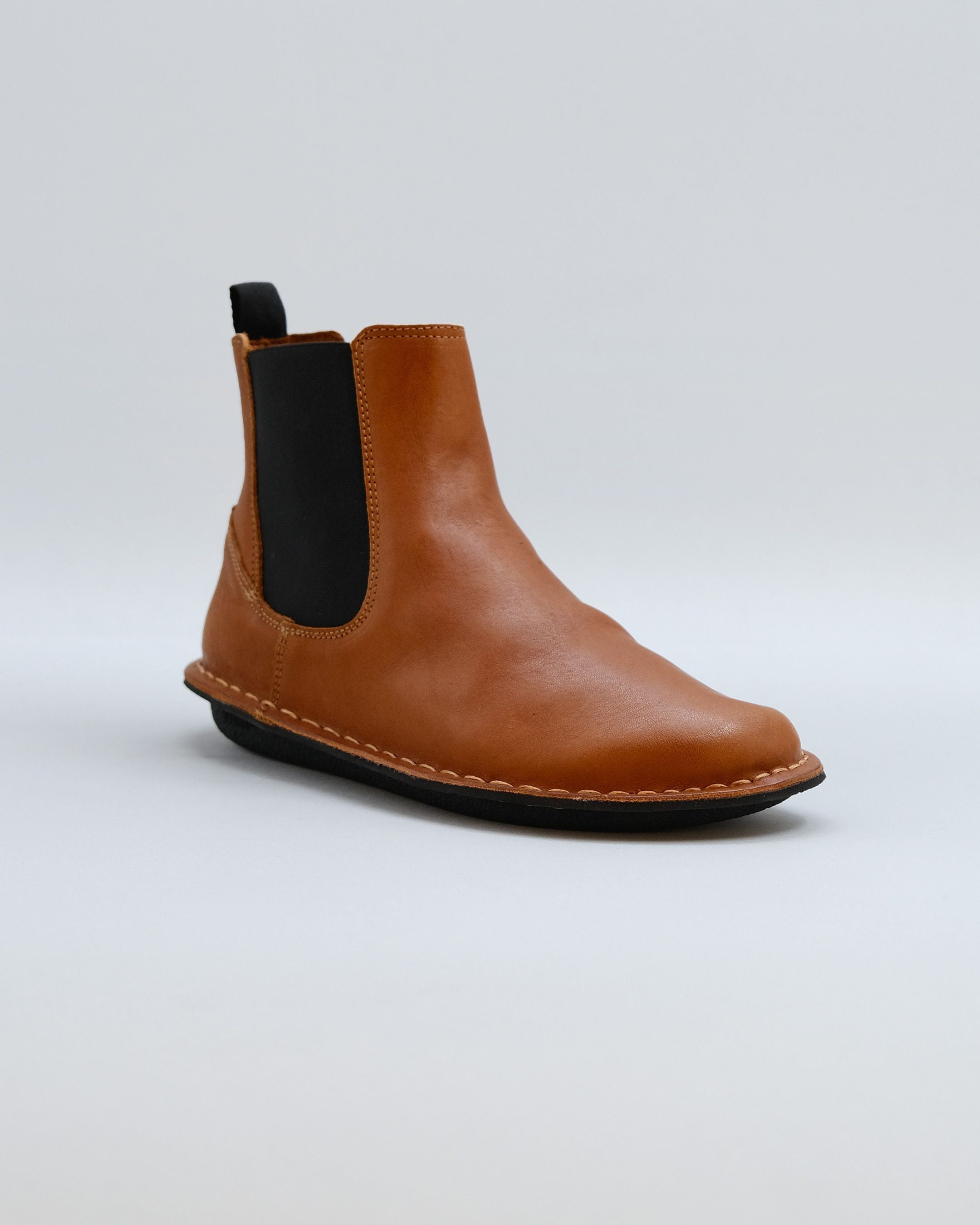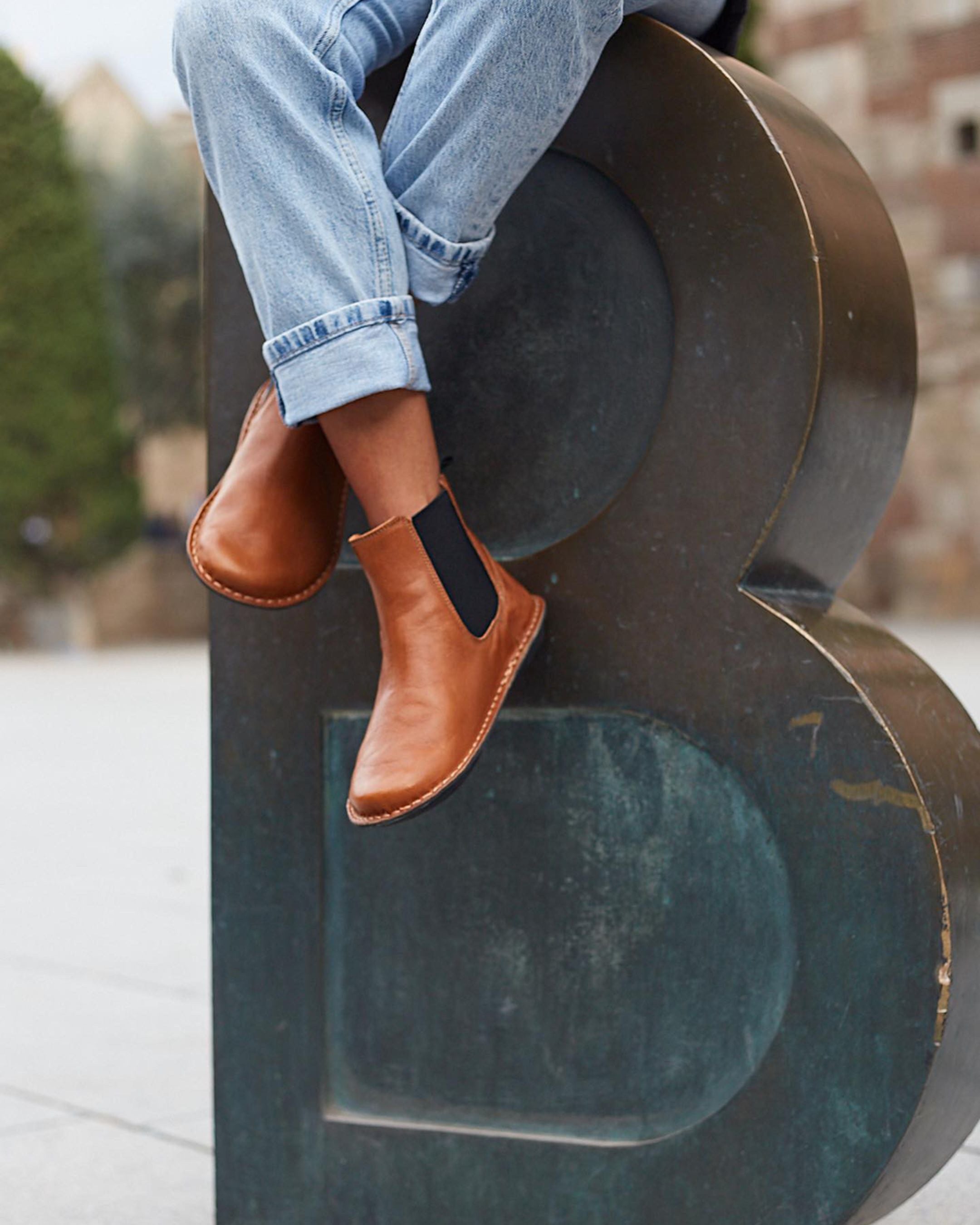


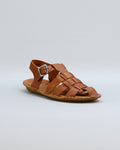
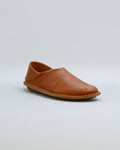
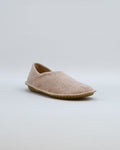
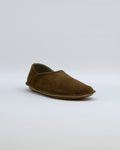


How long do leather shoes last? Years rather than seasons, and the spread is wide: tanning, construction, sole material, rotation and care matter more than price. One of our founders wore the same ZUMA pair almost every day for over a thousand days as an endurance test. Swapping a worn Carbon Step™ footbed extends a pair past its first worn-out part.
How long do leather shoes last?
Leather shoes last years rather than seasons. Ask "how long do leather shoes last?" and the answer comes down to four things: the leather and how it was tanned, how the upper meets the sole, how often you wear them, and how you look after them. One of our founders wore the same pair for 1,098 days.

That pair was one endurance test, not a lab result, and we won't dress it up as one: it was worn far more often than we'd ever recommend.
No shoe has an expiry date printed on it. What it has is a set of parts that wear at different speeds. The footbed usually tires before the upper. The outsole gives up before the stitching. Knowing which part goes first is the difference between binning a pair and keeping it going, and it's why the sticker price tells you almost nothing on its own.
What leather shoe lifespan actually depends on
Four variables tell you whether the pair in front of you is a three-season shoe or one you'll still be wearing in a decade's time: the material, the construction, the wear pattern and the care. Learn to read them and you can judge a shoe in a shop without any marketing copy to help you.
Leather and tanning
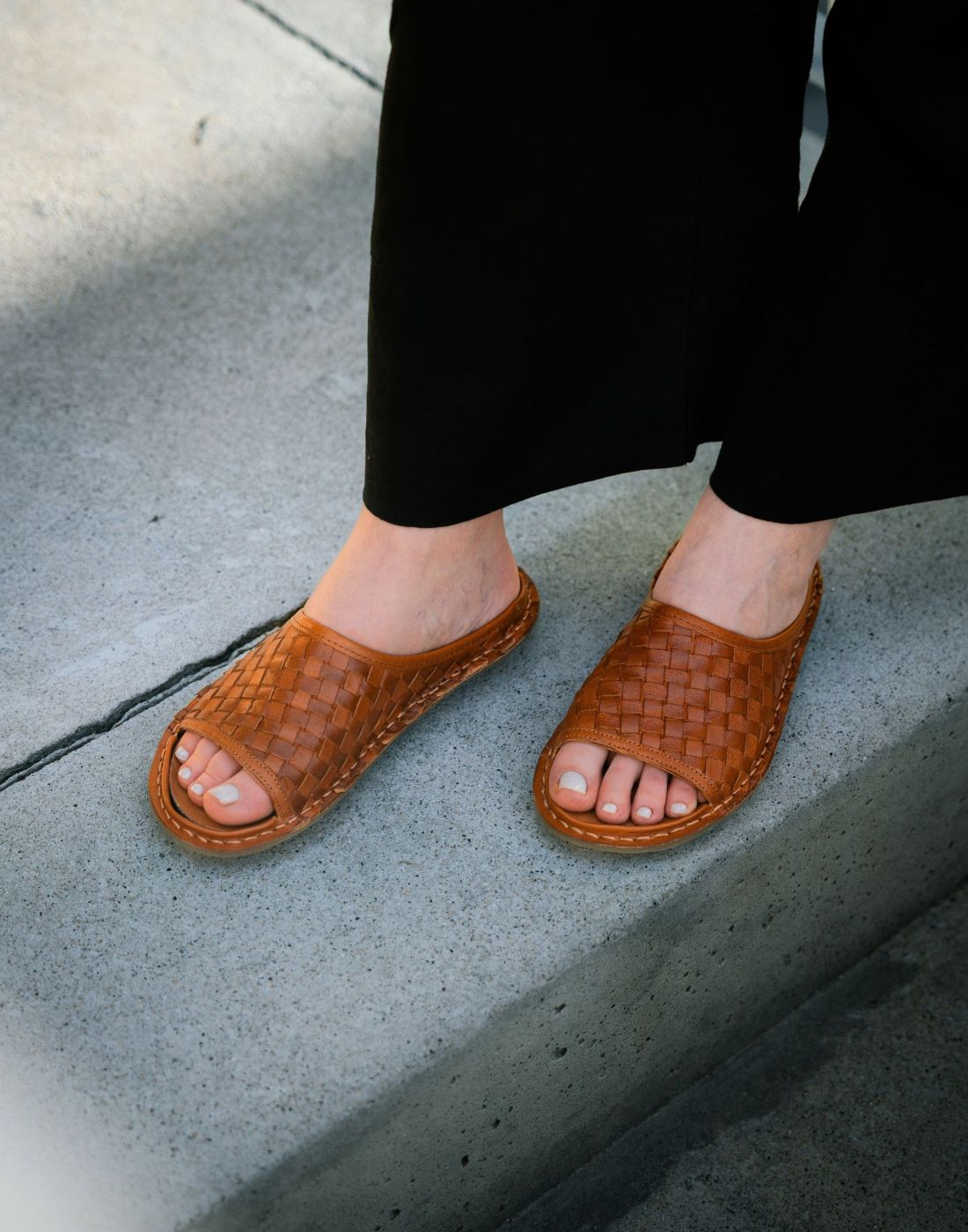
Leather that's been left alone ages. Leather that's been heavily coated peels. That's the whole distinction, and it decides most of a leather shoe lifespan before you've worn it once. Full-grain leather durability comes from the grain layer staying intact rather than being buffed off and sprayed with a plastic finish; the fibres stay dense, so the surface creases instead of cracking.
VIBAe uses vegetable-tanned leather rather than chrome-tanned, from LWG-audited tanneries and made from food-industry by-products. The vegetable tanning is why the colour deepens into a patina rather than staying pristine — see the full list on Our materials.
Construction and sole
How the upper meets the sole decides whether a shoe can be kept alive. VIBAe shoes are handmade in a family-run factory outside Porto, where laser cutting handles some of the cutting but most of the assembly is still done by hand. Each pair gets a natural rubber outsole, tapped from trees without cutting them down.
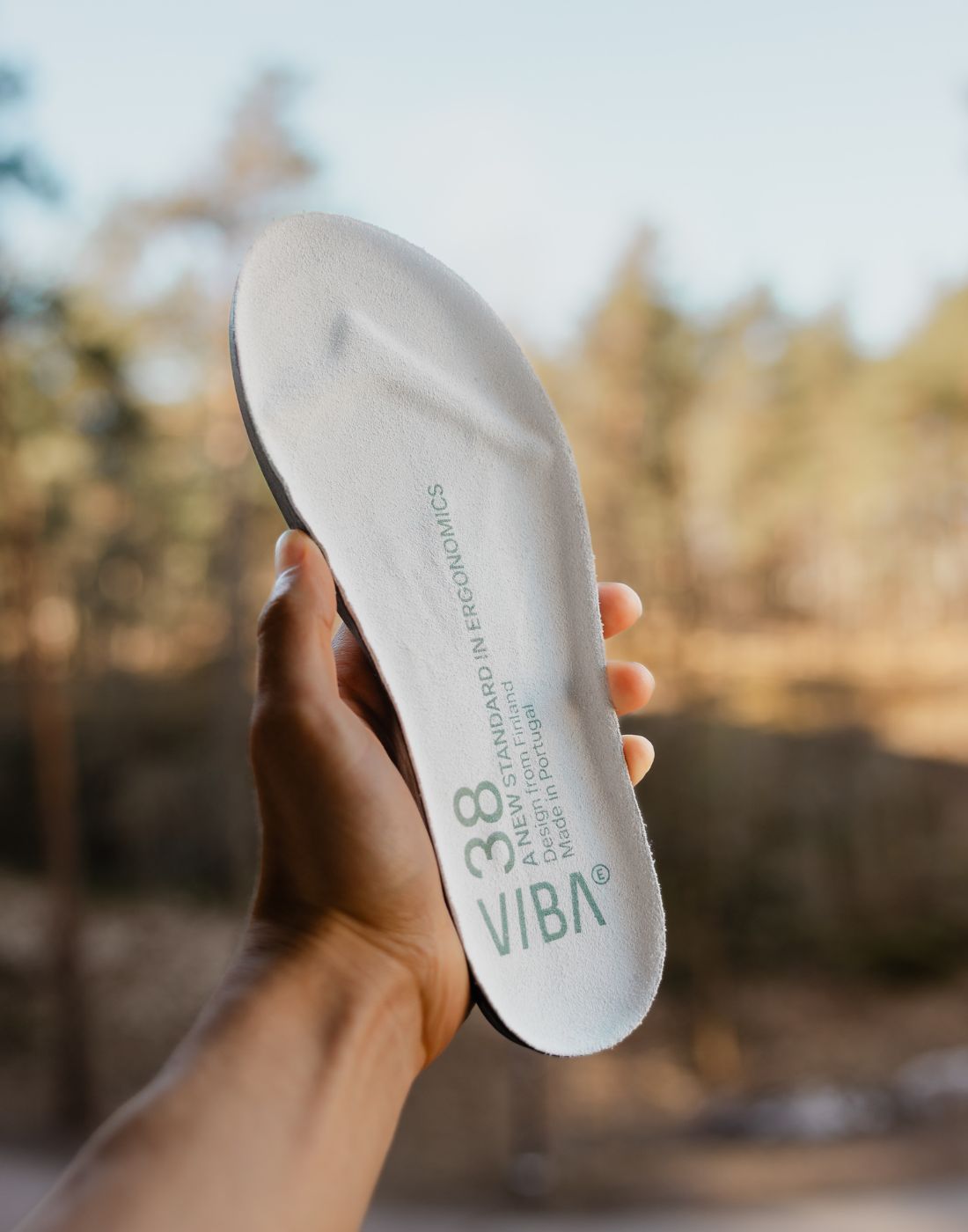
The part that usually wears out first isn't the leather at all — it's what's under your foot. Every pair carries a Carbon Step™ footbed, removable on most styles, built to the 11/14/7 formula: 11 mm of cushioning at the heel, 14 mm of support at the arch, 7 mm at the forefoot. Because it's a replaceable insole rather than a glued-in layer, a compressed footbed is a fix that costs from £45.00, not a new pair of shoes. That single design decision does more for longevity than any conditioner.
How often you wear them, and on what
Daily wear with no rest day is the quickest way to shorten a pair's life. Feet put moisture into leather every day, and leather that never dries fully stays soft, stretches unevenly and breaks down from the inside. Add salted winter pavements, wet city grit and a radiator, and you've compressed years into months. Salt draws moisture out and leaves white tidemarks; direct heat shrinks and hardens the fibres. Neither is reversible.
1,098 days in one pair: what three years of wear looks like
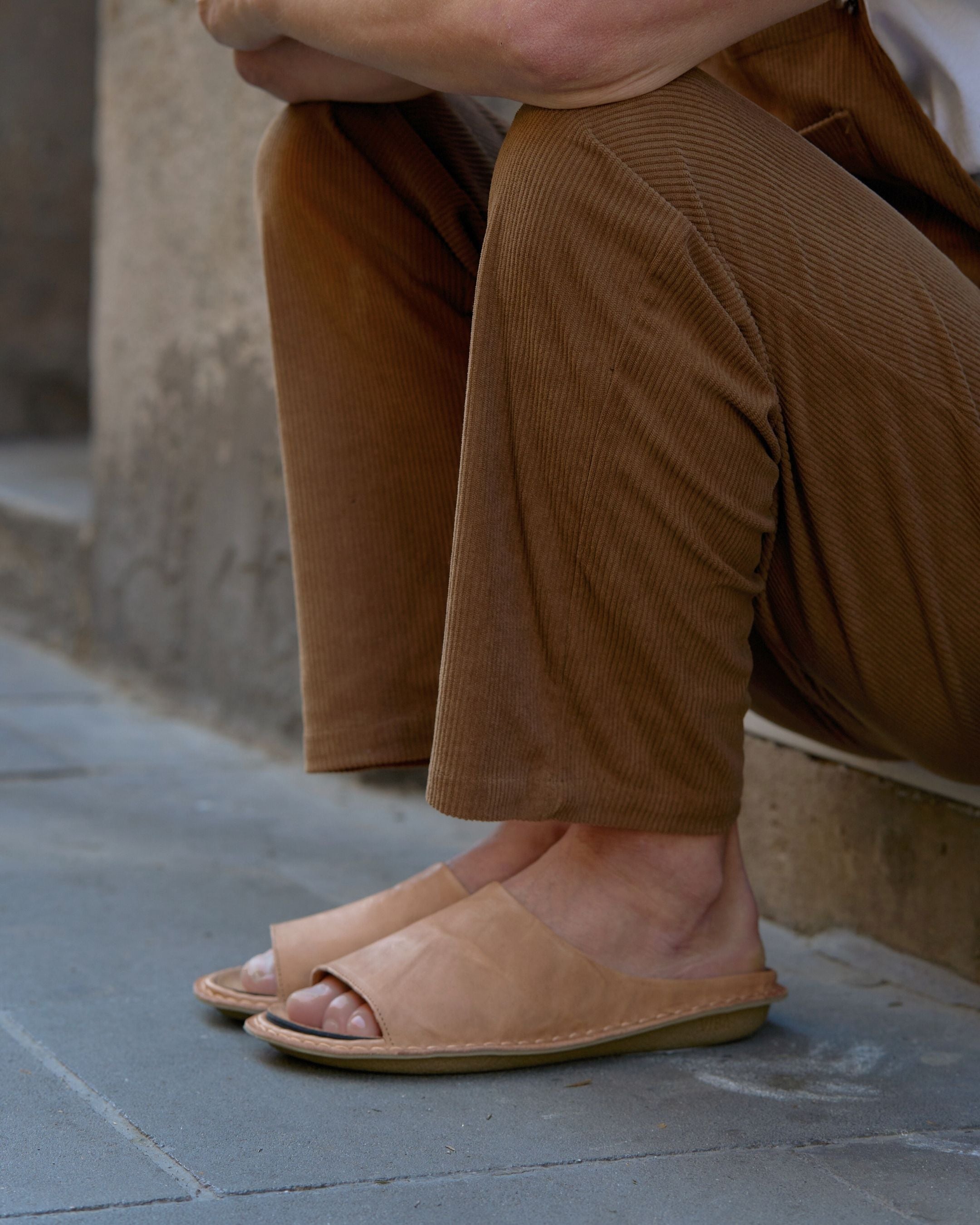
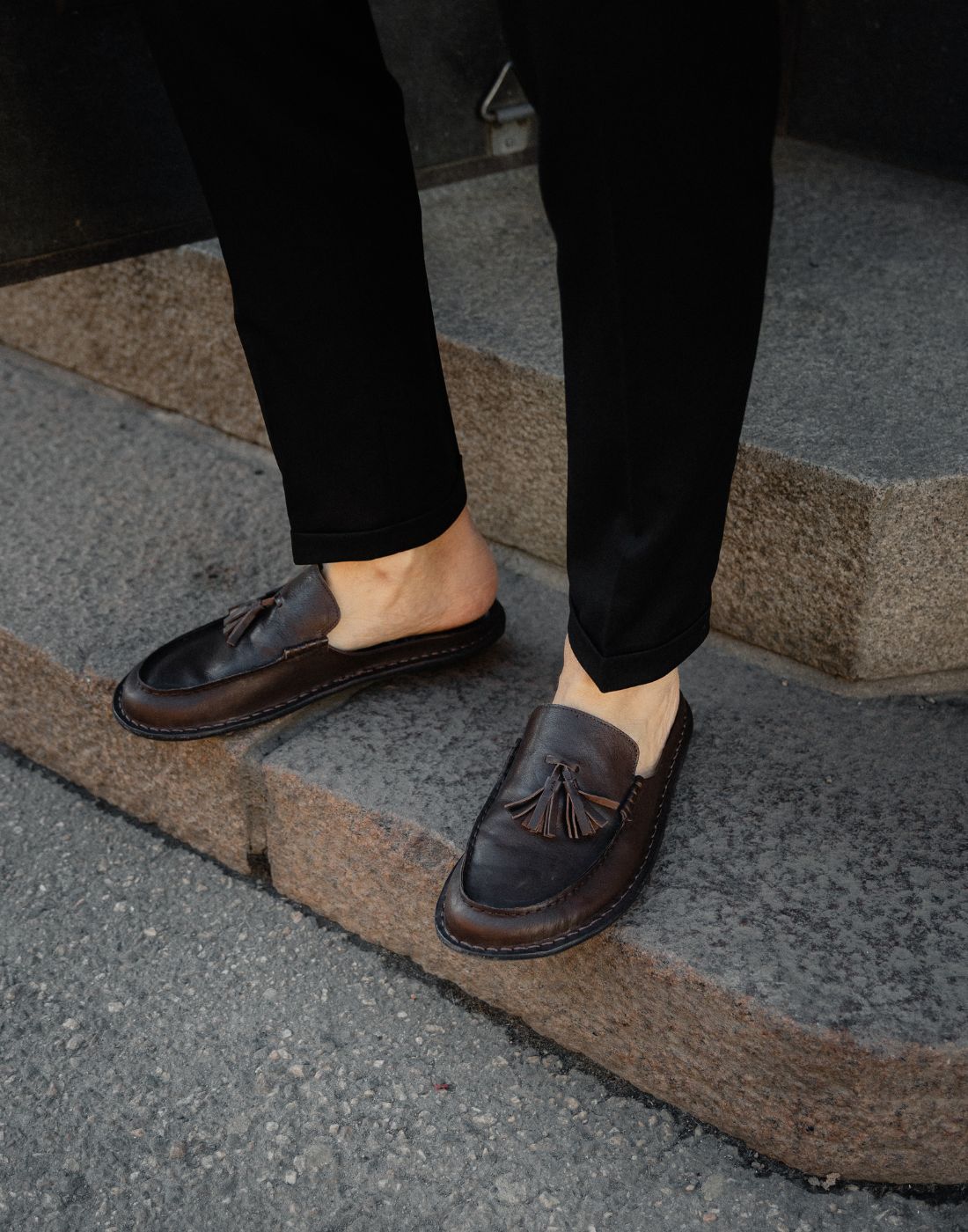
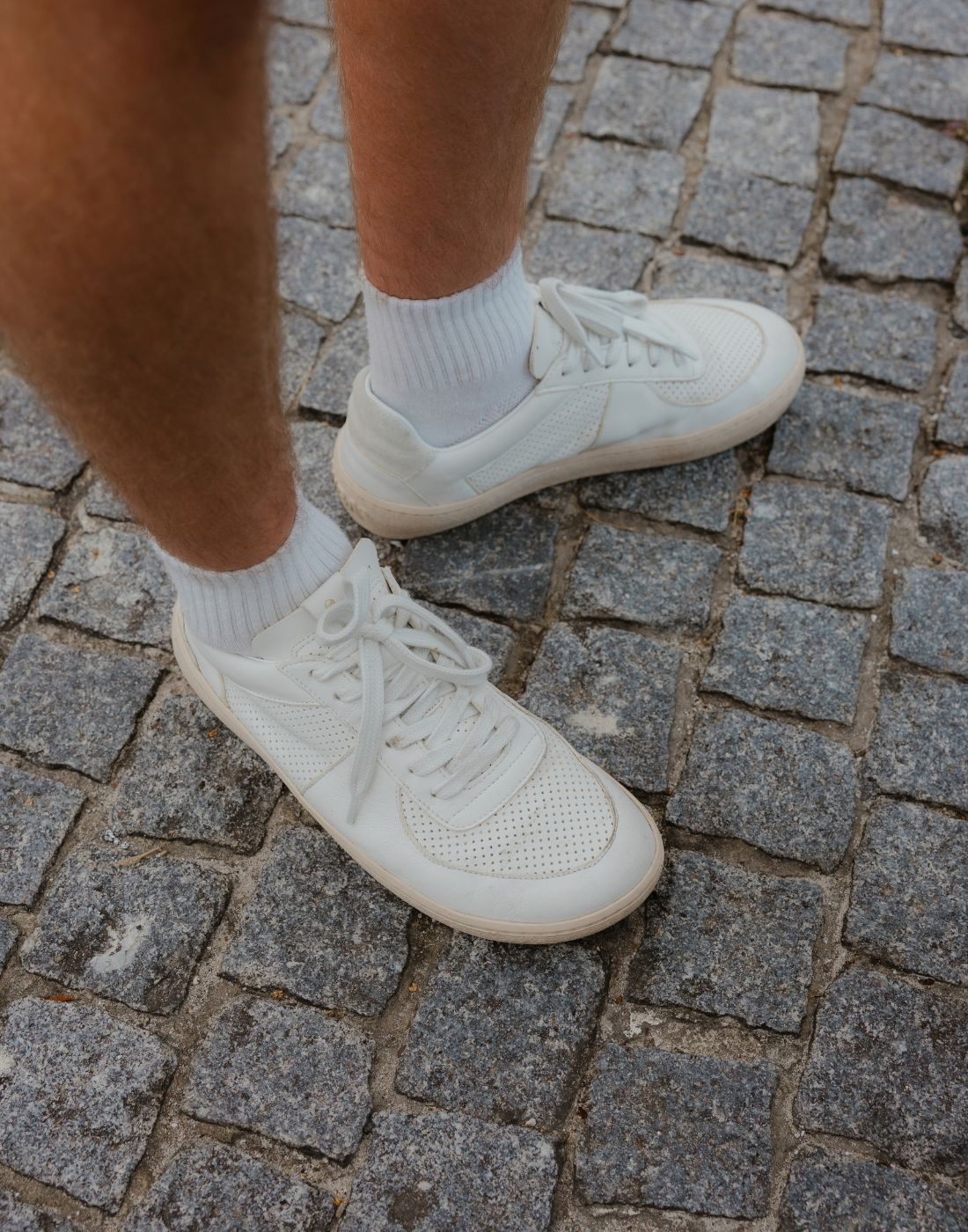
The endurance test was simple: one of our founders wore the same ZUMA pair almost every day, for over a thousand days, rather than resting it as we'd normally advise. We photographed a brand-new ZUMA pair beside the worn one, and the leather had aged well. As the journal post puts it: don't you just love that leather?
The lesson wasn't that the shoe survived — it was that it shouldn't have had to. Rotate your pairs and let them rest; a shoe that never gets a day off ages faster than one that does.
Our care advice is simple. VIBAe shoes are ready to wear out of the box; a water-repellent spray is optional. When the leather starts to dry out, work in PROTECTIVE CREAM, or any leather shoe cream, then spray again. Beeswax and long spells in the sun darken leather further, which is part of the patina, not a fault. The Carbon Step™ footbed is antibacterial and doesn't need washing; its suede cover can be hand-washed gently with soap and water, and a replacement Carbon Step™ footbed is sold separately for whenever the original wears through.
We're not holding this pair up as proof that every pair lasts 1,098 days. The takeaway is the one in the journal post: rotate your pairs and look after the leather. Read the full story in Don't do what we do — 1,098 days of wear.
Cost per wear: fast fashion versus a quality leather shoe
The purchase price is the wrong number to compare. Cost per wear is the right one, and the arithmetic is simple: purchase price divided by the number of times you actually wear the shoes. A cheap pair worn a dozen times before the sole separates can cost more per wear than a leather pair you're still reaching for three years later.

| A fast-fashion pair | A leather pair built to be maintained | |
|---|---|---|
| The calculation | Purchase price ÷ number of wears | Purchase price ÷ number of wears |
| Purchase price | Whatever you paid — use your own figure | A well-cared-for leather pair — use its price |
| Wears before it's finished | Count honestly, including the pairs you stopped wearing because they hurt | Counted in years when you rotate pairs and keep up the care |
| Cost per wear | Your price ÷ your wear count | Purchase price ÷ your wear count |
| When the worn part gives out | Typically glued construction, so a worn sole or insole usually ends the shoe | Swap the Carbon Step™ footbed, from £45.00, and keep the shoe |
| End of your use | Usually the bin | Pre-Loved resale and recycling with partner Ninyes |
Fill in both columns yourself with your own price and your own wear count; we're not going to invent someone else's numbers. The formula does the rest: the longer a well-cared-for pair stays in rotation, the lower its cost per wear gets, which is the entire case for buying one you intend to keep wearing. For more on vetting a brand's promises, see how to judge a shoe brand's claims.
Prices and specifications change, so check the store for current details. If the higher figure still sits awkwardly, our journal post Yes, our shoes are pricey explains why we keep prices where they are. Free standard shipping applies to purchases over €100, and returns are free within 30 days of delivery, minus a €10 restocking fee.
Vegetable-tanned leather, no nasty shortcuts. See what goes into every pair. Explore Our Materials
Do leather shoes last longer than synthetic ones?
Generally, yes, when the leather is full-grain and the shoe is built to be maintained. Do leather shoes last longer than a well-made synthetic pair? Not automatically. A carefully constructed synthetic shoe will outlive a cheaply made leather one every time, so construction predicts lifespan better than material does.
The mechanism behind leather vs synthetic shoes is restoration. Leather is a fibre structure you can feed: cream replaces the oils that wear and weather pull out, so the surface stays flexible and small scuffs blend into the patina. Most coated synthetics can't be fed. Once the polyurethane surface crazes and lifts, there's nothing underneath to restore, and the damage only spreads. So the honest version of the question isn't which material wins in the abstract. It's whether the shoe in your hand can be repaired, re-creamed and fitted with a fresh footbed when the old one flattens.
Habits that add years to a leather shoe
Most of how to make leather shoes last longer sits in five small habits: rotate, brush off salt the same day, cream early, dry slowly, and swap the footbed rather than the shoe. A leather shoe care routine like that takes a few minutes a week and buys you years. None of it is complicated. It's mostly about doing small things before they turn into big ones.
- Rotate. Rotating shoes is the cheapest win available: daily wear on the same pair, day after day, never lets the leather dry out properly. Give each pair a day off and the fibres recover.
- Brush off salt and grit the same day. Once winter salt dries into the grain it pulls moisture with it. A soft brush and a damp cloth are enough.
- Cream before the leather looks thirsty. Waiting until it's grey and dull means you're repairing rather than maintaining. Creams live in our shoe care products.
- Dry away from direct heat. Room temperature, away from radiators, never in front of a fire. Stuff wet shoes loosely with paper to hold the shape.
- Swap the footbed, not the shoe. When the Carbon Step™ footbed flattens, replace it and carry on. That's what removable means.
When a pair has finished its life with you but not its life altogether, Pre-Loved, VIBAe's resale and recycling concept with partner Ninyes, is the alternative to the bin. That's what slow fashion footwear looks like in practice: fewer pairs, kept longer, then passed on. If you want to buy leather shoes that last, buying the repairable one is most of the decision.
Frequently asked questions
How many years should a well-made pair of leather shoes last?
Years rather than seasons, with a wide spread either side. There's no fixed answer to how long leather shoes last, because a pair worn daily on salted winter pavements ages far faster than the same pair rotated and creamed. Our own reference point is 1,098 days of wear on one pair.
Does wearing the same leather shoes every day shorten their life?
Yes, noticeably. Feet add moisture to leather all day, and a pair worn every day never dries fully, which softens the fibres and accelerates wear inside the shoe where you can't see it. Alternating between two pairs is the cheapest way to extend both.
Which part of a leather shoe usually wears out first?
The footbed, in most cases, followed by the outsole where your foot pushes off. The Carbon Step™ footbed compresses well before the leather upper shows any structural wear, which is why judging a shoe's remaining life by the state of its insole is misleading.
Can a worn footbed be replaced instead of buying new shoes?
Yes. Most VIBAe styles use a removable Carbon Step™ footbed built to the 11/14/7 formula (11 mm at the heel, 14 mm at the arch, 7 mm at the forefoot), and replacements are listed from £45.00. Lift out the old one, drop in the new one, and the shoe carries on.
None of this makes a shoe immortal. It makes it maintainable, which is the closest thing to lasting that footwear offers: a quiet shape you still reach for, leather you can feed, a footbed you can swap, and Pre-Loved when your own years with the pair have run out.
A little care goes a long way — simple tips for long-lasting leather. Read Care Instructions