


Foot shaped shoes: why your shoes should match your feet
Created: 2026.08.21 | Modified: 2026.08.20
What are foot shaped shoes, and why does the shape matter? The case for shoes built like feet.
What are foot shaped shoes, actually?
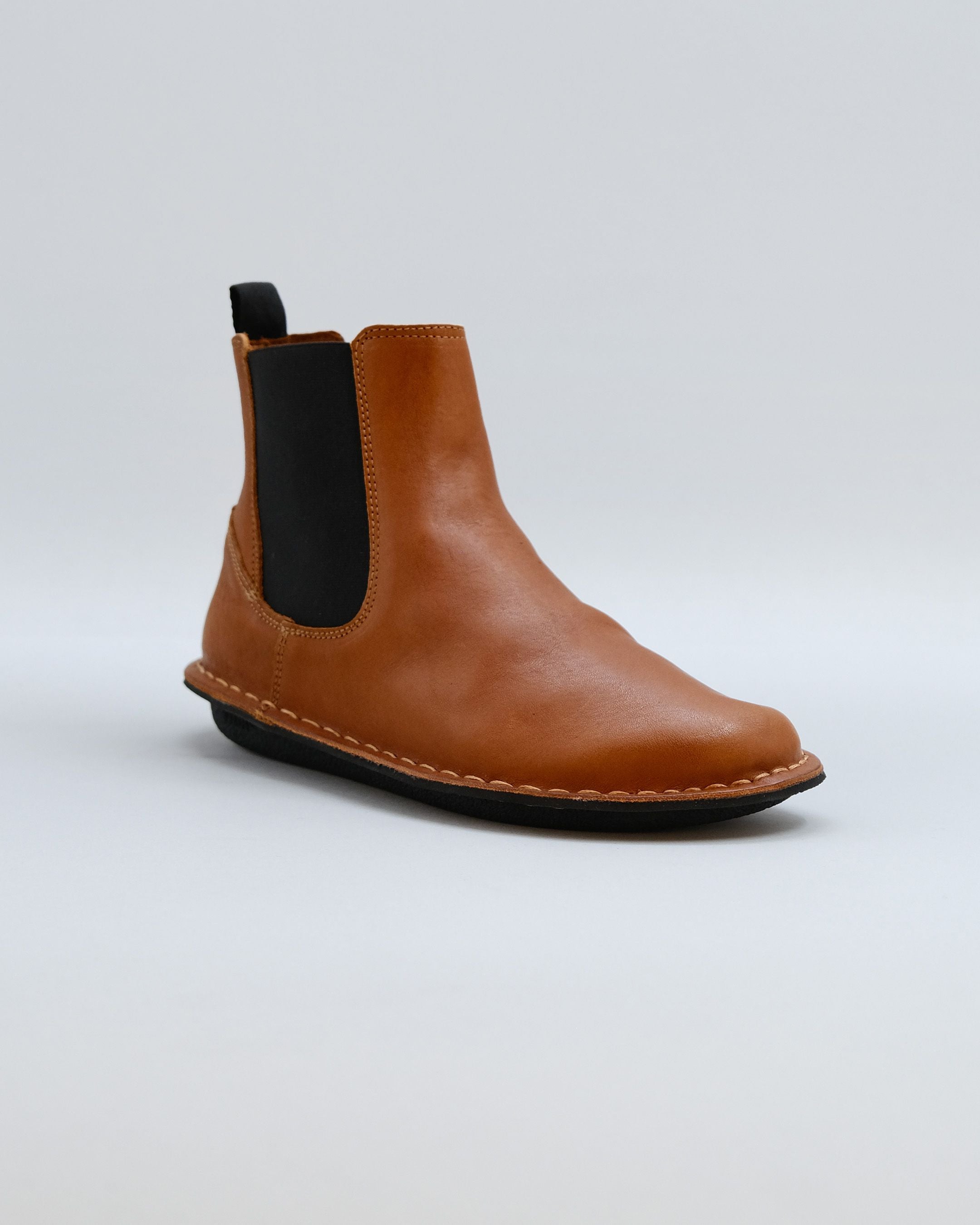
Foot shaped shoes are built on a last that follows the natural outline of a human foot: widest at the toes, straight along the inside edge, and roomy enough for the toes to splay. Conventional shoes narrow to a point ahead of the toes, so the foot has to adapt to the shoe rather than the other way round.
That single difference in shape explains a lot. Below, we walk through how feet are actually built, what a last is and why it decides everything about fit, how foot shaped fit differs from ordinary fit, and how to judge a pair for yourself without relying on the number printed inside the heel.
Most people notice the symptoms long before the cause. Toes that overlap or sit slightly on top of each other when the shoes come off. A hot spot along the outside of the little toe by mid-afternoon. Shoes that felt fine for the five minutes you stood in them on a shop floor and felt distinctly smaller by the time you walked to the station. None of that means your feet are the wrong shape. It usually means the shoe was drawn as a shape first and fitted to a foot second.

Anatomical shoes and the foot underneath them
Anatomical shoes are footwear designed around how a foot is actually built rather than around a fashion silhouette: a toe box shaped like toes, a low heel-to-toe drop, a sole that bends where the foot bends, and a midfoot that holds without squeezing. The payoff is simple. Your foot gets to do its own work.
A foot contains 26 bones, more than 30 joints, and soft tissue built to spread under load. Take a step and the forefoot widens, the arch flattens slightly and recovers, and the toes fan outwards to give you a broader base. That fanning motion is toe splay, and it is the part most shoes quietly prevent. Because splay happens at the toes, the widest part of a loaded foot sits at the toes too, not at the ball. A great many shoe shapes assume the opposite and taper from the ball forwards, which is why the little toe so often ends up doing the negotiating.
Natural foot shape footwear covers the whole family of designs that start from that anatomy: wide toe box shoes at every level of minimalism, flexible sole shoes that let the foot bend at the joints instead of fighting a rigid plate, and zero drop shoes, where the heel and forefoot sit at the same height off the ground. Readers with bunions, wide feet, or feet that simply object to being tapered often arrive here looking for shoes for wide feet or shoes for bunions, and find the language of lasts more useful than the language of sizes.
To be plain about it: roomy, flexible shoes are a comfort choice, not a treatment. We can describe how a shoe is shaped and how it tends to feel; we cannot describe what it will do to a foot condition, and persistent pain, numbness or a change you did not expect belongs with a podiatrist or your GP. For the cheerful version of the anatomy, our journal pieces Viva la wiggling toes and we warned you about your feet make the same case with fewer bones and more wiggling.
Foot shaped last vs traditional last
A last is the wooden or moulded form a shoe is built around, and it is the single decision that makes a shoe foot shaped or not. A foot shaped last puts its widest point at the toes and keeps the inside edge close to straight. A traditional last puts its widest point at the ball and tapers to a centred or offset point in front of the toes. Everything else follows from that.
The relationship between foot shape and shoe last is worth understanding before you open any product page, because no amount of soft lining rescues a shape narrower than the foot inside it.
| Feature | Foot shaped last | Traditional last |
|---|---|---|
| Widest point | At the toes, matching a loaded foot | At the ball, narrowing forwards |
| Toe box shape | Wide and rounded, follows the toe line | Tapered, pointed or almond |
| Room for toe splay | High | Low |
| Inside edge | Close to straight, so the big toe stays in line | Curved inwards, angling the big toe |
| Sole flexibility | Flexible, bends with the foot | Stiff to moderately stiff |
| Heel-to-toe drop | Low | Moderate to high |
| End of a long day on hard floors | Roomier as the foot swells | Tighter as the foot swells |
| Visual line | Broader, softer front | Longer, sharper front |
| Adjustment needed | Some, especially from narrow shoes | Little, it is what feet are used to |
Both have honest arguments in their favour. A tapered last draws a longer visual line, and almost the entire footwear market is tooled for it, which is why narrow shoes come in every size and a genuine wide fit does not. A foot shaped last asks something of you in return: if your feet have spent decades being tapered, the first weeks in a broader, lower, more flexible shoe can feel unfamiliar before they feel good. That is a real trade-off, not a marketing footnote.
Most of us started with ROMA. One pair in, you'll understand the fuss. Shop ROMA
Choosing foot shaped shoes in the UK: sizing and fit
Buying foot shaped shoes in the UK comes down to two habits: measure rather than remember, and read the chart rather than assume your usual number. Length and width both matter, the larger foot sets the size, and a foot shaped last is judged by whether your toes can lift and spread inside it.
Measuring your feet before you order
- Measure at the end of the day, when your feet are at their largest. Feet swell over a day of standing, and a shoe that fits a morning foot can be tight by six o'clock.
- Stand on a sheet of paper against a wall with your heel touching the skirting and your weight evenly on both feet. Have someone mark the tip of your longest toe, which is not always the big toe.
- Mark the widest points on each side of the forefoot, then measure heel to toe and across the two width marks. That is how to measure foot width at home, on the same piece of paper you used for length.
- Repeat for the second foot. Almost everyone has one foot slightly larger, and that foot decides the size.
Reading a size chart instead of guessing your usual number
UK to EU shoe size conversion is not tidy. UK sizes run in whole and half steps that do not map cleanly onto EU numbers, and conversions vary between brands, so a UK 7 is a starting point for a conversation rather than an answer. Width complicates it further: two shoes in the same EU number can differ enormously across the forefoot, which is precisely why people who search for shoes for wide feet often own three pairs in three different sizes. VIBAe runs one unisex range across sizes 35 to 48, so the same shape is available whether your feet are small and broad or long and narrow. Check the current measurements on our size chart before you order, since that page is the source of truth for sizing.
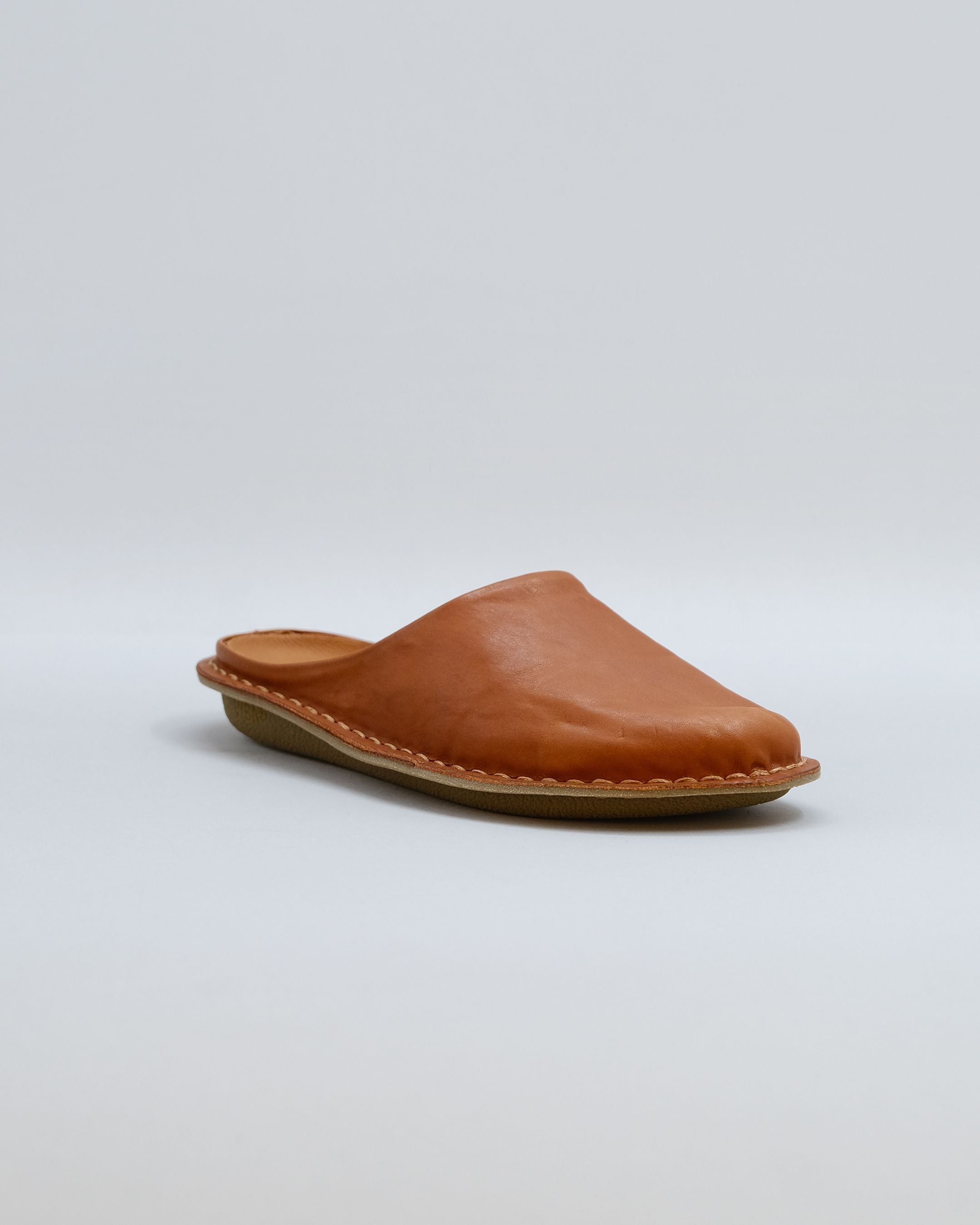
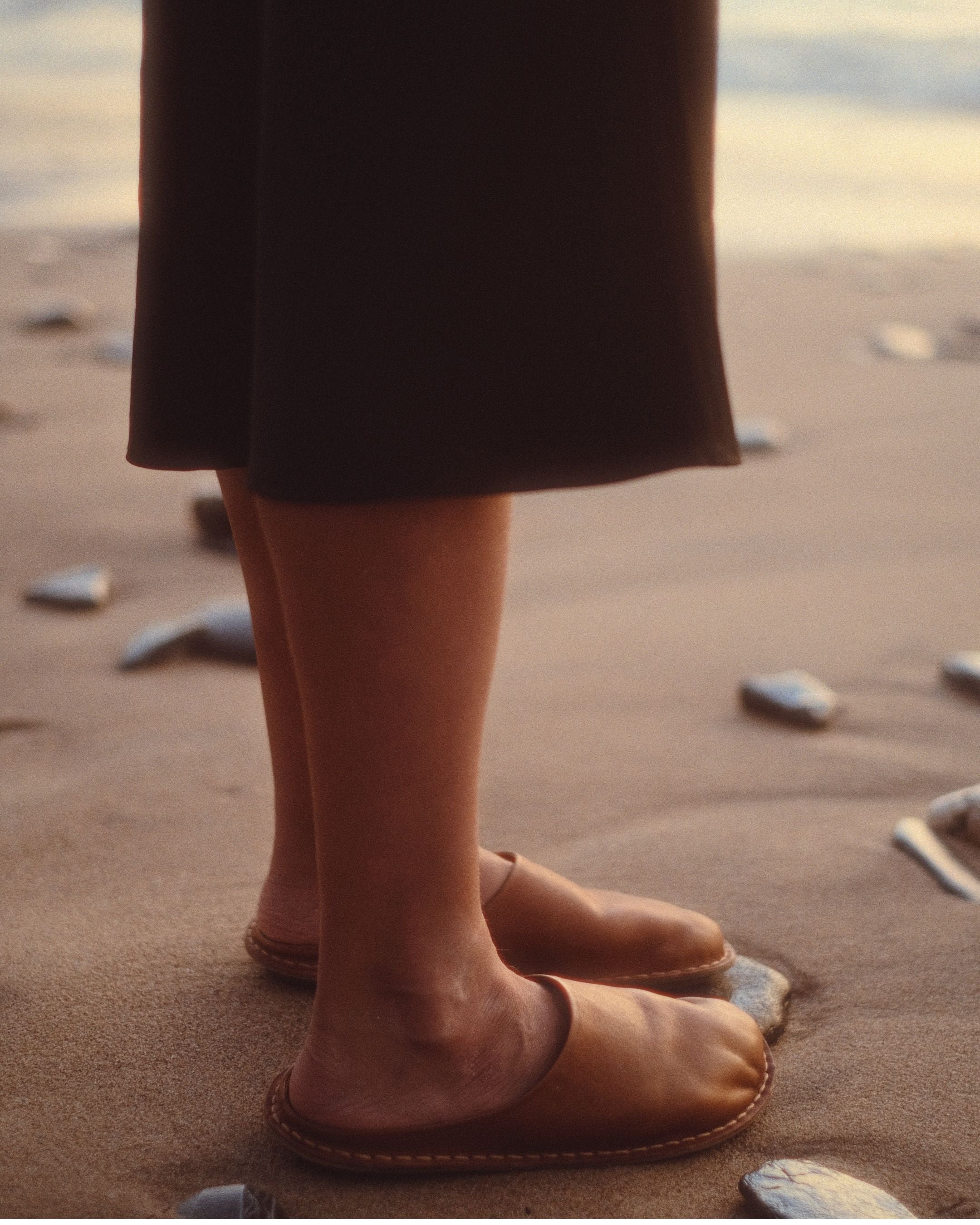
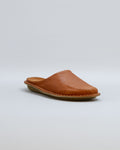
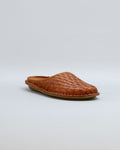
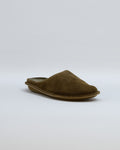
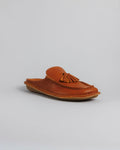
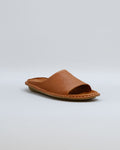
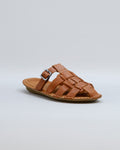
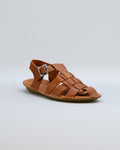
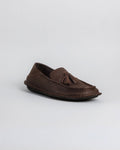
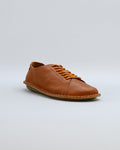
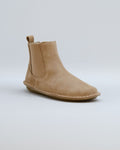
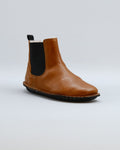
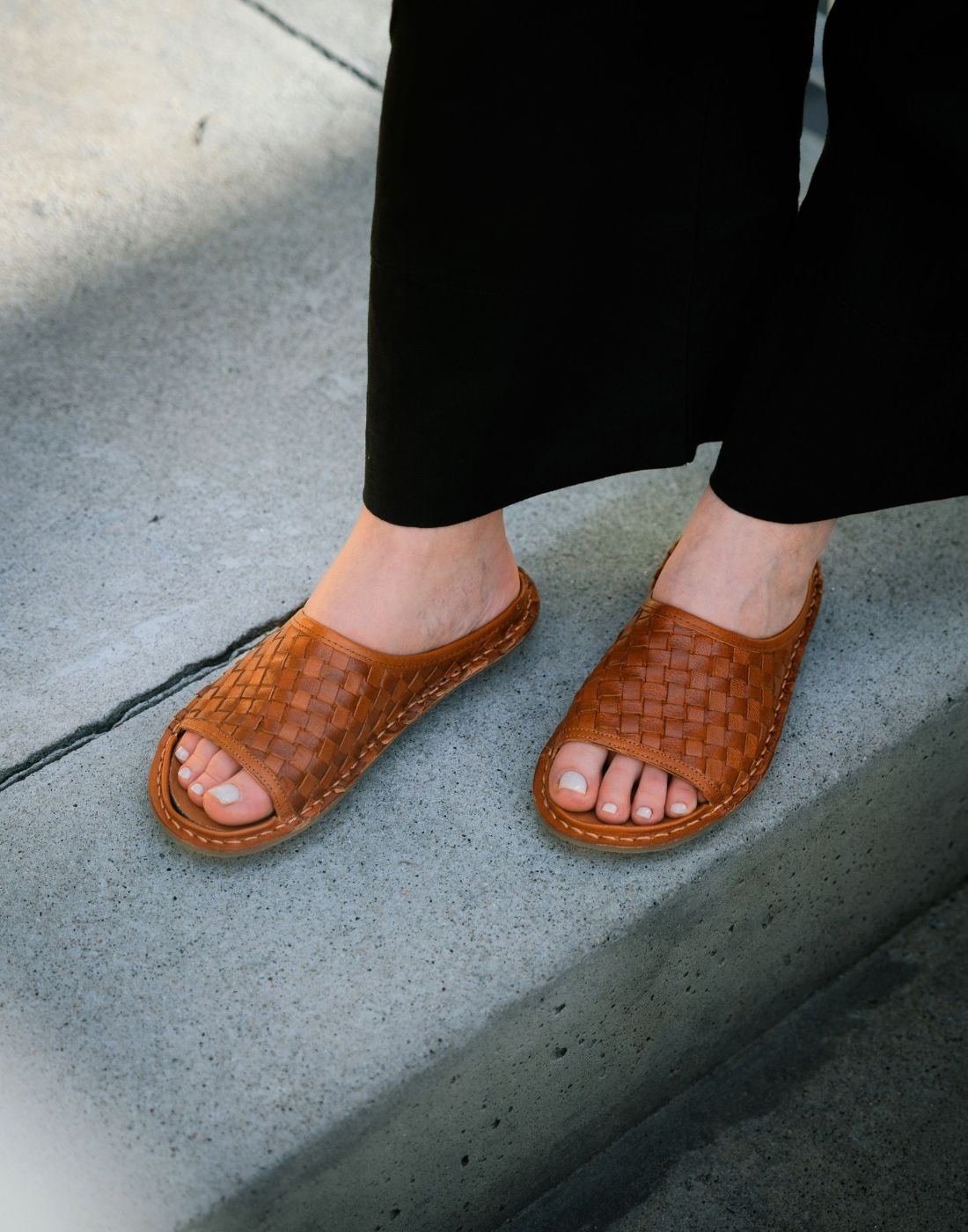
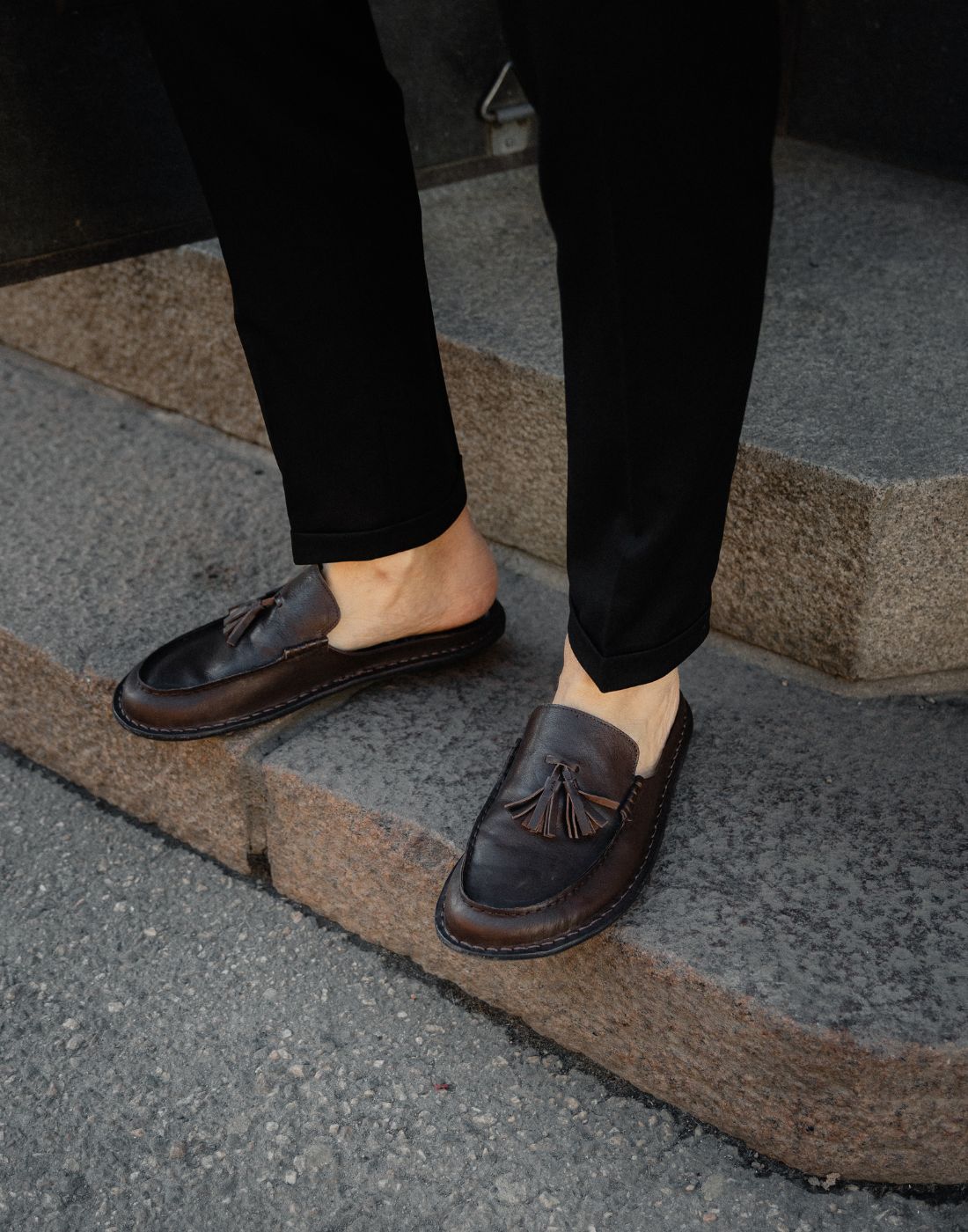
Your foot should fill the footbed from heel to toe, with no gap ahead of your longest toe: the leather is soft, will gently stretch where needed, and moulds to your foot with wear, so a perfect fit from the start is the right start. Our journal piece on how to get the correct fit with VIBAe shoes walks through the method. Good foot shaped fit has a recognisable feel: toes that can lift and spread without touching the sides, a heel held without gripping, and a midfoot that feels secure rather than clamped. If you buy wide fit shoes online in the UK, that checklist is what you test for indoors on a clean floor before you commit. ROMA — foot-shaped fit is the straightforward place to see what the shape looks like in practice, and the loafers and mules use the same last in a slip-on form.
Materials, wear and the adjustment period
Expect a settling-in period rather than instant transformation. A flexible, low-drop sole asks your feet, ankles and calves to do work that stiffer shoes were doing for them, so short wears first, longer days later. Transitioning to minimal shoes is gradual for most people, and rushing it usually produces sore calves rather than faster progress. An hour or two at a time for the first week, then normal errands, then full days, is a sensible pattern. If something hurts sharply rather than feeling worked, stop and check in with a health professional.
The materials reward that patience. VIBAe makes ergonomic leather shoes handmade in Portugal at a family-run factory, and vegetable tanned leather footwear behaves differently from coated or heavily finished leather: it takes on the shape of your foot over months, so the fit improves rather than degrades. It also needs care. Clean it, condition it occasionally, and keep it away from radiators. That is the trade-off you accept for a material that ages instead of peeling.
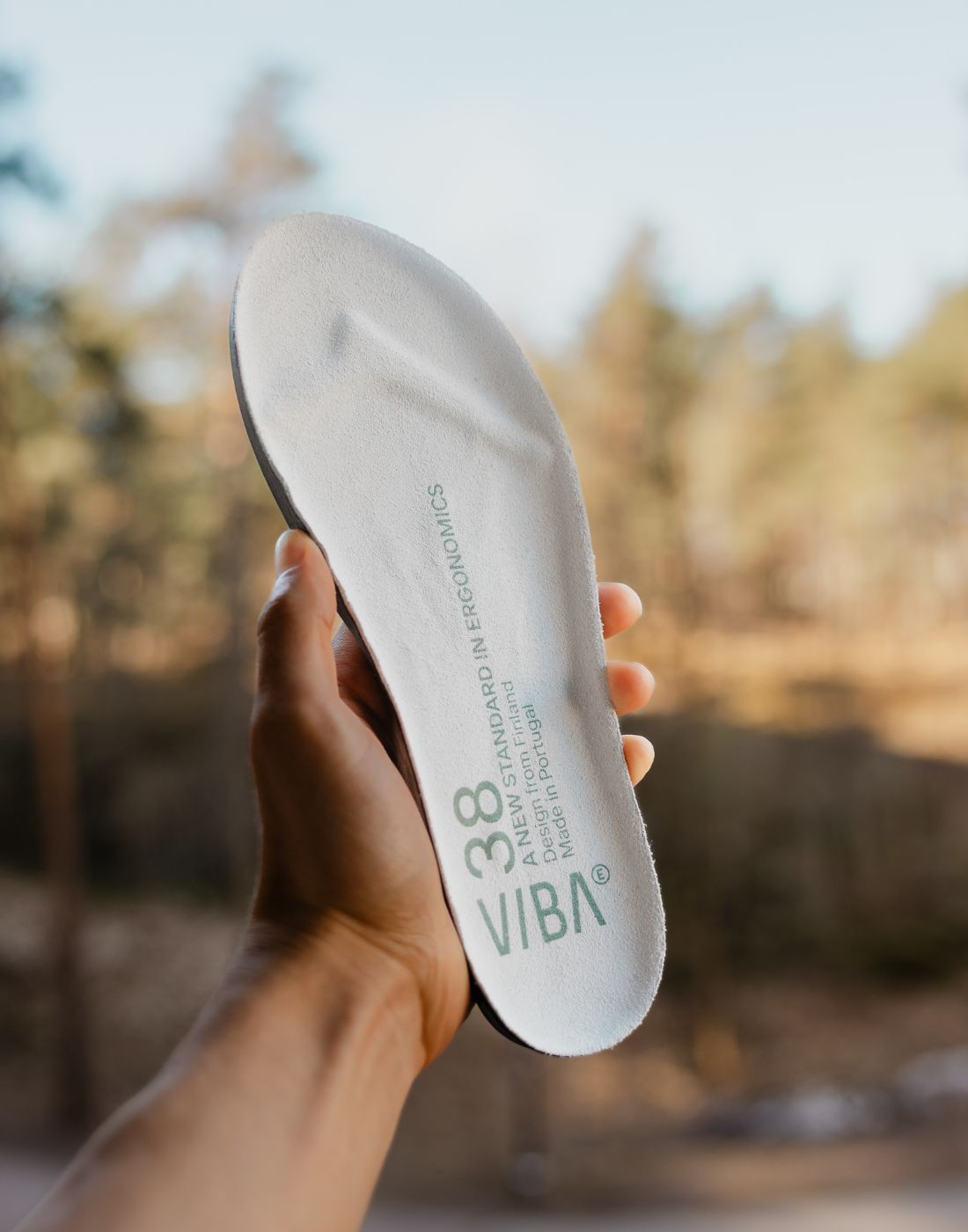
Two named practices keep a pair in circulation longer. The Carbon Step™ footbed is removable and replaceable, so when the insole wears out before the upper does, you replace the insole rather than the shoe. Pre-Loved resale gives a pair a second owner when it no longer suits you. Neither makes footwear impact-free, and we would rather say so than reach for broader claims. Making shoes uses resources; making them repairable and resellable uses fewer over the life of the pair.
Love your pair? Give it a fresh start with a replaceable Carbon Step™ footbed. Replace Your Footbed
Frequently asked questions
Are foot shaped shoes the same as barefoot shoes?
They overlap without being identical. Barefoot shoes are defined by minimalism: a very thin, flexible sole, no cushioning to speak of, and no drop. Foot shaped describes the outline of the last instead, so a shoe can be foot shaped with a cushioned footbed and a low drop, which is where VIBAe sits.
Do podiatrists recommend foot shaped shoes?
Opinions differ across the profession, and we cannot speak on its behalf. What we can say is what the design does: it gives toes room to splay and lets the sole bend. That is a comfort and fit choice, not a treatment. If you have ongoing foot pain or a diagnosed condition, ask a podiatrist about your own feet.
How long does it take to get used to foot shaped shoes?
It varies with how narrow and how cushioned your previous shoes were. People coming from soft trainers with a pronounced heel often notice their calves within the first week. Building up from short wears to full days over a few weeks is the usual approach, and if discomfort persists rather than fading, slow down.
Can foot shaped shoes look smart enough for work?
Yes, though the front is broader and softer than a tapered dress shoe, so the line is different rather than identical. A clean leather upper in a classic colour reads as smart in most offices. If your workplace requires a sharply pointed silhouette, a foot shaped last will not imitate it.
Where can I find foot shaped shoes in the UK?
Search terms like foot shaped shoes UK mostly return specialist brands rather than high-street chains, since the mainstream market is tooled for tapered lasts. VIBAe ships to UK customers from a Helsinki-born brand whose shoes are handmade in Portugal. Check the store for current sizing, stock and price, as those change.
What to take away
Four things stay true regardless of what any season's shoes look like. Feet are widest at the toes, so a shoe that narrows ahead of them is asking the foot to compromise. A last is a design decision, not a technical detail, and it sets the ceiling on how a shoe can ever fit. Fit is measured, not remembered, so trust the tape and the chart over your usual number. And comfort is judged after nine hours on hard floors, not in the first five minutes on a shop floor. If you are ready for a pair, start with the size chart, then the ROMA collection.