


Office loafers for women - all-day comfort
Created: 2026.08.20 | Modified: 2026.08.20
Office loafers that survive the 9-to-5: wide toe box, cushioned sole and leather that looks the part.
Office loafers women can wear from 9 to 5
Office loafers for women who spend the day at a desk, on trains, and in meeting rooms: leather loafers and mules built on a barefoot-style last, handmade in Portugal, in sizes 35 to 48. Smart enough for most workplaces, roomy where it counts. Toe-box space is the deciding factor, because over a nine-hour day that is what separates comfortable work shoes women keep wearing from the pair that lives under the desk.
Office loafers for women combine a wide toe box, a flexible low-drop sole, and a smart leather upper, so they read as proper workwear while letting your toes splay naturally from the first meeting to the last train home.
How do you choose office loafers for all-day wear?
Start with the shape of your foot, not the shape of the shoe. Four things decide whether a pair still feels good at 5pm: toe-box width, the footbed, the upper material, and how freely the sole bends.
- Toe-box width and foot shape. Conventional work shoes taper roughly where your toes need to spread. Wide toe box loafers follow the outline of a foot instead, so your toes splay rather than stack. If your feet swell after lunch, you notice this change first.
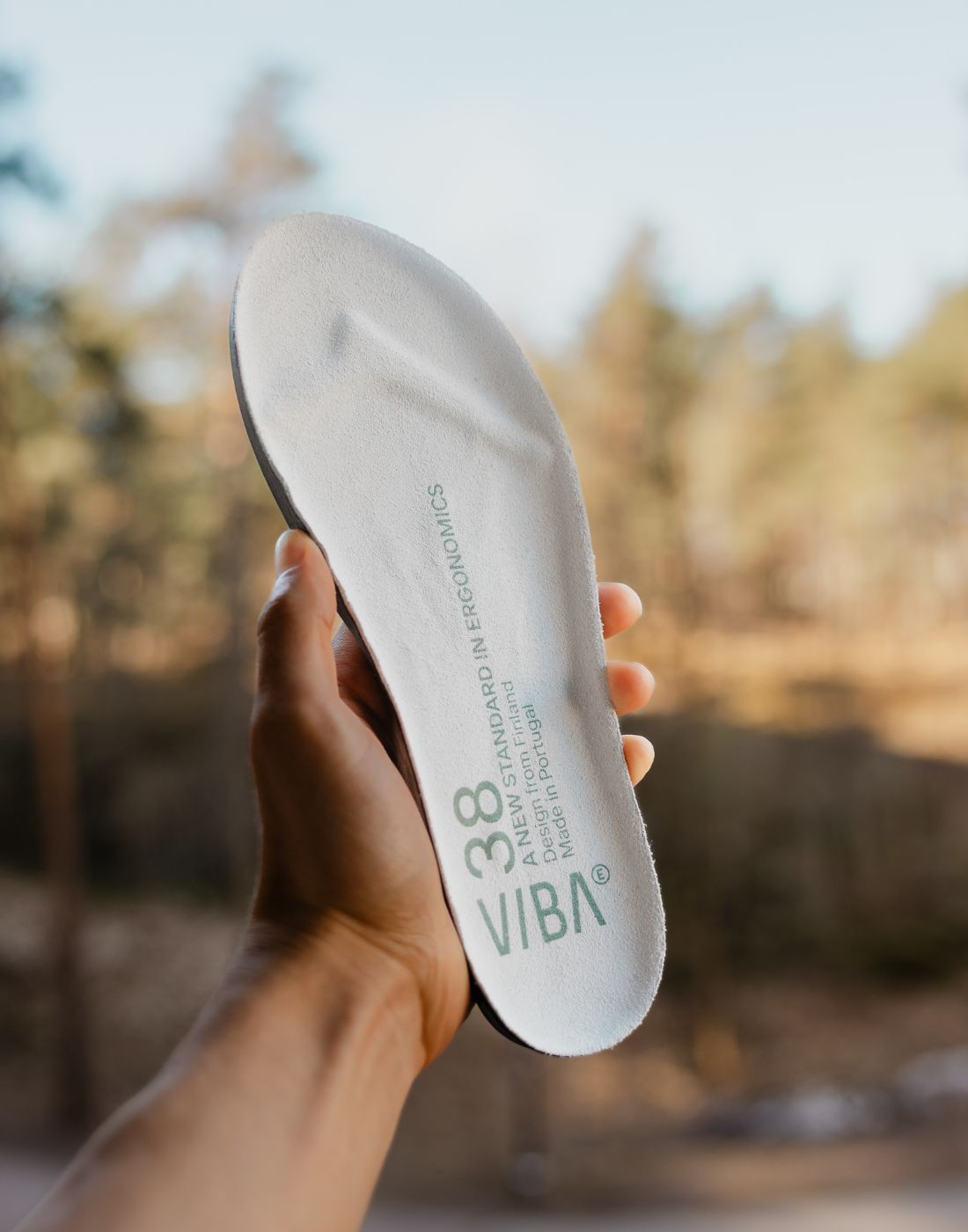
- Footbed and cushioning. VIBAe uses a replaceable Carbon Step™ footbed that cushions without propping your arch into a fixed position. Removable footbed shoes also age better: when the footbed flattens, you swap it and keep the shoe.
- Upper material. Leather moulds to your foot over the first weeks, easing across the widest part while holding its shape at the heel. Vegetable-tanned leather takes conditioning well; needing that care is the honest trade-off against synthetics.
- Sole flexibility. A flexible, low-drop sole lets your foot roll through each step and asks your feet to do work a stiff office shoe was doing for them. Expect a few weeks before flat loafers for work feel like second nature.
If you stand on hard floors all day, prioritise the footbed and rotate two pairs so each dries fully. If your commute involves a serious walk, choose a closed loafer with a secure heel rather than a backless style. Shoes for sensitive feet need room in three dimensions: width, depth, and length, so check the toe box before the cushioning. Persistent pain is worth a conversation with a podiatrist or GP rather than a new pair of shoes.
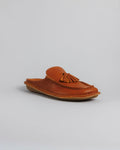
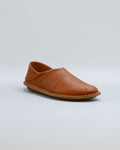
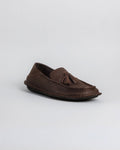
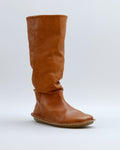
For a closed, tailored silhouette, the TRIBECA leather loafers are the most conventional-looking entry point into the range.
Get the right fit first time — most of us wear our usual size. Check the Size Chart

Work loafers for women: styles and what suits each day
Work loafers for women in this range share the same roomy last and the same flexible sole, so the choice comes down to closure, coverage, and how strict your workplace is.
Classic leather loafers for formal dress codes
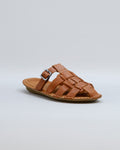
Closed, polished silhouettes suit a formal office shoe dress code and client-facing days. TRIBECA leather loafers hold their shape through repeat wear and sit quietly under trousers. For the strictest codes, black leather loafers are the safe answer; browse the black shoes selection to compare finishes. Leather loafers that women wear five days a week last longer if you rotate two pairs.
Loafers and mules for warm offices and short commutes
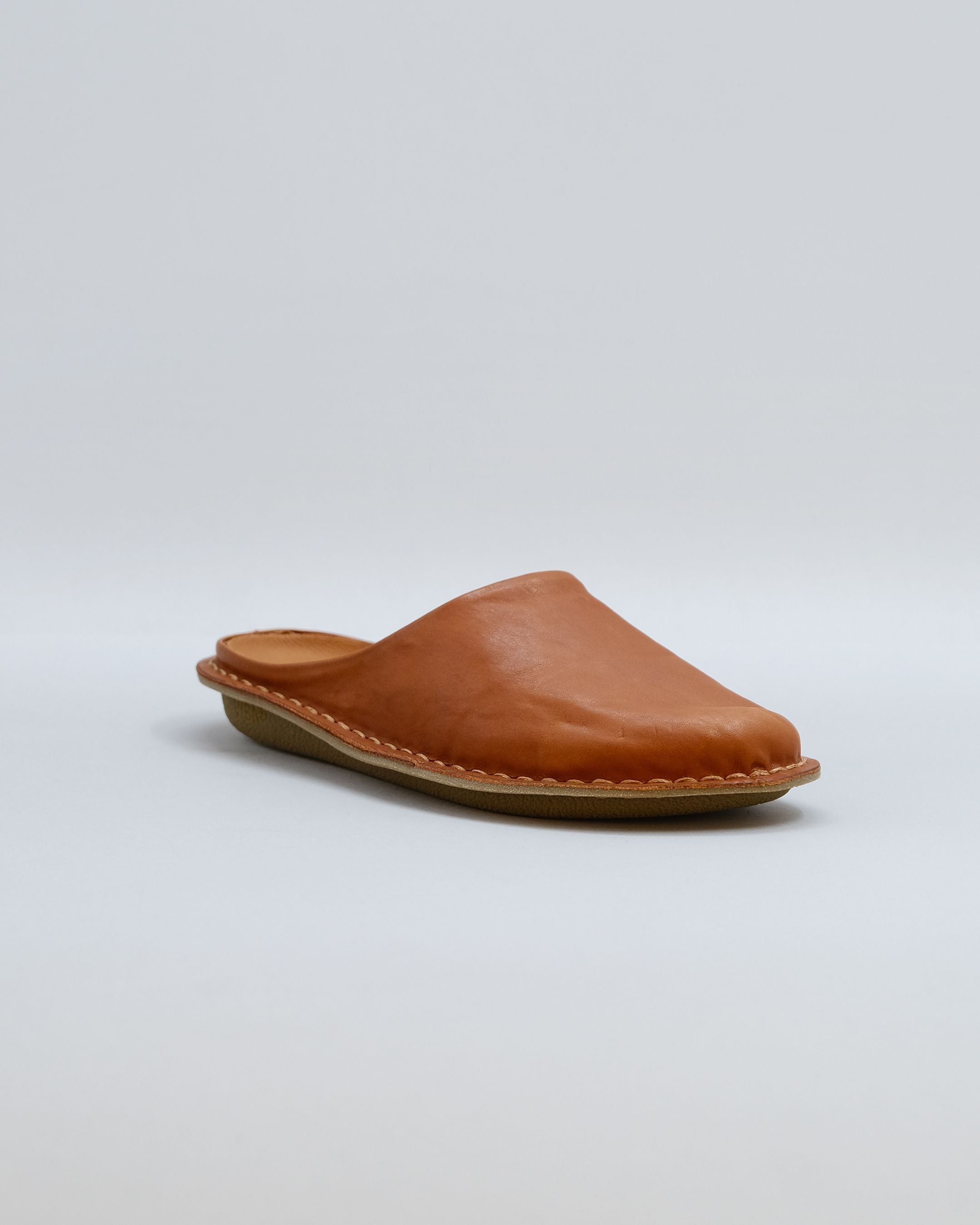
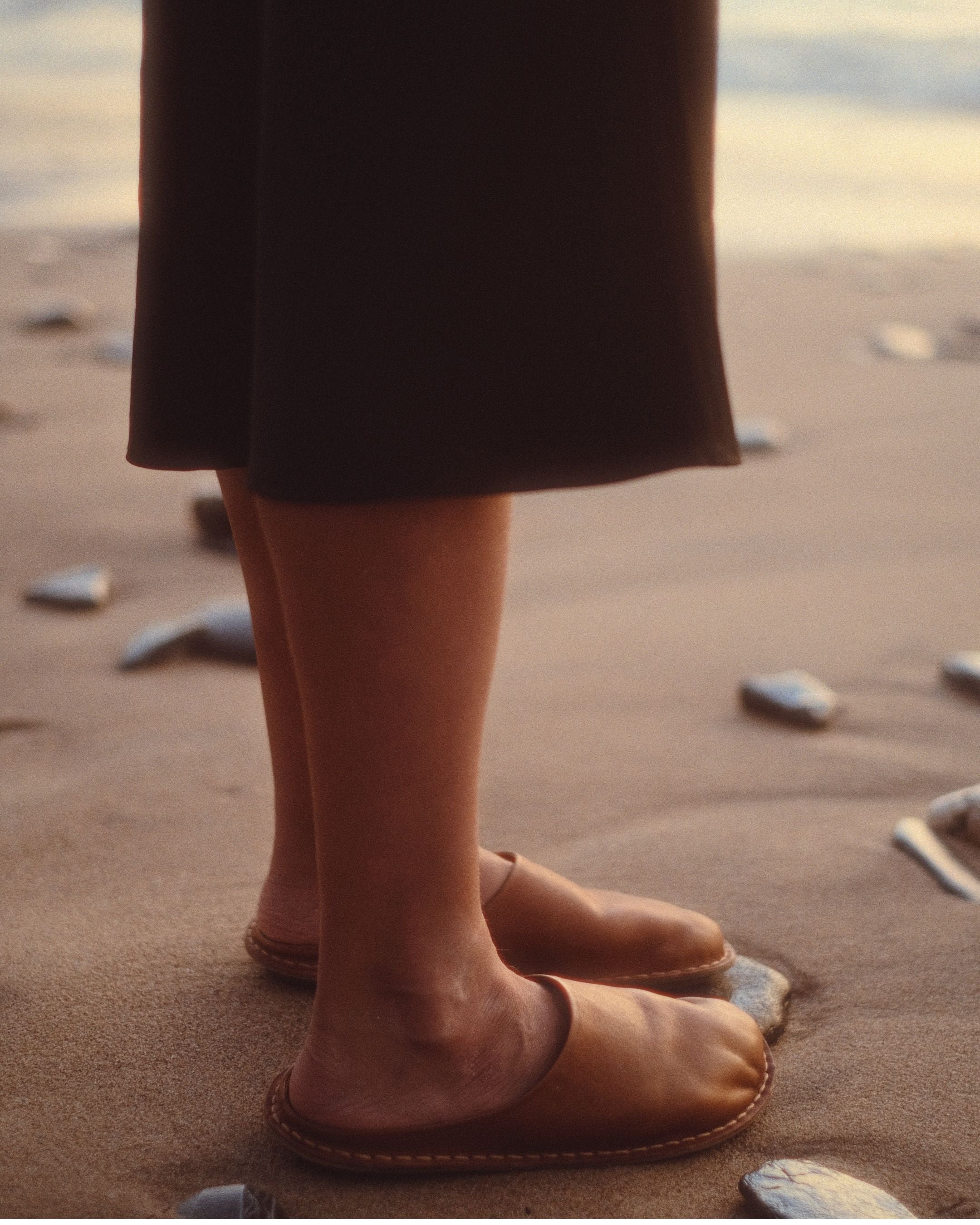
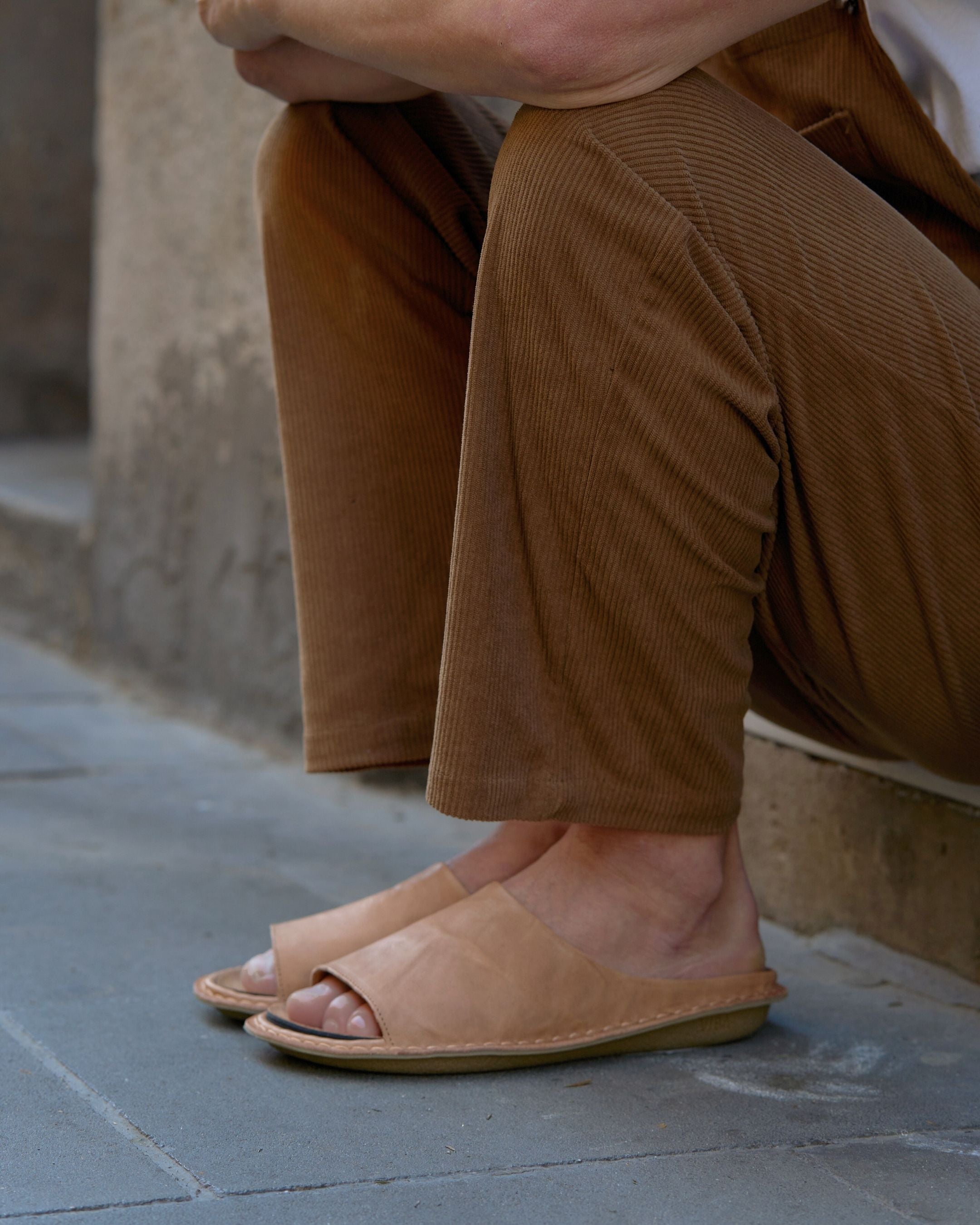
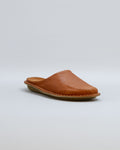
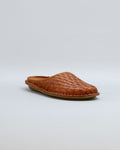
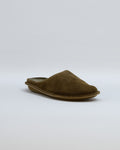
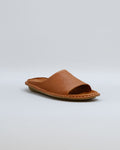
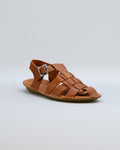
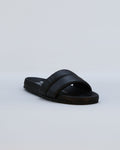
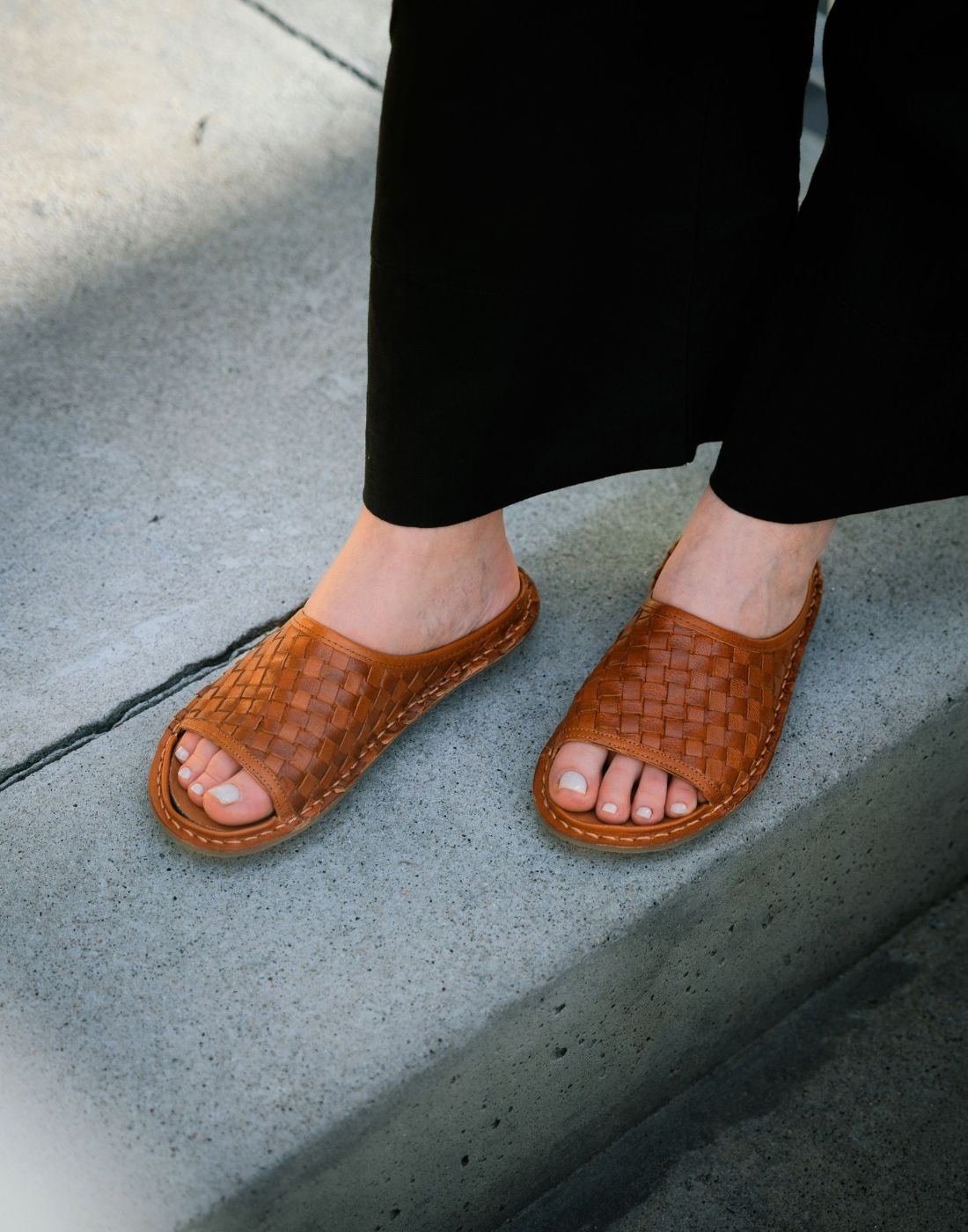
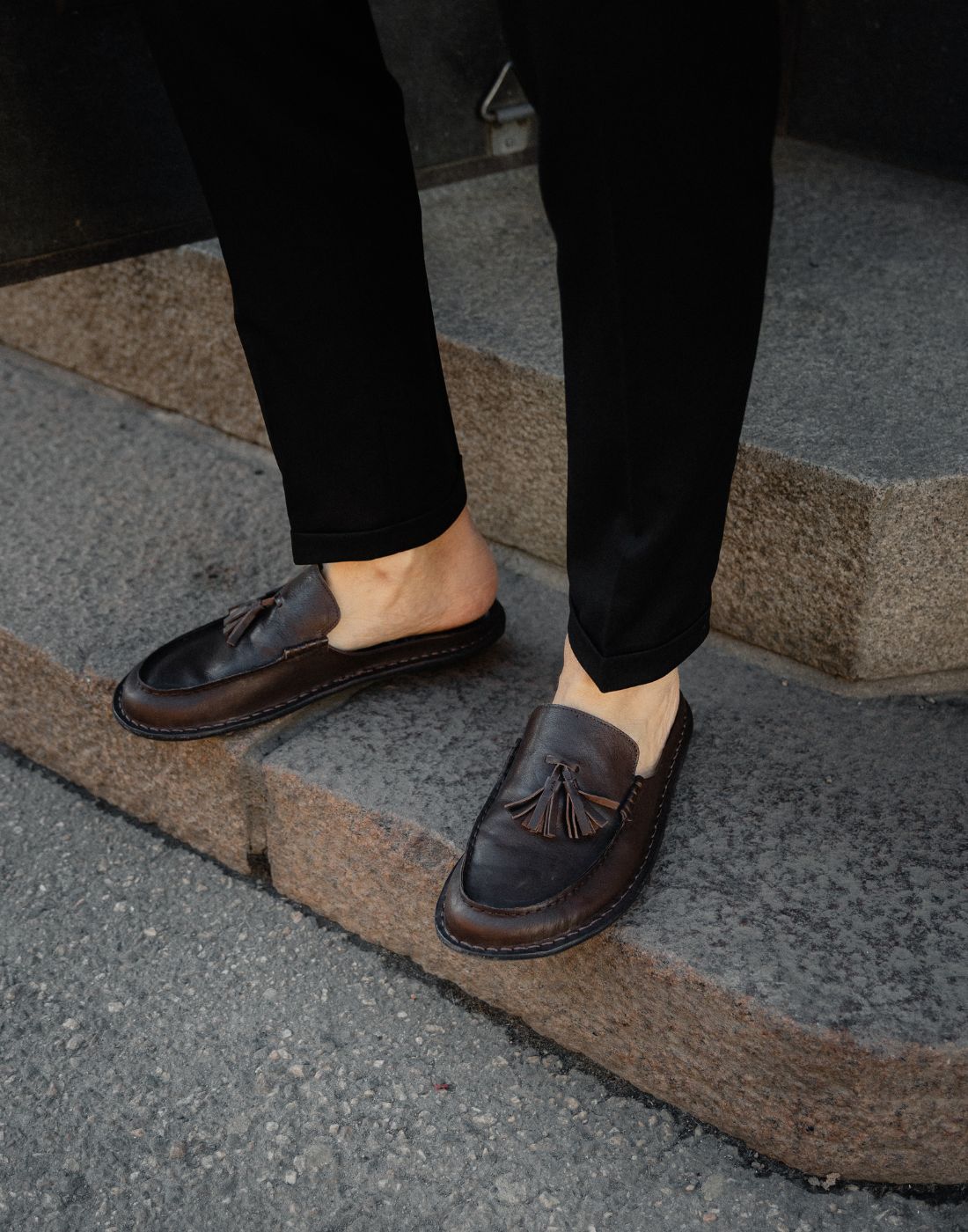
Backless, lighter styles suit warm buildings, short door-to-desk commutes, and smart casual office shoes worn with cropped trousers. A mule gives less heel security, so it is the wrong call for a two-mile walk or a cold platform in February. The ROMA mule is the open-back option here, and the ZUMA mule sits between the two camps for anyone who wants something lighter without going fully backless.
| Style | Best for | Wide toe box | Replaceable Carbon Step™ footbed | Suits a strict dress code | Worth noting |
|---|---|---|---|---|---|
| Closed leather loafers (TRIBECA) | Formal codes, meetings, tailoring | ✓ | ✓ | ✓ | Leather softens to your foot over the first weeks; condition it to keep the shape |
| Open-back mules (ROMA) | Work-to-weekend wear, mixed indoor and outdoor days | ✓ | ✓ | ✗ — the open back can be an issue | The flexible, low-drop sole takes an adjustment period if you're coming from a stiff office shoe |
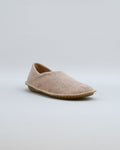
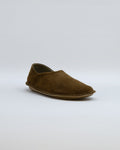
| Closed-back mules (ZUMA) | Warm offices, short commutes, outdoor and indoor hours | ✓ | ✓ | ✓ | More suitable for long walks and cold commutes - closed heel gives more heel security |
|
Open-back loafers (SOHO) |
Office wear, client-facing days | ✓ | ✓ | ✗ — the open back can be an issue | Formal in the front, open heel in the back gives more easy-going impression |
| Conventional narrow office shoe | — | ✗ | ✗ | ✓ | Toes negotiate for space over a nine-hour day; footbed usually wears out with the shoe |
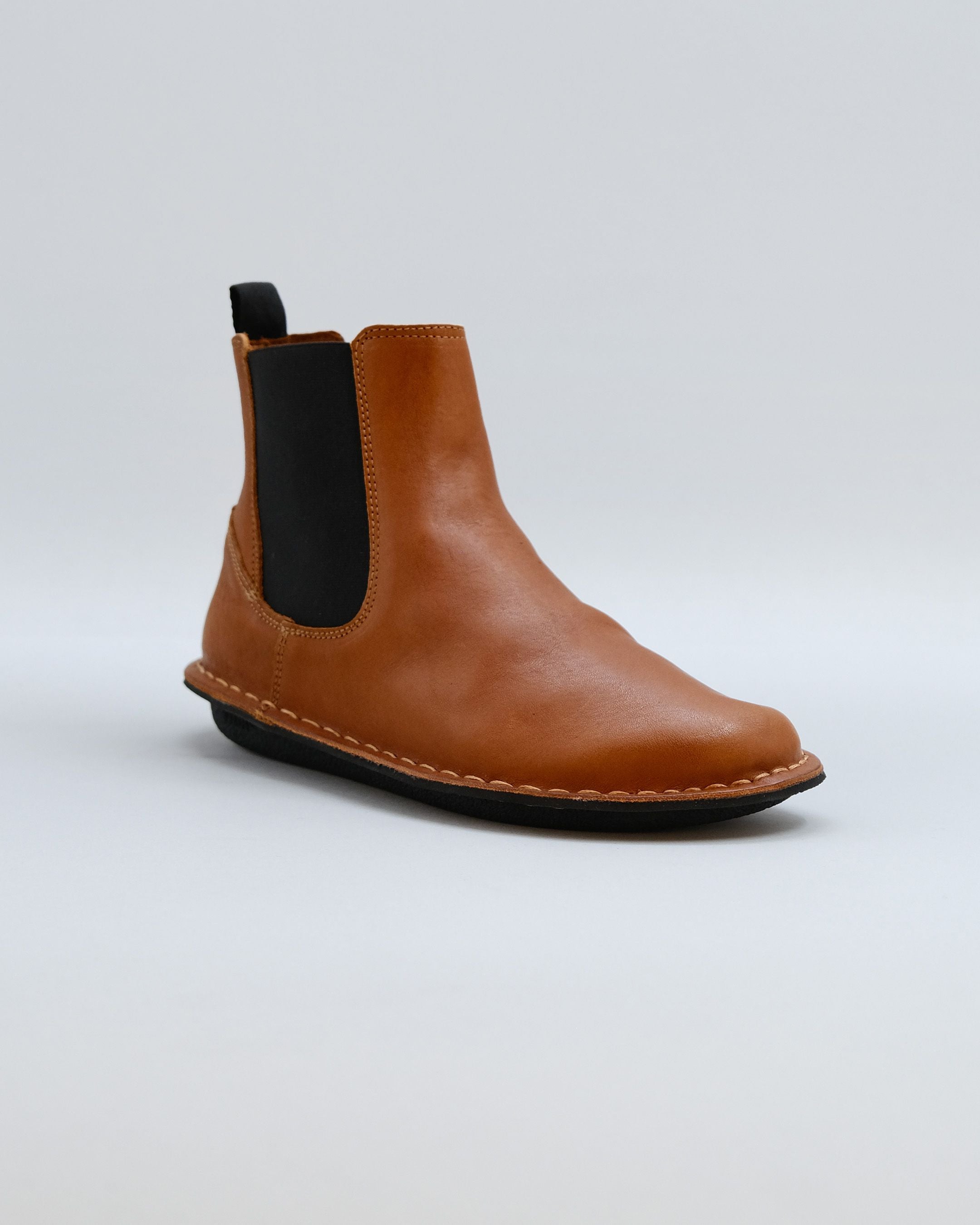
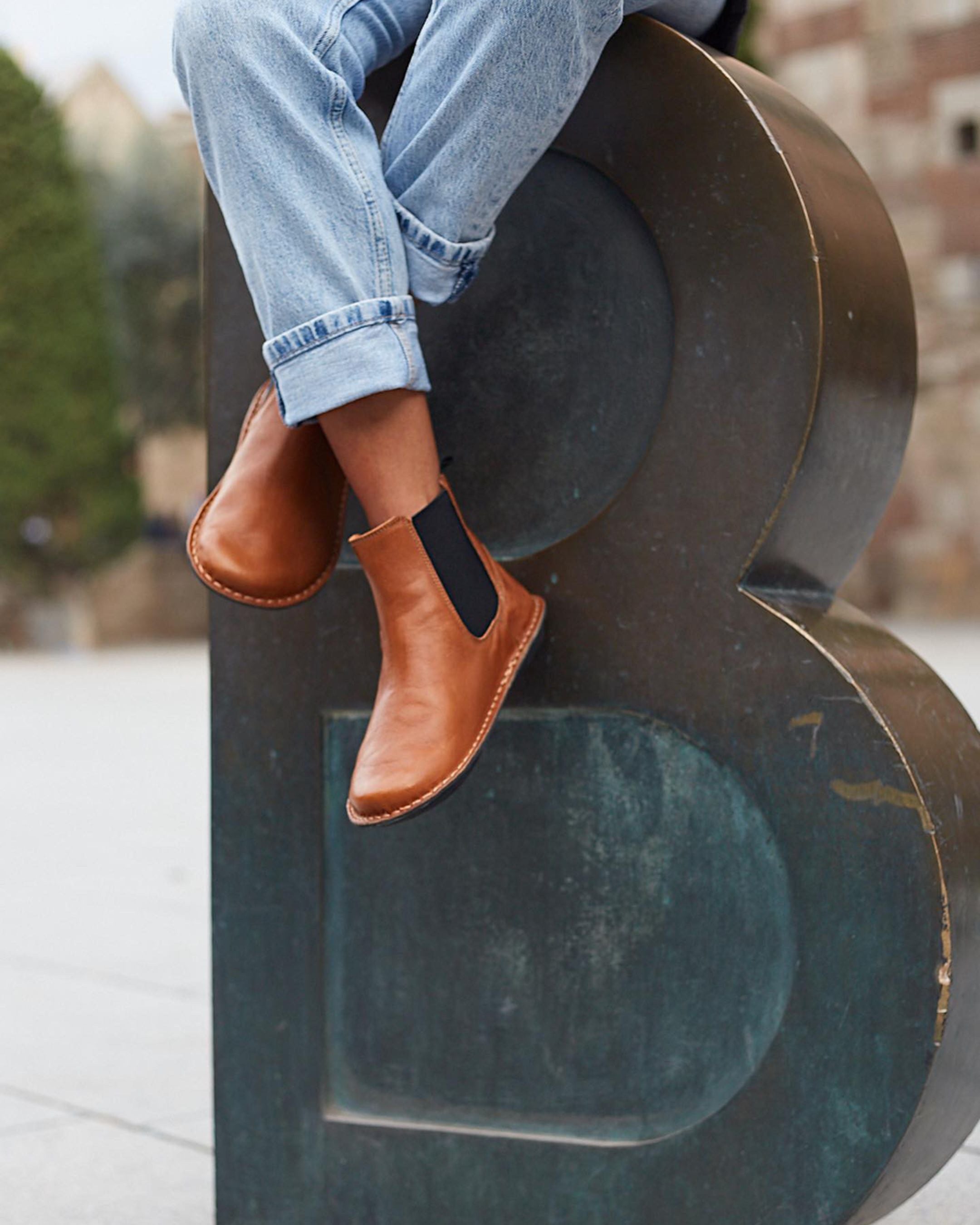
How to style loafers for work comes down to the hem: keep the trouser hem just brushing the top of the shoe, let a wider leg cover the topline, and treat these as barefoot loafers you can wear sockless indoors and with fine socks on the commute. The full Loafers & Mules range shows the closed and backless options side by side.
Loafers with actual room for your toes - work to weekend, no pinching. Explore Loafers & Mules

Sizing, fit and caring for leather loafers for office days
Most people take their usual size. The last is generous across the forefoot rather than long, so the extra room you feel is width, not length. Your foot should fill the footbed from heel to toe, with no gap ahead of your longest toe: the leather is soft, will gently stretch where needed, and moulds to your foot with wear, so a perfect fit from the start is the right start. Between sizes, go up a size, and check the size chart in the store, where sizing notes, stock, and prices are updated first.
Our journal piece on how to get the correct fit with VIBAe shoes walks through the method. The first fortnight settles the fit. Leather softens across the widest part of your foot while the flexible sole asks more of your feet than a stiff office shoe did, so wear the shoes for half days at first and build up.
Brush off dust after wear, condition vegetable-tanned leather every few months, and rotate pairs so each dries between wears. When the Carbon Step™ footbed compresses, replace the footbed rather than the shoe, or send that pair that no longer suits you to VIBAe Pre-Loved for a second owner, and get a new pair. Handmade in Portugal at a family-run factory, these loafers are built for repair and resale, though leather and tanning still carry a footprint we are working to reduce.
Frequently asked questions
Are loafers appropriate for the office?
Yes, in most workplaces. A closed leather loafer in black or a dark neutral reads as formal as a court shoe and sits comfortably within a smart casual or business dress code. Backless mules suit relaxed or warm-weather offices better.
How do VIBAe office loafers fit compared with regular work shoes?
They are noticeably wider at the toes and flatter underfoot, with no raised heel, and most people order their usual size. The difference you feel is room across the forefoot rather than extra length, so the heel still holds securely.
Can you wear loafers for office days that involve a lot of walking?
Closed styles handle walking commutes and busy days well, thanks to a secure heel and a cushioned Carbon Step™ footbed. If you are choosing loafers for standing all day, favour a closed pair and rotate two shoes so each one recovers overnight.
Most of us started with ROMA. One pair in, you'll understand the fuss. Shop ROMA