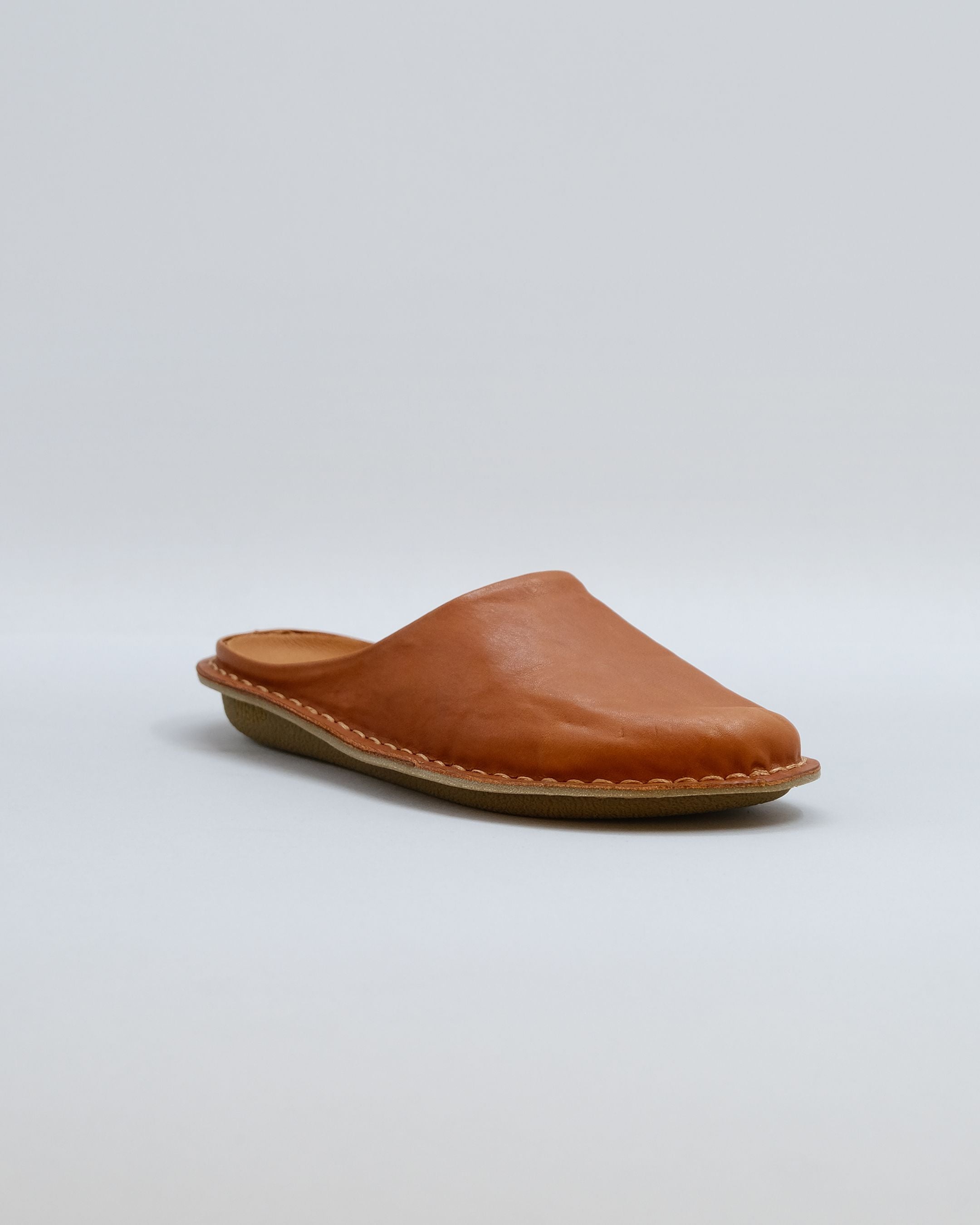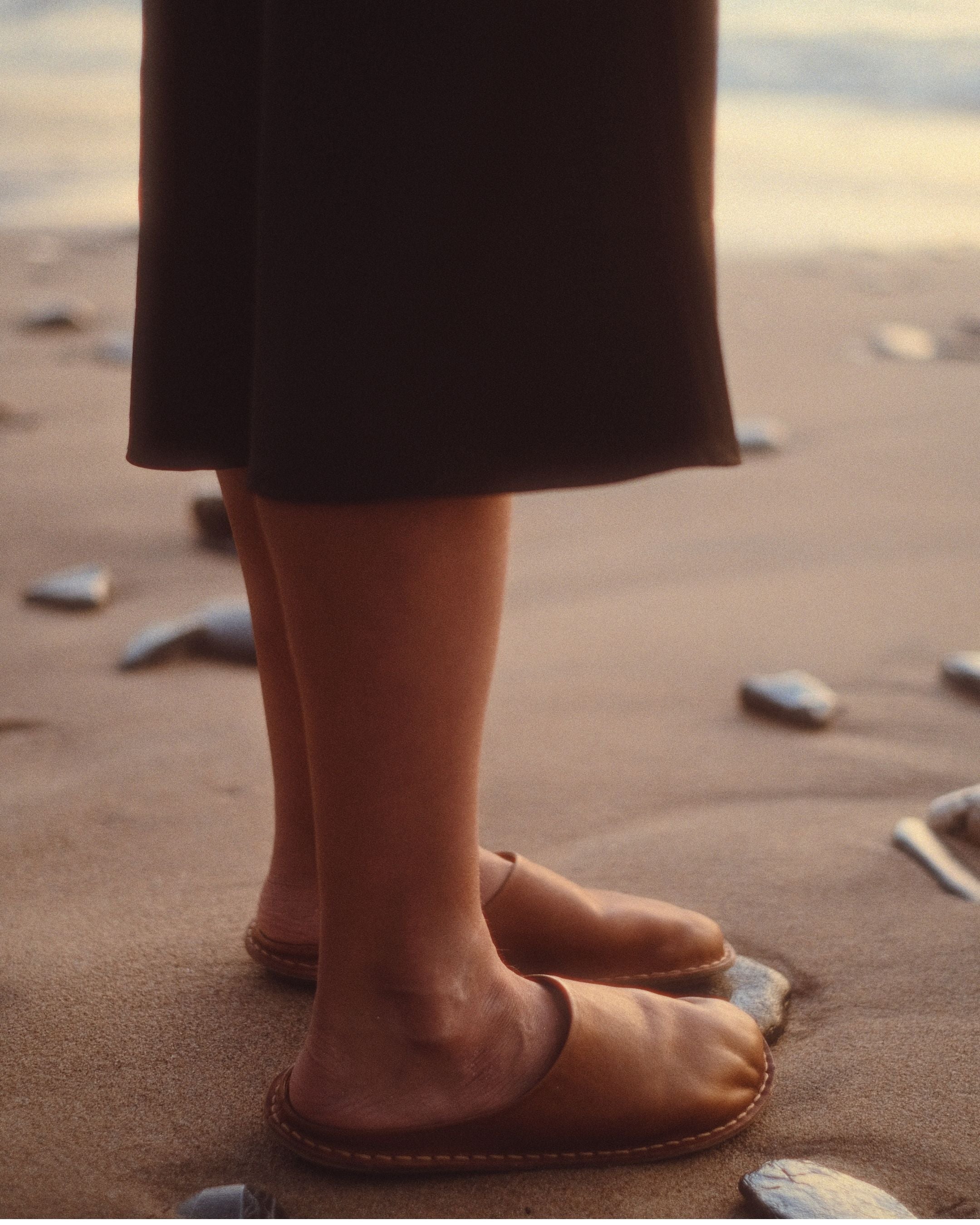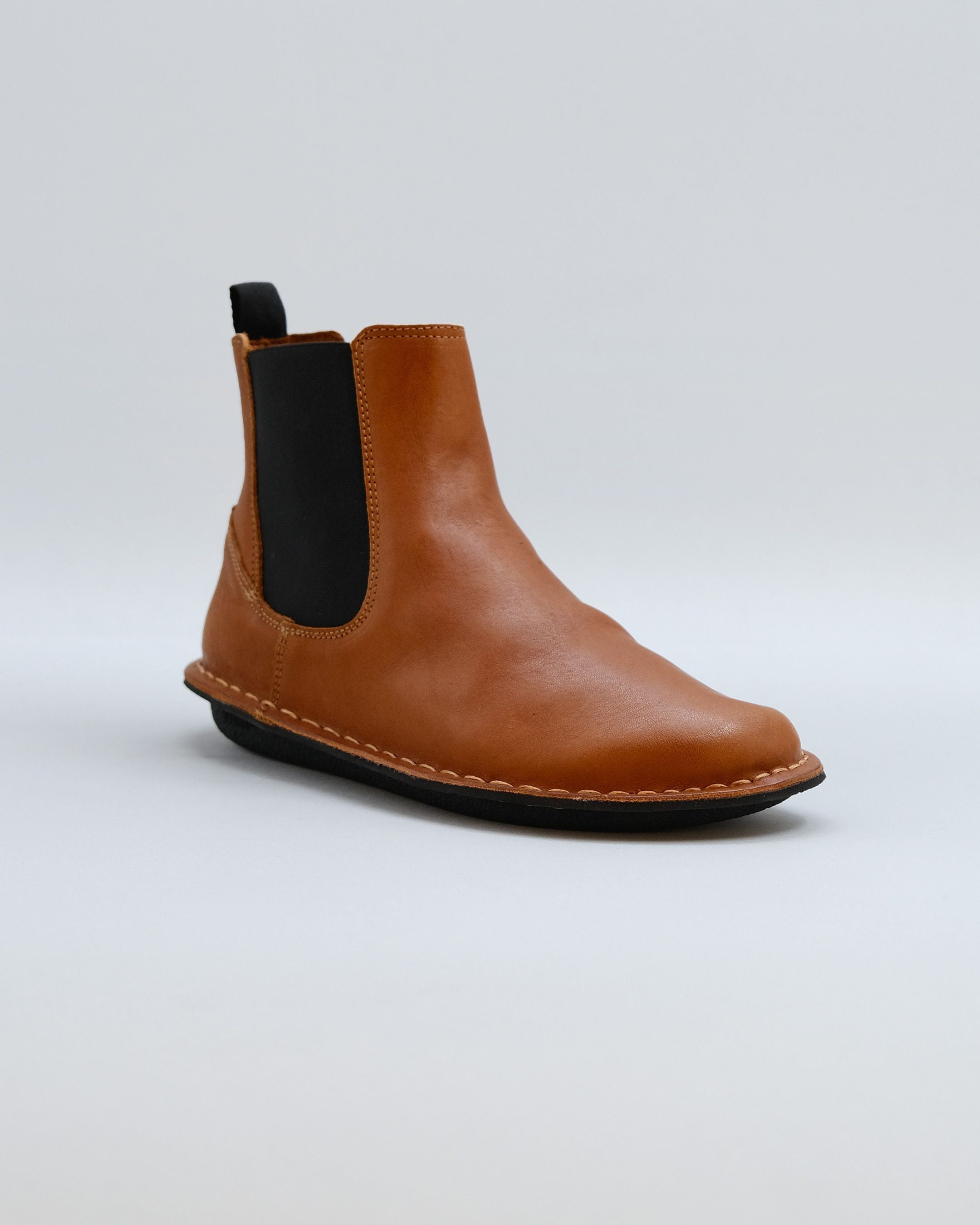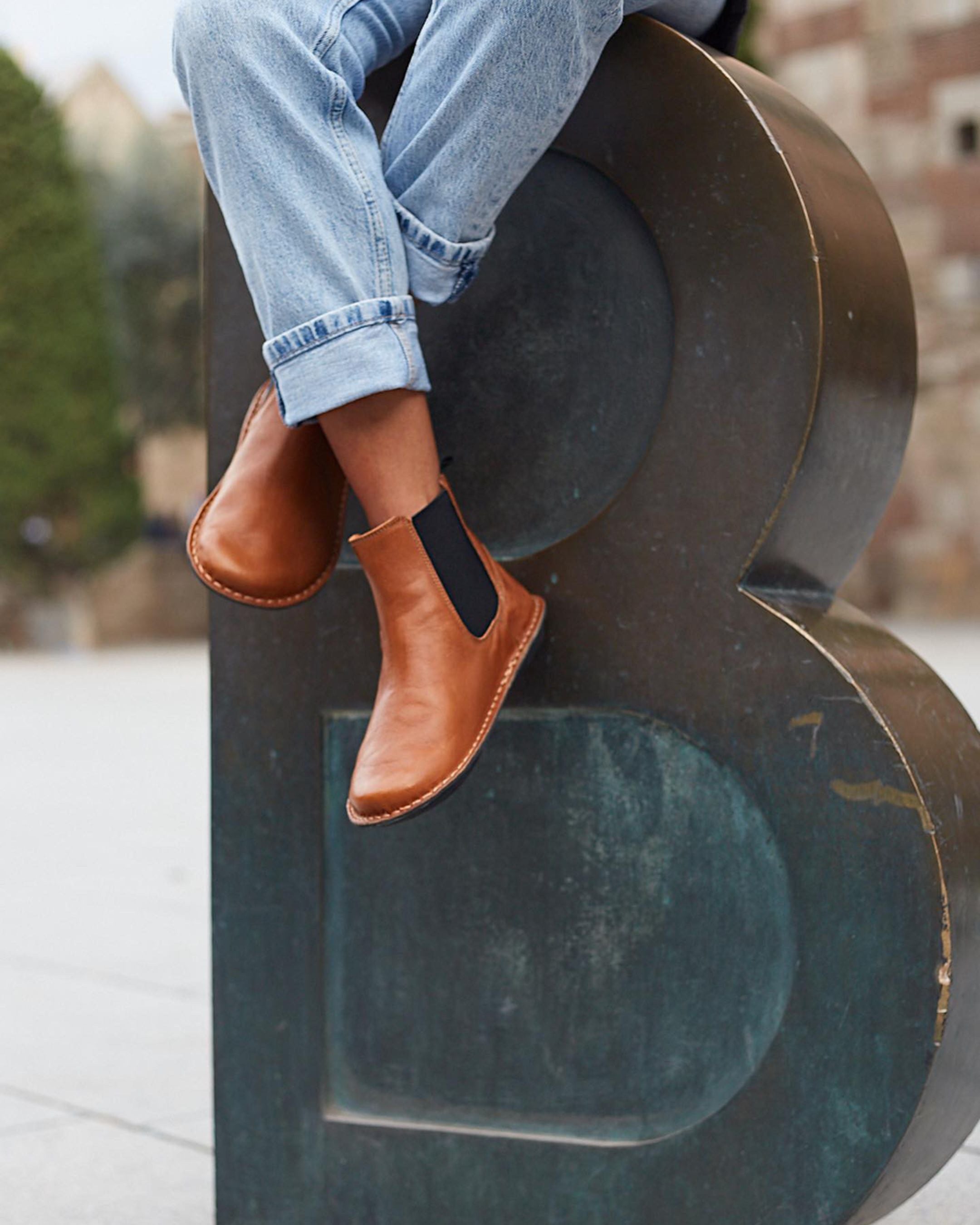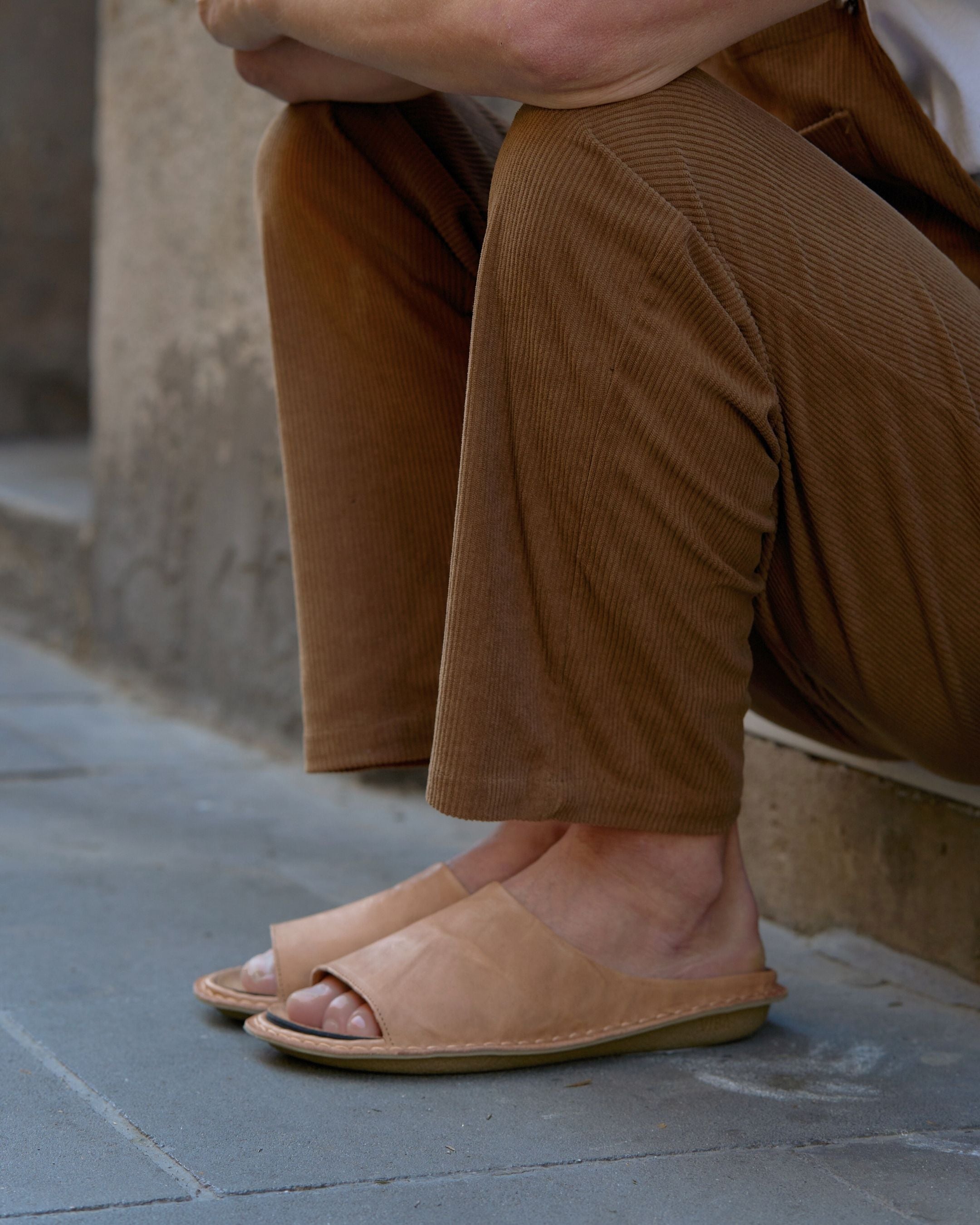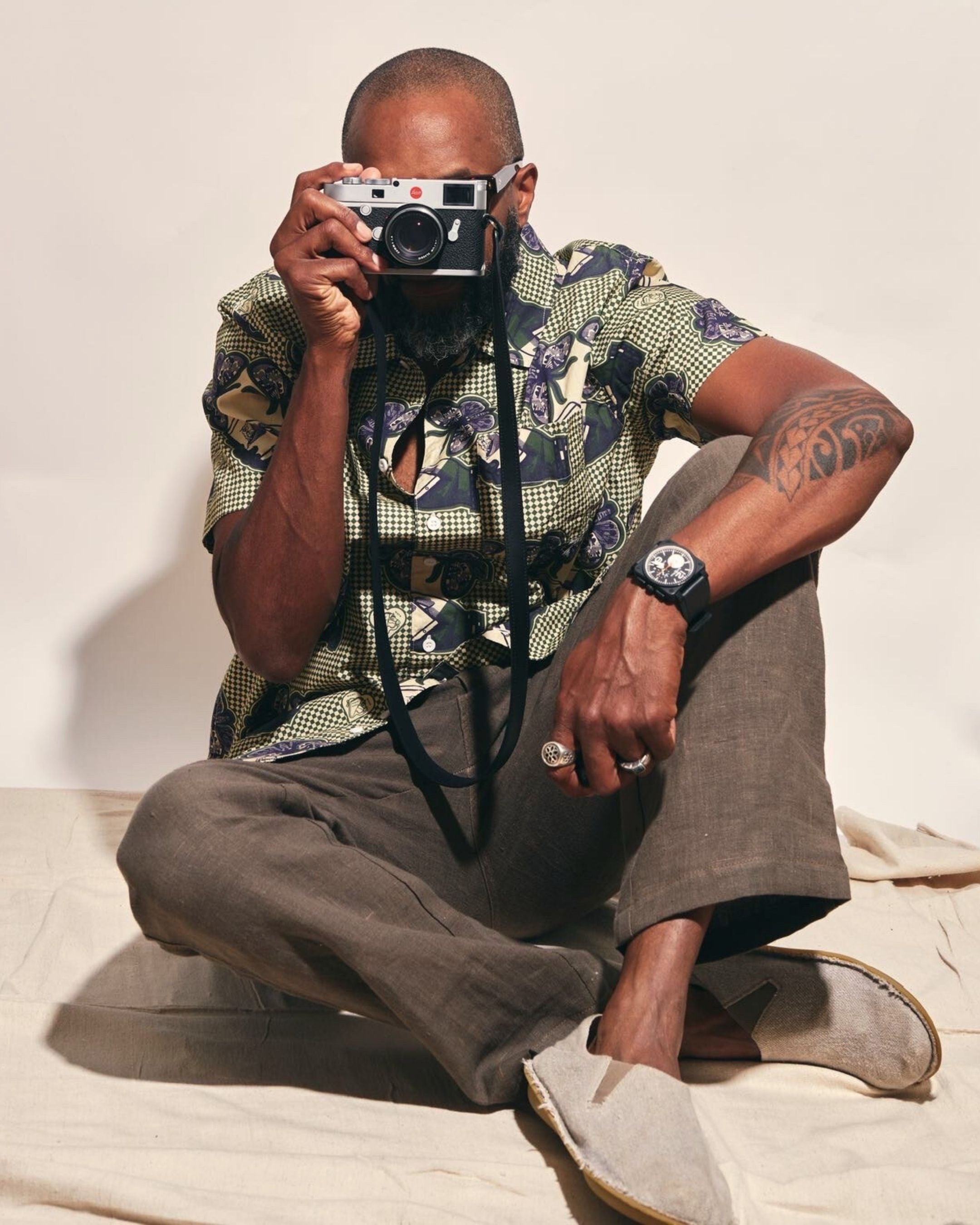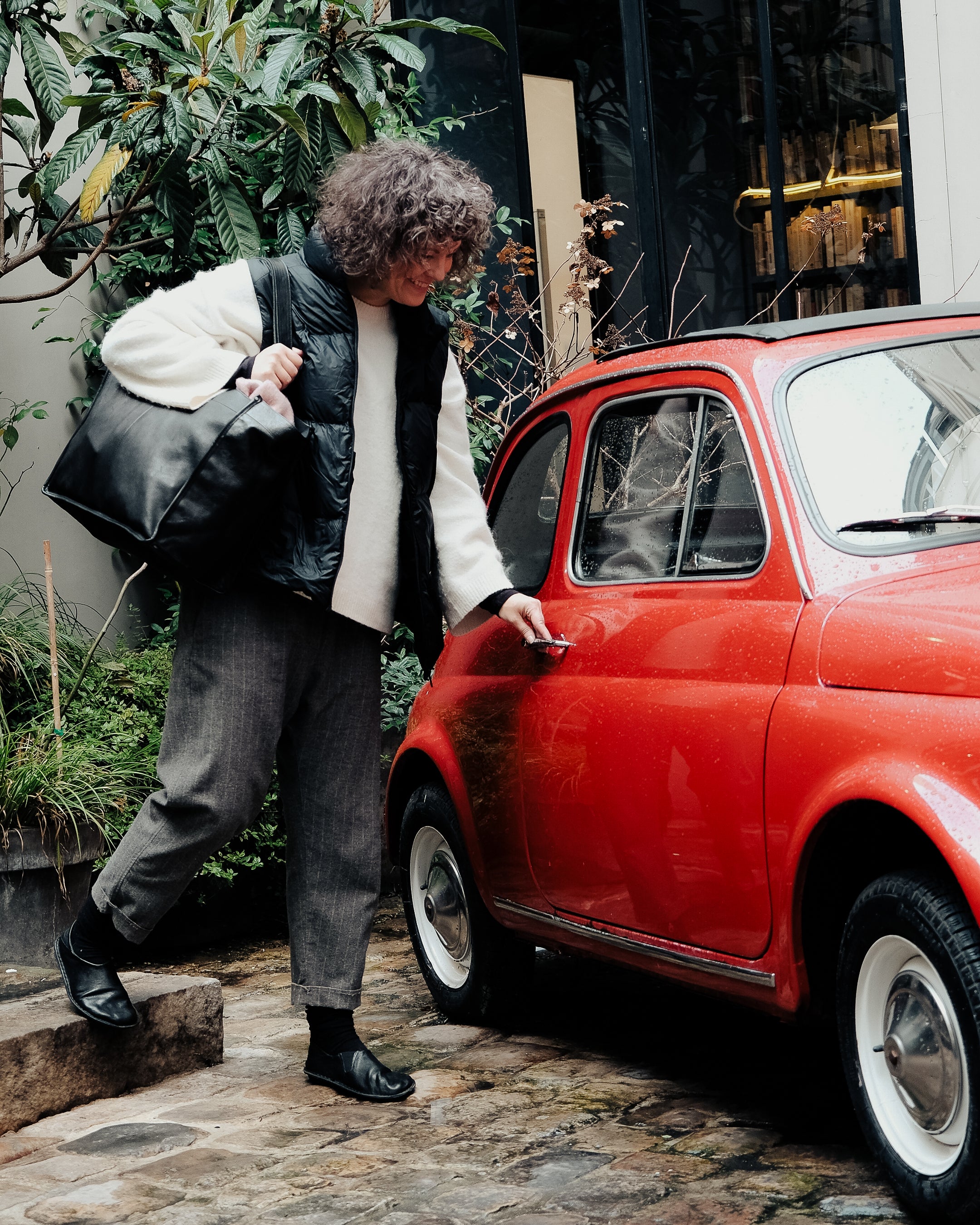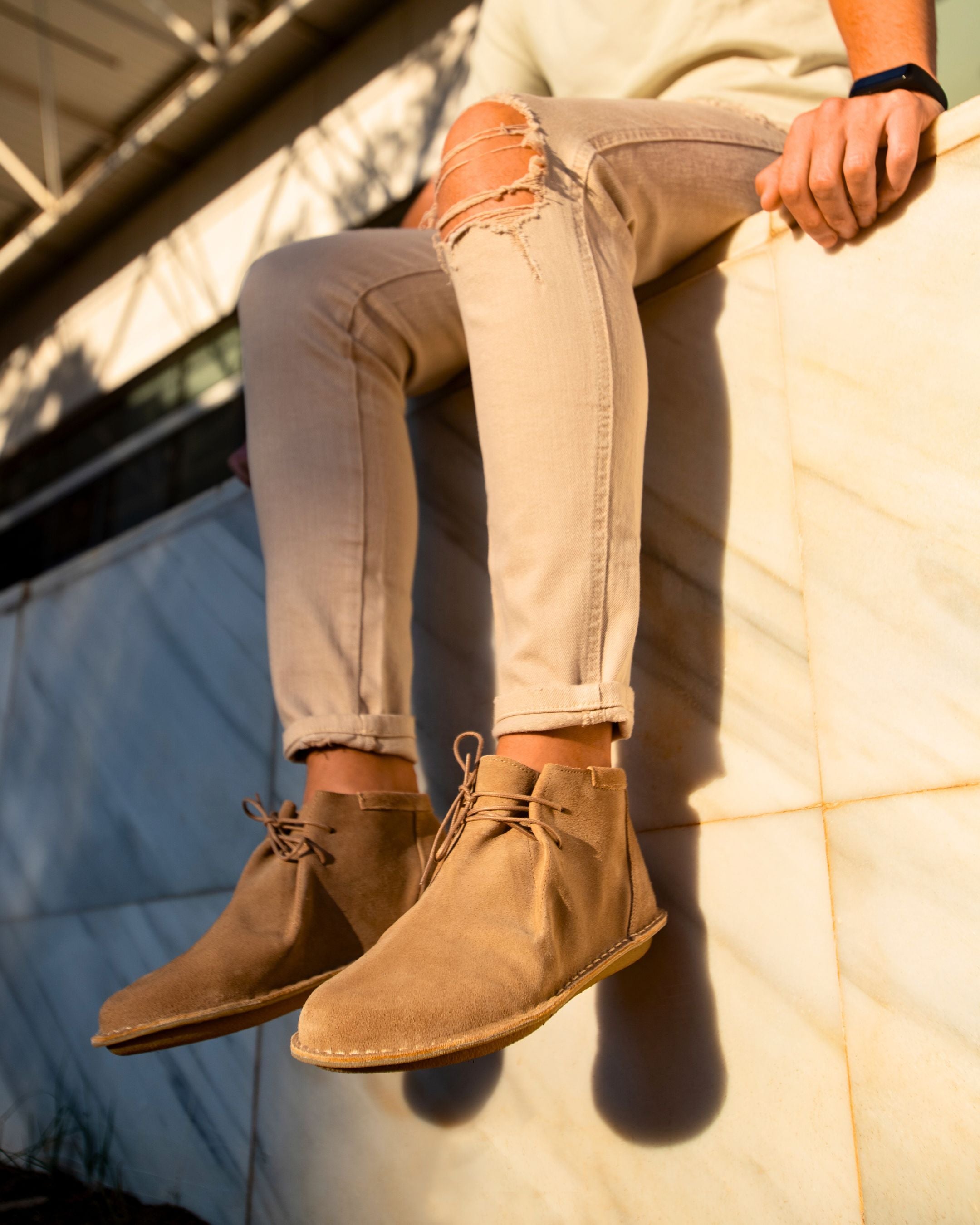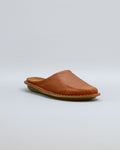
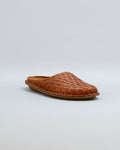
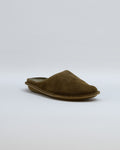

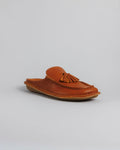
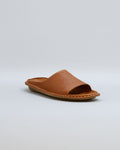

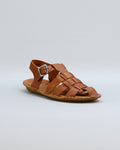
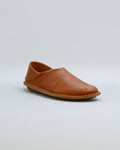
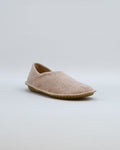
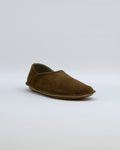
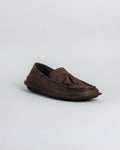
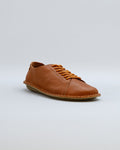
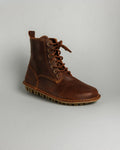
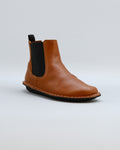
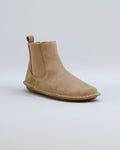
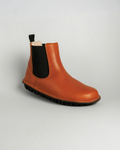
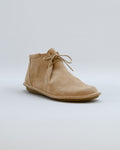
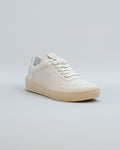
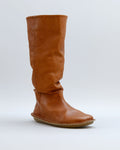
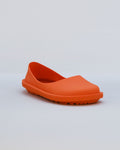
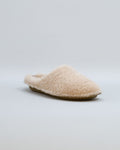
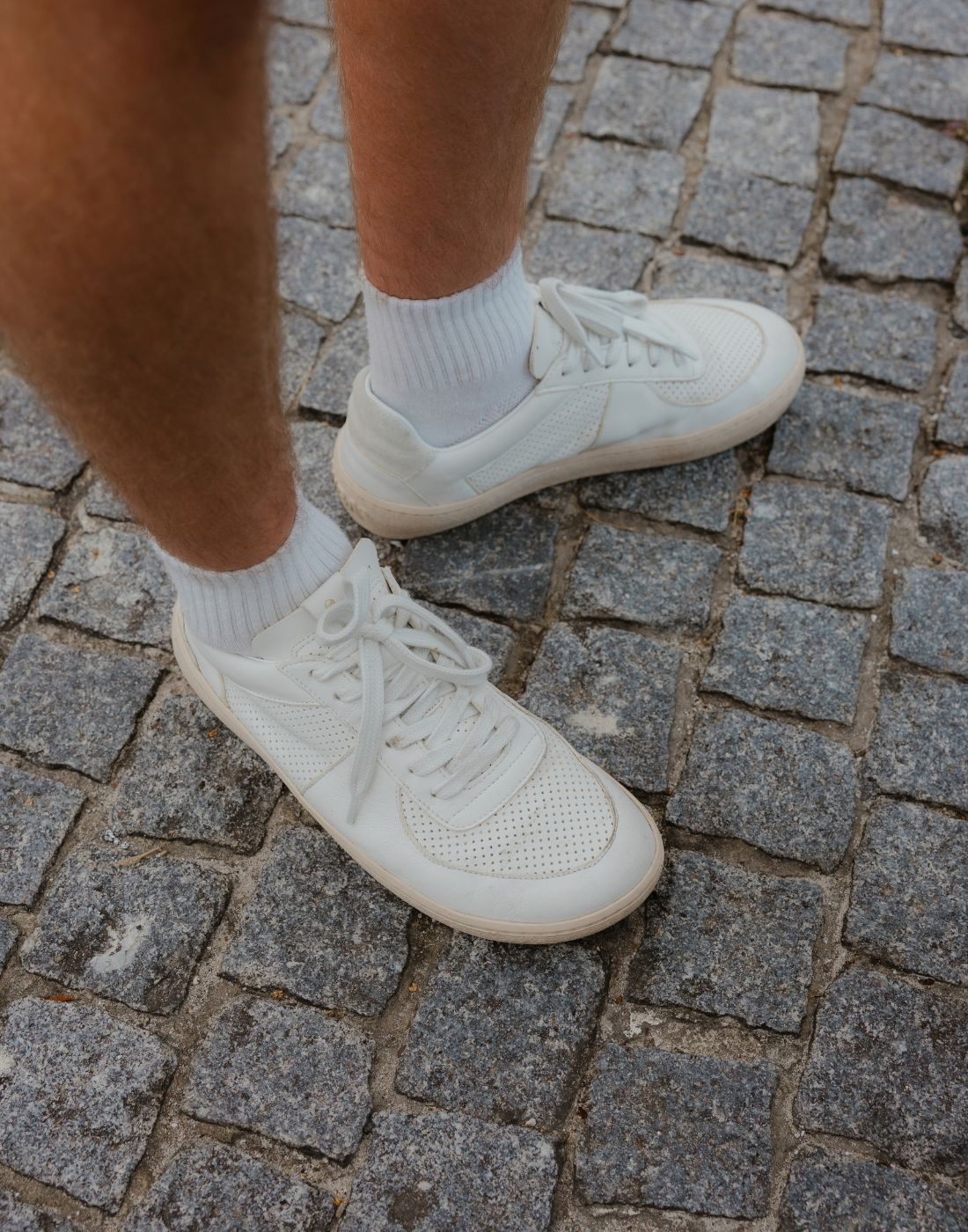
Leather barefoot shoes are minimalist leather shoes with a wide toe box, a thin flexible sole and little to no heel drop. The things worth checking are the tanning method, whether the outsole is natural rubber, whether the footbed is removable and replaceable, and where the shoe is made.
Leather barefoot shoes pair a leather upper with the four things that define the category: a wide toe box, a thin flexible sole, little or no heel drop, and a foot-shaped last. VIBAe makes barefoot-style shoes in this spirit, low-drop rather than a strict zero-drop, without claiming any clinical effect. One honest caveat before you start comparing: a low, flexible sole takes an adjustment period, and the leather is softening into your foot's shape at roughly the same pace as your feet are adapting to it.

What counts as a leather barefoot shoe
Four features have to line up. The upper is leather rather than a synthetic mesh, so it moulds to your foot instead of holding a factory shape. The toe box is shaped like a foot, widest at the toes. The sole is thin enough to feel the ground and flexible enough to twist. And the heel sits level with the forefoot, or close to it.
Drop the leather and you have a generic minimalist shoe. Drop the foot shape and you have a thin-soled fashion shoe. The combination is what you're shopping for, and it's why the criteria below focus on the parts you can actually inspect: hide, sole, last, footbed, construction.
What should you look for in the leather itself?
Look for leather that softens to the shape of your foot and looks better after a year than it did in the box. That's the practical test. Full-grain leather keeps the outer surface of the hide intact, so it develops patina instead of flaking; corrected surfaces are sanded and coated, which hides flaws but also hides the grain and tends to crack rather than age.
VIBAe's leather is vegetable-tanned rather than chrome-tanned, using natural tannins from bark, wood, fruit and leaves, and the hides are food-industry by-products from LWG-audited tanneries.
The trade-off is real. Vegetable-tanned leather marks more easily in its first months and wants conditioning; the protective creams on the store exist for exactly that reason. If you want a hide that never shows a scuff, this isn't it. If you want one that records where you've been, it is. More detail on hides, linings and rubber sits on our leather & materials page, and there's a longer read on what vegetable tanning actually involves.
The sole: thin, flexible, and what it's made of
A good barefoot sole gives you ground feel and lets your toes splay through a nine-hour day. Test it in your hands if you can: roll it, twist it, fold it toe to heel. Thin flexible sole shoes bend where your foot bends. If the sole resists in the middle, your foot will spend the day arguing with it.
Check the drop next. Low drop keeps your heel and forefoot close to the same plane, which changes how you load each step. Then look at tread depth. Shallow enough to feel pavement, patterned enough to grip a wet Tuesday in Manchester — that's the balance worth hunting for.
Every VIBAe outsole is a natural rubber sole, tapped from trees without cutting them down. Rubber grips, wears predictably and stays quiet indoors. Be honest with yourself about gravel and long tarmac walks, though: thin soles transmit everything, and some days you'll want a firmer shoe. That's not a failure of the category, just a limit of it.
Toe box and last shape — where the room actually comes from
Room comes from the shape of the last, not from buying a bigger size. A last is the foot-shaped form the shoe is built around. Tapered lasts narrow towards a point somewhere near the big toe, which squeezes the four toes beside it. A foot-shaped last keeps its width right out to the front, so wide toe box shoes stay wide where your toes actually are.
If you have bunions, sensitive feet or simply broad forefeet, that shape is what you're paying for. Leather helps too: it will gently stretch where needed over the first few weeks, settling into your particular feet. Persistent foot pain is a conversation for a health professional, not a shoe purchase.
On sizing, VIBAe is unisex and runs EU 35–48 (22.0–30.7 cm). There are no half sizes. The official advice, and the whole barefoot shoe sizing guide in one line: go one size up if you're between sizes, prefer wearing thicker socks, or just like a looser feel. US and UK conversions live on the size chart.
Get the right fit first time — check the size chart, and go one size up if you're between sizes. Check the Size Chart
Why does a removable footbed matter?
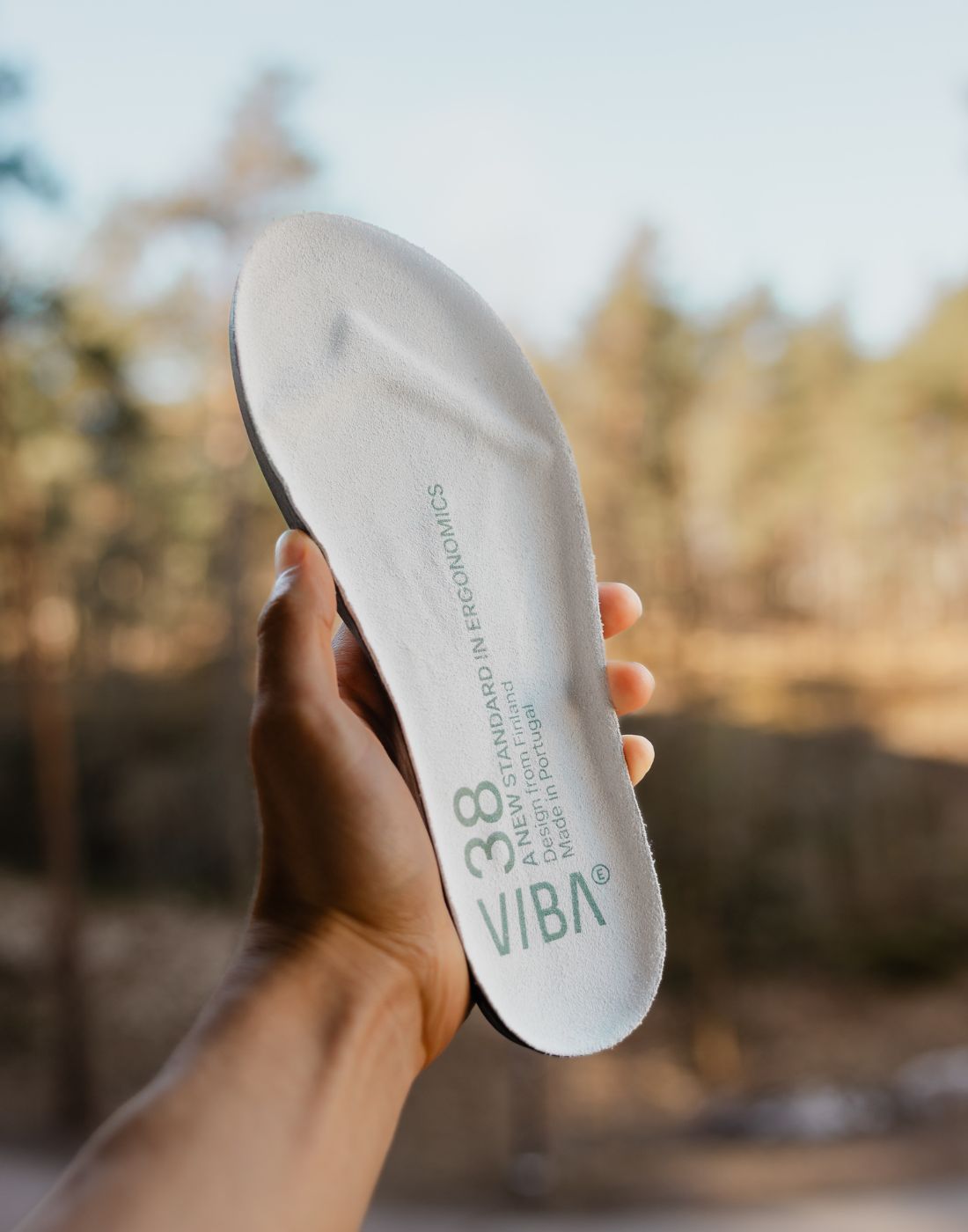
Because the part that wears out first shouldn't cost you the whole shoe. A removable footbed means that when the cushioning flattens under years of walking, you swap the footbed and keep the leather you've broken in. That is the point of making it removable.

Every VIBAe pair comes with the Carbon Step™ footbed, built to what the brand calls the 11/14/7 Formula: 11 mm of cushioning at the heel, 14 mm of support at the arch, 7 mm of cushioning at the front. The arch support is the reason these shoes can feel roomy and structured at once, without the orthopaedic look. Carbon Step™ footbeds come in several materials on the store — Suede Original, Leather, Vegan Nature and Shearling — and a replacement costs considerably less than a new pair. Check the store for current prices, since specifications and pricing do change.
There's work in progress here too. VIBAe has been developing a FoamWood footbed with Aalto University since 2021, made from wood-based fibres and described as fully recyclable and biodegradable in natural conditions. It isn't a finished product, and we'd rather say so than imply otherwise.
Construction and who made them
Handmade construction shows up years later, in how the stitching holds and whether the upper still sits true on the sole. Hand lasting — stretching the leather over the last and fixing it there — is slow and skilled, and it's the step that decides whether a shoe keeps its shape.
VIBAe's main factory sits outside Porto, Portugal. The shoemaking family works there alongside around 100 other skilled artisans. Some modern tech such as laser cutting is used, but most of the work is still done by hand — the main workshop behind a collection that has now sold to more than 275,000 people in over 150 countries. When people ask what "ethically made" means in practice, that's the answer we can name: a family-run factory we can point to, rather than an adjective. When you're comparing handmade shoes, Portugal is worth asking about by name, because plenty of brands won't tell you where the lasting happens.
The clearest example of all of this in one shoe is the ROMA leather collection, including ROMA Leather Preto Black. And when a pair finally reaches the end of the road, worn pairs can go back through Pre-Loved resale and recycling with our partner Ninyes.
Matching leather minimalist shoes to how you'll wear them
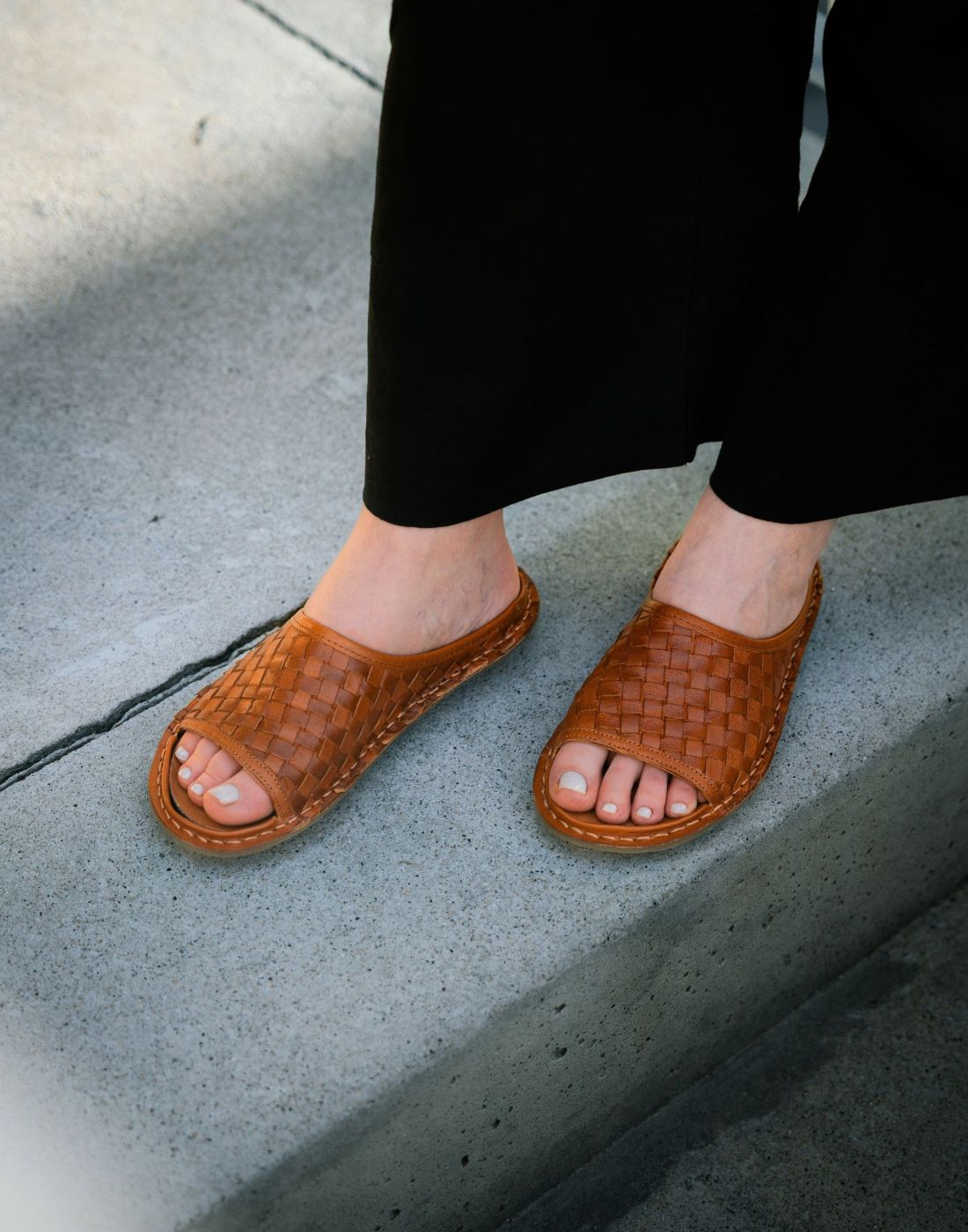
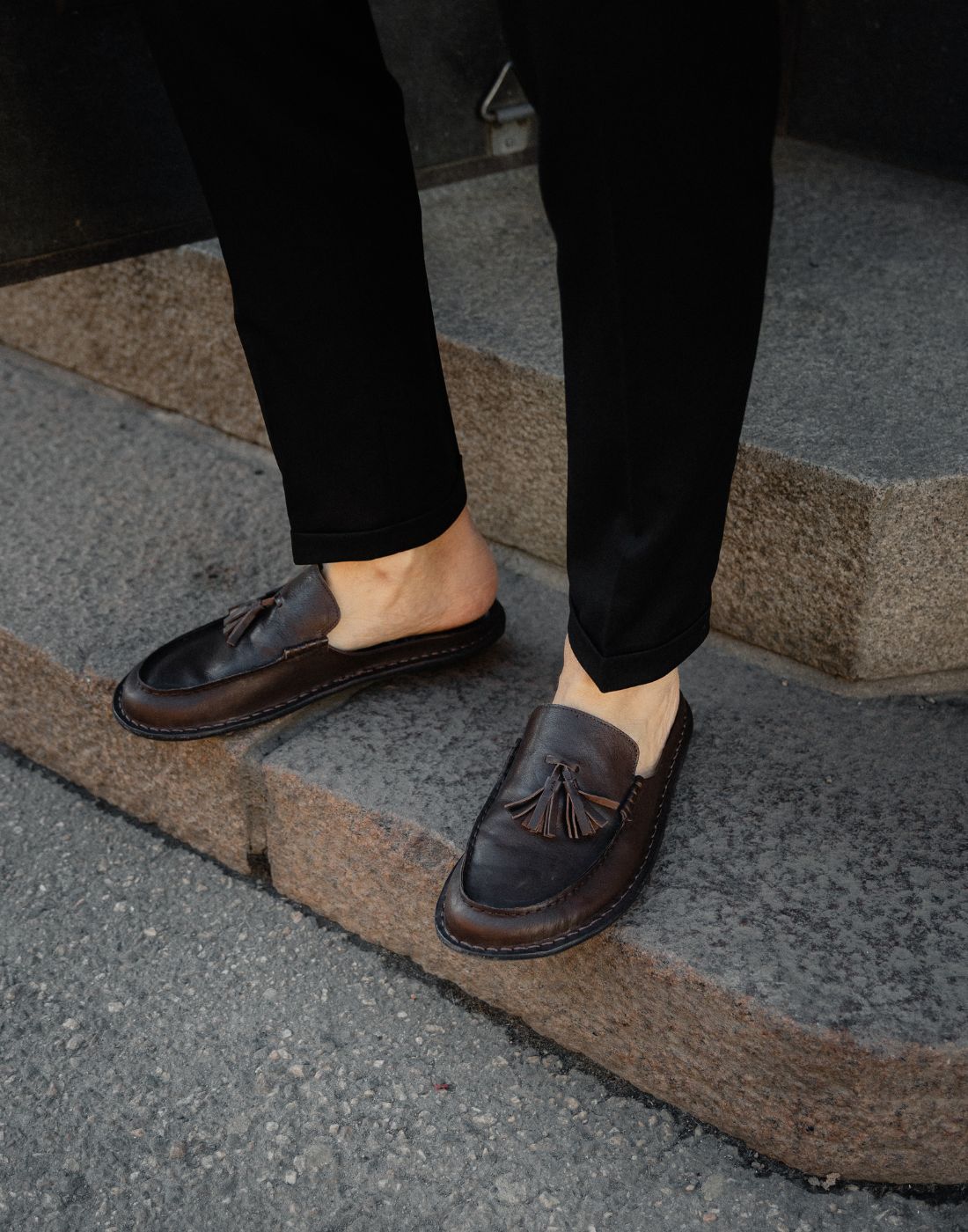
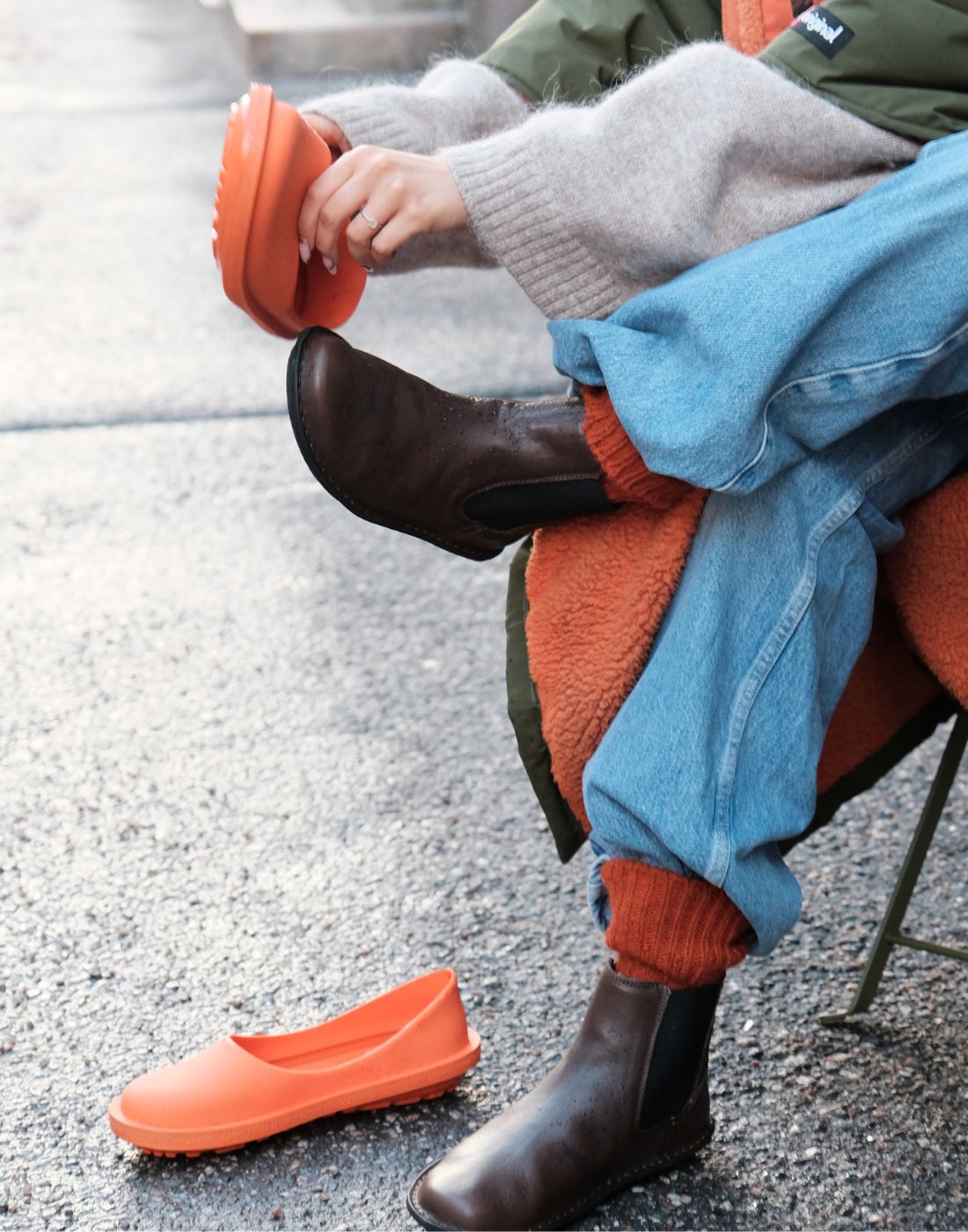
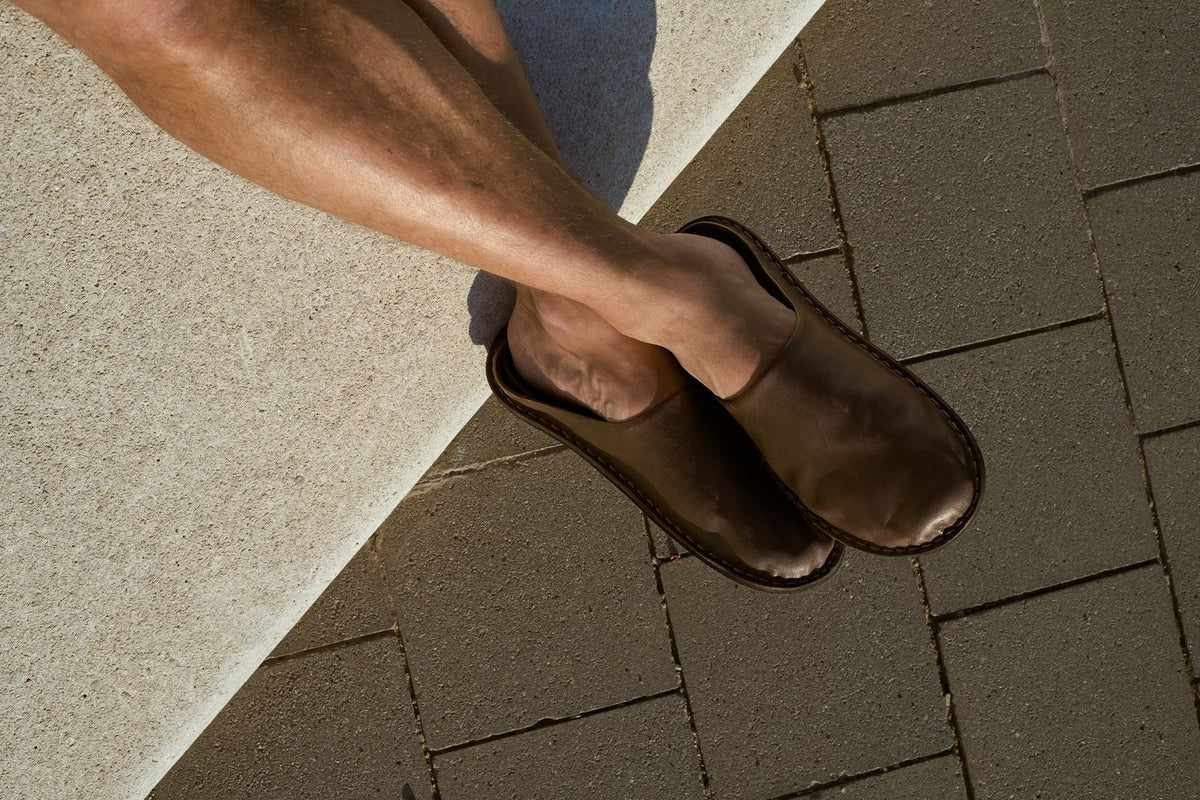
Choose by the days you actually have, not the days you imagine. Leather slip-on barefoot shoes such as ROMA suit work-to-weekend routines where you're in and out of the door — for more on what passes a dress code, see barefoot shoes for work. ZUMA Leather gives you a closed, more covered shoe for wetter months. PORTO keeps things light, though it's cut for narrower feet and its footbed is fixed. HELSINKI, particularly with shearling, is closest to barefoot boots for winter in this range.
Say the quiet part too: an open slipper is not a winter commute shoe. If you're crossing wet pavement twice a day in January, start with something closed and keep the slip-ons for indoors and warmer weather. Browsing the loafers & mules collection is a good way to see which shapes fit your week. Barefoot leather shoes earn their keep by going with what you already own, season after season.
Frequently asked questions
What is vegetable-tanned leather, and how is it different from chrome-tanned leather?
Vegetable tanning uses natural tannins drawn from bark, wood, fruit and leaves to turn hide into leather. Chrome tanning uses chromium salts and works far faster. Vegetable-tanned leather takes longer to make, develops patina as you wear it, and needs conditioning to stay supple. VIBAe uses vegetable tanning across its leather range.
Which size should I choose if I'm between sizes?
VIBAe doesn't make half sizes. Go one size up if you're between sizes, prefer wearing thicker socks, or just like a looser feel. Sizes run EU 35–48 (22.0–30.7 cm), unisex, with US and UK conversions on the size chart.
Can I replace the footbed instead of buying a new pair?
Yes, on most styles. The Carbon Step™ footbed is removable there (PORTO, CAPRI and AMALFI have a fixed one), so a worn one can be swapped for a new Carbon Step™ footbed without replacing the shoe. Options include Suede Original, Leather, Vegan Nature and Shearling. Prices are on the store.
How do I care for leather barefoot shoes so they last?
The short version of how to care for leather shoes: wipe off dirt before it dries, let wet pairs dry slowly away from radiators, and condition the leather regularly with a protective cream. Rotate pairs so each one rests. Vegetable-tanned leather marks early and evens out with use.
Try them on and feel it yourself — find VIBAe near you. Find a Store