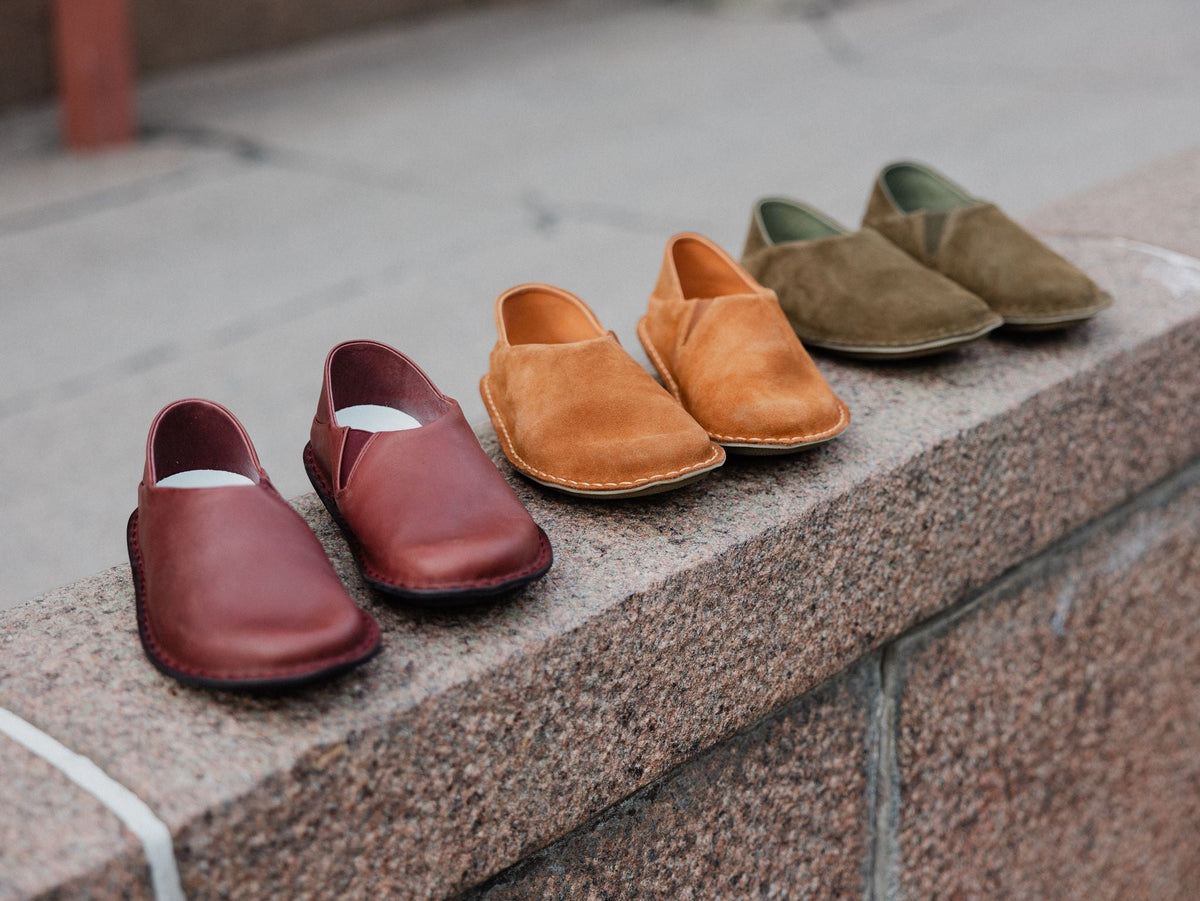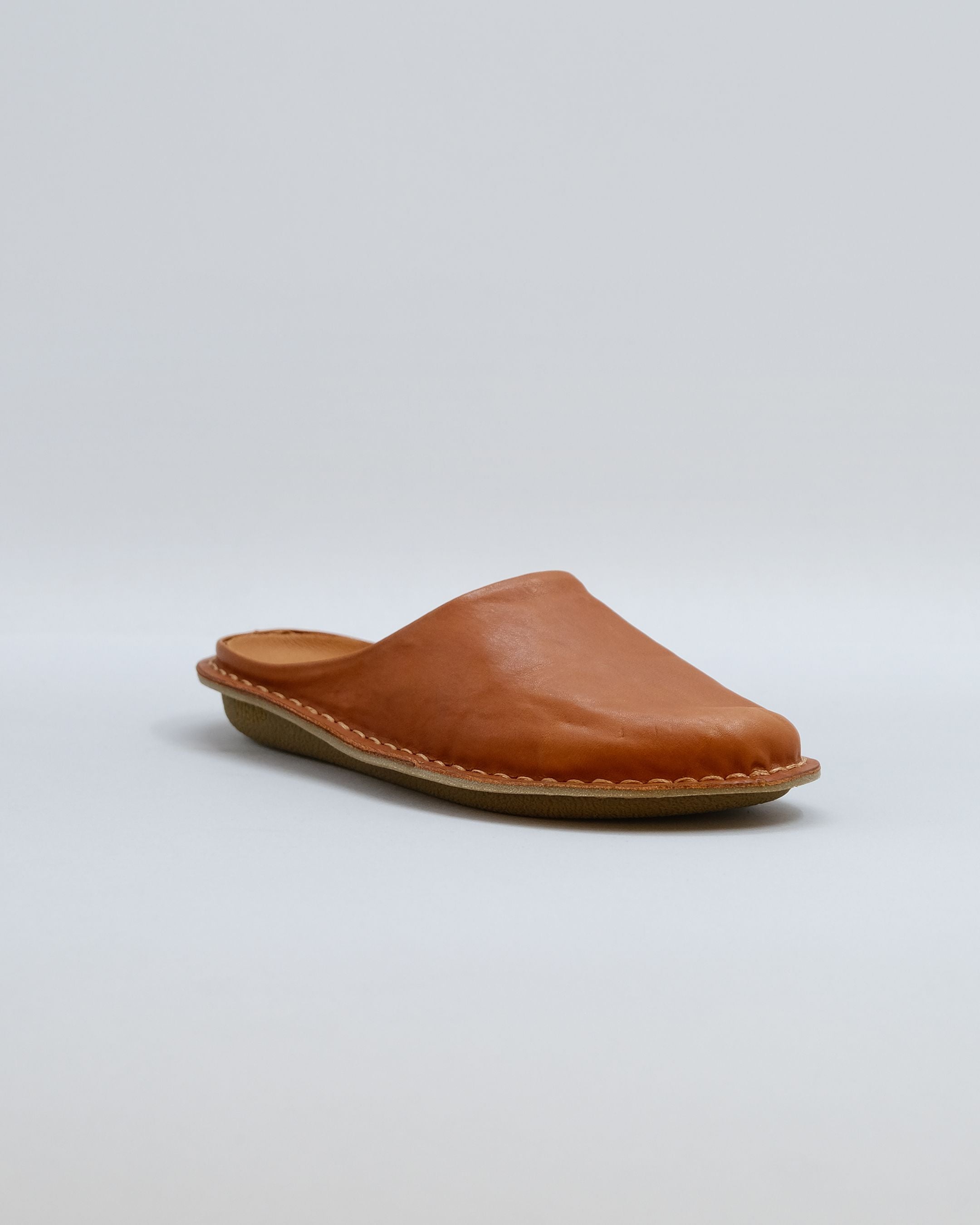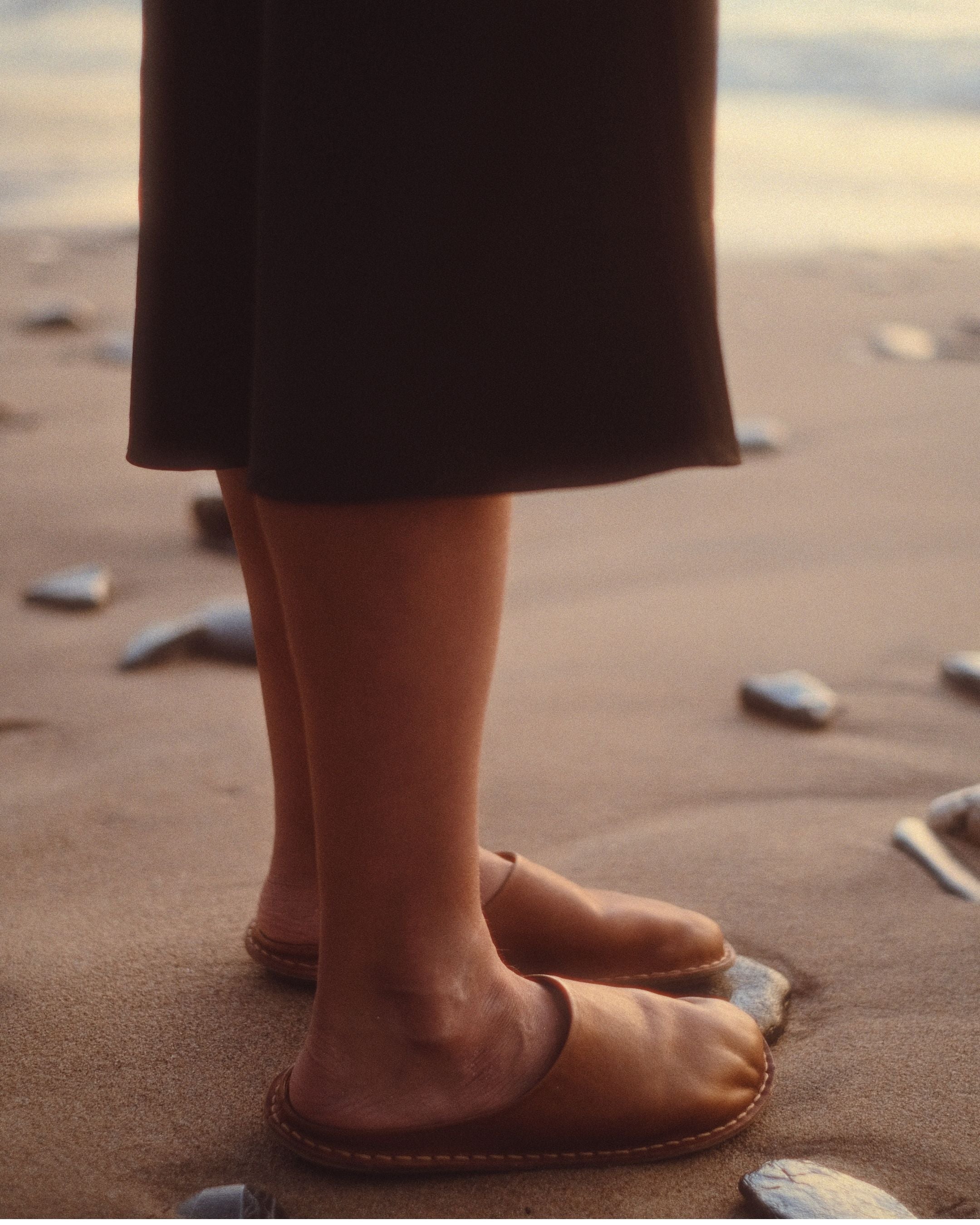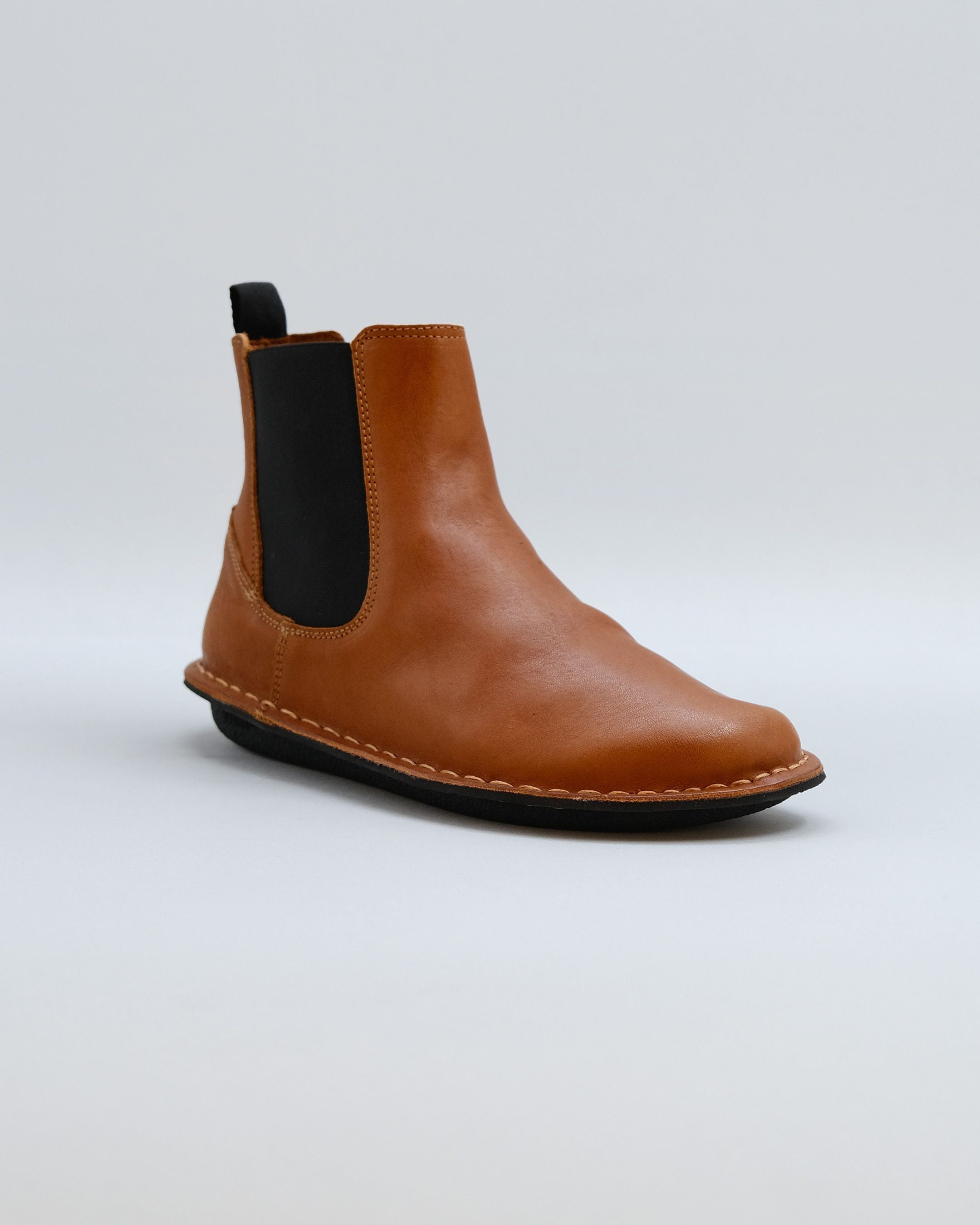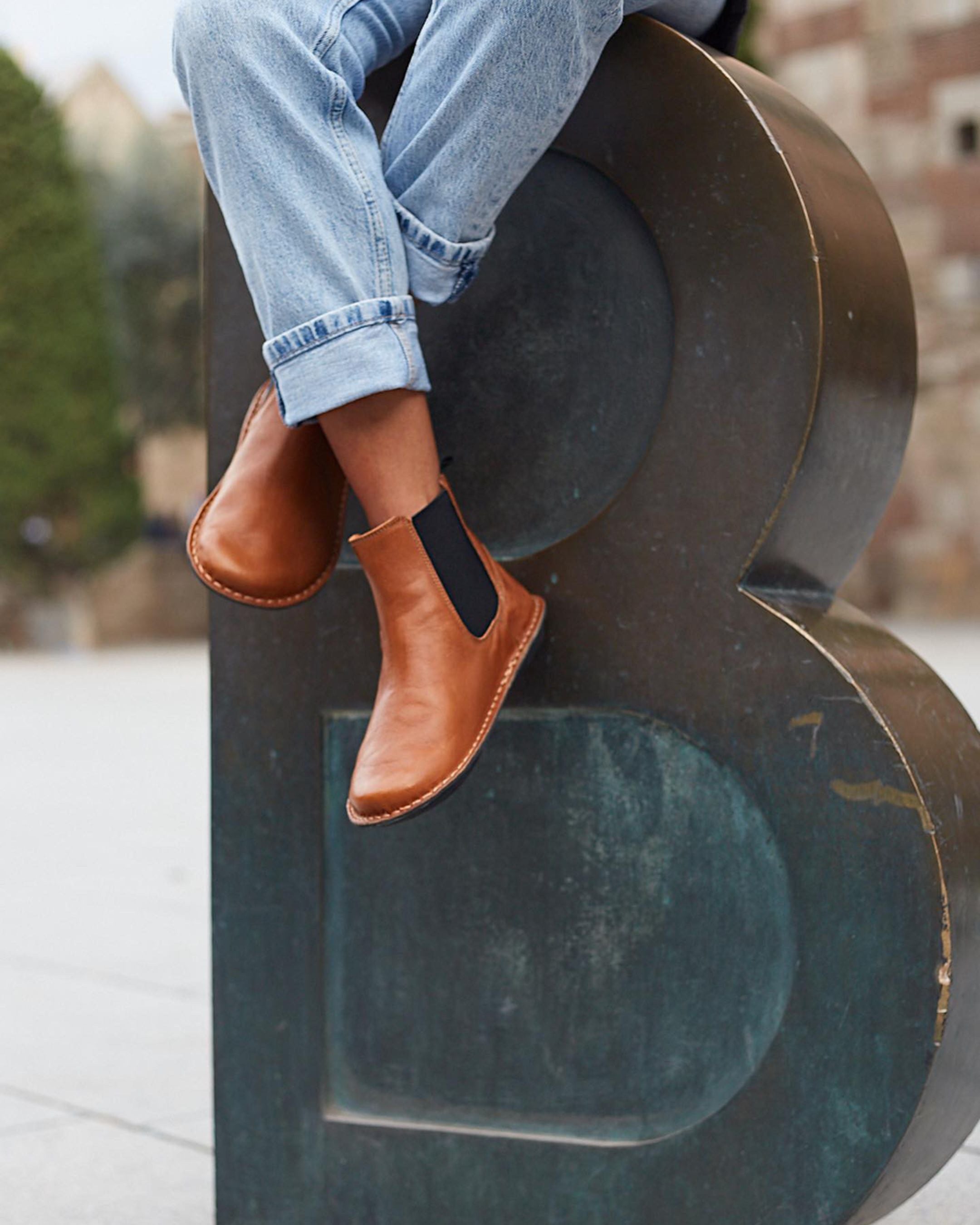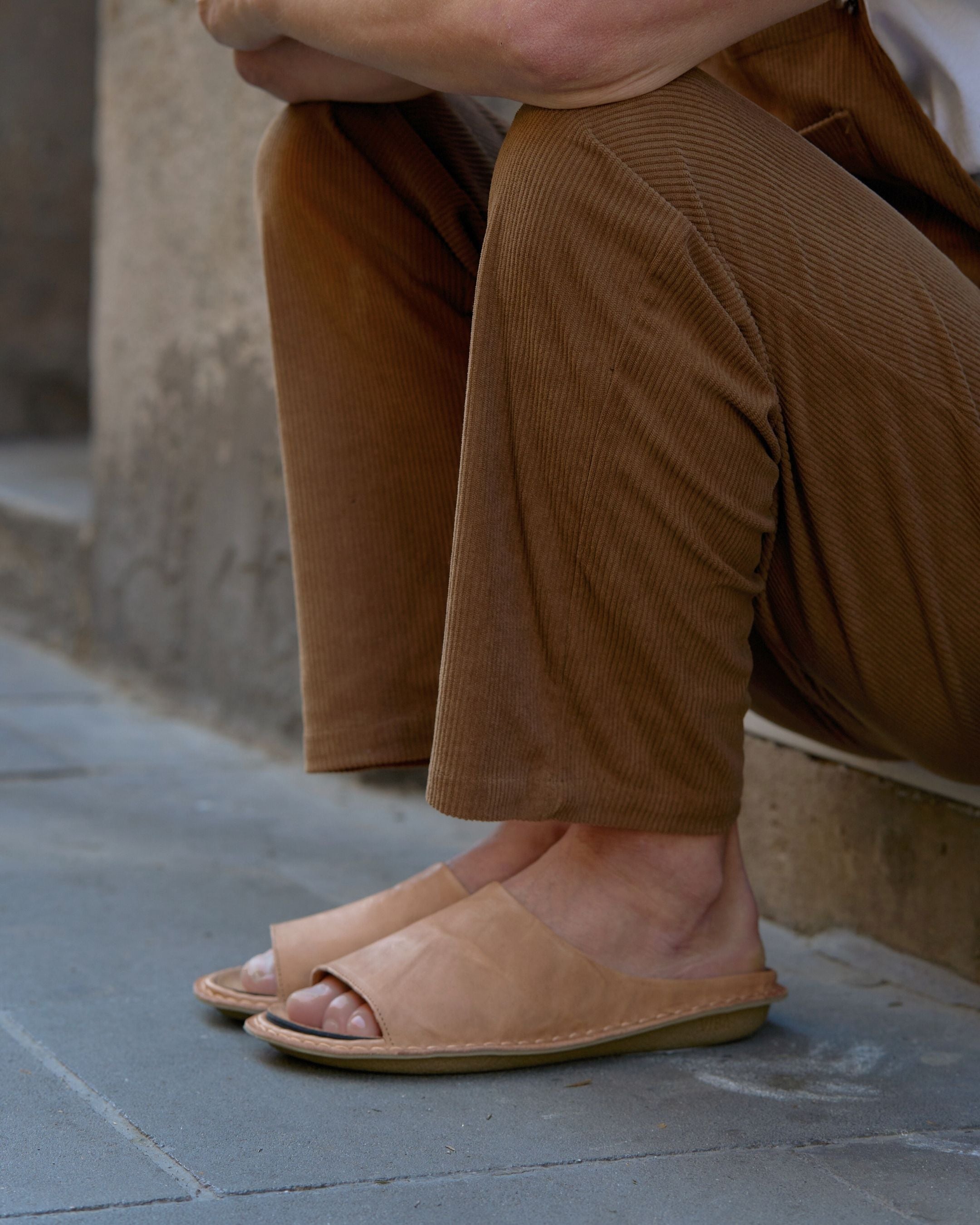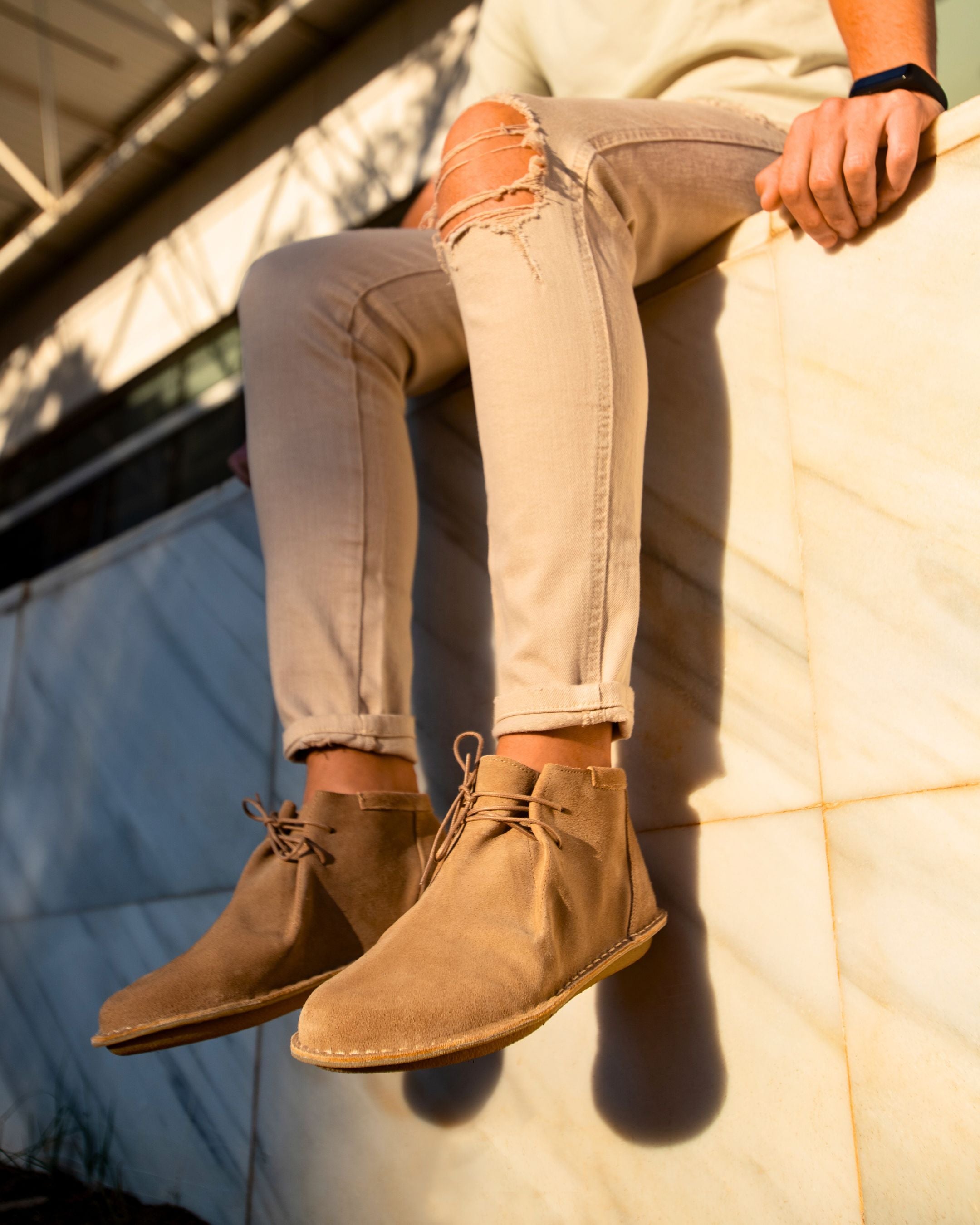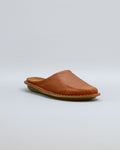
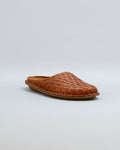
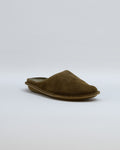

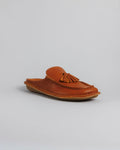
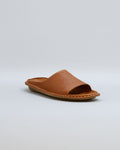

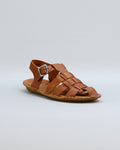
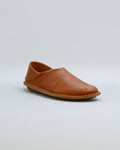
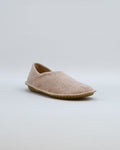
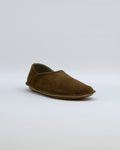
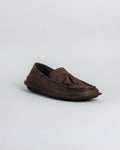
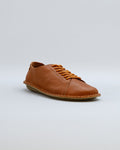
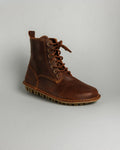
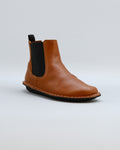
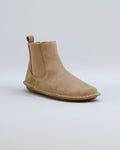
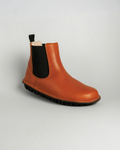
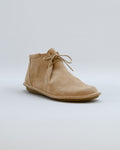

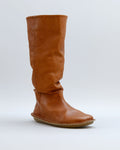
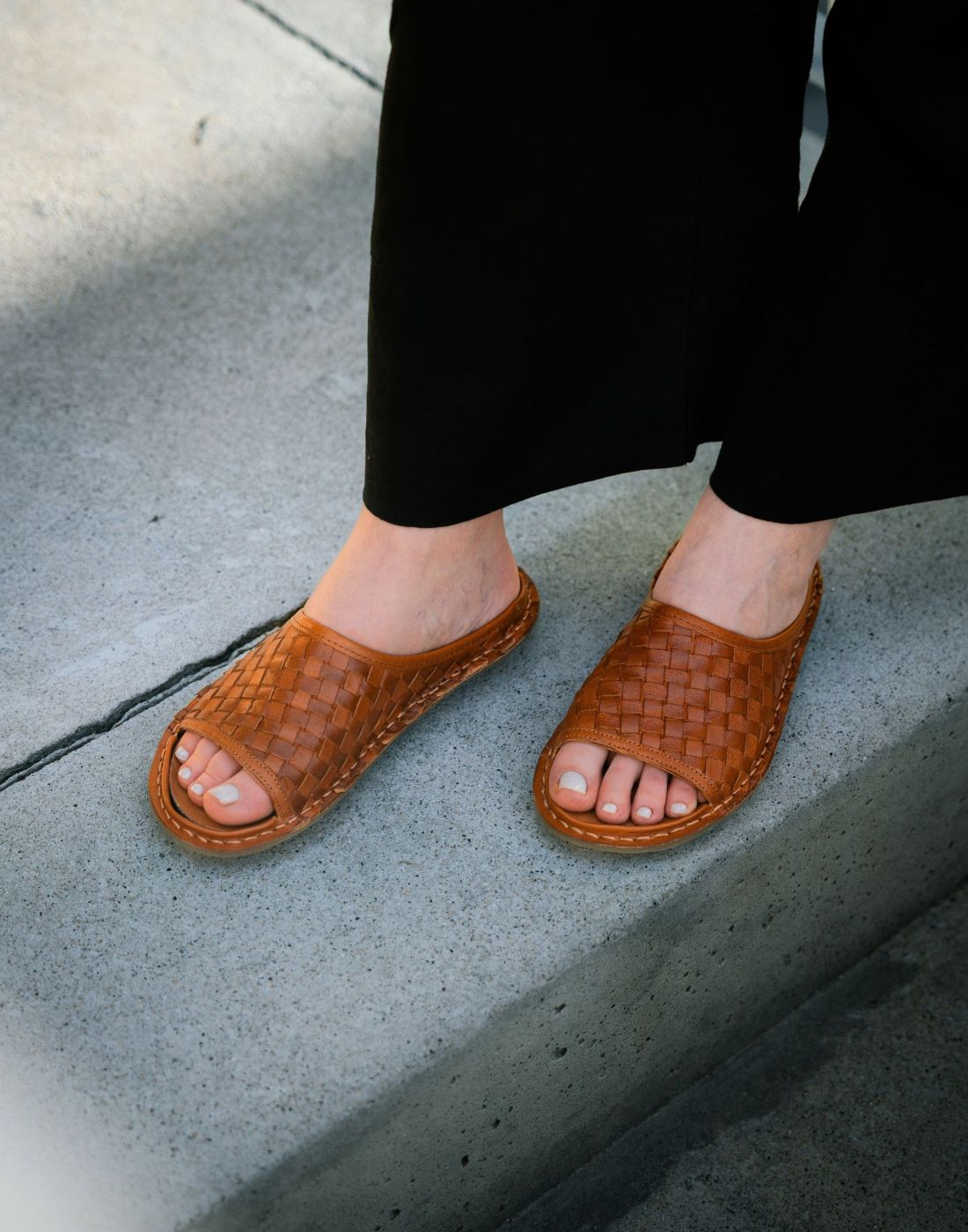

Here's how to clean leather shoes: brush off dry dirt, wipe the uppers with a barely damp cloth, let them air-dry away from heat, then work in a protective cream. Vegetable-tanned leather absorbs water readily, so less moisture and slow drying keep the colour even.
Why knowing how to clean leather shoes matters
How to clean leather shoes, in short: brush off the dry dirt, wipe the uppers with a barely damp cloth, air-dry away from heat, then condition with a thin coat of cream. Vegetable-tanned leather takes water marks more readily than chrome-tanned, so restraint with moisture matters.
The payoff is simple. Colour that holds its depth, leather that stays flexible enough to crease instead of crack, and a pair you keep wearing for years rather than seasons. None of that is magic; it's maintenance.
Here's the mechanism. Street dust and grit are abrasive, and every step grinds them a little further into the grain. Road salt and repeated soakings pull moisture and natural oils out of the fibres, and leather that has lost its oils goes stiff, then pale, then brittle at the flex points. Cleaning takes the grit off. Conditioning puts the oils back. That's the entire logic of a good shoe care routine, and everything below is just the practical version of those two ideas.
VIBAe's shoes are made outside Porto from vegetable-tanned leather, tanned with natural tannins from bark, wood, fruit and leaves rather than chrome salts, which is why it absorbs water and shows marks more readily than a sealed, factory-finished upper, and why it develops a patina that a coated leather never will.
What you need: a small leather shoe care kit
Less than you think. A soft brush, two clean cloths, lukewarm water and a cream matched to your colour will handle nearly everything a normal week throws at your shoes. There's no need to buy a leather shoe care kit with ten tins and six brushes in it; most of those tins will dry out before you finish them.
The short list:
- A soft brush for dry dirt, seams and the welt line where grit hides.
- Two cloths — one for wiping, one kept dry for buffing. Old cotton T-shirt material is ideal.
- Lukewarm water, nothing hotter.
- A protective cream for leather shoes in a tone close to the upper. VIBAe's own PROTECTIVE CREAM comes in Black and Brown at £15.00 each, and you'll find both in our Care products collection. Prices and stock live on the store, which is always the source of truth.
What to skip is just as much a part of sensible leather shoe care. Harsh detergents strip the oils you're trying to protect. Solvent-based cleaners and acetone will lift colour out of vegetable-tanned leather quickly and permanently. Anything sold as an instant fix, from silicone shine sprays to pre-soaked wipes, tends to seal the surface, which stops the leather breathing and traps moisture against your foot. Water, patience and a little cream do more.
How to clean leather shoes at home, step by step
Set aside about a quarter of an hour, on an evening when the shoes have earned it, and you can clean leather shoes at home with no special skill involved. Four steps, in order, one shoe at a time.
- Take out the Carbon Step™ footbed and brush off the dry dirt. Where the footbed is removable, lift the Carbon Step™ footbed out of both shoes and set it aside so the inside of the shoe and the footbed itself can air properly. Then brush the upper while it is completely dry, working along the seams and around the welt where grit gathers. Wet grit turns into a paste that grinds straight into the grain, so this order isn't optional.
- Wipe the uppers with a barely damp cloth. Dip a cloth in lukewarm water and wring it out until it is almost dry. Work in small circular passes, covering a whole panel at a time so the leather dries evenly rather than in patches. For ordinary street dust you need no soap at all.
- Spot-clean marks and salt lines. To remove salt stains from leather, use a slightly damper cloth and several light passes rather than one hard scrub, feathering outwards so you don't leave a tide line. Always test on a hidden area first: the inner quarter or the back of the heel counter.
- Dry slowly, away from radiators and direct sun. Stuff the shoes loosely with paper to hold their shape and absorb moisture from the inside, then leave them at room temperature for a full day, footbeds out. This is the whole answer to how to dry leather shoes: heat is what cracks leather, not water.
Two small habits make the difference over time. Dry the footbed separately and fully before it goes back in, and never put shoes away damp, because leather stored wet is where odour and stiffness begin.

A little care goes a long way — simple tips for long-lasting leather. Read Care Instructions
Conditioning: the step that keeps veg-tanned leather supple
Conditioned leather creases where it bends instead of cracking, and the colour deepens into a patina rather than greying out at the toe box. Cleaning alone doesn't do that. Cleaning removes; conditioning replaces what the weather took.
Vegetable tanning is why this step matters more here than on a coated shoe. Tannins from bark, wood, fruit and leaves leave the fibre structure open, so the leather takes up cream readily instead of repelling it. A good leather conditioner for shoes works with that openness rather than sealing over it, which is how VIBAe's PROTECTIVE CREAM is meant to be used.
Apply it thinly. Put a small amount on a dry cloth, not straight onto the shoe, and work it in with circular passes across the whole panel, including the flex creases across the vamp where the leather moves most. Let it sit for a few minutes, then buff with the second dry cloth until the surface no longer feels tacky. Let the shoes rest before you wear them again, so the cream settles rather than transferring onto socks or trouser hems.
The trade-off, stated plainly: conditioning darkens leather, at least at first. On Cognac Brown and Cocoa Brown the shift reads as richness. On lighter tones such as Fawn Tan or Desert Nude, a shade or two of deepening is very visible, and it doesn't fully reverse. Test on the inner quarter, wait for it to dry, and judge from there. That's the honest heart of vegetable-tanned leather care: you're guiding how the shoe ages, not freezing it.

Vegetable-tanned leather, no nasty shortcuts. See what goes into every pair. Explore Our Materials
Care by material: leather, suede, linen and rubber soles
The method above is for smooth leather. Treat a suede upper the same way and you'll flatten the nap, so it's worth knowing which pair you're holding. Our smooth leather comes from LWG-audited tanneries and is made from food-industry by-products, and you can read more about it on our materials page.
- Smooth leather (HELSINKI, ROMA, SAINT TROPEZ, ZUMA Leather and the rest): brush, barely damp cloth, cream. As above.
- Suede (ROMA Bio Suede, JTREE Suede, SYDNEY Bio Suede): how to clean suede shoes comes down to restraint. Brush only, always dry, always in one direction to lift the nap. No cream, no soaking, and let mud dry fully before you touch it.
- ZUMA Linen: the easy one. ZUMA Linen is fully washable and quick-drying; for everyday marks, spot-clean with a barely damp cloth and mild soap, then air-dry out of the sun. We've written up the specifics in our top tips for ZUMA Linens.
- Natural rubber outsoles: every VIBAe outsole is natural rubber, tapped from trees without felling them. Natural rubber sole cleaning is mild soap, warm water and a brush around the edges. Keep solvents away from it, and keep water off the leather above while you work.
For the full reference version by material, see the care instructions on our materials page.
Mistakes that age leather early
Most shoes that fail early weren't worn out. They were dried out, soaked, or never given a day off. The recurring culprits are easy to name.
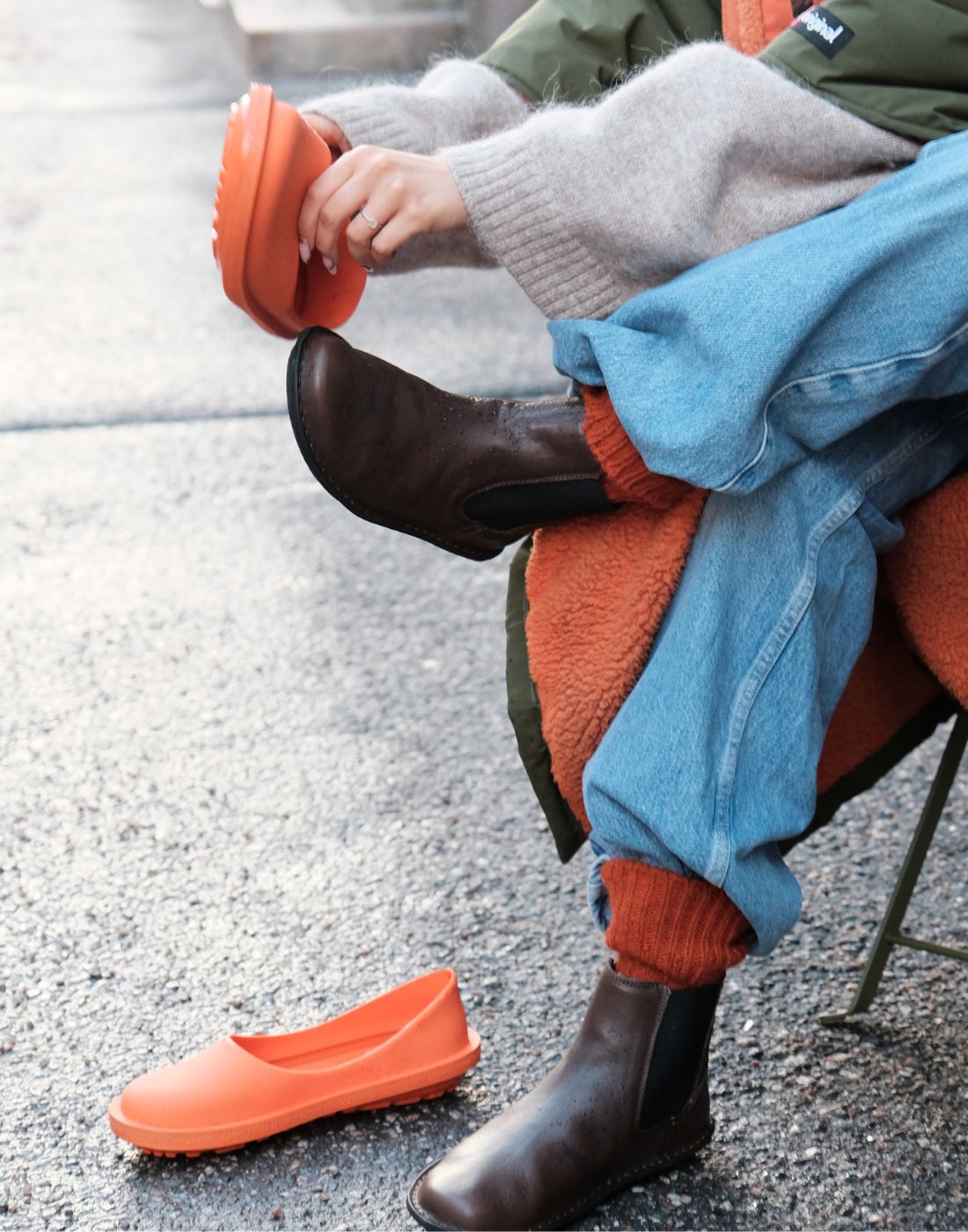
The washing machine is the fastest way to ruin a leather shoe: the drum's heat and agitation strip oils, distort the shape and separate adhesives. Radiator and hairdryer drying does the same damage more slowly. Saturating the upper to clean it, rather than wiping it, pushes water deep into the fibres and leaves water marks on leather that are far harder to even out than the mark you started with. Leaving the footbed in while the shoe dries traps moisture exactly where you don't want it. Wearing galoshes on wet days avoids that soaking in the first place.
Rotation is the least glamorous tip and the most effective one. Leather needs roughly a day to release the moisture a foot puts into it, so alternating two pairs gives both a chance to dry properly between wears. If you want the short answer on how to make leather shoes last longer, that's it, alongside a wipe-down before storage. Our own long-term test of what happens when you skip the rules is written up in 1098 days of wear.
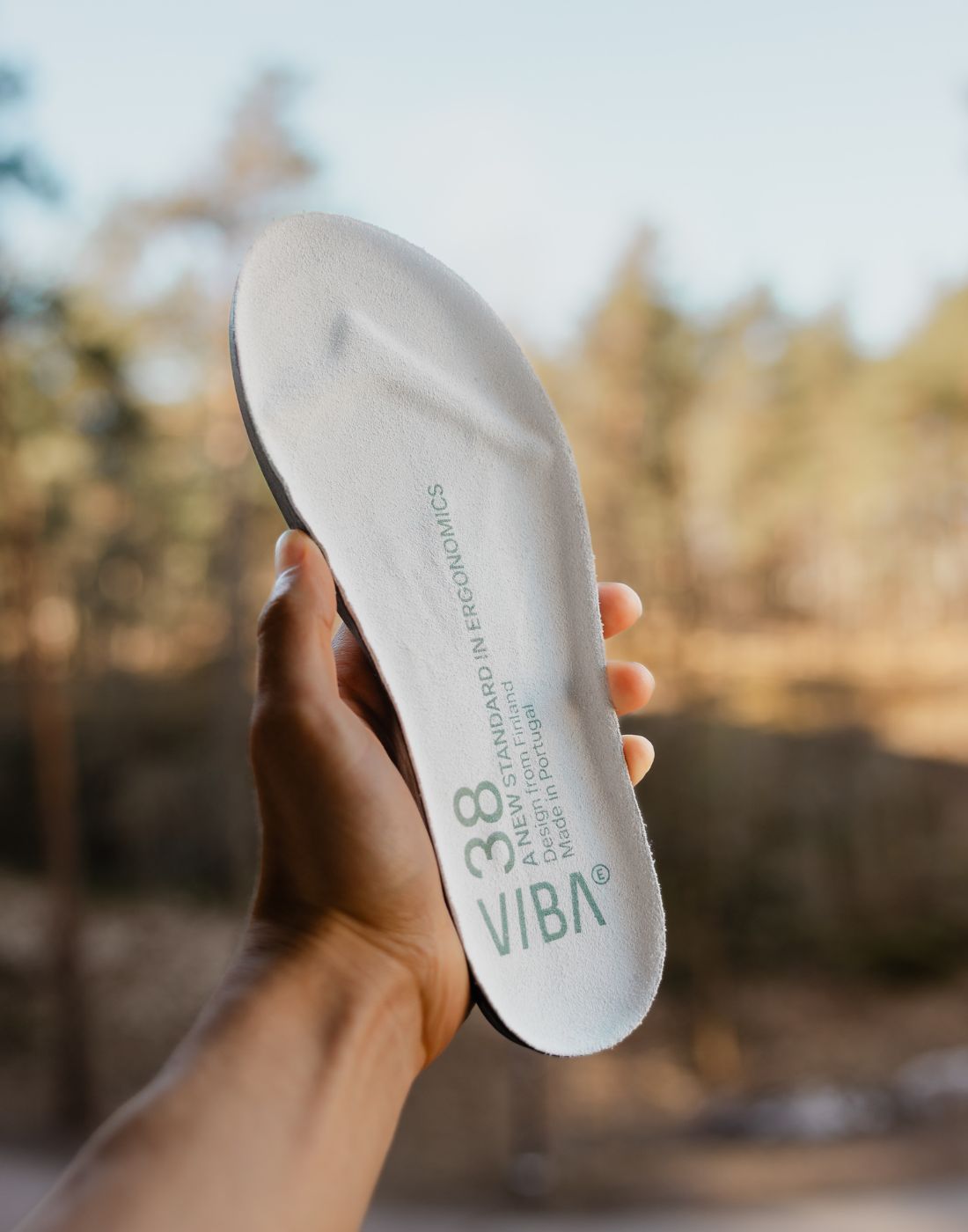
One more thing worth knowing: the Carbon Step™ footbed, with its 11 mm heel, 14 mm arch and 7 mm forefoot cushioning, usually tires before the upper does. On styles where it lifts straight out, removable footbed replacement is a simple swap. Carbon Step™ footbeds are listed from £45.00, depending on the version and size, with current prices on the store. That's the point of making it removable.
Frequently asked questions about leather shoe care
Can leather shoes go in the washing machine?
No. Machine heat and agitation strip the oils from vegetable-tanned leather, distort the shape and stress the bonded seams, and the damage doesn't reverse. Learning how to clean leather shoes by hand takes about fifteen minutes: brush dry, wipe with a barely damp cloth, air-dry at room temperature, then condition.
How often should leather shoes be cleaned and conditioned?
Brush and wipe whenever they look dusty, which for most daily wearers means every couple of weeks. Condition when the leather starts to look dry or feel stiff at the flex creases, rather than on a fixed schedule. Winter salt and rain generally mean conditioning more often; a dry indoor season means less.
How do you get salt stains and water marks off leather shoes?
Work gradually. Use a cloth wrung out in lukewarm water, make several light passes, and feather outwards so you don't create a new tide line. Let the panel dry fully, then repeat if needed. Dampening and drying the whole panel evenly is what makes a ring disappear. Condition afterwards.
Can the Carbon Step™ footbed be washed, and can it be replaced?
Wipe the Carbon Step™ footbed with a barely damp cloth and let it air-dry flat, out of direct heat. Don't soak it and don't machine wash it. When it eventually flattens or wears through, you replace the footbed rather than the shoe — that is exactly why it lifts out on most styles.
And when a pair has genuinely reached the end of your time with it, our Pre-Loved resale and recycling programme with partner Ninyes gives it a next owner instead of a landfill.
Good shoes deserve a second walk. Shop Pre-Loved VIBAe. Explore Pre-Loved