
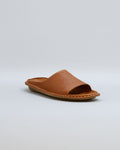

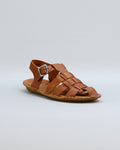
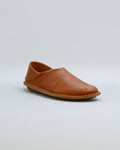
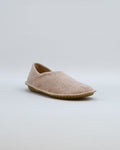
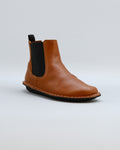
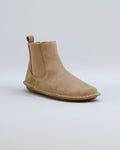
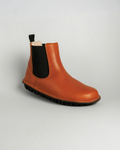
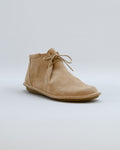
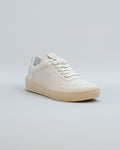
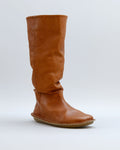
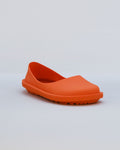
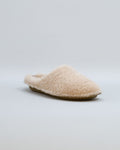
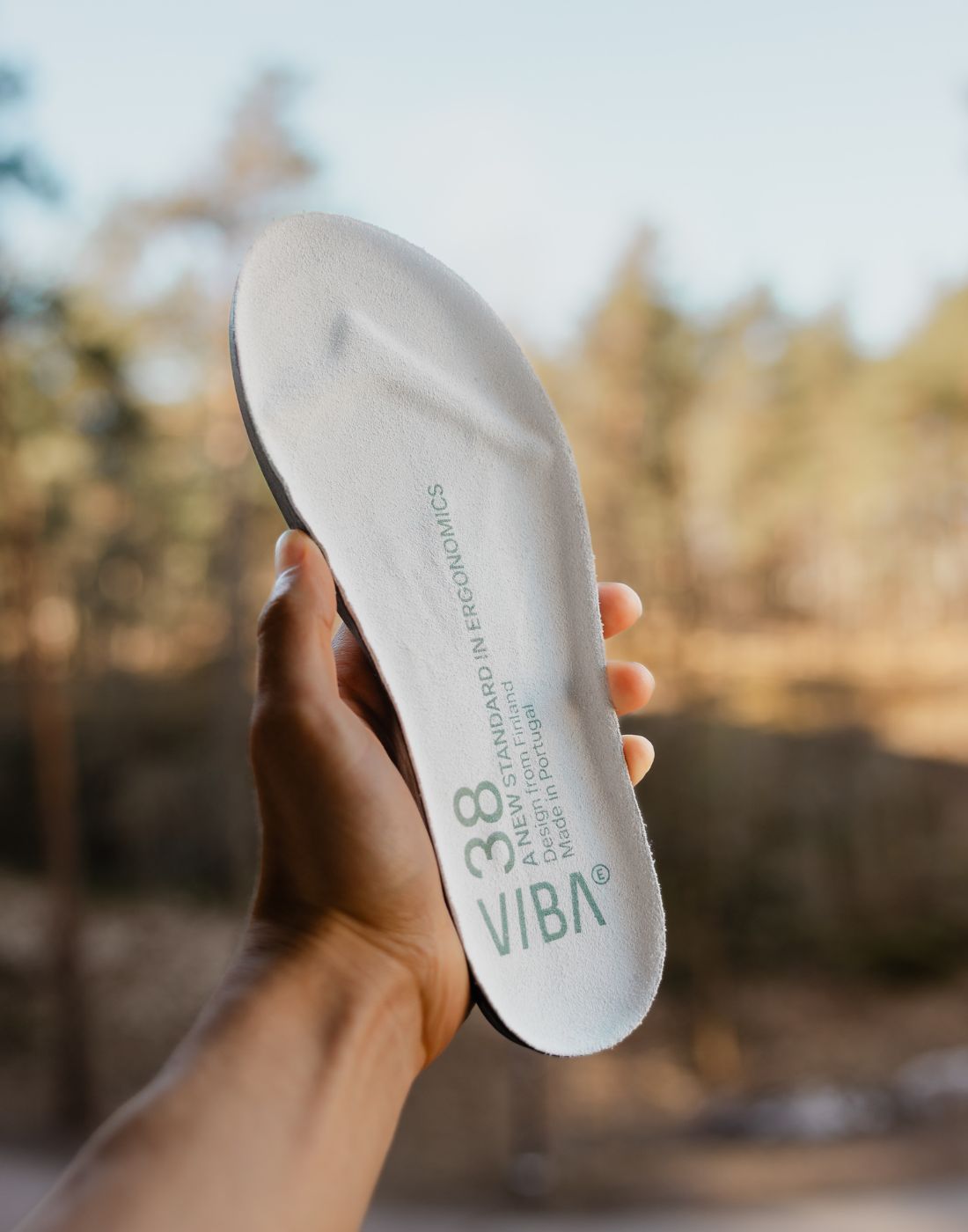

Shoes for standing all day work best when the toe box is wide enough for toes to splay, the sole flexes with the foot, and the footbed cushions without forcing a posture. Weight and breathable materials matter too: a lighter shoe costs the legs less effort across an eight-hour shift.
Shoes for standing all day should give your toes room to spread, bend with your foot, cushion without lifting you onto a stack, and weigh as little as possible. Toe box width matters most. Everything else is a refinement of that.
The short answer for anyone on their feet 8+ hours
Four things decide how your feet feel at the end of a shift, roughly in this order: toe box width, sole flexibility, footbed support and shoe weight. Get the first one wrong and the rest can't rescue it. Get it right and a fairly simple shoe will carry you further than you'd expect.
Here's the part that runs against most shop-floor advice: maximum cushioning is not the same thing as comfort. A thick midsole feels wonderful for the first ten minutes and then quietly changes how your foot works, because a soft, tall platform gives your foot nothing stable to organise itself against. A shoe that lets your toes spread out gives you a wider base to stand on, which is what actually steadies you through hour nine. Cushioning helps. It just isn't the lead.
Shoe weight is the feature people notice last and feel most. Over a long shift you lift each shoe thousands of times, and grams add up into something your calves recognise by the evening.

Why do long hours on hard floors tire your feet out?
Standing still is harder on feet than walking. When you walk, your calf muscles contract and relax and help push blood back up your legs; when you stand, that pump barely runs, so fluid settles and your feet gradually swell through the day. Meanwhile the same few square centimetres of foot carry the same load, minute after minute.
Hard floors compound it. Tile, concrete and vinyl return almost everything you put into them, so there's no give in the surface and no rest between steps. Shoes for hard floors have to supply the give that the building won't, which is a real argument for a cushioned footbed, though not an argument for building that footbed as tall as possible.
The swelling is why fit can't be judged in a shop at ten in the morning. A tapered toe box that feels perfectly acceptable at the start of a shift becomes a squeeze by mid-afternoon, because your foot has grown into the space and the shoe hasn't grown with it. Foot fatigue from standing is often just this: hours of gentle compression in a shoe that had no margin to begin with.
Plenty of readers arrive here with a foot they already know well, whether that's a bunion that dislikes pointed shoes or an arch that complains after a double shift. We'll name those as context, not as something footwear fixes. If pain is persistent, sharp or getting worse, that's a conversation for a GP, podiatrist or physiotherapist, not a shoe purchase. What roomy, flexible shoes can honestly offer is space, support underfoot and less pressure in the places where pressure builds.
The four features that actually matter
Toe box width — the one most people underrate
A wide toe box buys you a wider, steadier base to stand on, and it's the single feature we'd protect if we could only protect one. Your toes are meant to splay under load, spreading your weight across the forefoot instead of concentrating it behind the ball of the foot. Wide toe box shoes let that happen; tapered ones quietly prevent it.
Why does a narrow shoe feel fine in the shop? Because you try it on rested, on carpet, for ninety seconds. The fit problem is cumulative. By hour six your foot has swollen slightly, your toes have been held together for a working day, and the shoe that "felt fine" is now doing something you can feel in your forefoot on the bus home.
Sole flexibility and a low, even profile
A sole that bends where your foot bends lets your own foot muscles do their job, and muscles that work stay strong. A rigid slab does that work for you, which feels supportive at first and, over months, leaves the foot doing less than it could. Flexible sole shoes ask more of your feet in week one and give more back over years.
A low, even profile matters for the same reason. When heel and forefoot sit at similar heights, your weight distributes more evenly instead of piling forward onto the ball of the foot. Every VIBAe outsole is made from natural rubber, tapped from trees without cutting them down. It grips indoor floors, stays quiet, and flexes with you.
Footbed support versus raw cushioning
Support and cushioning are different jobs, and the Carbon Step™ footbed does both in measured amounts. Its 11/14/7 Formula means 11 mm of cushioning at the heel, 14 mm of support at the arch and 7 mm of cushioning at the front. That arch support footbed shape is what keeps a low-profile shoe from feeling flat and unsupported through a long day, while the thinner forefoot keeps your toes close to the ground where your balance lives.
On most styles the footbed is removable, which is the point of it. Footbeds wear out long before well-made uppers do, so when yours flattens you swap in a fresh one rather than replacing a whole pair. Removable footbed shoes are simply cheaper to keep alive. Every VIBAe pair comes with a Carbon Step™ footbed fitted, and replacements are sold separately in suede, leather, shearling and vegan versions. Browse the CARBON STEP™ footbeds when yours has done its miles.

Weight and breathability
Light shoes save your legs, not just your feet. Multiply a modest weight difference by the number of steps in a twelve-hour shift and you understand why lightweight leather shoes beat heavy ones for standing work, even when the heavy pair looks more serious.
Breathability is the other half of this. Linen uppers move air well and suit warm indoor rooms. Vegetable-tanned leather shoes breathe better than coated synthetics and mould to your foot over time, and the leather will gently stretch where needed. But leather is a material with obligations. It needs cleaning, occasional cream and a night off to dry out if you've been standing in it all day. If you won't do that, buy linen and be happier.
Comparing the features side by side
No single column in the table below wins. The combination does, and the right combination depends on your floor, your dress code and your weather. Read across a row, not down a column.
A practical way to choose: if your shift is entirely indoors and warm, a linen upper earns its place on breathability and weight. If you're in and out of the building, or working somewhere that involves spills and cold mornings, leather is the more forgiving surface and takes cleaning better. If your shoes come on and off repeatedly through the day, prioritise a mule or slip-on over a closed shoe, whatever the material.
| Model family | Toe box | Sole | Weight | Upper material |
|---|---|---|---|---|
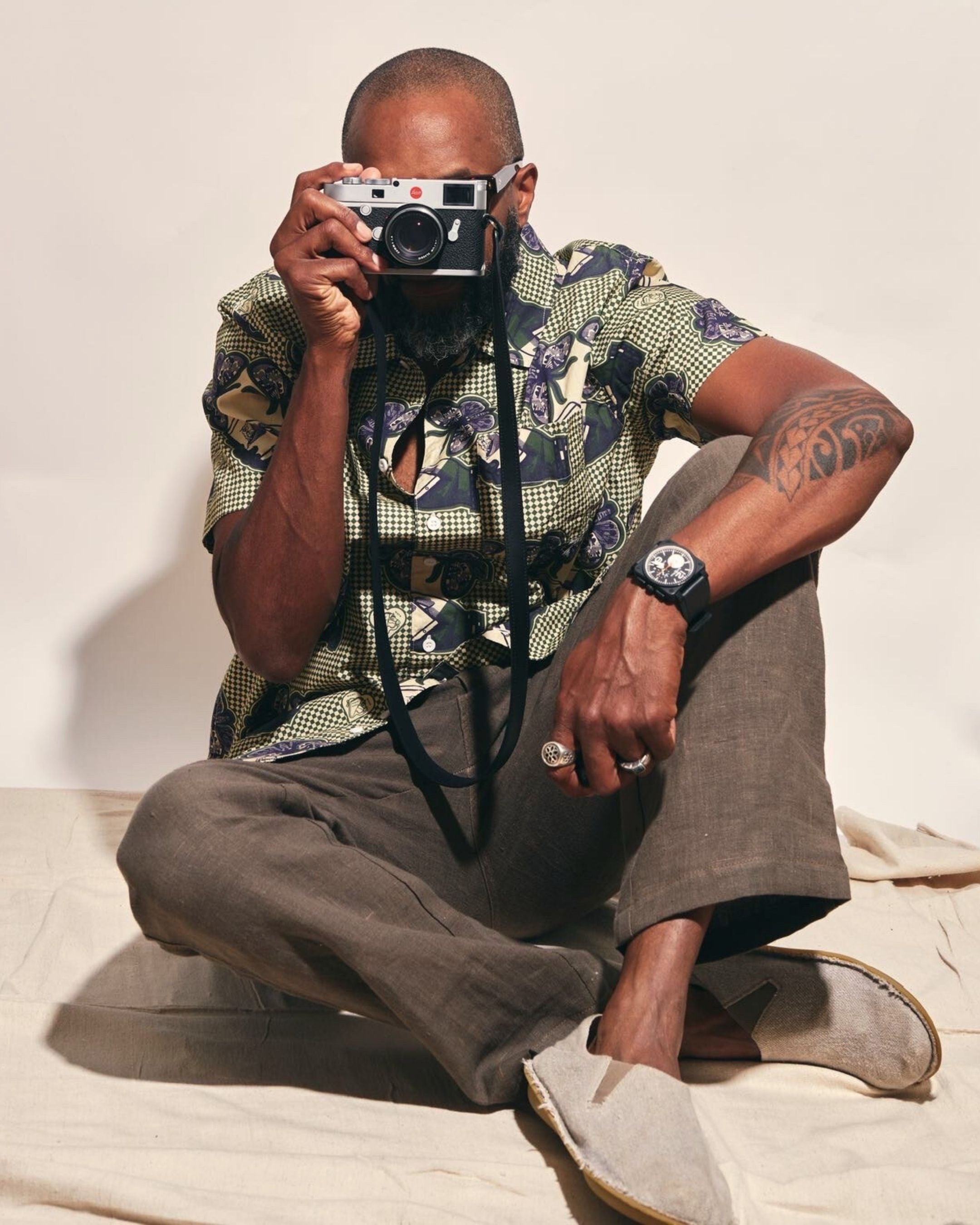
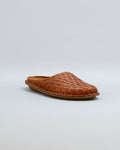
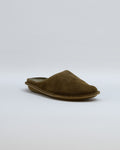
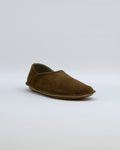
| ZUMA Linen | Wide, roomy | Flexible natural rubber, low profile | Light | Linen: highly breathable, easy-going, best indoors |
| ZUMA Leather | Wide, roomy | Flexible natural rubber, low profile | Light to mid | Vegetable-tanned leather from LWG-audited tanneries: wipes clean, needs care |
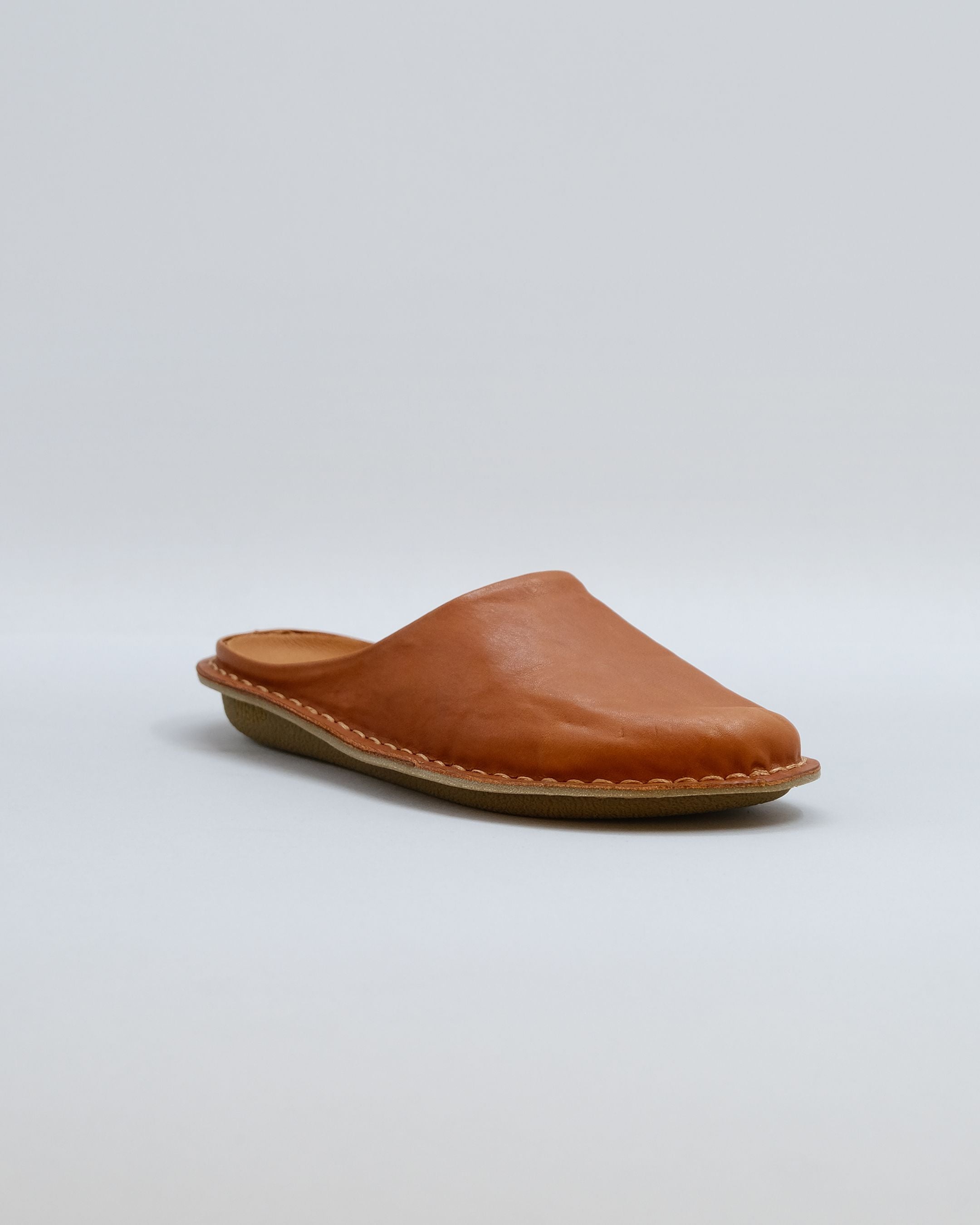
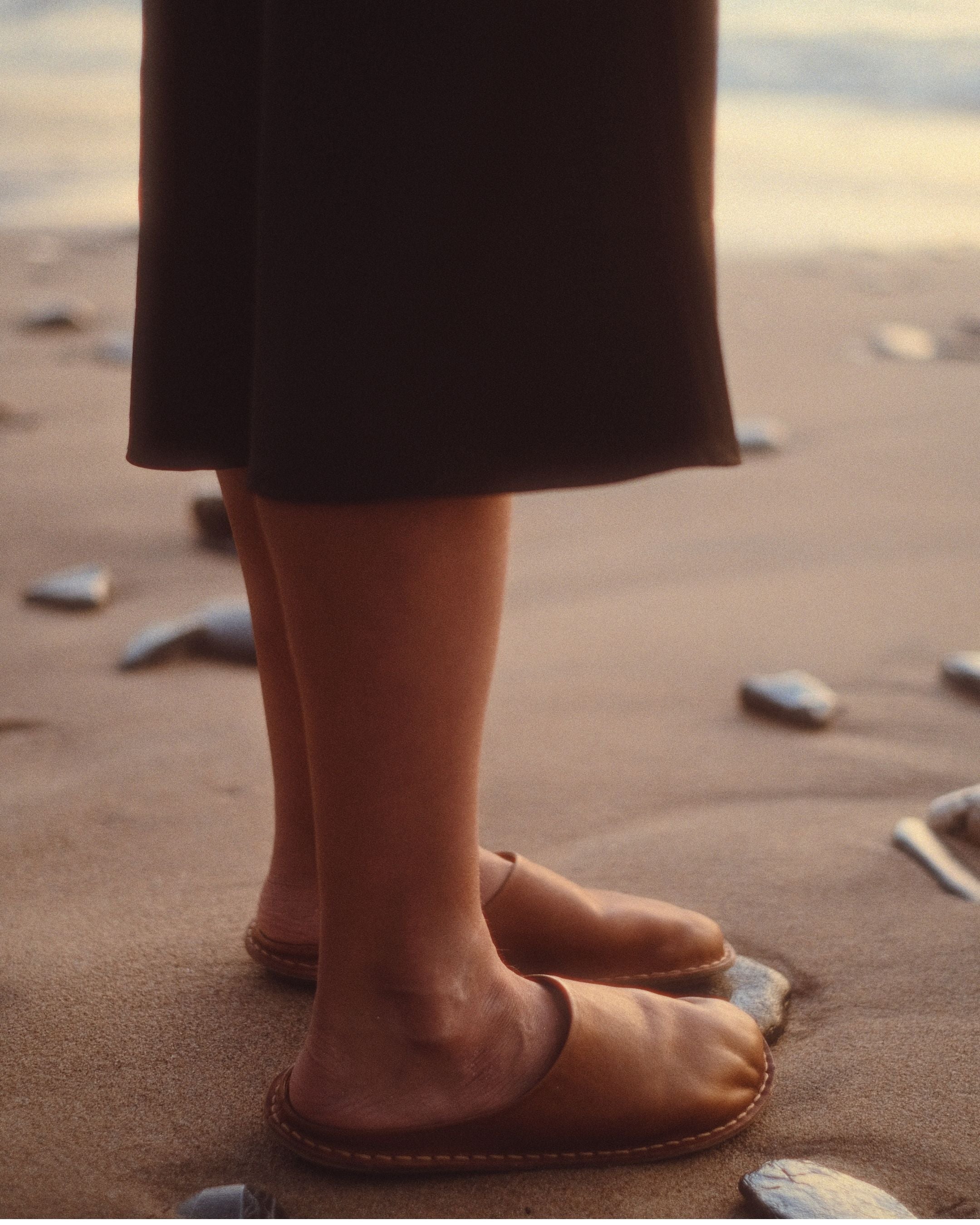
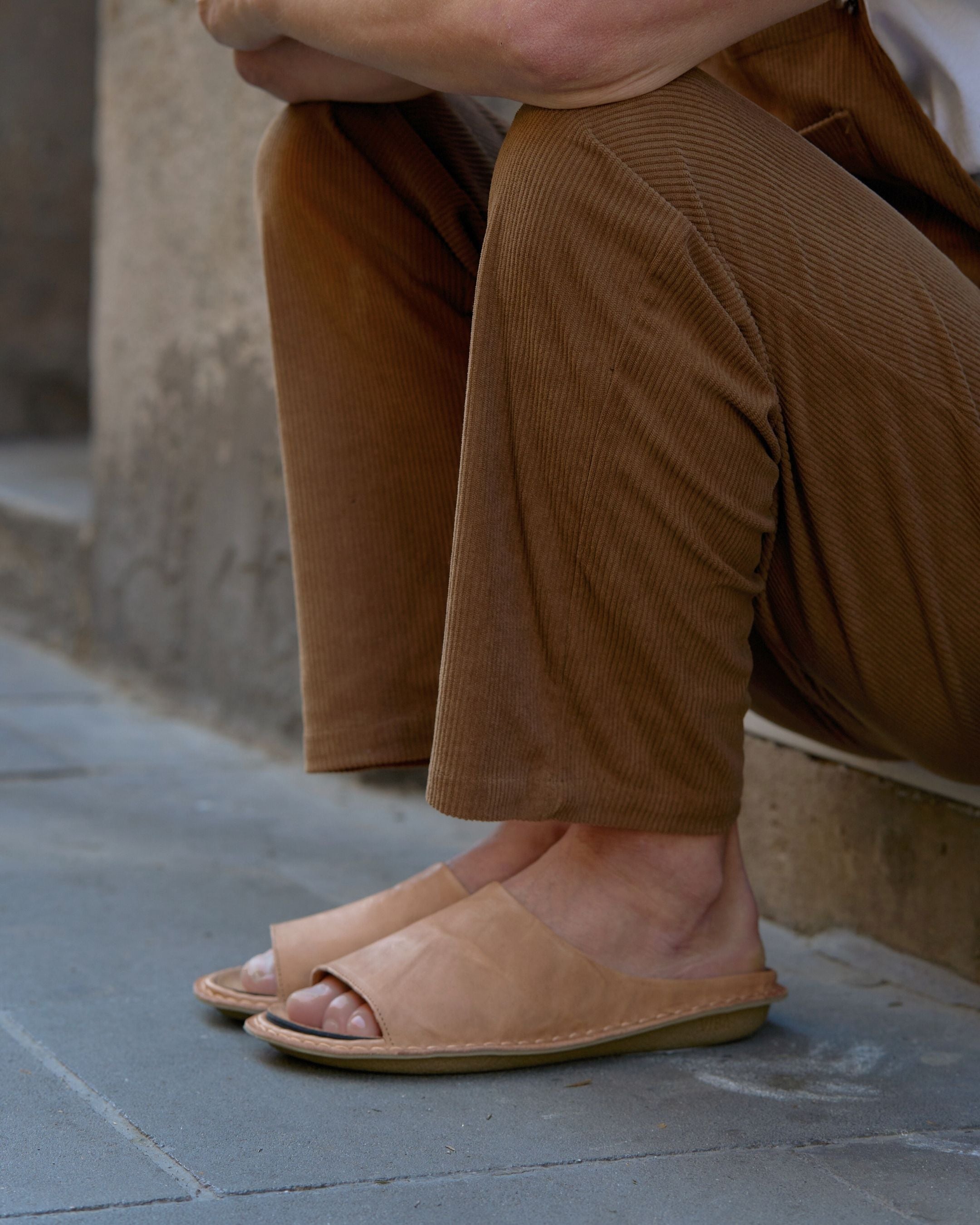
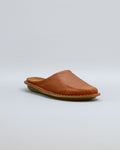
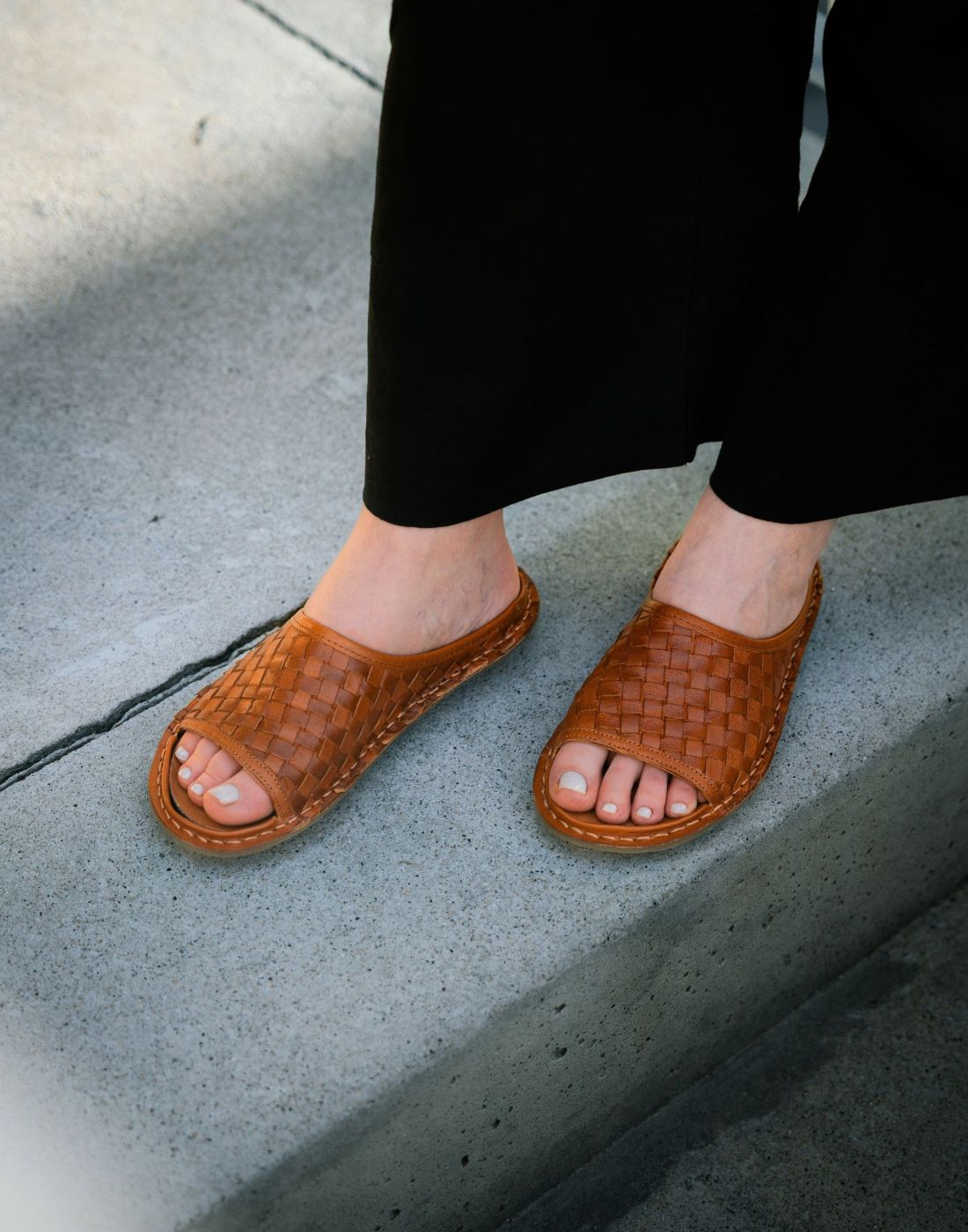
| ROMA Leather | Wide, roomy | Flexible natural rubber, low profile | Light | Vegetable-tanned leather, backless mule: fastest on and off |
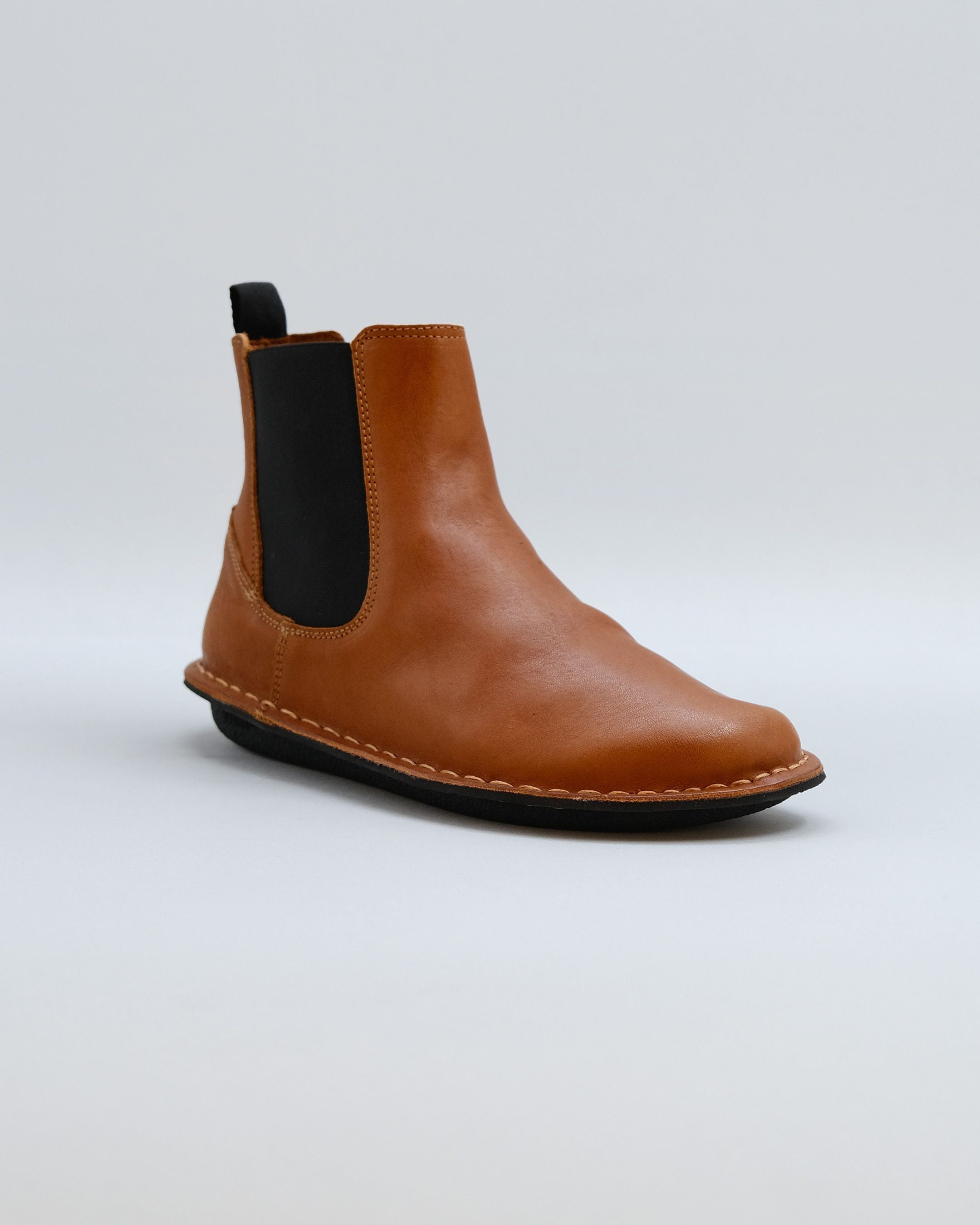
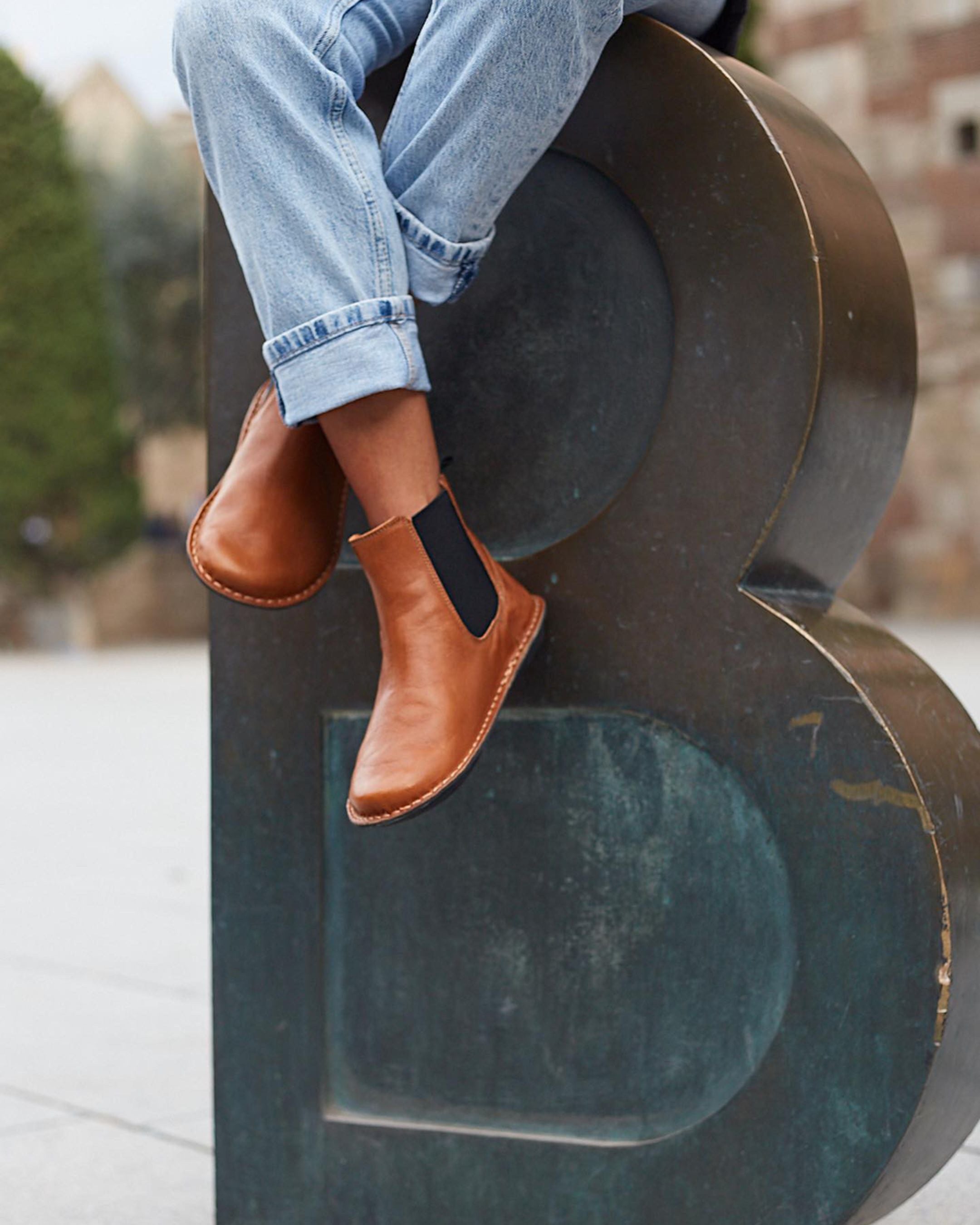
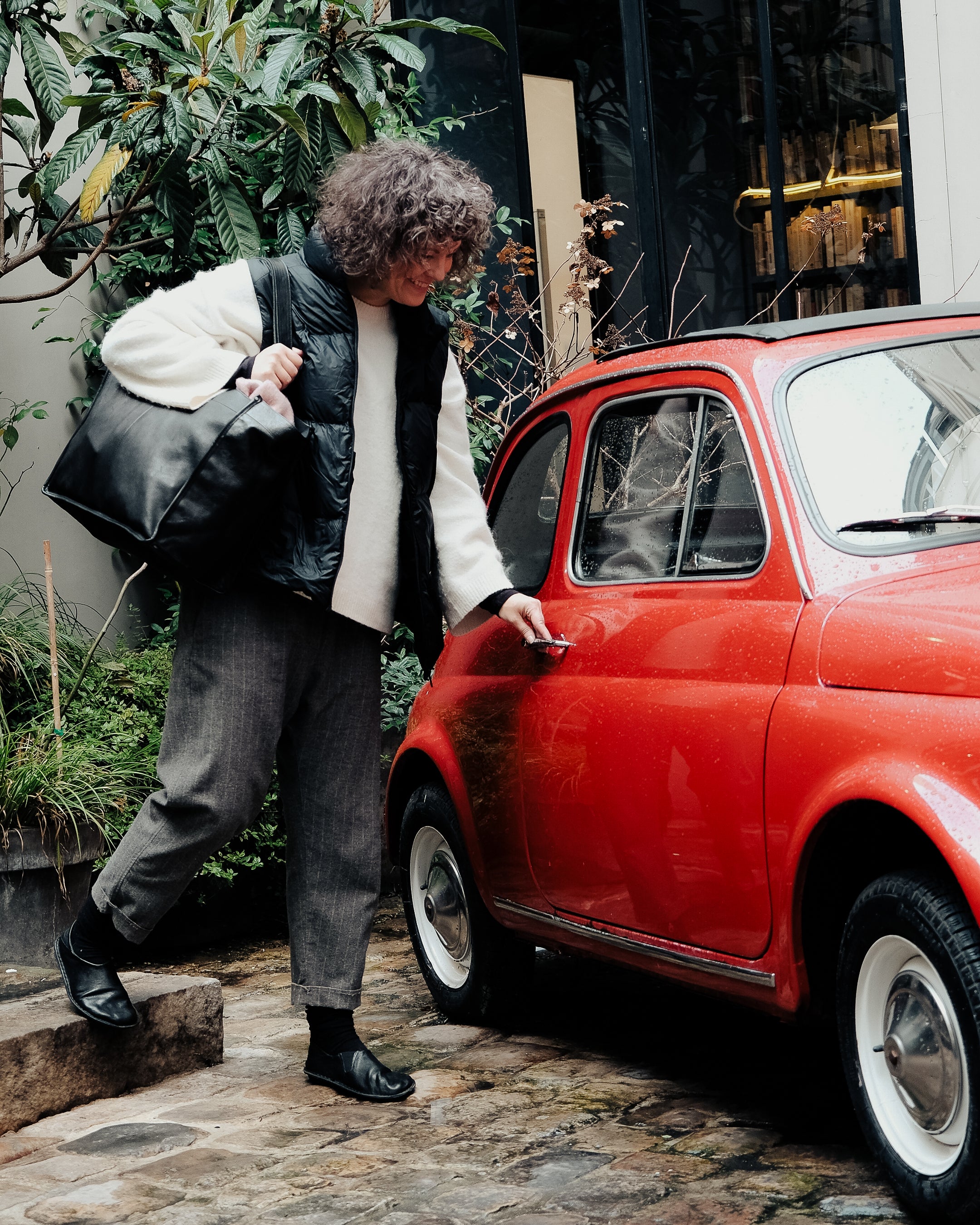
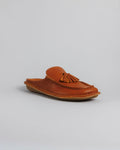
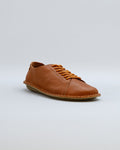
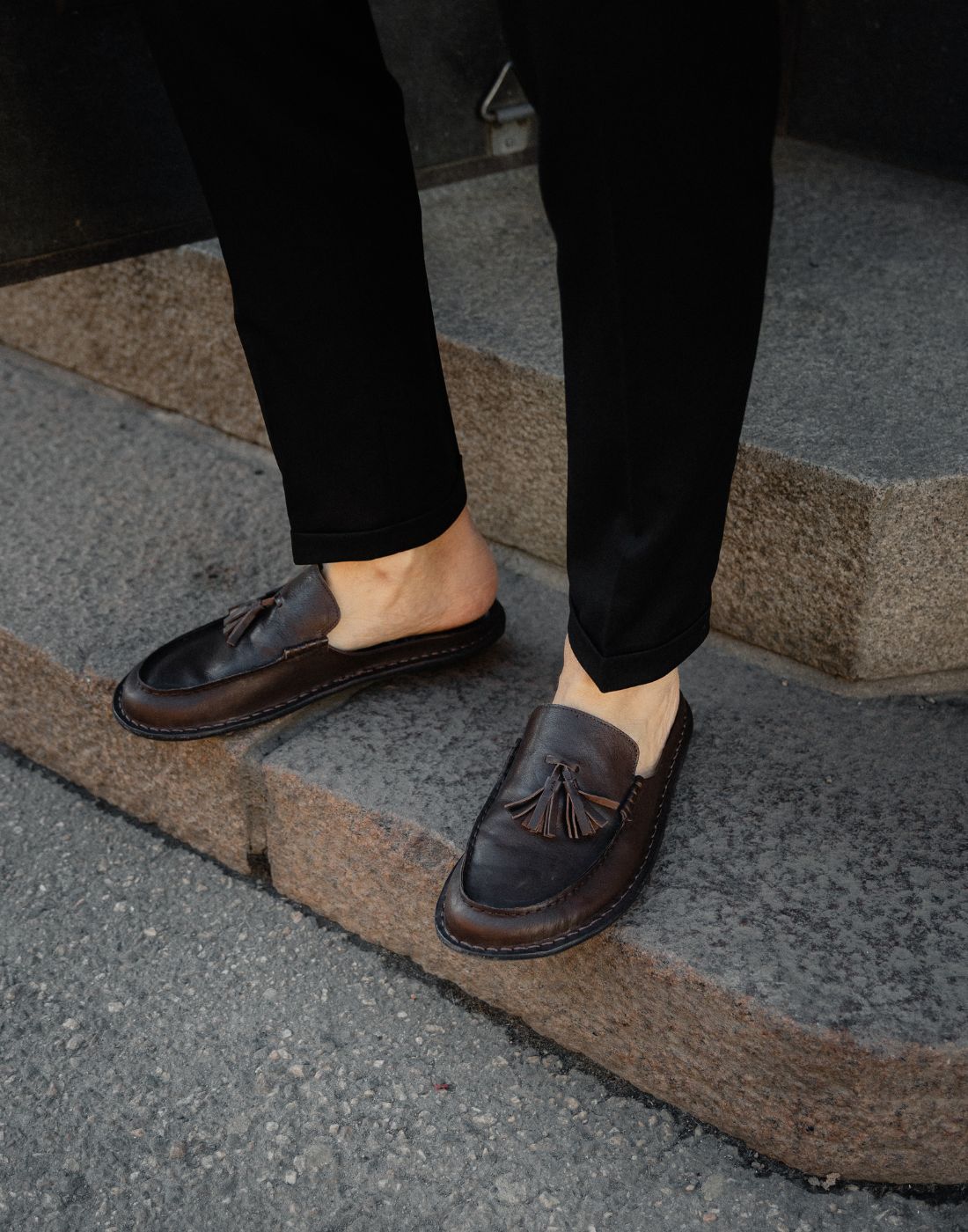
| HELSINKI Leather | Wide, roomy | Flexible natural rubber, low profile | Mid | Vegetable-tanned leather, closed and more structured: smart dress codes |
All four carry the same Carbon Step™ footbed and the same 11/14/7 Formula underfoot: 11 mm of cushioning at the heel, 14 mm of support at the arch and 7 mm of cushioning at the front. They also share one unisex size run, EU 35–48 (22.0–30.7 cm), so your decision is about coverage, closure and how much the upper asks of you rather than whether your size exists at all. At the time of writing the store lists ZUMA Linen at £125, ROMA Leather at £150, ZUMA Leather at £170 and HELSINKI Leather at £210. Specifications and prices can change, so treat the store as the source of truth before you buy.
Vegetable-tanned leather, no nasty shortcuts. See what goes into every pair. Explore Our Materials
Work shoes for standing: matching the shoe to the job
The right work shoes for standing depend less on your job title than on three practical details: what your floor is made of, whether shoes come on and off during the day, and what your dress code will tolerate. Sort those and the choice narrows fast.
Indoor shifts on tile and concrete
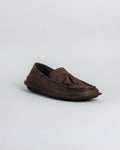
For hospital corridors, salon floors, cafés and classrooms, prioritise breathability and easy on-and-off. Anyone changing at the door, slipping shoes off on a break, or moving between a staff room and a shop floor will get daily value from a backless design. Our ROMA leather mules go on and off without bending down: step in, step out, done.
ZUMA Linen suits warm rooms where closed leather gets sticky. That mechanism is the whole case for slip-on work shoes on a ward or a shop floor, and it's why comfortable shoes for nurses live or die on convenience as much as cushioning: a shoe you can shed for two minutes at handover is a shoe you'll still be happy in at hour twelve.
Smart dress codes and customer-facing roles
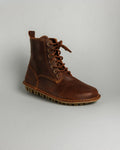
If you're front of house, teaching, or working anywhere with a uniform standard, the shoe has to read as considered rather than corrective. That's the argument for a Nordic-minimalist shape: clean lines, no visible orthopaedic hardware, roomy where it counts and unremarkable everywhere else. HELSINKI Leather is the more structured, closed option and sits comfortably with tailoring or a uniform; the loafers and mules edit covers the ground between work shoe and weekend shoe. For a closed tassel loafer that sits well with most dress codes, the TRIBECA collection is worth a look too. For office loafers built for all-day comfort, or a broader look at minimalist shoes for work, our dedicated guides cover the trade-offs in more depth.
Where VIBAe is not the right call
If your role requires certified safety footwear (steel or composite toecaps, puncture-resistant midsoles, specified slip-resistance ratings), VIBAe shoes are not that category and we won't pretend otherwise. Kitchens with formal slip-resistance requirements, warehouses, construction and many industrial settings need certified safety footwear, and your employer's policy is the standard to meet. Buy the certified pair for those hours. Our shoes are for the shifts where the requirement is comfort and appearance, not protective certification.
Don't take our word for it — friends & family said it first. Read Customer Reviews
Buying in the UK: sizing, fit and what happens if it's wrong
VIBAe makes unisex shoes in sizes 35–48 (22.0–30.7 cm), one collection for everyone, with US and UK conversions listed on the size chart. We don't make half sizes. Go one size up if you're between sizes, prefer wearing thicker socks, or just like a looser feel. The leather will gently stretch where needed.
That advice matters most in the larger end of the range. Anyone shopping a 42, 43, 44, 45 or 46 knows the usual problem: sizes go up in length but the last stays narrow, so the shoe gets longer without getting any more habitable. Because the range is built on roomy, foot-shaped lasts, a comfortable size 44 shoe for standing all day behaves like the 38 does, roomy across the toes rather than merely longer. Type "best shoes for standing all day uk" into a search box and most of what comes back is thick midsoles and stiff soles; width across the toes is the check that sorts that list quickly.
On the practical side: free standard shipping applies to purchases over €100, and the UK store shows prices in pounds. If the fit isn't right, you have a free return within 30 days of delivery minus a €10 restocking fee, or you can take a gift card worth 10% more than the original sum instead. Exchanges are free within 30 days of delivery. Policies and prices can change, so check the current terms on the store before ordering.
The honest part: the adjustment period
Switching to a flexible, low-profile sole takes an adjustment period, and pretending otherwise would set you up for a bad first week. By hour six standing on concrete, your calves are doing work that stiffer shoes used to do for them, and muscles that have been off duty for years will let you know they're back. Build up: a few hours at a time, a half shift, then a full one. Starting with a twelve-hour Saturday is the one mistake we see most.
Leather asks for care too: brushing, an occasional protective cream, and a rest day so it can dry out properly. Footbeds flatten with heavy use, which is why the Carbon Step™ footbed is removable and replaceable on most styles instead of glued in for life. When a pair has finished with you, Pre-Loved is our resale and recycling concept with partner Ninyes, so the shoe can find a second owner rather than a bin.
VIBAe makes its shoes outside Porto, Portugal, from vegetable-tanned leather sourced from LWG-audited tanneries. More on feet and long days sits in our journal piece on no more foot pain.
Frequently asked questions
Which VIBAe shoes give toes the most room for long days on your feet?
Most models are built on a roomy, foot-shaped last (the PORTO slide is the narrower exception), so toe room is broadly consistent across the collection. For long standing shifts, choose by closure and material instead: ROMA Leather for easy on and off, ZUMA Linen for warm indoor rooms, ZUMA Leather for mixed conditions, HELSINKI Leather for smarter dress codes.
Are barefoot-style shoes good for standing all day?
They can be, once your feet have adapted. A flexible sole and a wide toe box let your foot spread and work naturally, which many people find easier over long hours than a stiff, tapered shoe. The honest caveat: the adjustment period is real. Build up your hours gradually rather than going straight into a full shift.
Can I replace the footbed when it wears out instead of buying new shoes?
Yes. On most styles the Carbon Step™ footbed is removable, so when the cushioning flattens you swap it for a fresh one and keep the shoes. Replacements come in suede, leather, shearling and vegan versions, so you can match the original or change the feel.
I'm between sizes and wear a 42–46 — which size should I order?
Go one size up. That's our standing advice for anyone between sizes, anyone who wears thicker socks, and anyone who simply likes a looser feel, and it applies right across 42, 43, 44, 45 and 46. We don't make half sizes, and the leather will gently stretch where needed. Check the size chart for the UK and US conversion against EU 35–48 (22.0–30.7 cm).
Which upper material suits a warm indoor shift: linen or leather?
Linen, in most cases. It's lighter and moves air more freely, which counts in a heated room over ten hours. Choose vegetable-tanned leather if you move between indoors and outdoors, need to wipe spills off, or want a shoe that reads smarter, accepting that leather wants brushing and occasional cream to stay comfortable.
Get the right fit first time — check the size chart, and go one size up if you're between sizes. Check the Size Chart