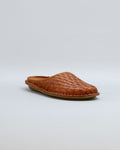
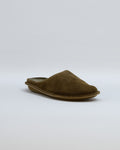

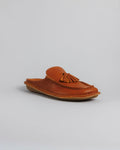
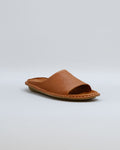

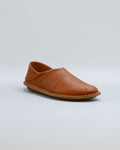
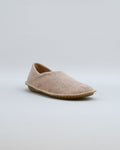
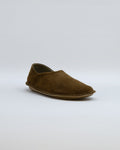
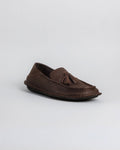
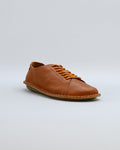
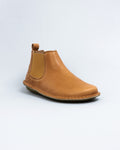
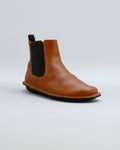
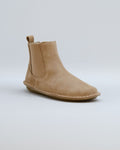
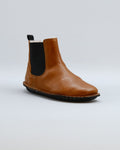
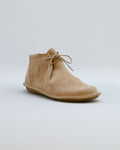
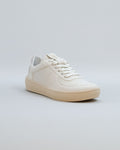
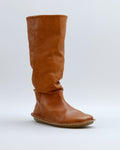

Barefoot boots: winter-ready, wide toe box
Created: 2026.08.16 | Modified: 2026.08.16
Barefoot-style boots for UK winters: flexible soles, roomy toe boxes and leather that handles rain.
Barefoot boots in this collection are leather, unisex in sizes 35-48, and handmade in Portugal in lined and unlined versions. They suit wide feet, sensitive feet, and anyone stepping down from cushioned shoes for the first time. The choice that matters most is warmth: work out how cold and wet your winter gets, then decide on lining and sock thickness.
How to choose barefoot boots that suit your feet
Barefoot boots have a wide toe box, a thin flexible sole, and a low-drop footbed, so your feet move and splay much closer to the way they would unshod. The trade-off is an adjustment period: your feet take on work your old shoes were doing for them.
Four criteria decide whether a pair suits you.
-
Toe box width and foot shape. Wide toe box boots let your toes spread rather than taper to a point, which suits broad forefeet and bunion-sensitive feet. Measure your foot at its widest.
-
Sole flexibility and ground feel. Flexible-sole leather boots let you feel camber, kerbs, and cobbles, the point of minimalist footwear.
-
Lining, for the temperature you walk in. A lining adds warmth but takes internal volume, so warmth and fit are one decision, not two.
-
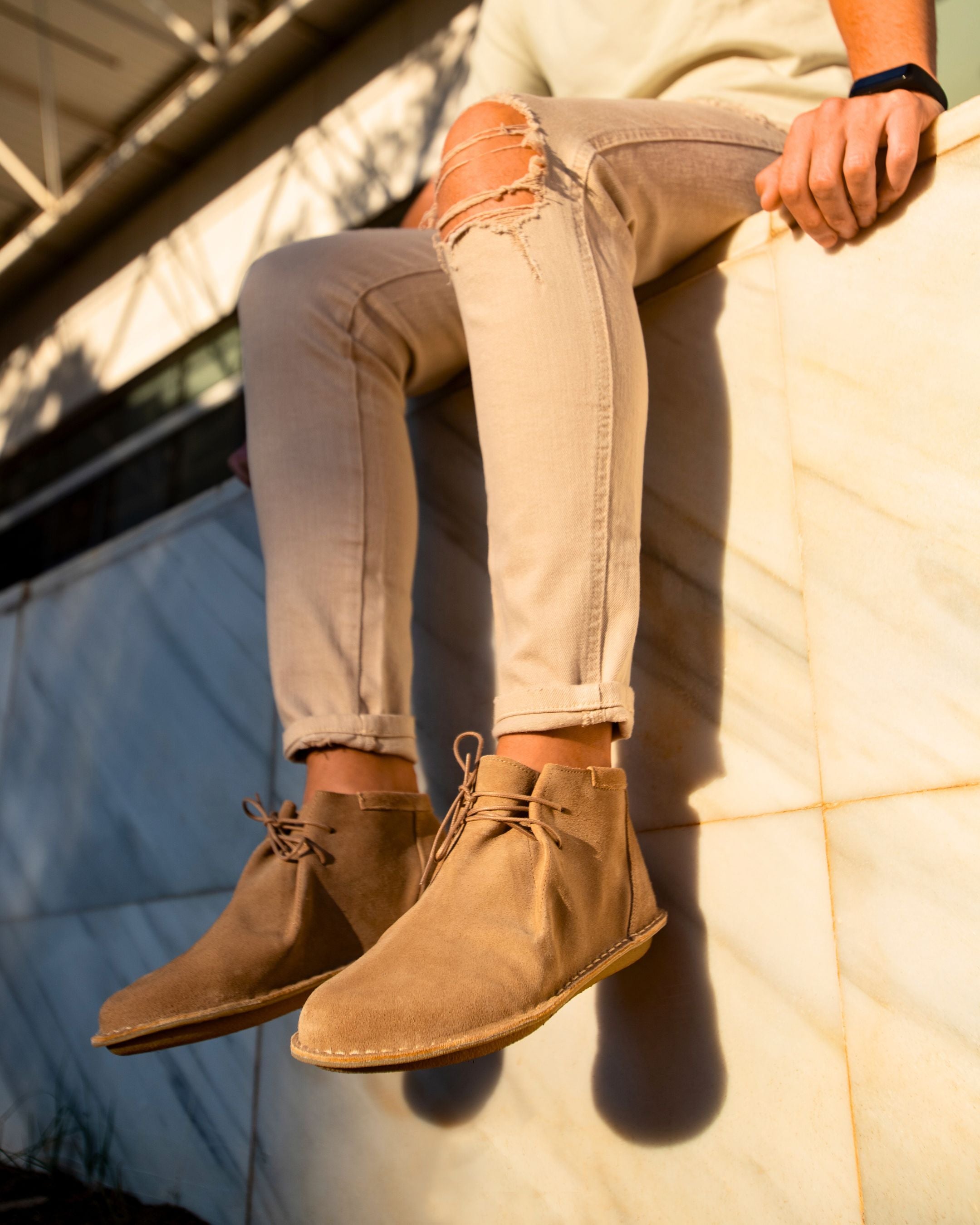
Shaft height and how you'll wear them. Ankle height slips under trousers and over thick socks; a taller shaft keeps rain off your ankles.
If you commute on foot, an unlined pair with wool socks works as everyday walking boots year-round. For long cold days outdoors, choose a lined pair sized for the socks you wear. Sensitive feet that swell through the day want wide fit winter boots for sensitive feet with a removable footbed. Most wearers find them comfortable, but they are shoes, not medical devices.
Boots built for real weather and real feet. Explore Boots

Warmth, grip, and wet weather
Barefoot winter boots keep you warm through insulation and trapped air, not bulk. A tight fit compresses your socks and loses that warmth, so allow room for thick wool.
Grip matters more than warmth on most British mornings. A patterned rubber outsole with defined lugs bites better on frost and wet paving than a smooth one. Even a good grip sole for icy pavements cannot make glare ice safe, so shorten your stride in heavy frost.
Leather handles rain honestly rather than perfectly. Vegetable-tanned leather care is part of the deal: dry your boots slowly away from radiators, brush off salt, and condition them so the leather stays supple. That does not make them waterproof, and we won't pretend otherwise.
Lined vs unlined boots: which suits your winter?
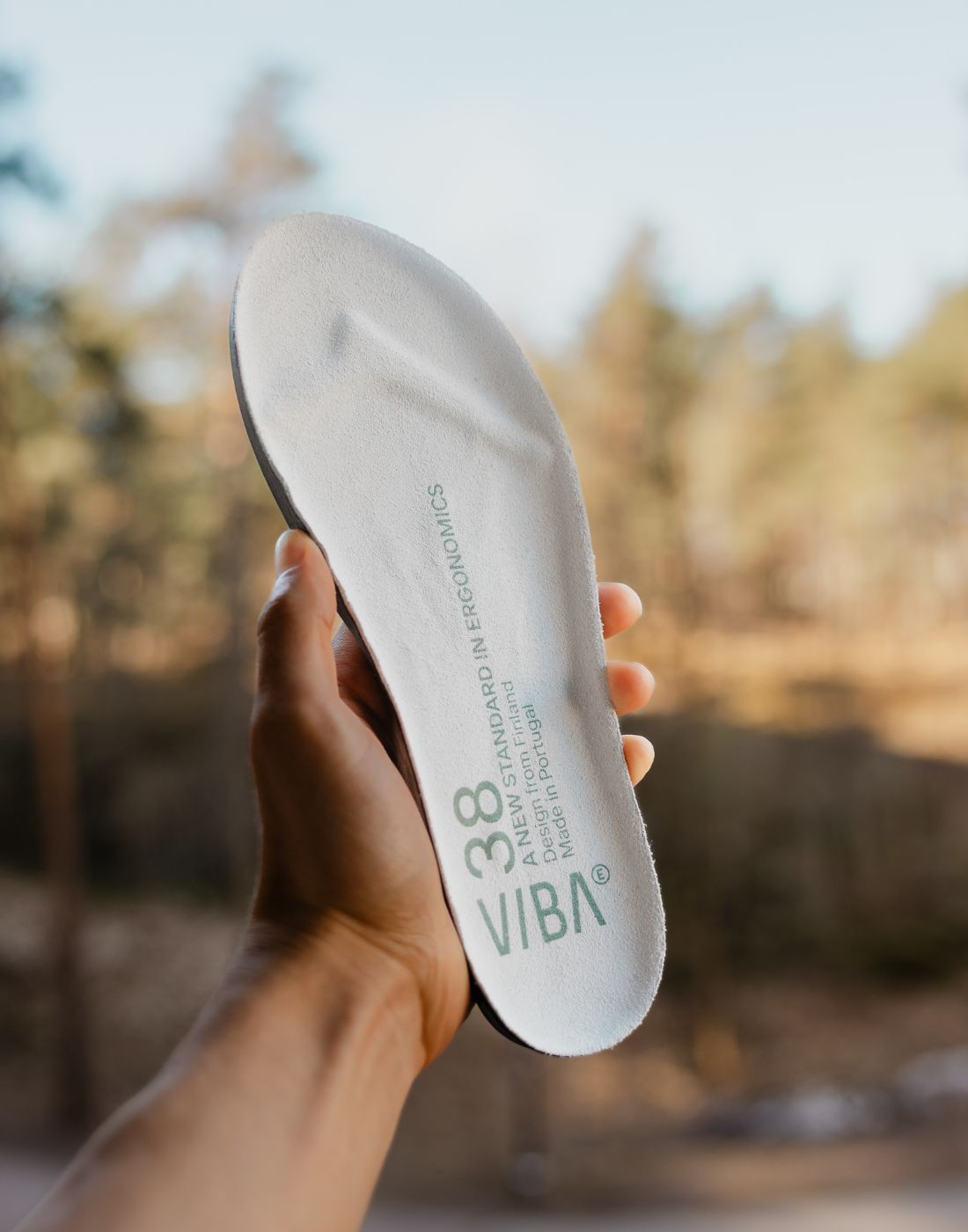
Lined boots suit cold, exposed days and feet that run cool; unlined boots suit mild damp weather and thicker socks you can swap. Both use the same replaceable Carbon Step™ footbed, which is where the boots' circularity comes from. Removable footbed boots let you replace a worn footbed rather than retire the boot. And when a pair no longer suits you, VIBAe's Pre-Loved resale gives it a second owner instead.
Choosing barefoot boots: lined and unlined options compared for a UK winter
|
Feature |
Lined barefoot winter boots |
Unlined leather barefoot boots |
|---|---|---|
|
Best for |
Cold, frosty mornings and long spells outdoors |
Mild, damp UK days and year-round wear |
|
Wide toe box |
✓ |
✓ |
|
Low-drop, flexible sole — 4mm drop on the Carbon Step™ footbed |
✓ |
✓ |
|
Internal volume |
Lining takes room — consider sizing up for thick socks |
Roomier as standard; thick socks usually still fit |
|
Thick winter socks |
Check fit first; may feel snug |
✓ |
|
Replaceable Carbon Step™ footbed |
✓ |
✓ |
|
Waterproof |
✗ — leather is water-resistant with care, not waterproof |
✗ — leather is water-resistant with care, not waterproof |
|
Care needed |
Regular conditioning; dry away from direct heat |
Regular conditioning; dry away from direct heat |
|
Sizes |
Unisex 35–48 |
Unisex 35–48 |
|
Handmade in Portugal |
✓ |
✓ |
|
Adjustment period |
Weeks — build up wear time gradually |
Weeks — build up wear time gradually |
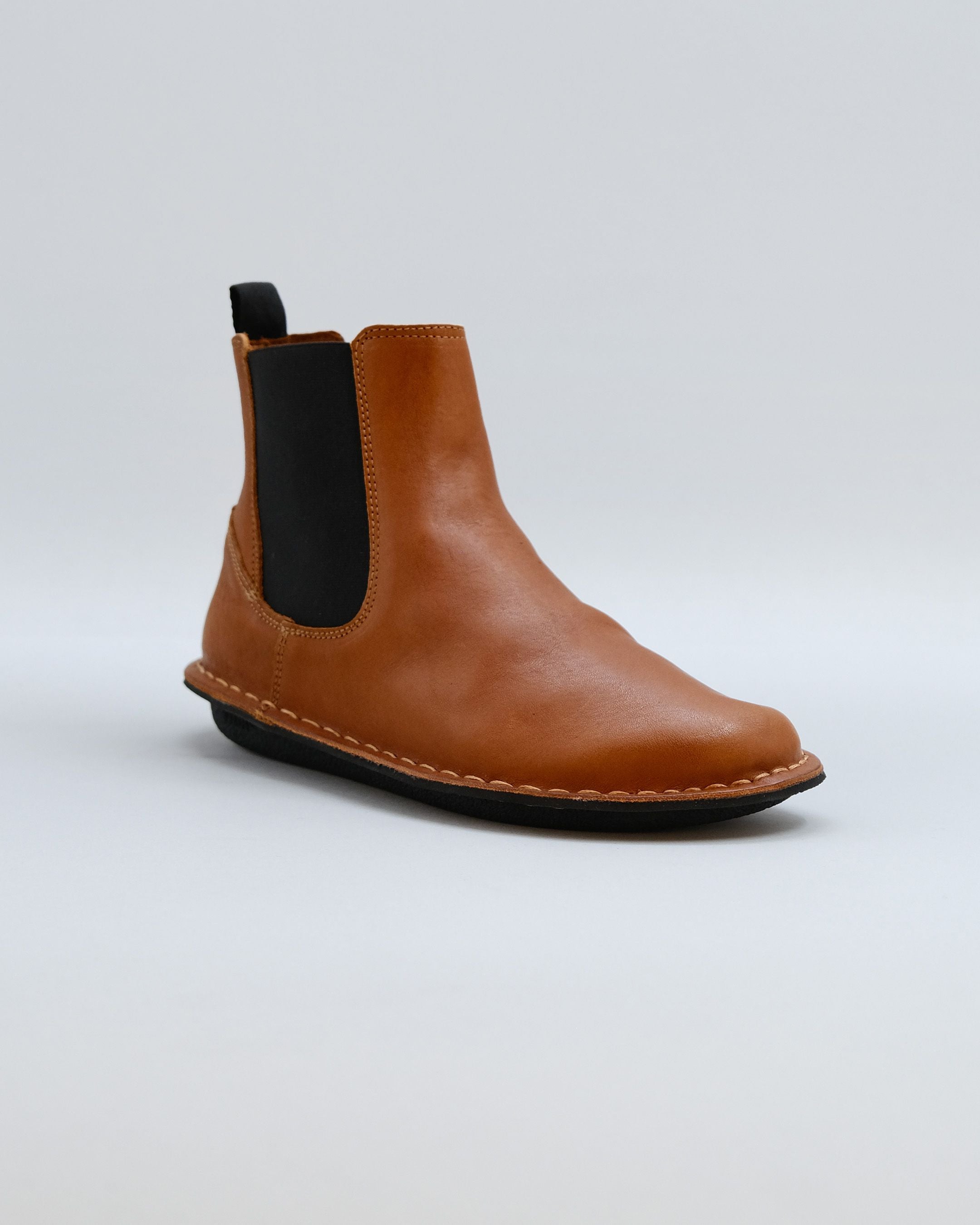
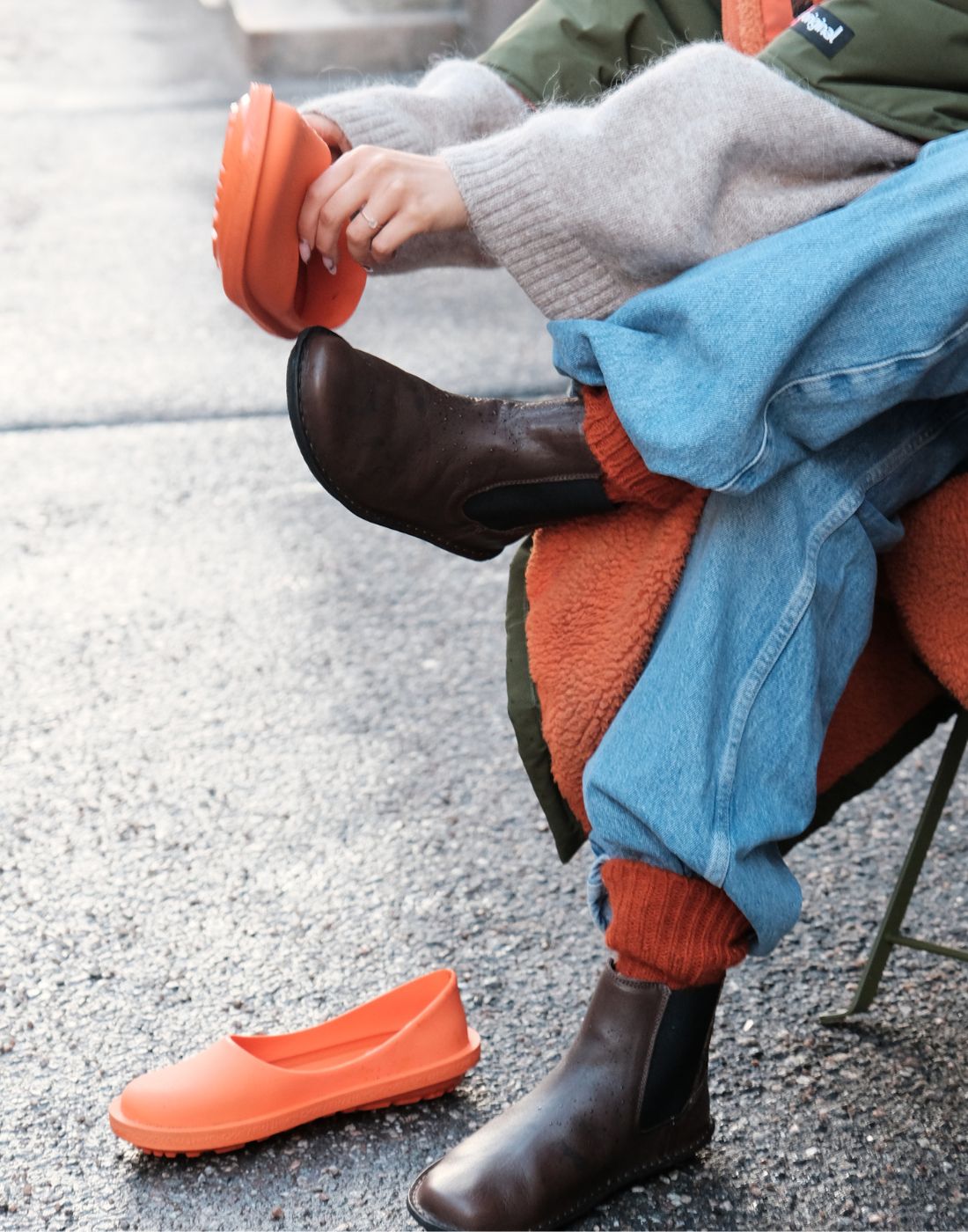
For cold, damp conditions, the HELSINKI boots are the main in-collection pick.

Barefoot boots in the UK: sizing, fit, and breaking in
Winter for barefoot boots in the UK usually means damp and mild rather than deep snow, so flexibility and quick drying beat heavy insulation.
For barefoot shoes sizing, measure length and width together: both feet, late in the day, standing, then compare the larger figure against the size chart . Most of us wear our usual size across the unisex range of 35-48; size up one for thick winter socks. The store shows current sizing, stock, and price.
How to break in barefoot boots: gradually. Moving from raised heels and cushioning to low-drop boots asks your calves, arches, and small foot muscles to work again, which takes weeks rather than days. Build up wear time as it feels easy, and see a health professional if discomfort persists. The JTREE boots and HANKO leather range sit in the same wide-toe, low-drop family.
Get the right fit first time: most of us wear our usual size. Check the Size Chart
Frequently asked questions about barefoot boots
Are barefoot boots warm enough for a UK winter?
For most damp, mild UK winters, yes. A lined pair with wool socks handles frost and rain. For long hours in real cold, choose thicker socks and leave room for them, because compressed insulation loses warmth.
What size should I take in barefoot boots if I wear thick socks?
Most people take their usual size. If thick winter socks are your everyday choice, size up one and check the size chart, since width affects fit as much as length.
How long does it take to get used to barefoot-style boots?
Expect a few weeks. Wear them a couple of hours a day at first, then extend as your feet adapt to a flexible low-drop sole. If discomfort persists, speak to a health professional.
Can leather barefoot boots handle rain?
Vegetable-tanned leather copes with rain and wet pavements, but it is not waterproof. Dry boots slowly, away from direct heat, and condition them regularly. Rotating two pairs gives each one time to dry.
Browse the listing with your sizing decided, or see All boots for the full range.
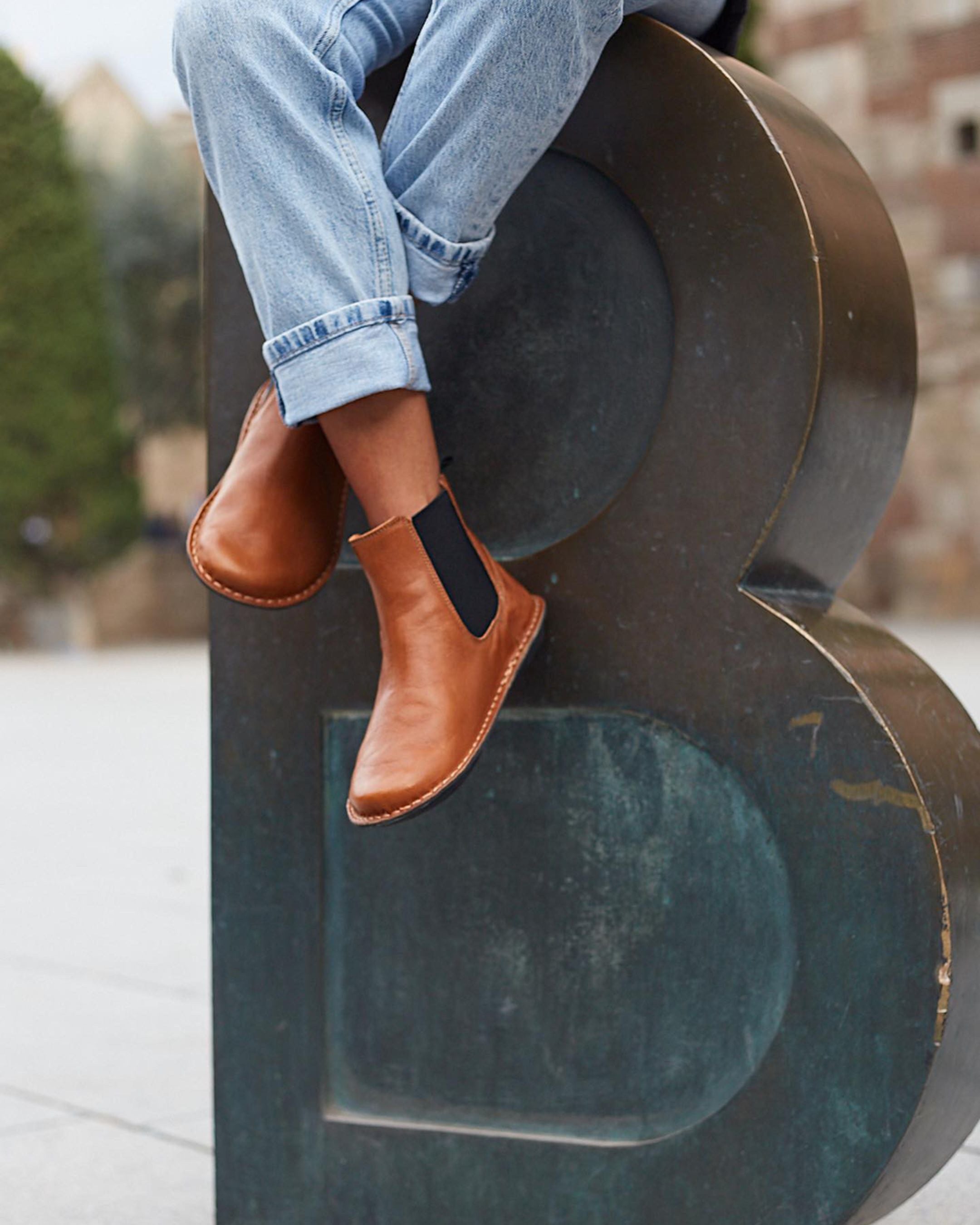
Chelsea boots that don't squeeze. Wide fit, all-day comfort. Shop HELSINKI