


Wool socks are worth it in cool weather: wool regulates temperature and wicks moisture, while cotton holds damp against the skin. VIBAe's SAANA socks are 70% wool and 30% polyamide, knitted in Finland with a reinforced heel and toe. Wash any wool sock by its care label.
Are wool socks worth it? The short answer
Yes, for cool and changeable days, as long as you're happy to wash wool more gently than cotton.
If you spend your day moving between a cold platform, a warm train and an overheated office, that temperature swing is where wool does its best work. Your feet sweat whether you notice it or not, and the fibre next to them decides whether that moisture moves on or sits there.
Wool isn't the right answer for every foot or every month. Pure wool can feel scratchy on sensitive skin, a heavy knit in high summer will just make you warm, and if your shoes are tight there may be no room for a thick sock in the first place. For most of the British year, though, the cool-damp-cool cycle is exactly what wool was built for.

Wool socks vs cotton vs synthetic: what each fibre does
Over a long day, wool tends to do better on warmth, moisture and smell. Cotton tends to struggle on all three. Synthetics sit in the middle: quick to dry and hard-wearing, but quicker to smell. The mechanisms behind that are worth knowing before you spend.
Wool fibres are crimped, which means they never pack down flat. Those tiny kinks hold pockets of still air, and still air is what insulates. The same structure moves water vapour through the fibre instead of letting it pool on the surface, which is why wool wicks moisture well.
Cotton works the opposite way. It's absorbent by nature, which is wonderful in a towel and unhelpful in a sock. Once cotton takes on sweat it stays wet, loses loft and sits heavy and cool against the skin. If your feet sweat, you'll know the clammy mid-afternoon feeling.
Synthetics dry quickly and take abrasion well, so they're hard-wearing. The weak point is smell: synthetics tend to hold odour, so they want washing more often. If odour is the problem, wool is the simpler route.
| Property | Wool | Cotton | Synthetic |
|---|---|---|---|
| Warmth | High, even in a thin knit | Low once damp | Moderate |
| Moisture handling | Wicks moisture away from the skin | Absorbs and holds it | Moves moisture fast, dries fast |
| Odour | Low build-up | Moderate | High build-up |
| Durability | Moderate on its own, high in a blend | Moderate | High |
| Care | Gentle washing, dried flat | Easy | Easy |
Do wool socks keep feet warm?
Yes. Wool insulates even in thinner knits, because the crimped fibre traps air instead of relying on sheer bulk, and it keeps moving moisture vapour away from the skin so your feet stay drier for longer. Dry feet feel like warm feet.
There are two limits. A sock can't rescue a cold, draughty shoe: if air moves freely around your foot, no fibre will hold the heat. And socks of any fibre feel cold once they're properly soaked, wool included.
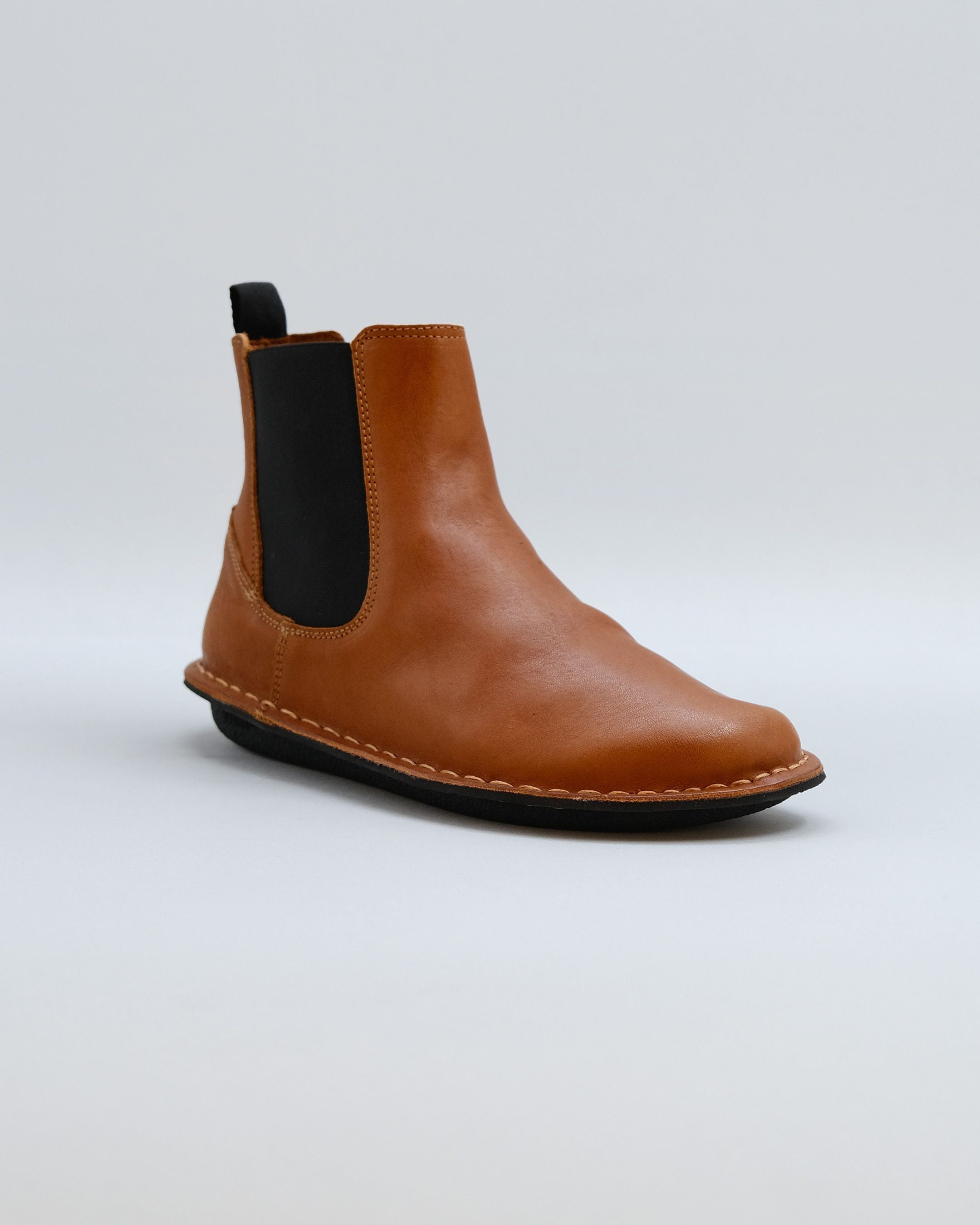
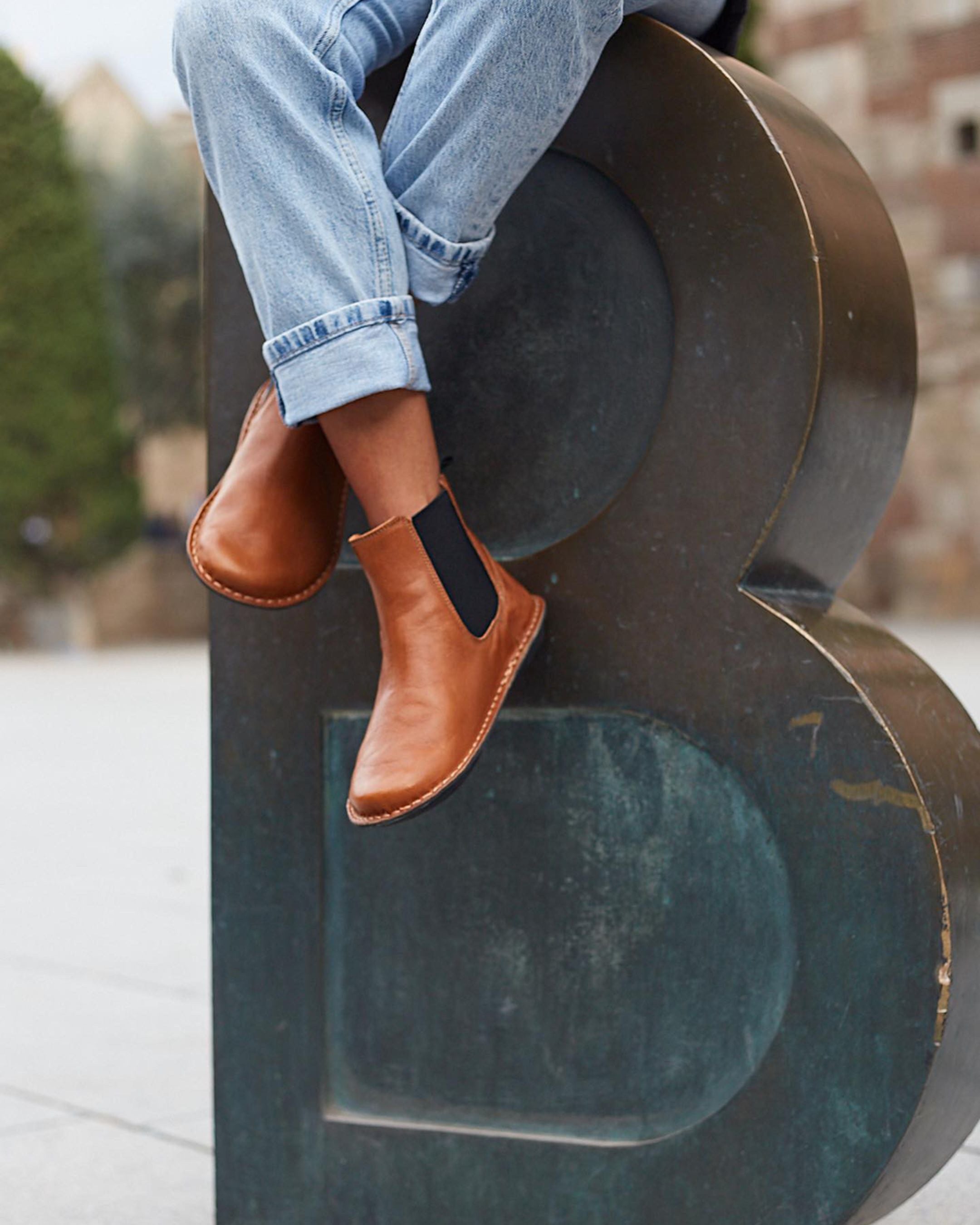
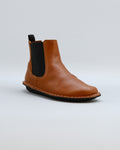
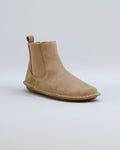
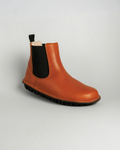
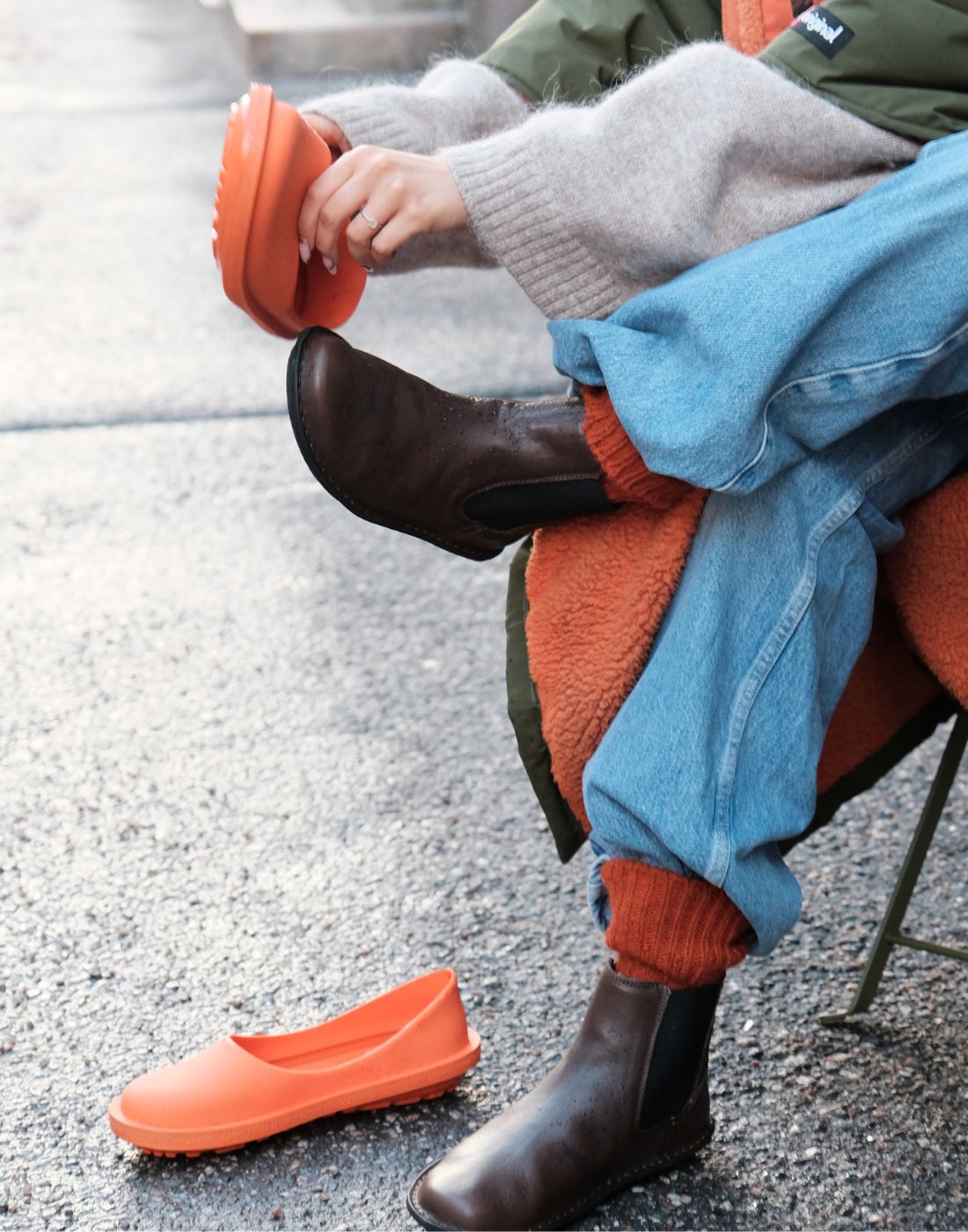
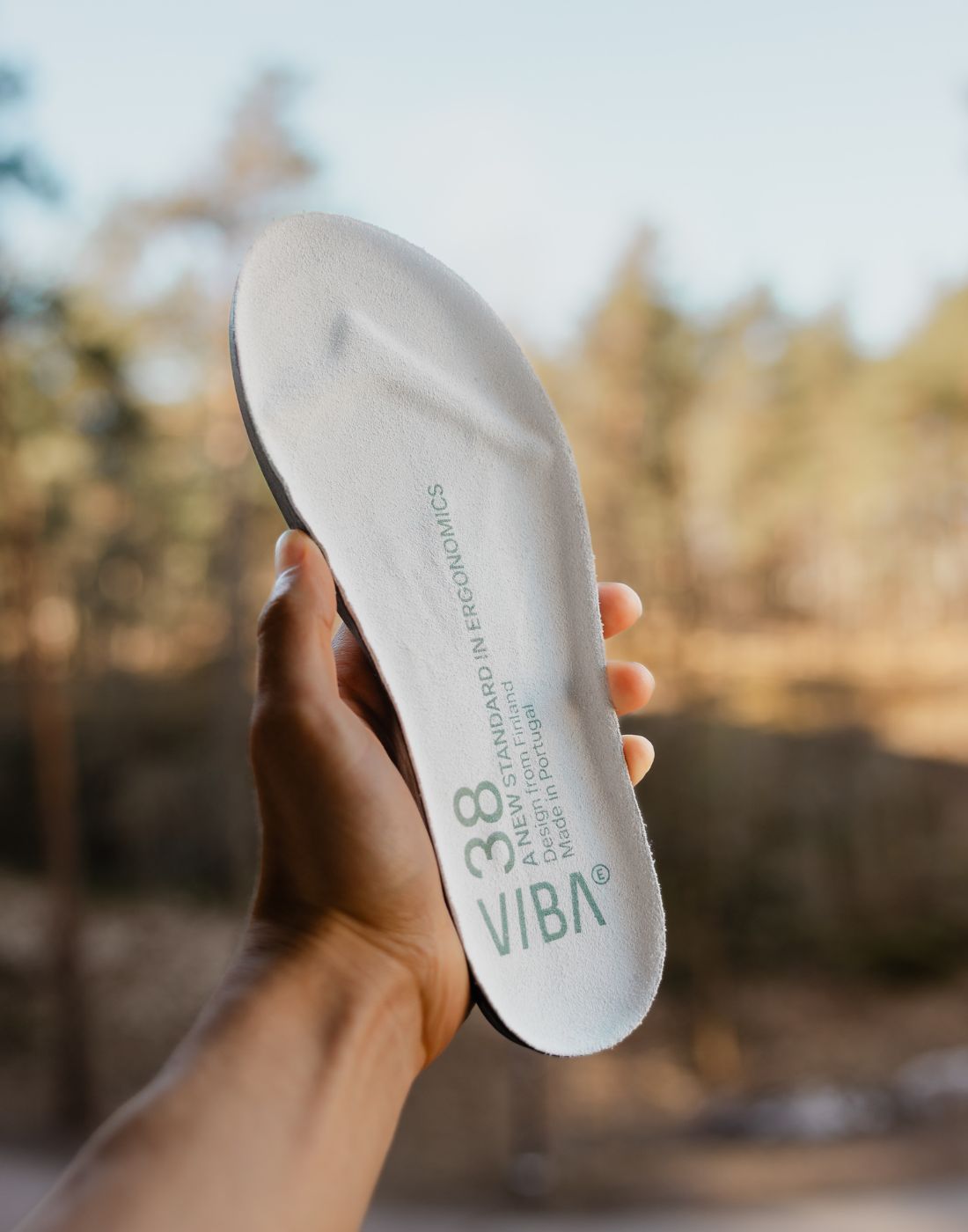
Warmth is a system. Sock and shoe both contribute, which is why warm socks work best in a boot that covers the ankle. Our HELSINKI Chelsea boots do, and we suggest pairing them with SAANA wool socks. Every pair also sits on a Carbon Step™ footbed, so there's a layer under your foot as well as around it.

What makes a wool sock worth keeping
A sock earns its place in the drawer through five things: the blend, reinforcement at the wear points, knit thickness, a cuff that stays put, and how it fits inside your actual shoes. Get those right and one pair lasts for seasons.
Start with the blend. Pure wool is soft and lofty but wears thin at the heel and ball quickly. A wool blend with polyamide or nylon keeps most of the warmth and adds abrasion resistance where you need it. Our SAANA socks are 70% wool and 30% polyamide.
Reinforcement matters at the heel and toe, because those are the two places that go first. SAANA socks have a reinforced heel and toe, the kind of small construction decision you only appreciate later.
Knit thickness is a decision about your shoes as much as the weather. A dense, thicker knit holds more air and cushions the ball of the foot on hard floors, but it only helps if there's room for it; squeeze a thick sock into a shoe that was already close and you lose both the warmth and the comfort, because compressed wool has no air left to trap.
A cuff that stays put does quiet work. Stretch one gently between your fingers and let go: if it springs back, it will hold through the day; if it stays slack, it will be round your ankle by lunchtime. A cuff that slides creeps down into the shoe, bunches under the arch and rubs exactly where you don't want a seam.
Then there's how they're made. Our SAANA socks are knitted on vintage 1930s knitting machines in a small Finnish factory.
SAANA socks are thicker than average, and a thick sock changes how a shoe fits, so if you're between sizes or mostly wear thicker socks, go one size up in your shoes. You'll find the colours in our SAANA wool socks collection. On most styles you can also swap the Carbon Step™ footbed when it wears out.
Thick, warm wool socks, knitted in Finland on vintage 1930s machines.
Shop SAANA Wool Socks
How to wash wool socks and keep them going
Good care is the difference between a pair that lasts seasons and one that thins out by spring. For SAANA: machine wash inside out on a gentle 30°C cycle with a mild detergent, lay flat to dry, and never tumble dry. Everything below is general wool-sock practice.
General care for wool socks:
- Wash less often than cotton. Wool resists odour, so airing a pair overnight often does what a wash cycle would.
- Turn them inside out before washing, which puts the abrasion on the side nobody sees.
- Use a detergent suitable for wool. Skip fabric softener and anything with bleach.
- Reshape them damp, then lay them out. Drying wool socks flat and away from radiators or direct sun protects the fibre and the shape.
- Never tumble dry, and store them clean, not worn.
How often to wash wool socks comes down to your day. A desk day and a ten-kilometre walking day are not the same ask. If your feet sweat heavily, change socks daily instead of airing them.
Wool needs gentler handling than cotton. A hot cycle with a heavy detergent can felt the fibre, and a felted sock never comes back to its original size or softness. A mesh laundry bag stops cuffs stretching around zips and buttons, and washing socks with towels is a quick way to cover them in lint.
Catch problems early: a thin patch or a pinhole is a quick darn now and a dead sock later. Check the ball of the foot and the back of the heel when you turn a pair inside out, since that's where the knit goes see-through first.
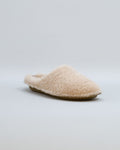
At home, wool socks and a lined slipper make a warm pair on cold floors; our guide to clog slippers and shearling warmth covers that side.
Frequently asked questions
Are wool socks worth it if you mostly wear shoes indoors?
Often, yes. Indoor floors run cold, particularly tile and concrete, and wool's air-trapping structure handles that better than cotton. Wool's low odour build-up also helps if you keep the same pair on all day. If your home stays warm year-round, a thinner knit makes more sense than a heavy one.
Do wool socks keep feet warmer than cotton socks?
Generally yes, and the reason is moisture as much as insulation. Wool wicks moisture away from the skin, while cotton absorbs sweat and holds it, and damp cotton feels cool against the foot. Wool also keeps its loft through the day.
How often do wool socks need washing?
Less often than cotton. Wool resists odour build-up, so you can often air a pair and wear it again before washing. Heavy activity or a very warm day changes that. Follow the care label on your pair for the specifics.
Do thicker wool socks change how shoes fit?
Yes. A thicker sock takes up room inside the shoe, which is why we advise going one size up if you're between sizes, prefer thicker socks, or like a looser feel. We don't make half sizes. SAANA socks are thicker than average, so that advice applies when you wear them.
What are SAANA socks made of and where are they knitted?
SAANA socks are 70% wool and 30% polyamide, with a reinforced heel and toe, and they're knitted on vintage 1930s knitting machines in a small Finnish factory.
Shearling slippers for cold floors and colder mornings.
Shop Shearling
If your days swing between cold platforms and warm offices, that's where a pair of wool socks makes the most difference.