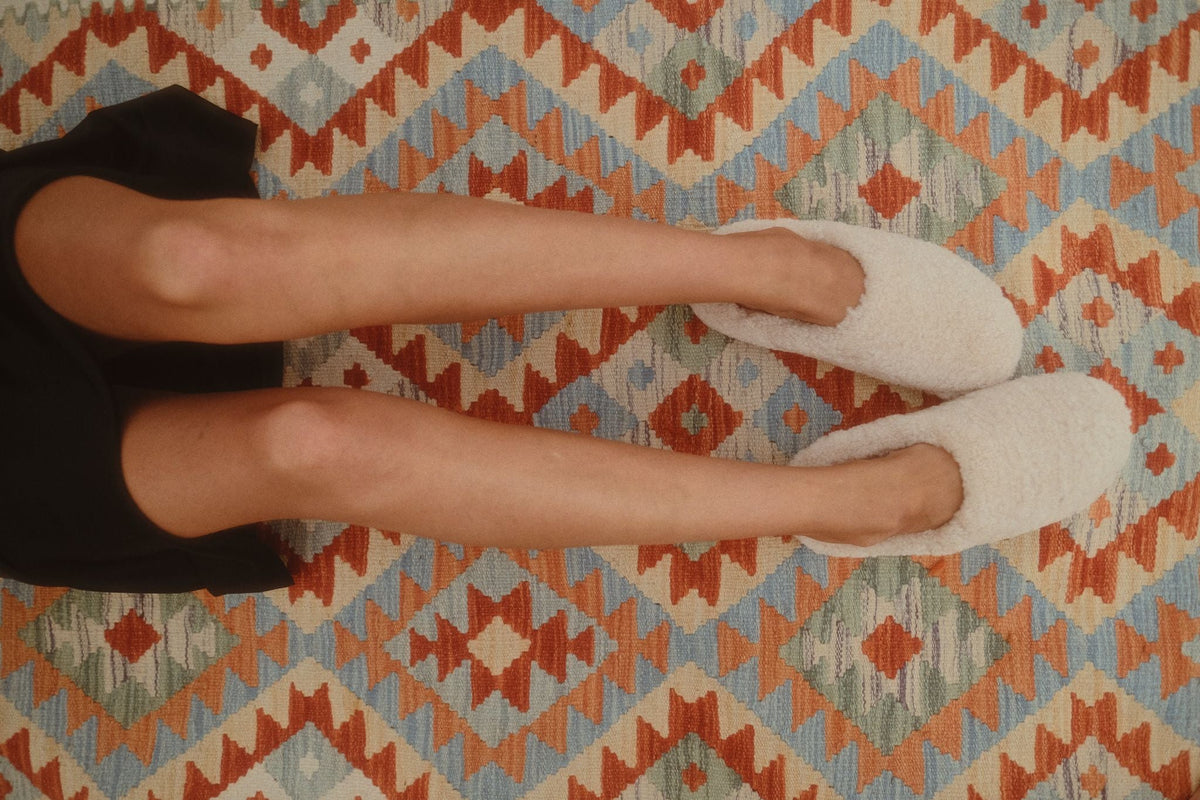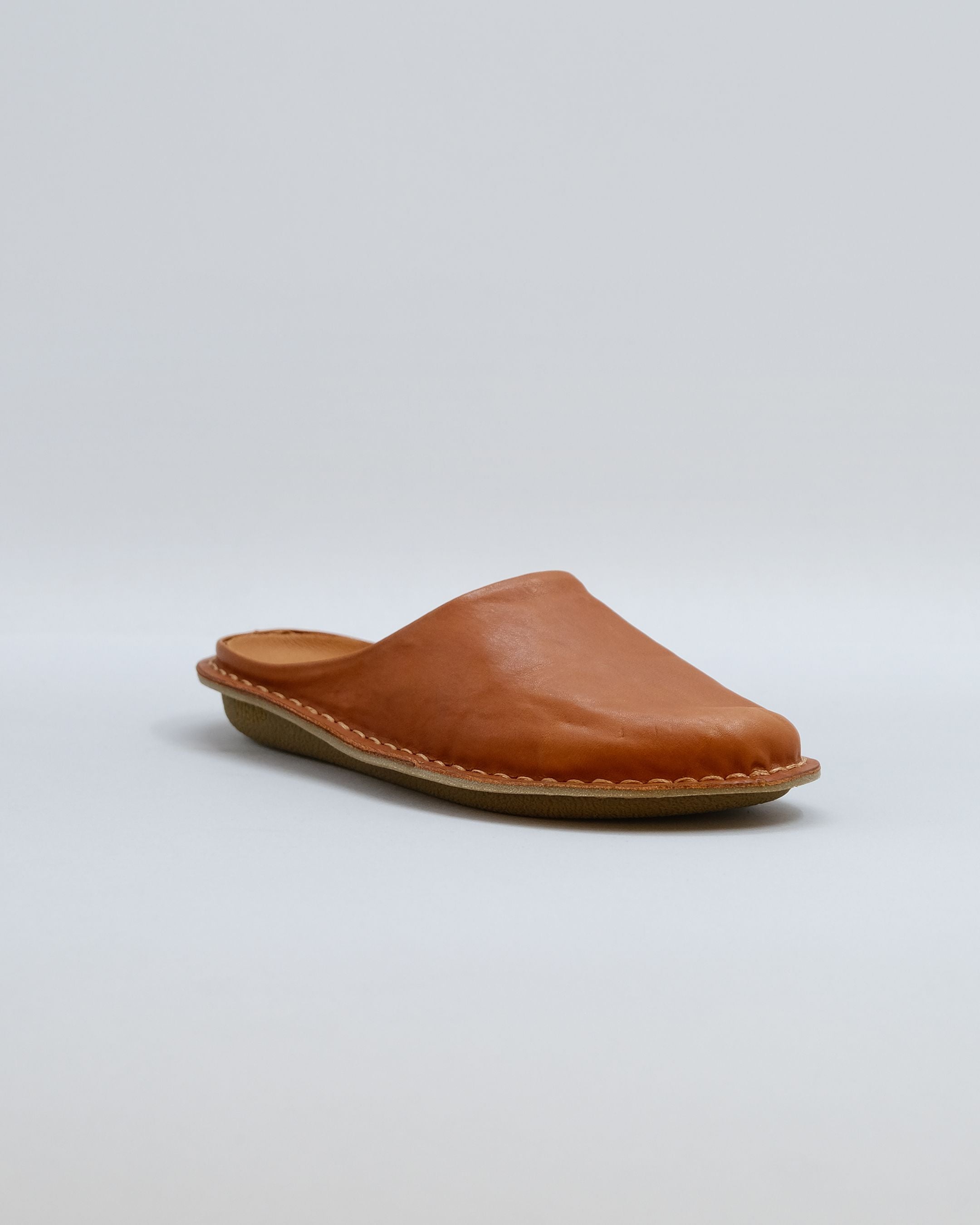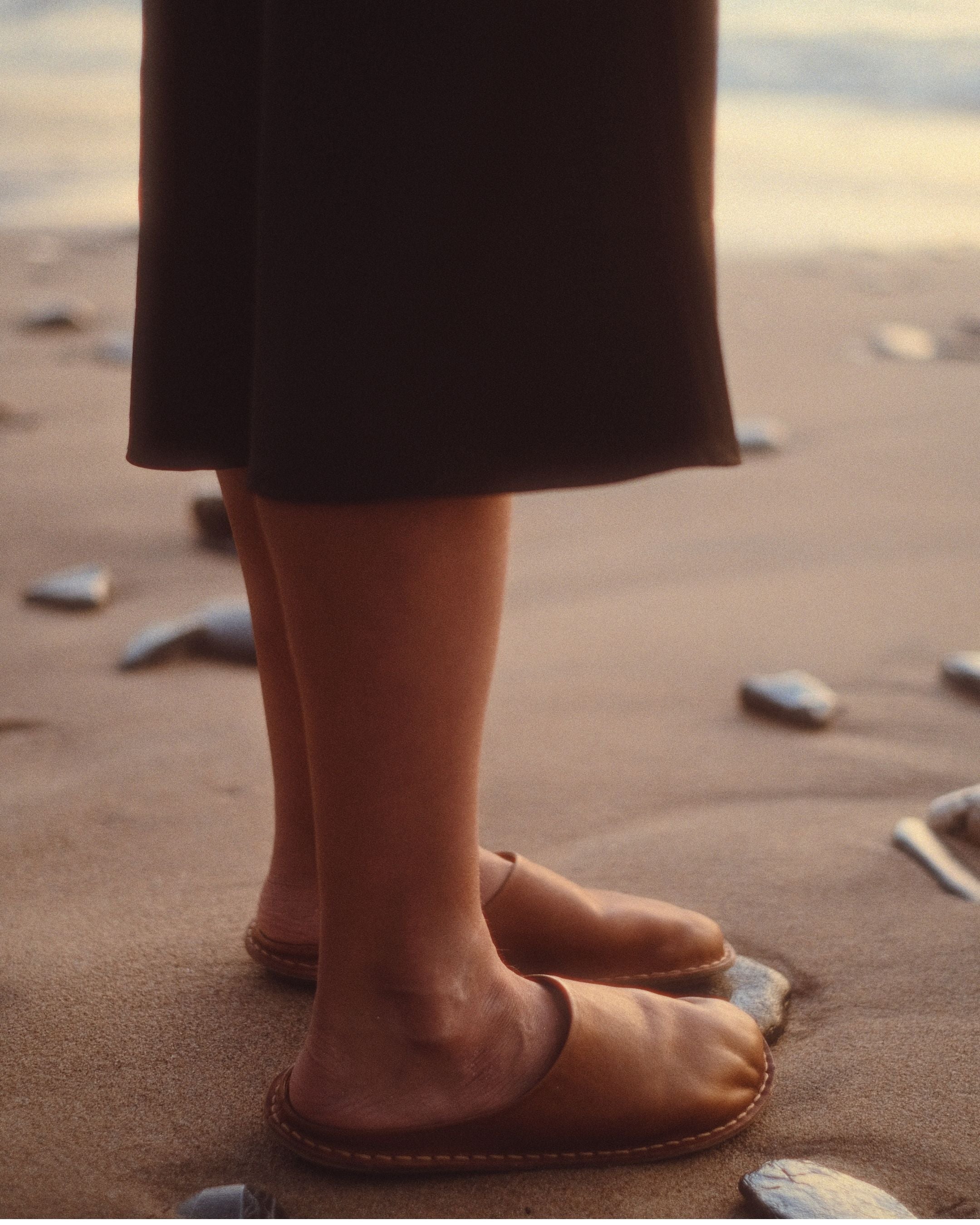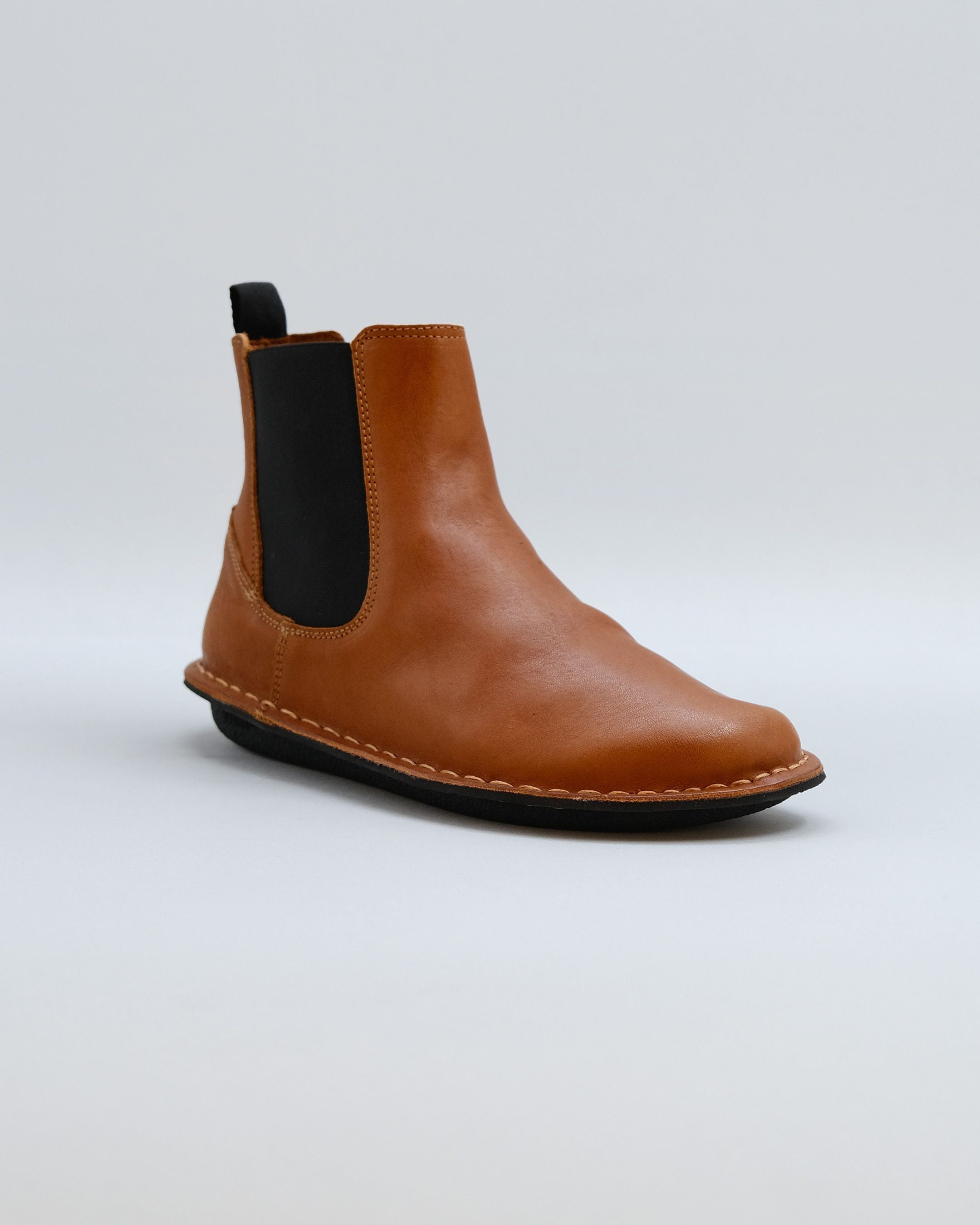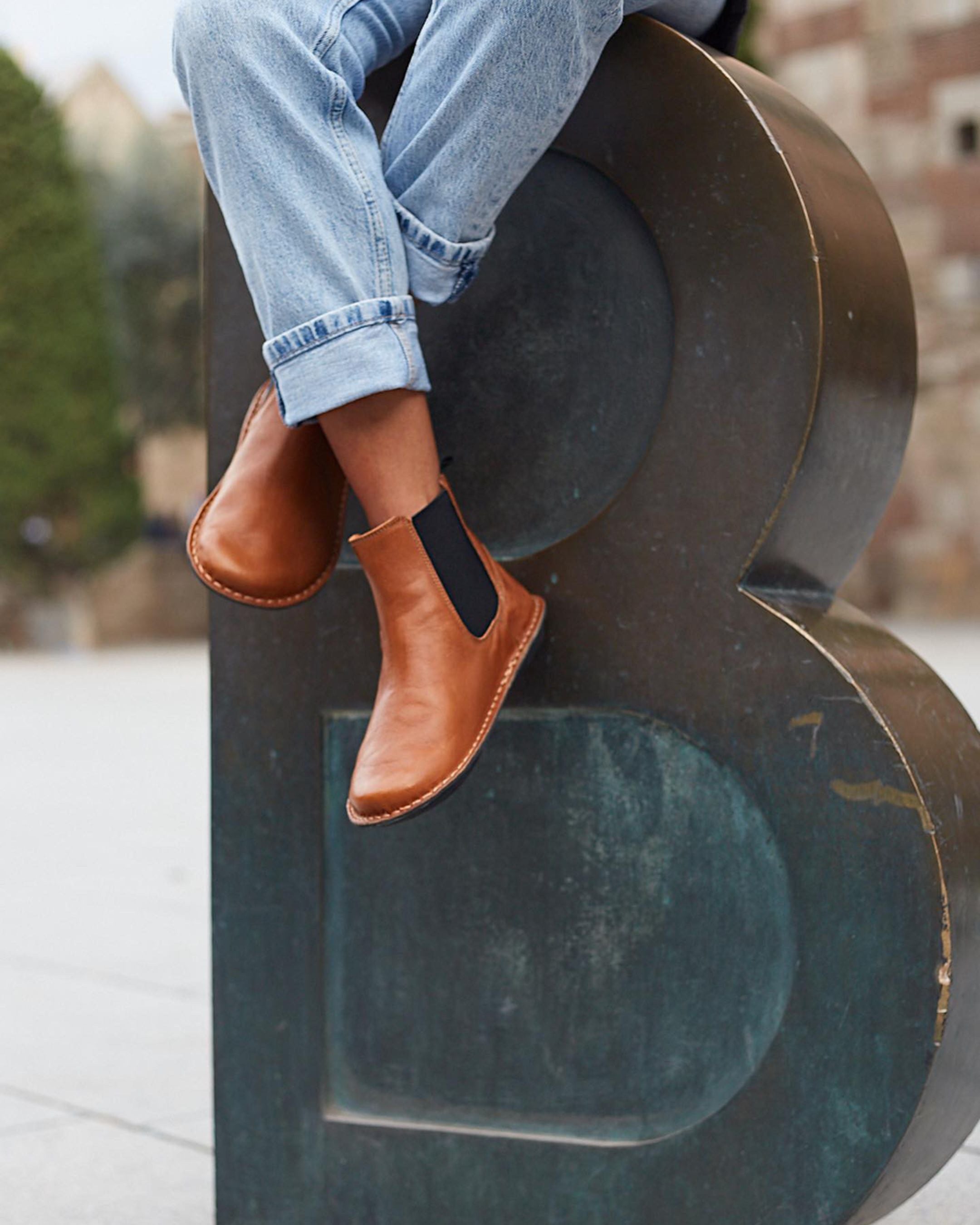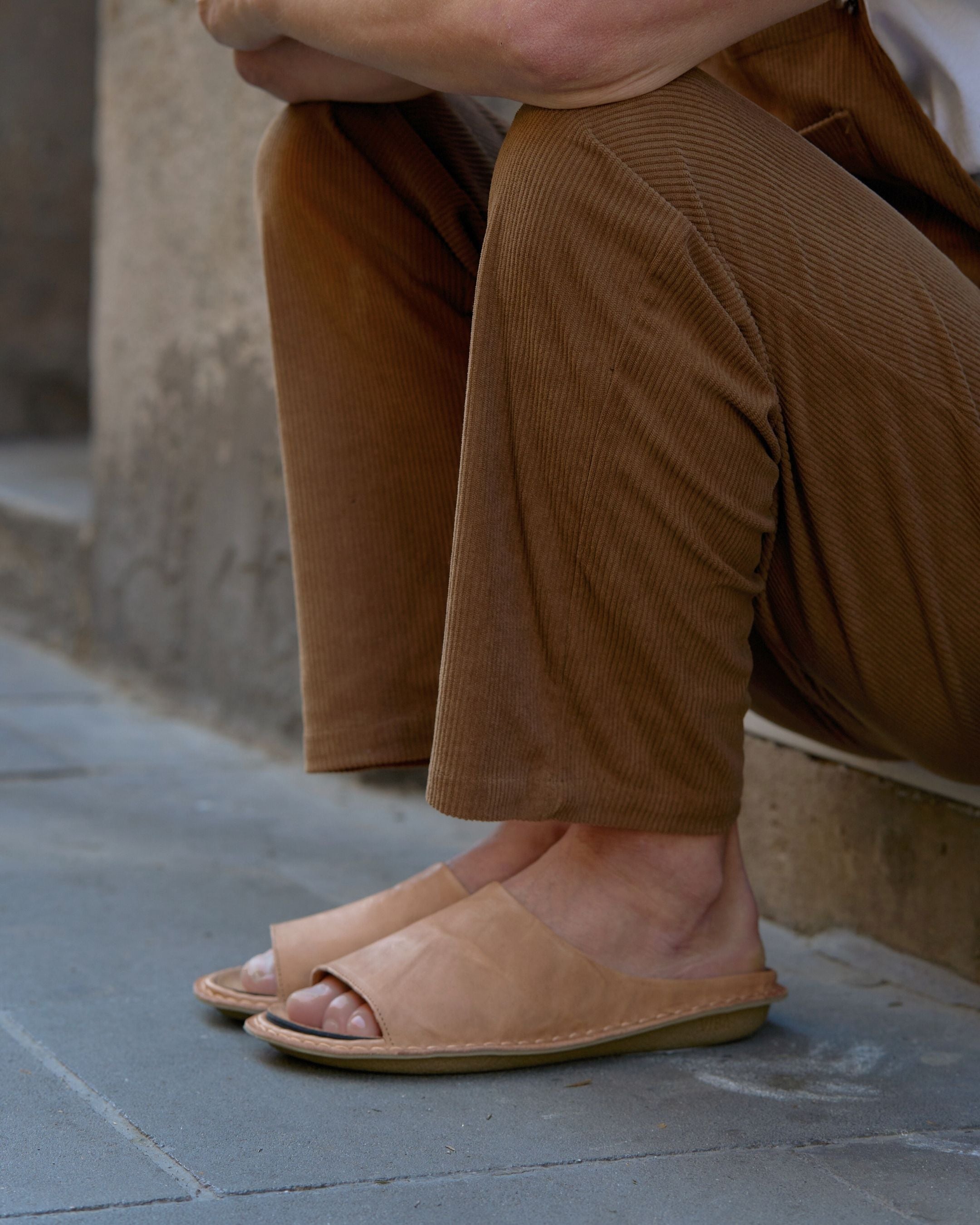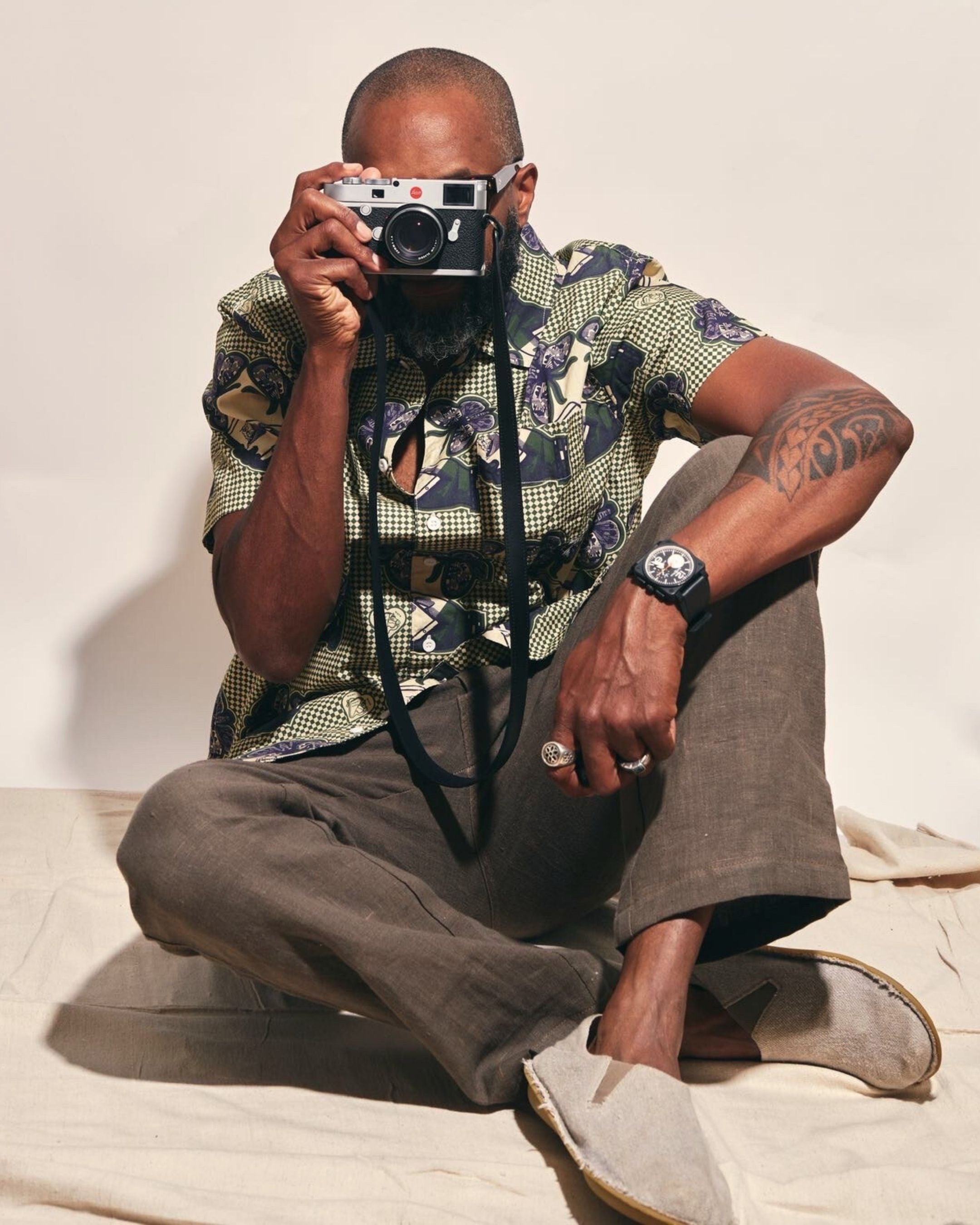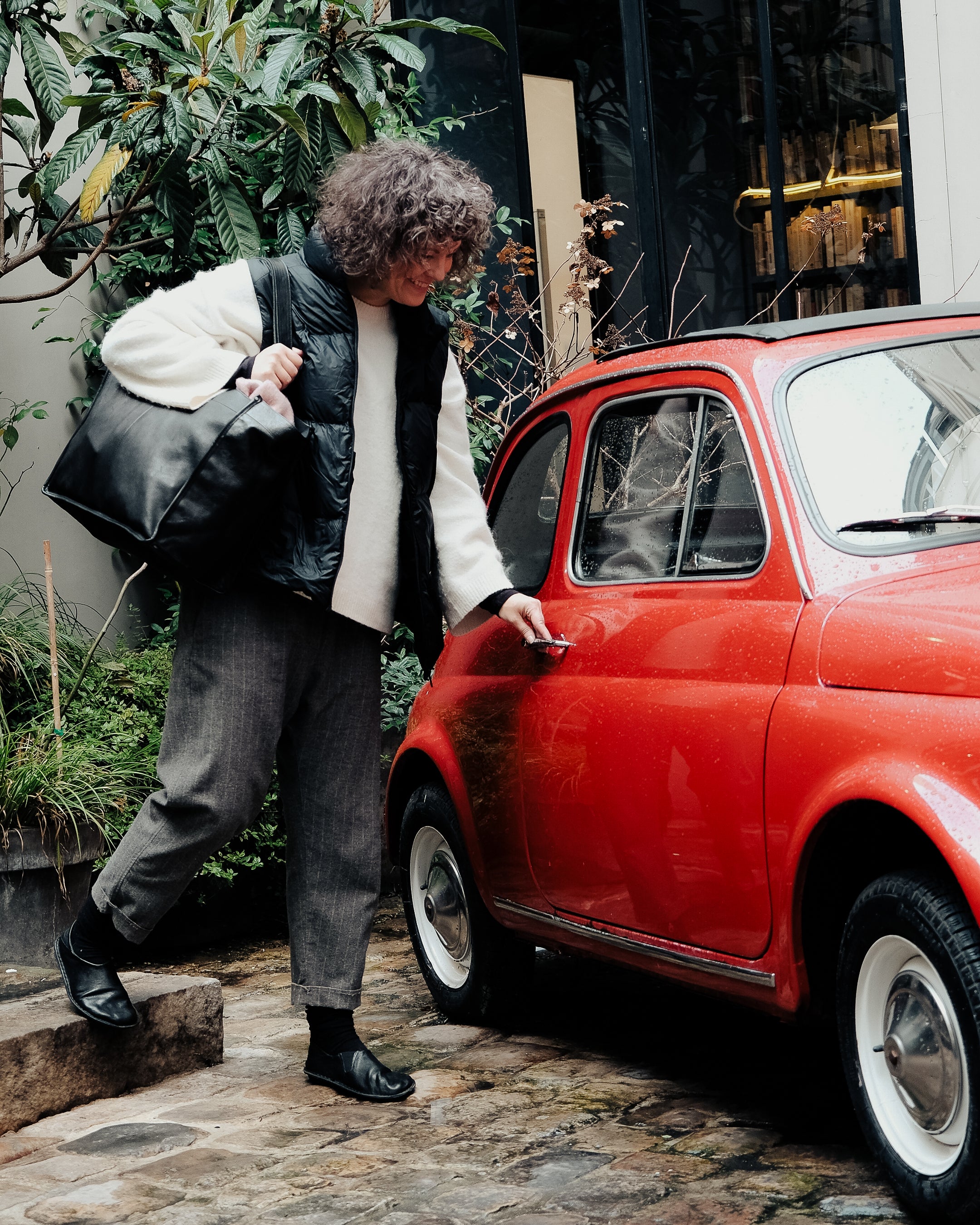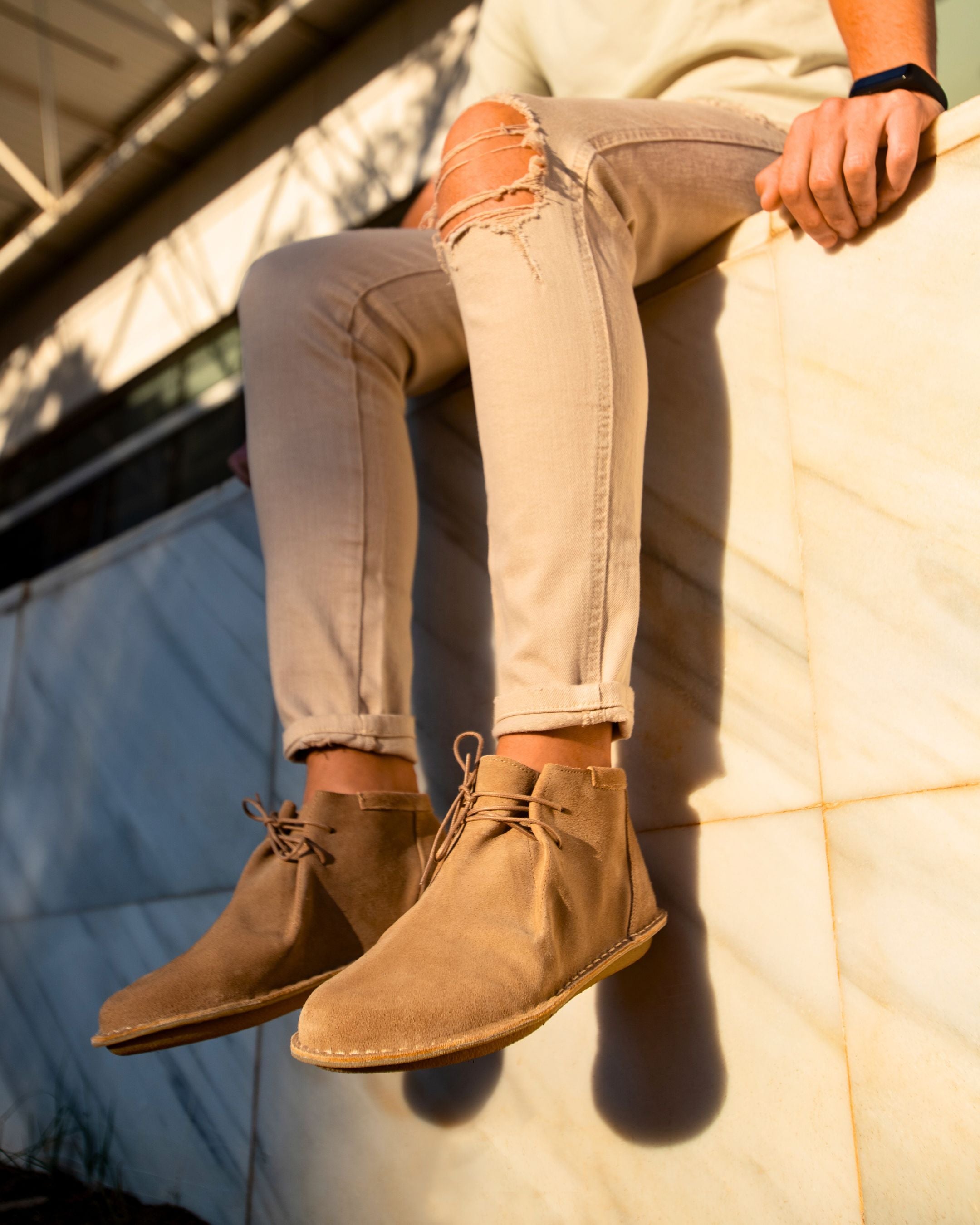

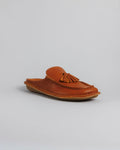
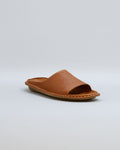

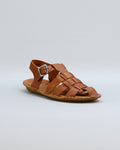
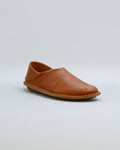
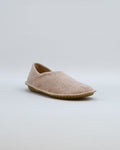
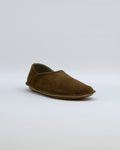
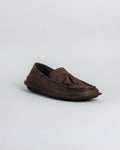
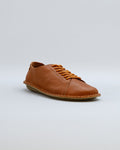
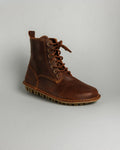
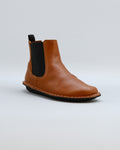
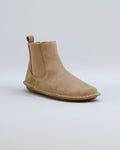
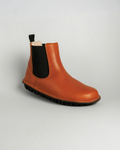
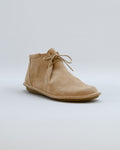
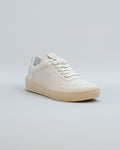
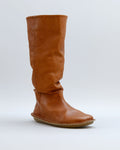
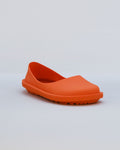
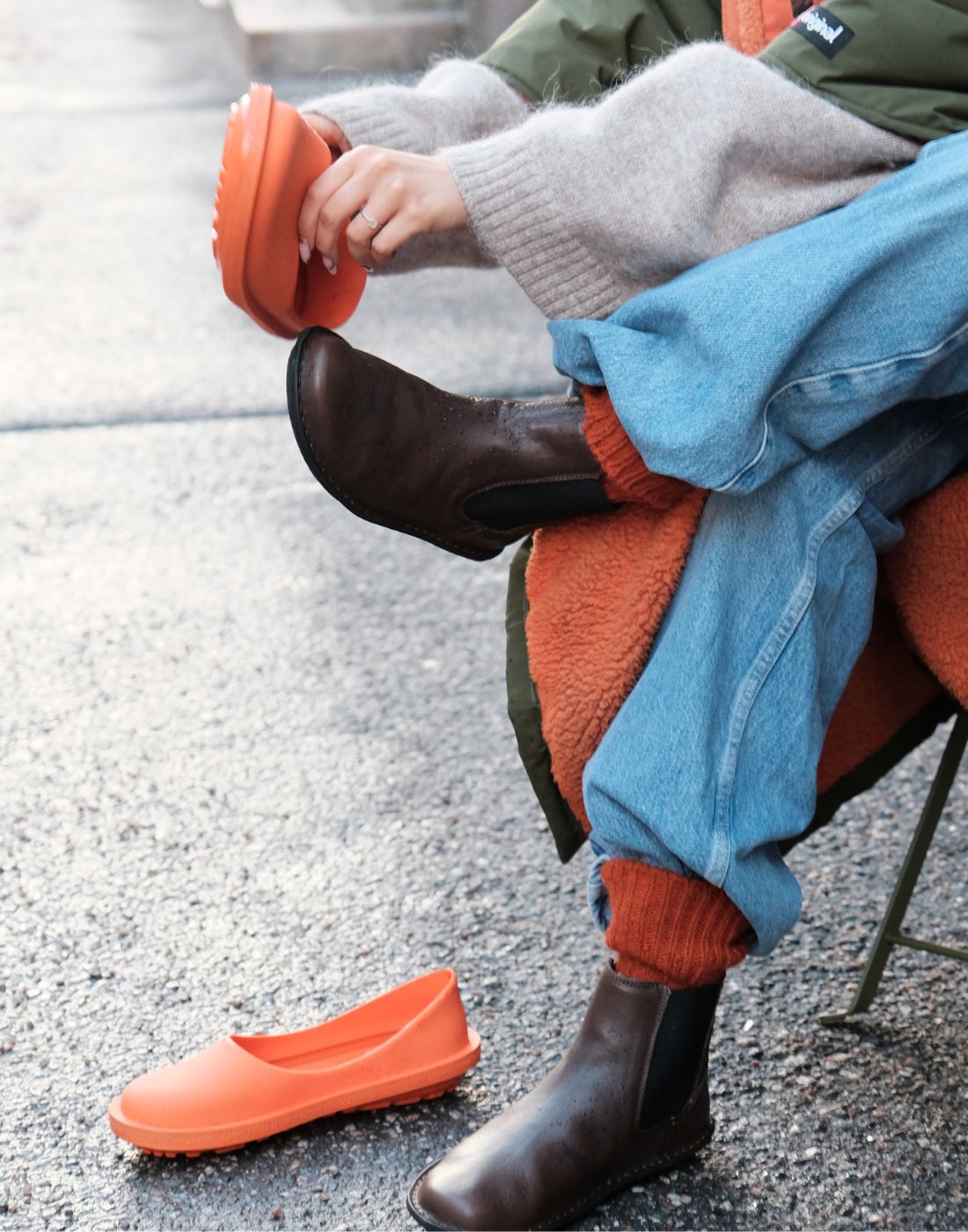

What are barefoot shoes? Flexible, low-volume shoes built around three features: a zero-drop sole with no height difference between heel and forefoot, a wide toe box that lets toes splay, and a thin sole that lets feet feel and adapt to the ground.
What Barefoot Shoes Are, in One Paragraph
Barefoot shoes are lightweight, flexible shoes with a zero-drop sole, a wide toe box and a thin outsole, built so feet can move close to how they move with nothing on them. If you've been wondering what barefoot shoes are after noticing the wide-toed shape on someone's feet, that's the answer in one line.
This guide is for three kinds of reader: the curious, who keep seeing the shape and want the category explained properly; anyone whose feet object to narrow, pointed shoes; and anyone weighing barefoot against the conventional shoes already in the hallway. If you already own a pair, this is the vocabulary that goes with them.
One honest note before we start. What follows describes a category of footwear, not a health outcome. A shoe can give your feet room and let them bend; it can't stand in for medical advice, and persistent foot pain belongs with a health professional.

The Three Features That Define the Category
Three things make a shoe barefoot: a level sole from heel to toe, a toe box shaped like an actual foot, and an outsole thin and bendy enough that your foot does the moving. Miss one and you have a comfortable shoe, but not a barefoot one.
Zero Drop — Heel and Forefoot at the Same Height
Standing in zero drop shoes, your weight sits where it would on a bare floor rather than tipping gently forwards onto the ball of the foot. Heel-to-toe drop is simply the height difference between the two ends of the sole; zero drop means there isn't one. The honest caveat: if your feet have spent years in a raised heel, your calves and ankles will notice the change, and they need a few weeks of shorter wears to get comfortable with it.
A Wide Toe Box — Room for Toes to Spread
A wide toe box means your toes stay roughly where they sit when you're barefoot, through the ninth hour of a long day as much as the first. The mechanism is the last, the foot-shaped form the shoe is built around. A foot-shaped last stays widest at the toes; a conventional tapered last is widest at the ball and narrows to a point, which is why the same size can feel roomy in one shoe and pinched in another. If narrow toe boxes are what sent you looking, our journal piece on Viva la wiggling toes is a good companion read.
A Thin, Flexible Sole — Feet Do the Work
A thin flexible sole gives you ground feel: you sense a cobble, a kerb edge, a change from tarmac to grass, and your foot and ankle respond to it. The sole bends through the forefoot as you push off instead of levering you forward. The trade-off is real. There's less cushioning underfoot than a chunky trainer offers, gravel tracks feel like gravel tracks, and long days on hard concrete take some getting used to.
Barefoot vs Traditional Shoes, Feature by Feature
Neither column below is a verdict. Barefoot vs traditional shoes is a comparison of design choices, each with its own logic: one hands work back to the foot, the other does some of that work for it. Read the table as a set of trade-offs rather than a scoreboard.
| Feature | Barefoot-style shoe | Traditional shoe |
|---|---|---|
| Heel-to-toe drop | Zero or close to it; heel and forefoot level | Mid to high; heel sits above the forefoot |
| Toe-box shape | Foot-shaped, widest across the toes | Tapered, widest at the ball, narrowing towards the front |
| Sole thickness and ground feel | Thin; high ground feel, you read the surface underfoot | Thick; low ground feel, the surface is muted |
| Sole flexibility | High; bends and twists with the foot | Low to mid; stiffened by a shank or moulded midsole |
| Weight | Low | Mid to high |
| Adjustment required | Some; feet and calves take on work the shoe used to do | Little; it's what most feet are already used to |
Conventional construction genuinely wins in places, and pretending otherwise would be silly. Heavy-impact sport, certified safety footwear with a protective toe, and long hikes over unfamiliar rocky ground all ask for protection and stiffness that a thin sole doesn't provide. The sensible position is that different jobs want different shoes.

Barefoot, Minimalist, Wide Fit: What the Words Mean
These three labels get used interchangeably on product pages, and they don't mean the same thing. Barefoot is the strictest end of the scale. Minimalist is a broader family. Wide fit describes width and nothing else.
The barefoot shoes meaning most people land on requires all three features at once: zero drop, a foot-shaped toe box, and a thin, flexible sole. Minimalist shoes explained in one line: a broader family that strips away bulk and stiffness but may keep a small drop, a little more cushioning, or a slightly narrower front. Wide fit shoes are exactly what the name says, the same basic pattern cut broader, which means a wide-fit shoe can still have a raised heel, a tapered point at the front and a sole that barely bends.
Because brands use these words loosely, read the specifications rather than the label. Five things tell you where a shoe really sits:
- Heel-to-toe drop, stated as a figure or described as zero
- Sole thickness, and whether the brand mentions ground feel at all
- Toe-box shape, and whether the last is foot-shaped or tapered
- Flexibility: can the shoe roll up, or does it hold its shape?
- Weight, which quietly reflects everything above
Hold those two definitions side by side, barefoot shoes meaning the strict end and minimalist shoes explained as the wider family, and most product pages become easy to decode. See our guide to wide toe box shoes for more.
What Are Barefoot Shoes Made Of? Inside the VIBAe Build
VIBAe makes barefoot-style leather shoes that give your feet room while reading as classic footwear rather than technical gear. That's the design brief: Nordic-minimalist shapes you can wear to an office or a Sunday market, most of them built on a foot-shaped last.
Shoes are handmade outside Porto in a family-run factory, where the shoemaking family works alongside around 100 other artisans, using vegetable-tanned leather from LWG-audited tanneries, made from food-industry by-products, and natural rubber outsoles tapped without felling trees.
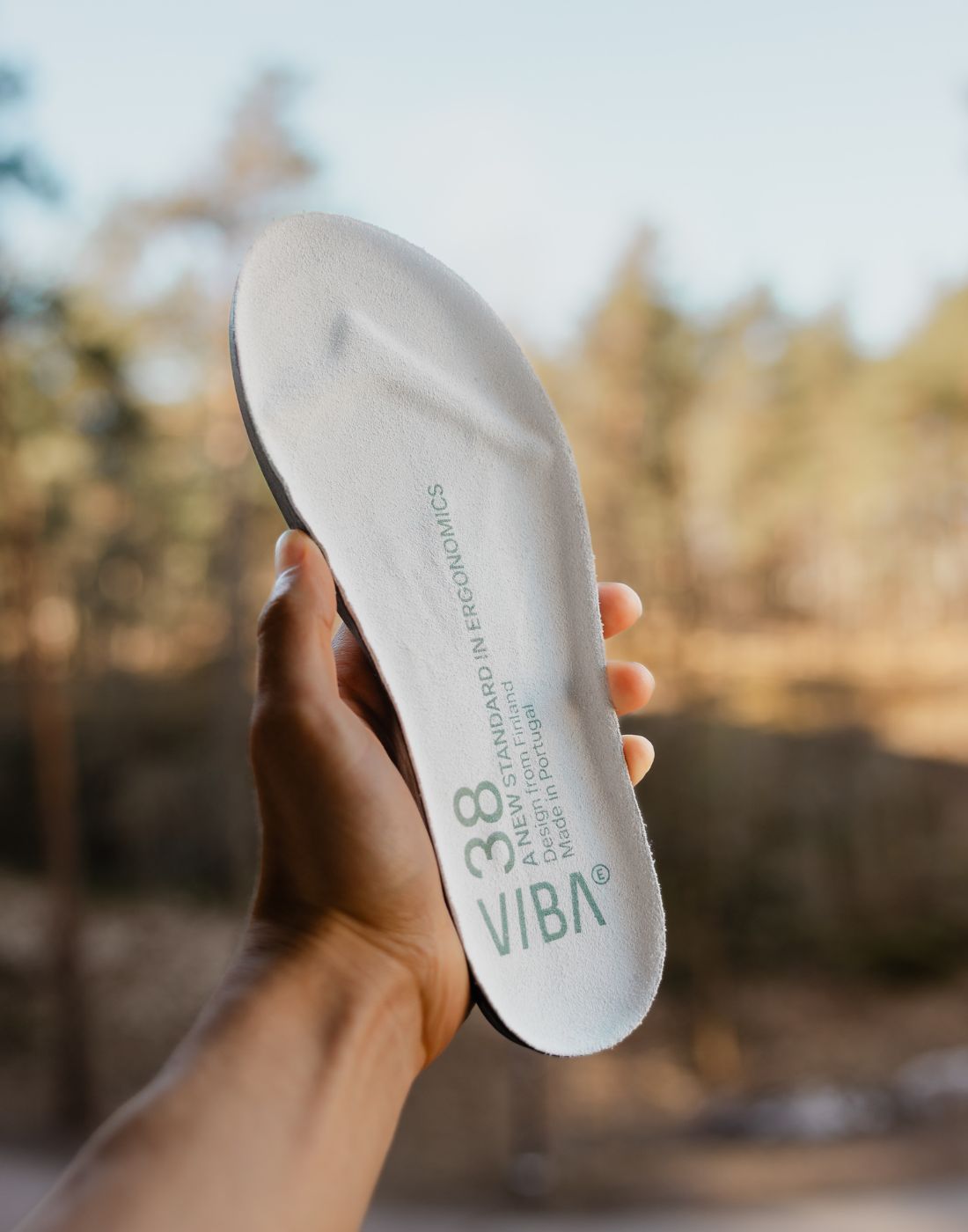
Inside each pair sits the Carbon Step™ footbed, removable on most styles, and its 11/14/7 formula: 11 mm of cushioning at the heel, 14 mm of support at the arch, 7 mm at the front. Be clear about what that means. It places VIBAe in barefoot-style territory rather than at the strictest barefoot end, where footbeds are minimal or absent. It also means VIBAe isn't a strict zero-drop shoe: the footbed places the toes 4 mm lower than the heel, a low drop rather than none. In exchange you get underfoot support, and when a footbed wears out you replace the Carbon Step™ footbed rather than the shoe. At the end of a pair's wardrobe life, Pre-Loved is VIBAe's resale and recycling route with partner Ninyes.
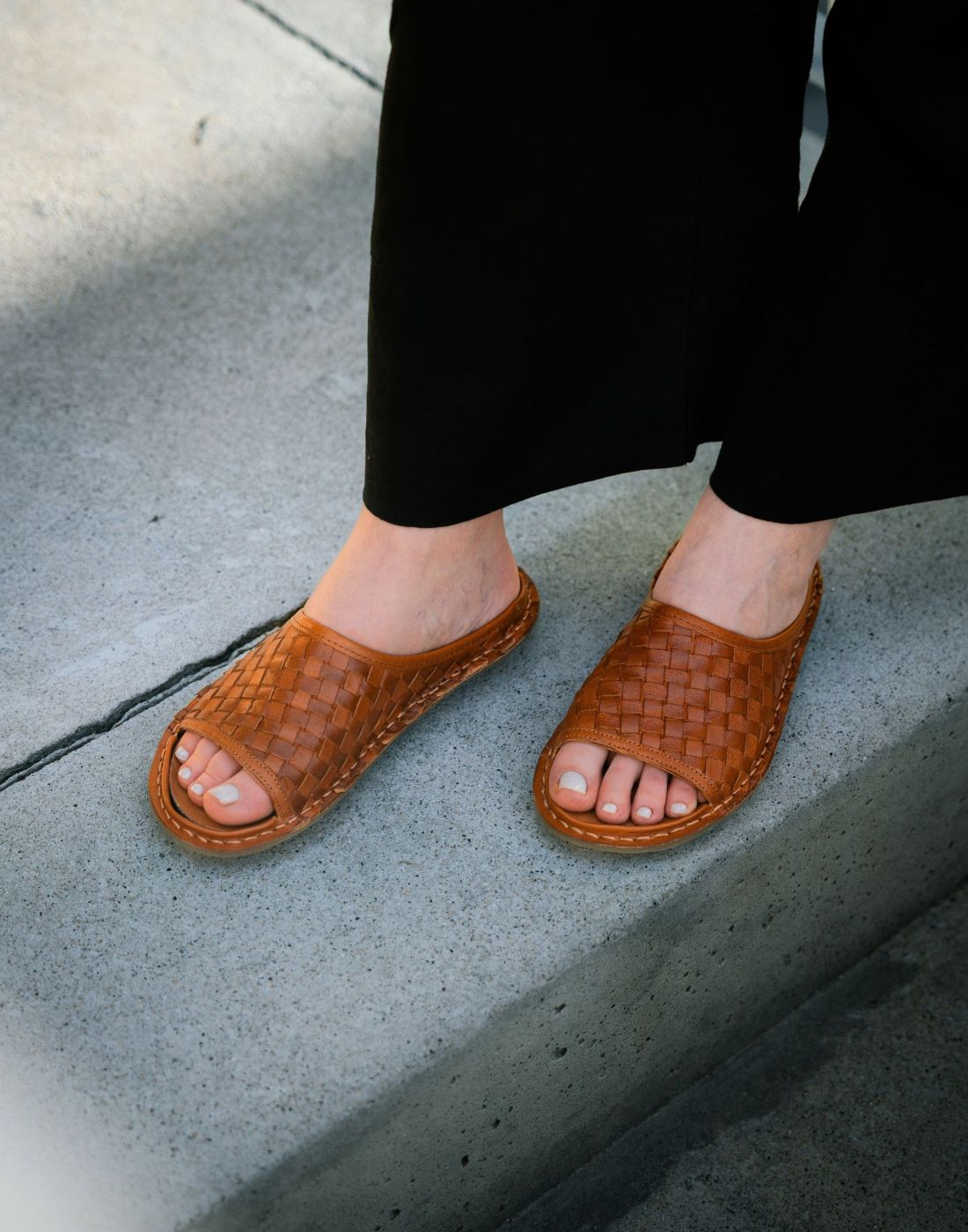
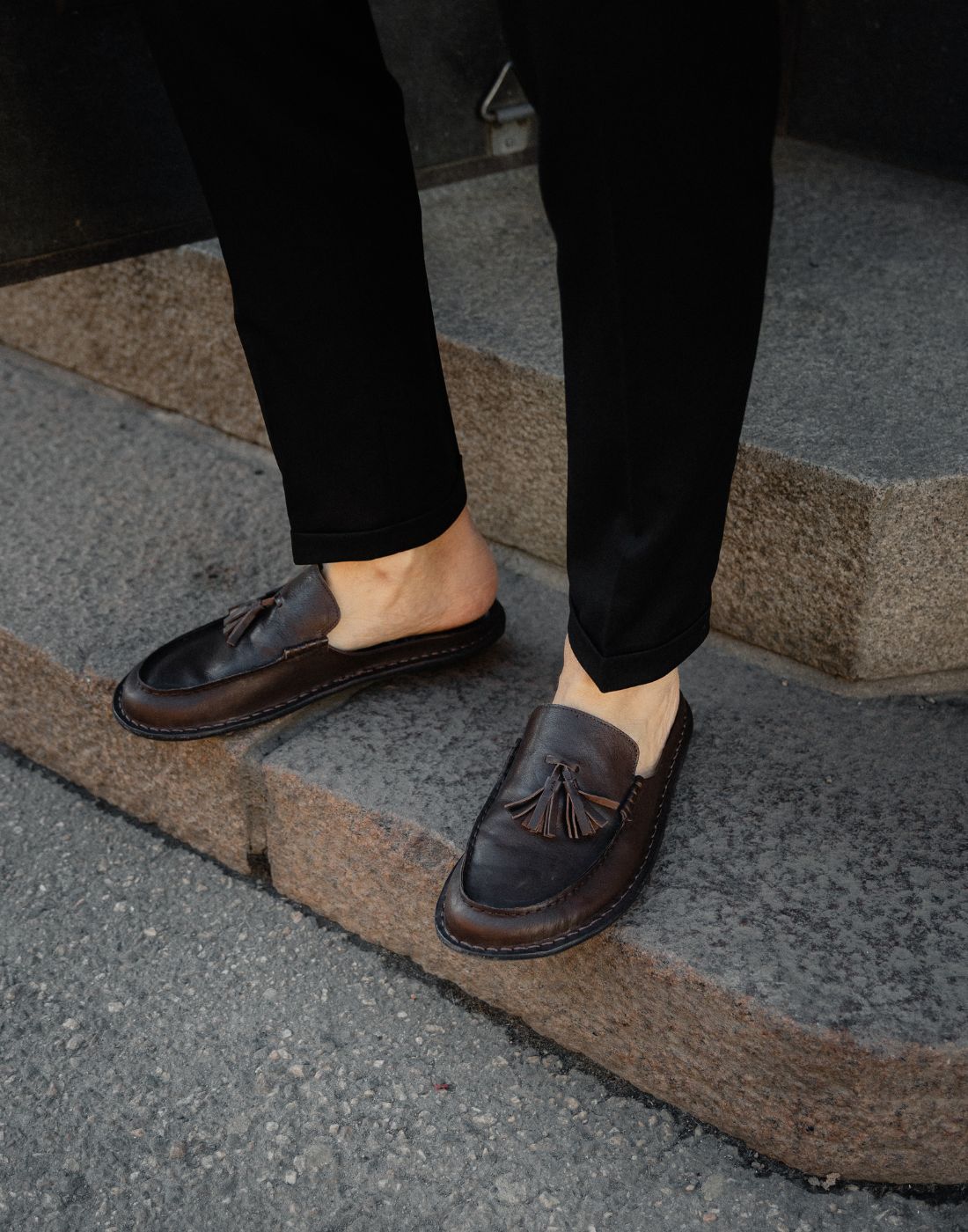
VIBAe makes unisex barefoot-style shoes in sizes 35–48 (22.0–30.7 cm), one collection for everyone, with no half sizes. Between two sizes, go one size up; the leather will gently stretch where needed. If you want to see the shape in a classic silhouette, look at ROMA — barefoot-style mules, or browse the wider loafers and mules collection. Specifications and prices can change, so treat the store as the source of truth.
Vegetable-tanned leather, no nasty shortcuts. See what goes into every pair: Explore Our Materials
Who They Suit, and Who Should Think Twice
Barefoot-style shoes suit people who spend their days upright and moving, whose toes want room, and who would rather own one versatile pair than five specialised ones. If you stand at a counter, walk a city, or teach, this is the category's home ground. Feet that have never got on with pointed shoes usually notice the difference first.
Think twice in three situations. Going straight into long runs or high-impact sport without any adjustment period asks a lot of feet that haven't done that work before.
Certified safety footwear is a legal and practical requirement in some workplaces, and a thin-soled leather shoe is not that.
And if a clinician has prescribed a specific orthotic setup, follow their guidance; on styles with a removable footbed, it is at least straightforward to take the Carbon Step™ out and try a prescribed insole in its place, which is a practical point rather than a promise about how it will feel. Persistent foot pain goes to a health professional, full stop. For one customer's experience of switching to a roomier shoe, see our journal post No more foot pain.
Starting Out: The Adjustment Period
Expect a few weeks rather than a few days. A thinner sole means your feet and calves take on the load a cushioned midsole used to carry, which shows up as ordinary muscle fatigue in the first fortnight or so. Short wears first, then longer days.
Rotate with your existing shoes at the start rather than switching outright. Walk on varied surfaces, since grass, sand and uneven paths give your feet more to respond to than flat pavement. Check the size chart before ordering, and go one size up if you're between sizes, prefer thicker socks, or simply like a looser feel.
Trying at home is the low-pressure way to settle fit. VIBAe offers free standard shipping on purchases over €100, and a free return within 30 days of delivery minus a €10 restocking fee, or a free exchange in the same window. Policies and thresholds can change, so check the store for current details before you order.
Common Questions About Barefoot Shoes
What Makes a Shoe "Barefoot" Rather Than Just Flexible?
All three features have to be present together: zero drop, a foot-shaped toe box that stays widest at the toes, and a thin sole that bends and twists. A soft, flexible shoe with a tapered front and a raised heel is a comfortable shoe, but it isn't a barefoot one.
How Long Does It Take to Get Used to a Low-Drop, Thin-Soled Shoe?
It varies by person and by how much walking you already do, so no one can give you a fixed number. Most people find the first couple of weeks are when calves and feet feel the change. Short wears, a rotation with your old shoes, and gradually longer days is the pattern that works.
Can Barefoot-Style Shoes Be Worn to the Office?
Yes, and silhouette is what decides it. A leather loafer or mule in a plain colour reads as smart footwear regardless of what the sole is doing. The wide toe box is visible if you look for it, but a classic upper keeps the shoe looking like a shoe rather than equipment.
What Size Should I Order If I Fall Between Two Sizes?
Go one size up. VIBAe doesn't make half sizes, and the same advice applies if you prefer thicker socks or a looser feel. Sizes run 35–48 (22.0–30.7 cm) across one unisex collection, with US and UK equivalents on the size chart, and the leather will gently stretch where needed.
Do Barefoot-Style Leather Shoes Need Special Care?
They need ordinary care, done regularly. Vegetable-tanned leather takes colour and character from wear, so wipe off dirt, let wet shoes dry away from direct heat, and use a protective cream now and then. Rotating pairs helps them dry out fully. When the Carbon Step™ footbed wears out, swap the footbed rather than the shoe.
Where to Go From Here
Three features, one sentence: level heel to toe, room across the toes, and a sole thin and flexible enough that your feet move. The category is about room and movement, not a look that will date. If you're ready to try a pair, start with your measurements and work back to a shape you'll actually wear. For office-specific advice, see our guide to barefoot shoes that pass a dress code.
Get the right fit first time — check the size chart, and go one size up if you're between sizes: Check the Size Chart