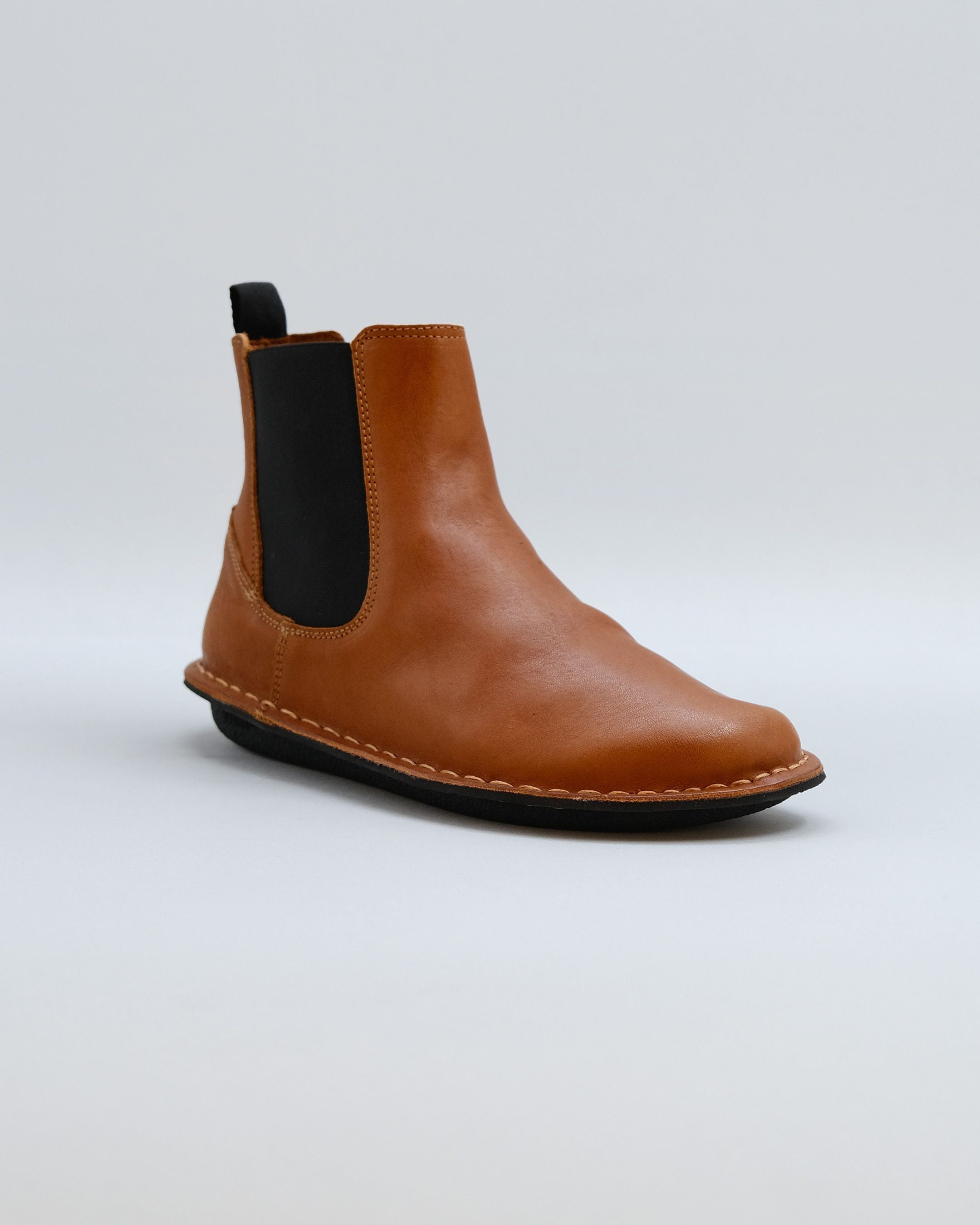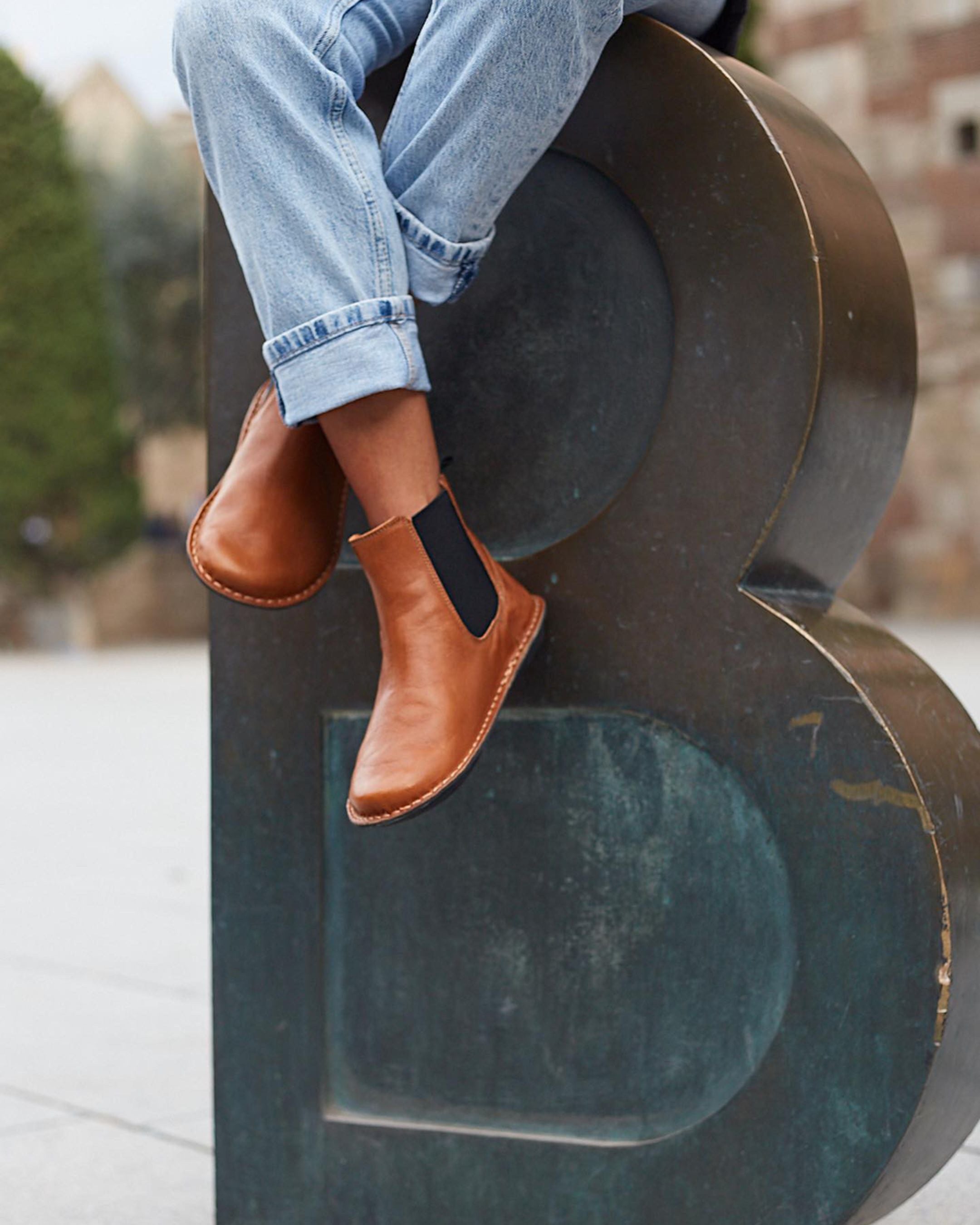


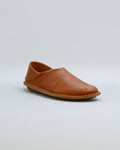
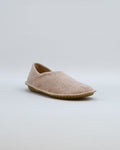
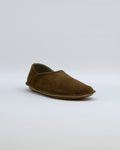
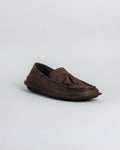
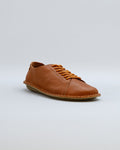
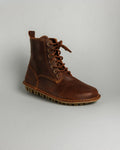
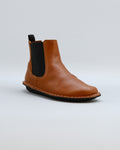
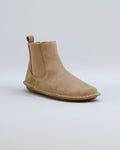
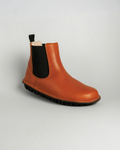
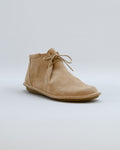
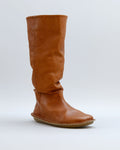
Comfortable Chelsea boots for women share six traits: a toe box wide enough for toes to splay, a cushioned removable footbed, a flexible low-heel sole, elastic gore that holds the heel without pinching, light overall weight, and breathable leather. Fit decides comfort more than the label does.
Comfortable Chelsea boots for women come down to six checkable things: a toe box wide enough for toes to splay, a supportive footbed, a flexible low-heeled sole, an elastic gore that holds the heel without gripping the ankle, low weight, and a breathable leather upper.
What to look for in comfortable Chelsea boots for women
Judge any pair on those six points and you can walk into a shop, or onto a product page, and work out in about two minutes whether the boot will still feel good at 6pm. Comfort in an ankle boot isn't one feature. It's the six working together.
The Chelsea silhouette makes this easier than most styles. There's no lacing to adjust, so the fit is decided by the last, the gore and the footbed rather than by how tightly you pull. That's good news if you want ankle boots for all-day wear, and it's also why a badly shaped Chelsea boot can't be rescued once it's on your foot. Nothing loosens off.
Treat what follows as a checklist you can take anywhere, including here. We've built the VIBAe boots collection around these same criteria, but the criteria came first, and they apply to any boot you're weighing up.

The six comfort features worth checking before you buy
Each one has a benefit you'll feel and a mechanism behind it. Read the benefit, then the reason, then decide how much it matters for your feet and your week.
Toe box width — room for toes to splay
By hour eight, a narrow front end starts to make itself known — a roomy one just lets your toes get on with the day. A Chelsea boot can look sleek and still be generous at the front: the visual slimness lives in the shaft and the heel, not the forefoot. Wide toe box boots are shaped from a foot-shaped last, so the widest point of the sole sits where your foot is actually widest. For one customer's experience, see our journal post No more foot pain.
Footbed and cushioning — what sits under the foot
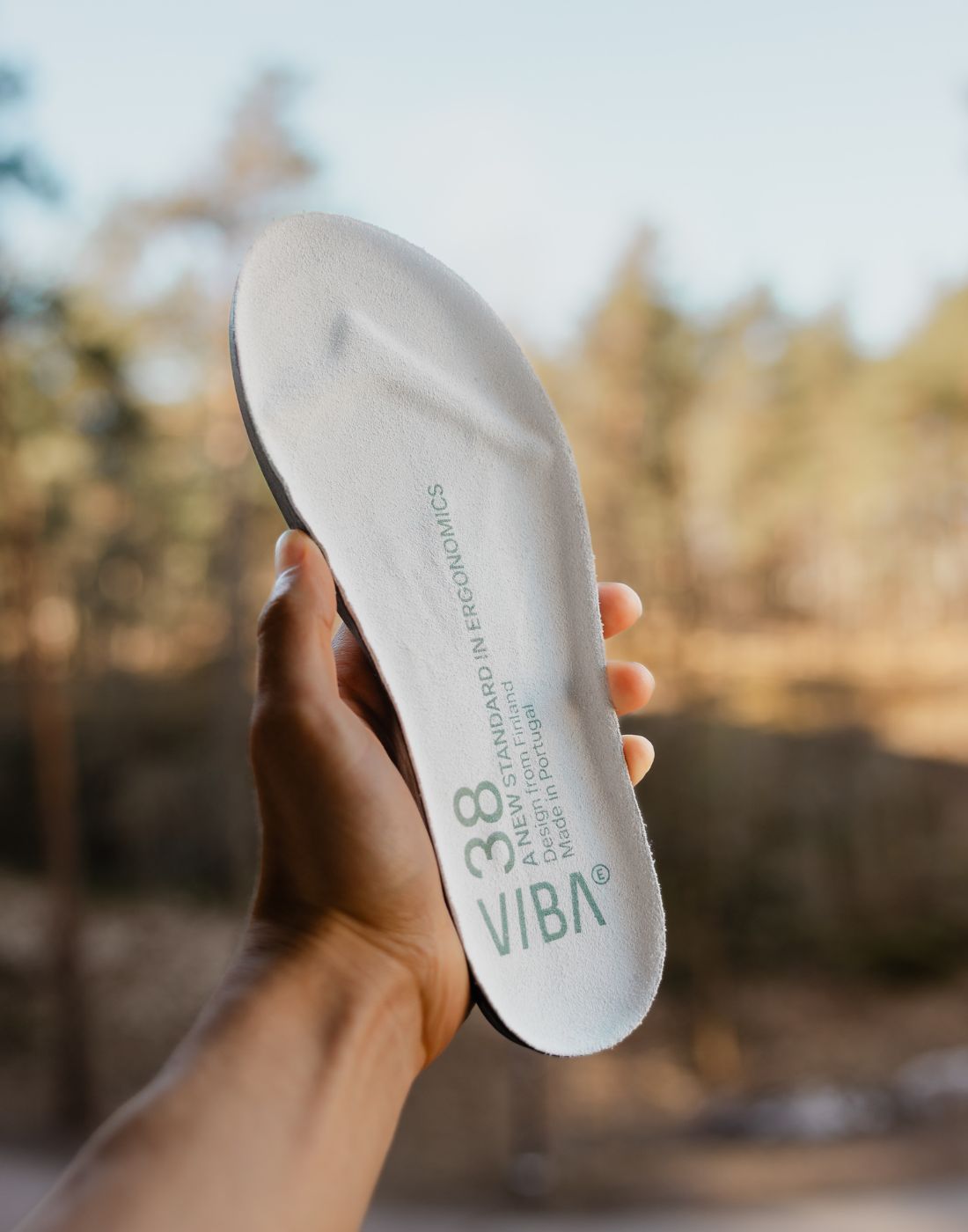
The footbed decides how the ground feels after the first few kilometres. Every VIBAe pair carries the Carbon Step™ footbed, built to the 11/14/7 Formula: 11 mm of cushioning at the heel, 14 mm of support at the arch, 7 mm at the forefoot. In our boots it lifts out, which matters more than it sounds. Removable footbed boots can be refreshed instead of replaced, and a new CARBON STEP™ Suede Original is £45 against a whole new boot.
Sole flexibility and heel height
A low, flexible sole lets your foot bend where it's designed to bend, near the ball rather than mid-arch. Our outsoles are natural rubber, tapped from trees without felling them, and they're thin enough to roll through a step. Here's the honest part: a flexible sole asks your ankle and forefoot to do the flexing that a stiffer boot used to do for you. Expect a boot break-in period measured in weeks of short wears, not one long day.
Elastic gore and ankle fit
Good elastic gore fit holds your heel down so it doesn't lift as you walk, without pressing on the ankle bone. The panel should stretch generously to let your foot in, then settle. Too tight and you'll feel it every time you sit down with your ankles crossed. Too slack and your heel slips, which is how rubbing starts.
Weight
Grams matter after the third kilometre, and heavier never automatically means sturdier. A lot of boot weight comes from stacked midsoles and hardware rather than from anything that helps you. Lightweight leather boots built on a thin outsole tend to feel easier by evening, especially on commuting days with plenty of stairs.
Upper and lining materials
VIBAe uses vegetable-tanned leather from LWG-audited tanneries, made from food-industry by-products. It moulds to your foot over time and needs occasional care: a cream, and time away from radiators to dry.

Vegetable-tanned leather, no nasty shortcuts. See what goes into every pair. Explore Our Materials
The six comfort criteria compared at a glance
Read the table by column: what a good version of each feature looks like, why it shows up in how your feet feel at the end of the day, what you can check yourself before paying, and how we've handled it. Descriptions are qualitative on purpose. The only measurements here are the ones we publish for the Carbon Step™ footbed.
| Criterion | What to look for | Why it matters for all-day wear | How to check before buying | How VIBAe handles it |
|---|---|---|---|---|
| Toe box width | Widest point of the sole under the ball of the foot; front end that stays broad rather than tapering to a point | Toes splay as you load each step; a tapered front puts pressure on the joints all day | Turn the boot over and look at the outline of the sole from underneath | Foot-shaped last with a roomy toe box across the boots, including the HELSINKI Chelsea boot |
| Footbed and cushioning | Lift-out footbed with support graded from heel to forefoot | Decides ground feel and whether the boot can be revived when the cushioning flattens | Check the product page says the footbed is removable and replaceable | Carbon Step™ footbed, 11/14/7 Formula (11 mm heel, 14 mm arch, 7 mm forefoot), replaceable from £45 |
| Sole flexibility and heel height | Low heel, high flexibility, flex point near the ball of the foot | Lets the foot bend naturally; a stiff sole forces the leg to compensate | Hold heel and toe and bend the boot; note where it folds | Thin, flexible natural rubber outsole with a low heel; adjustment period expected |
| Elastic gore and ankle fit | Generous stretch, clean recovery, panel sitting clear of the ankle bone | Holds the heel so it doesn't lift, which is what causes rubbing | Stretch the gore with your fingers and watch it spring back | Gore panels set into a leather upper that softens and moulds with wear |
| Weight | Low weight relative to size; no stacked midsole or hardware | Fatigue builds from lifting the boot thousands of times, not from one step | Lift the boot in one hand; compare with a boot you already own | Barefoot-style build: leather upper, footbed and thin rubber outsole, nothing bulky between them |
| Upper and lining | Full leather upper; lining matched to the season | Leather moulds to your foot and breathes; the lining sets warmth | Read the materials list for tannage and certification, not just "genuine leather" | Vegetable-tanned leather from LWG-audited tanneries, made from food-industry by-products; shearling lining on the winter option |
Chelsea boots for walking: what changes when you're on your feet
Once you're covering real distance, three of the six criteria start doing most of the work: sole flexibility, weight and grip. Desk days forgive a stiff boot. Pavement kilometres don't.
Flex comes first, because a sole that won't bend makes your foot fight it at every push-off. Weight comes second, and compounds: a few extra grams is nothing on step one and something you notice on step ten thousand. Grip comes third, and matters most on wet Victorian paving and painted metal in the rain, where the outsole pattern and the rubber itself decide whether you're walking confidently or carefully. A natural rubber outsole stays pliable in the cold, which helps. For more on cold-weather fit specifically, our guide to barefoot boots for winter covers what changes when temperatures drop.
Boots for standing all day are a different problem from Chelsea boots for walking. Standing loads the same spots for hours, so footbed support and forefoot room lead; walking rewards flex and low weight. A removable footbed serves both, because you can swap in a fresh Carbon Step™ when the old one has given its best and keep a well-broken-in boot in service.
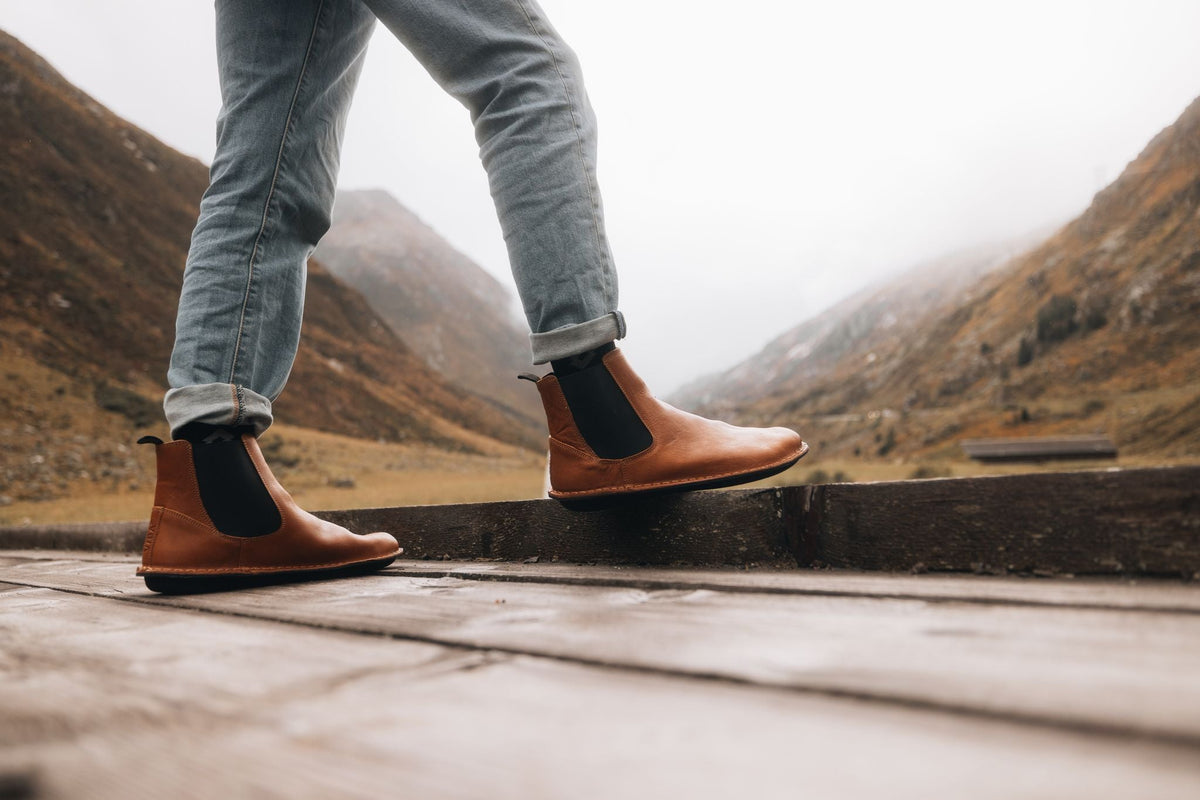
Honest limit: an ankle boot is not hiking footwear. Our HELSINKI Chelsea boots are made for city kilometres, commutes and long weekend wandering. Full days on rough, wet terrain with a pack want a proper hiking boot with ankle protection, and we'd rather say that than sell you the wrong thing.
What people mean by "most comfortable Chelsea boots"
When someone searches for the most comfortable Chelsea boots, they're usually asking a narrower question than the phrase suggests: which boot suits my feet, for my week. Comfort is foot-specific. A boot that's blissful on a broad forefoot can be wrong on a narrow one, and vice versa.
So shortlist by need. If your forefoot needs room, weight the toe box above everything else. If you're outside in a Finnish-cold January, warmth leads, and the HELSINKI Shearling is the call: the HELSINKI Leather Cognac Brown Shearling is listed at £265. Shearling lined Chelsea boots are noticeably warmer, and that cuts both ways — they're a lot of boot for a mild, damp UK autumn.
For work-to-weekend versatility across most of the year, the lighter unlined option is usually the better buy. The HELSINKI Leather Preto Black is listed at £210 and takes a thicker sock when the weather turns rather than committing you to a lining in April. Prices and specifications can change, so treat the store as the source of truth.
Don't take our word for it — friends & family said it first. Read Customer Reviews
Chelsea boot sizing guide: getting the size right
VIBAe sizing is unisex, EU 35–48, which maps to 22.0–30.7 cm of foot length. There are no half sizes. If you're between sizes, prefer thicker socks, or simply like a looser feel, go one size up. That single rule settles most orders. Our dedicated guide to wide fit Chelsea boots goes deeper into forefoot sizing specifically.
Measure your longer foot in centimetres, standing, and match it on the size chart, which also carries UK and US conversions. Then think about socks: boots get worn with heavier socks than shoes do, and a wool sock takes up real room. Choose for the socks you'll actually wear most of the season, not the thinnest pair you own.
The perfect fit in a Chelsea boot feels roomy across the forefoot, secure at the heel, and free at the ankle. Leather will gently stretch where needed as it warms to your foot, so the first week and the fourth week feel different. If you buy Chelsea boots online in the UK, the return terms are your safety net: a free return within 30 days of delivery, minus a €10 restocking fee, or a free exchange within 30 days. Free standard shipping applies to purchases over €100.
Chelsea boot questions we get asked most
Do Chelsea boots come wide enough for feet that need room across the forefoot?
Some do. The shape of the last decides it, not the style name. Look for a sole whose widest point sits under the ball of the foot and a front end that doesn't taper. Every VIBAe boot is built on a foot-shaped last with a roomy toe box, so the silhouette stays clean while your toes keep their space.
Which size should you pick if you're between two sizes?
Go one size up. We don't make half sizes, and the same advice applies if you wear thicker socks or prefer a looser feel. Sizes run EU 35–48 (22.0–30.7 cm), and the leather will gently stretch where needed as you wear the boot in.
How long does it take to get used to a flexible, low-heel boot sole?
It varies with what you've been wearing. Feet coming from cushioned, stiff-soled footwear need the most time, because muscles that were resting now work. Start with short wears, build up over a few weeks, and don't debut a new pair on a twelve-hour day. If pain persists rather than settling, see a health professional — a shoe is not a treatment.
Can the footbed be replaced when it wears out before the boot does?
Yes. The Carbon Step™ footbed lifts out, so when the cushioning has done its years you swap the footbed rather than the boot. The CARBON STEP™ Suede Original is listed at £45. That's the whole point of making it removable.
Get the right fit first time — check the size chart, and go one size up if you're between sizes. Check the Size Chart
Your checklist before buying comfortable Chelsea boots for women
Work through it in this order. Foot shape rules out the wrong boots fastest, use case narrows what's left, and materials decide how long the pair stays with you.
- Start with your feet. Forefoot room first, then heel hold, then ankle freedom. If the toe box is wrong, nothing downstream fixes it.
- Match the boot to your week. Distance walking wants flex and low weight; long standing wants footbed support; deep winter wants shearling; most UK months want the unlined leather.
- Check materials and plan for care. Vegetable-tanned leather rewards cream and slow drying away from heat, and punishes radiators. Budget the ten minutes a month.
What happens afterwards is part of the comfort story too. Footbeds are replaceable, so a flattened Carbon Step™ costs from £45 rather than a new pair. Our boots are handmade outside Porto by the shoemaking family and around 100 skilled artisans, which is why they're built to last for years rather than be binned at the end of a season. When a pair has stopped being yours, Pre-Loved, our resale and recycling concept with partner Ninyes, gives it a second owner.
We're not perfect, and we're honest about where we are. What we can tell you is exactly what's in the shoe and who made it. And if foot pain keeps showing up whatever you wear, that belongs with a health professional, not with a boot.