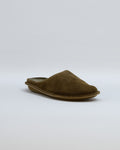

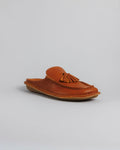
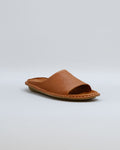

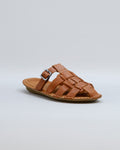



Sustainable shoes UK: what 'sustainable' should actually mean
Created: 2026.08.20 | Modified: 2026.08.20
Greenwashing-free guide to sustainable shoes: materials, repairability and questions to ask brands.
What are sustainable shoes in the UK?
Sustainable shoes are shoes designed to be worn for years rather than seasons: traceable materials, a factory with known working conditions, and parts you can replace rather than bin. No shoe has zero impact, so judge sustainable shoes in the UK by how long a pair lasts and what happens next.
That definition is deliberately unglamorous, because it is the only version that survives contact with a real product page. Adjectives are cheap. Lifespan, traceability and repairability can be checked, argued about, and either evidenced or not. If a claim can't be traced back to a named material, a named factory or a named repair route, it isn't telling you much.
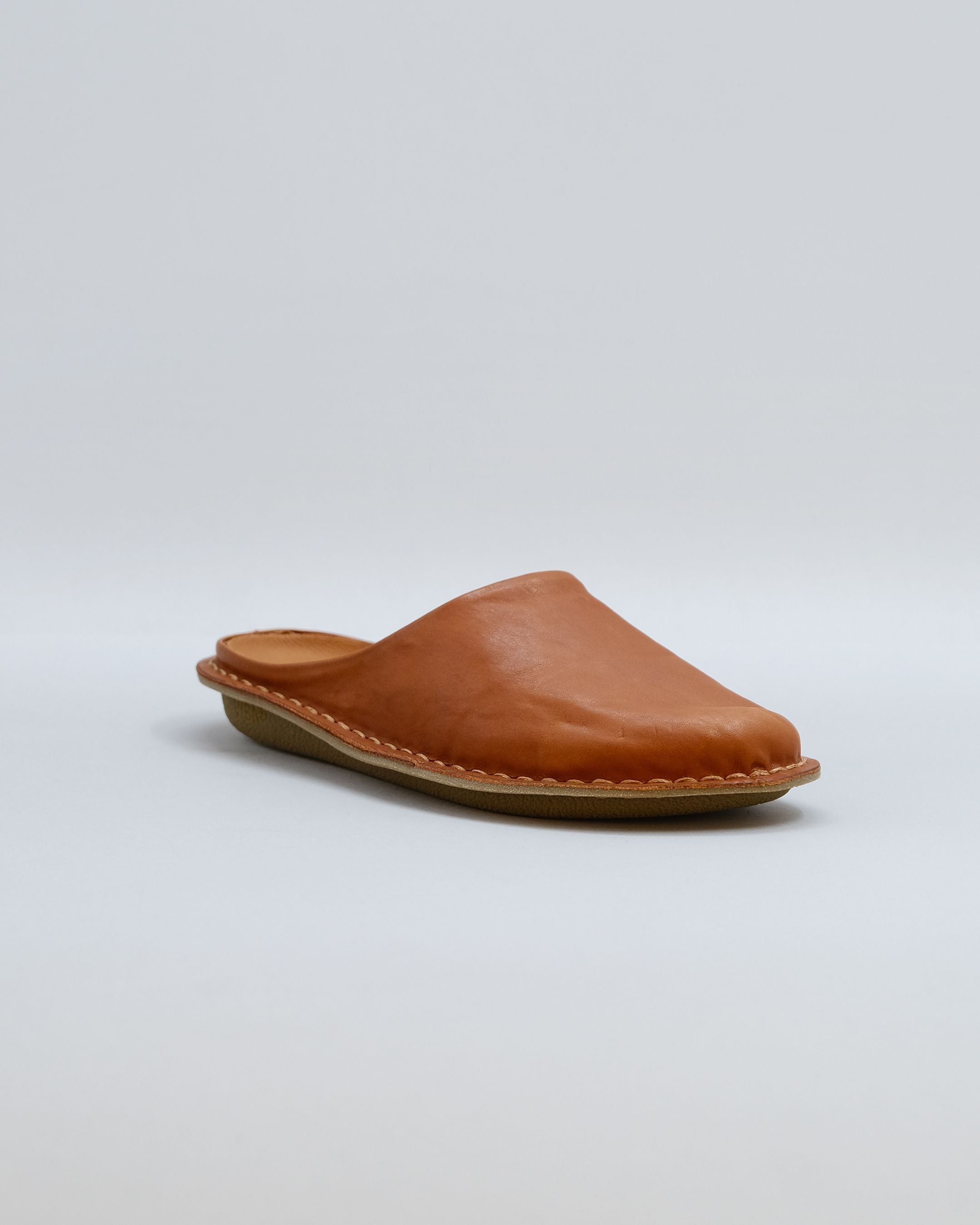
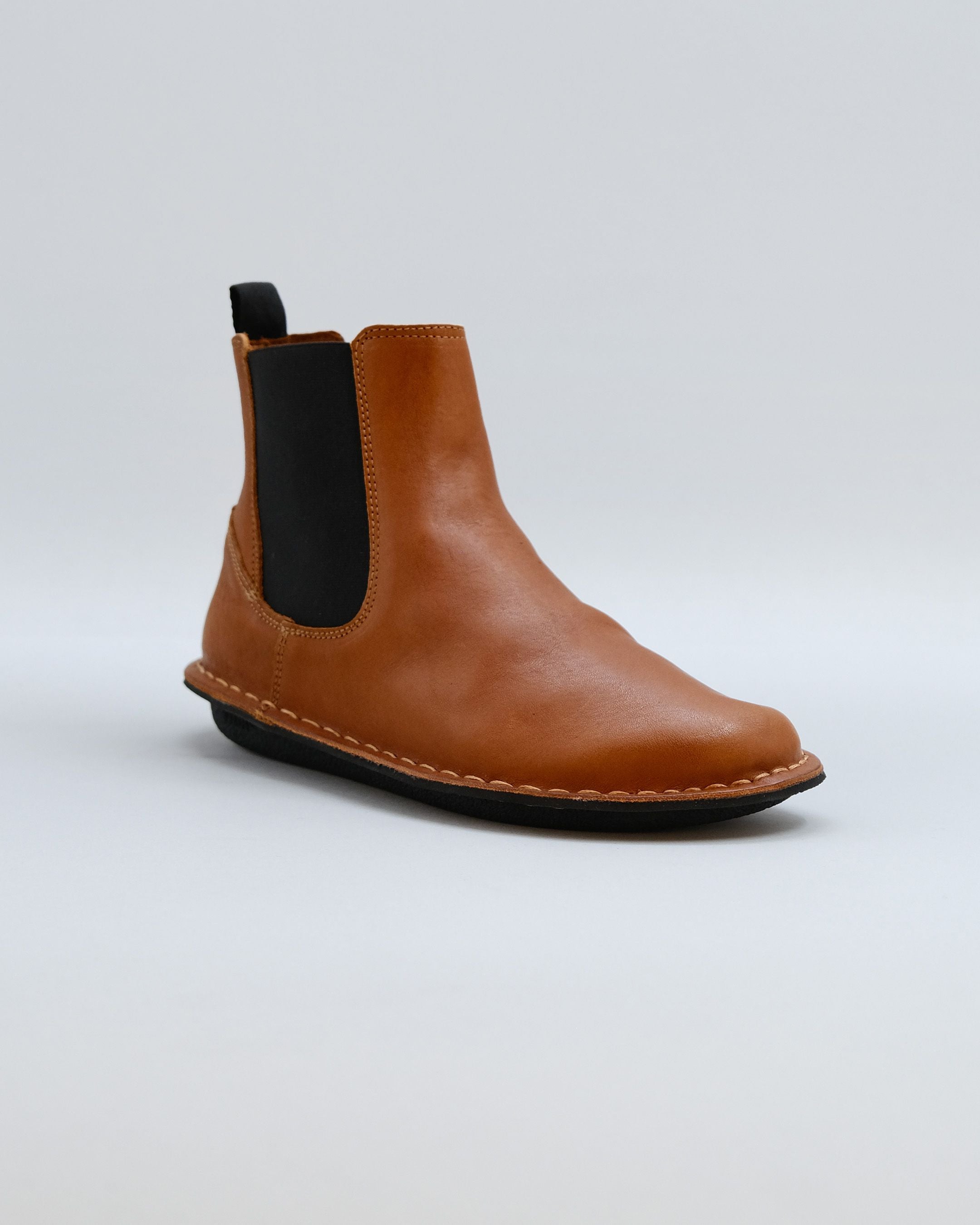
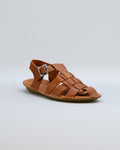
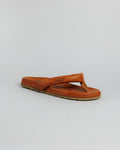
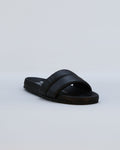
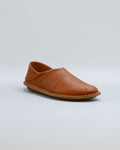
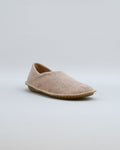
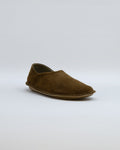
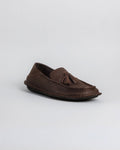
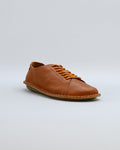
What follows is a way of reading any shoe listing you come across, ours included. We make barefoot-style leather shoes, handmade in Portugal, so we have a position in this argument and we're not pretending otherwise. What we'd rather do than sell you a pair here is hand you the criteria we're happy to be measured against. If you're the kind of reader who checks the materials page before the size chart, this one is for you.

Why does the word 'sustainable' do so little work on its own?
Because it has no fixed definition in footwear, no shared threshold, and no requirement that anyone show their working. An unqualified eco claim on a shoe listing tells a buyer almost nothing about the hide, the tannery, the glue, the wage, or what happens when the sole wears through. The useful version always names something specific.
Footwear is a hard product to make cleanly. A single pair might combine an upper, a lining, a footbed, a midsole, an outsole, thread, eyelets and adhesive, each with its own source and its own end-of-life problem. A one-word claim flattens all of that into a mood. Greenwashing in fashion rarely takes the form of an outright lie; more often it's a true statement about one component, positioned to imply something about the whole shoe.
Marketing language versus verifiable practice
The test is whether you can follow a claim somewhere. "Responsibly sourced leather" leads nowhere. "Vegetable-tanned leather from a tannery in Portugal, stitched by a family-run factory an hour from that tannery" leads to a place, a process and a set of people you can ask questions about. Same with repair: "designed for longevity" is a sentiment, while "the footbed lifts out and is replaceable" is a mechanism.
Four kinds of evidence are worth more than any adjective: a named material and its processing method, a named production site, a named repair or component-replacement route, and a named resale or take-back scheme. Where all four are absent, treat the claim as decoration.
The 'not perfect, but honest' standard
Our own position is that we're not perfect, but we're honest about where we are. Leather is an animal by-product and needs care. Vegetable tanning uses less predictable chemistry than chrome and gives less uniform results. Shipping shoes from Portugal to more than 150 countries has a footprint we don't get to write out of the story. We publish the reasoning rather than the halo, and you can read the standards we hold ourselves to in Our sustainability criteria . If you want the messier version, including the parts we haven't solved, our radical transparency journey sets out what we disclose and why.

Materials: how to read what a shoe is actually made of
Ask three durable questions of any material claim: what is the material, how was it processed, and can it be separated from the rest of the shoe at the end. Material choice matters, but it matters less than survival time. A brilliantly sourced upper glued to a sole that can't be replaced is still a shoe with a short life.
Vegetable-tanned leather and what the tanning method changes
Tanning is the step that turns a raw hide into leather that won't rot, and it's where most of the environmental weight of leather sits. Vegetable tanning uses tannins drawn from bark, leaves and other plant matter. Chrome tanning uses chromium salts, is faster, cheaper and far more consistent, and carries a chemical-management burden that depends entirely on how well the tannery is run.
Vegetable-tanned leather takes longer to produce and varies more between batches, so two pairs from the same run can differ slightly in tone. In wear, it softens and takes on a patina instead of cracking into a plastic-looking finish. Our leather is vegetable-tanned in Portugal, close to the factory that cuts and stitches it, which is one reason we can say what's in it rather than what it resembles.
Recycled, bio-based and synthetic uppers
Recycled materials in shoes genuinely reduce virgin input, and they're often the honest answer for linings, laces and packaging. The catch is that recycled polyester is still a plastic: it sheds microfibres, and most footwear recycling is downcycling rather than a loop. Bio-based materials, including the various plant-derived leather alternatives, sit on a wide spectrum, and many are bonded to a polyurethane layer that determines how long they actually last.
This is where the vegan vs leather shoes environmental impact question usually goes wrong. Framed as a materials contest, it produces no clear winner. Framed as a lifespan-and-disposal question, it becomes answerable: whichever pair you wear longest, care for, repair, and can eventually pass on has done better than the pair replaced twice in the same period.
Linings, footbeds, soles and glues
The hidden layers decide whether a shoe has a future. A leather or textile lining can be cleaned and conditioned; a fused synthetic one tends to blister and delaminate. A stitched or mechanically fixed outsole can be resoled by a cobbler. A footbed cemented in permanently means the pair is finished the moment it flattens, however good the upper still looks.
Adhesive is the quiet villain of circular footwear design. The more layers are chemically bonded together, the less any recycler can separate them into usable streams. Construction detail is therefore a sustainability spec, not a comfort footnote, and it belongs on the same page as the material list. Specifications and materials do change over time, so treat the store as the source of truth for what a given pair is made from.
Vegetable-tanned leather, no nasty shortcuts. See what goes into every pair. Explore Our Materials
Sustainable footwear UK: supply chain and ethical production
Where and by whom a shoe is made is inseparable from what it's made of. A pair cut from well-tanned leather in a factory with unknown hours and unknown pay is not a sustainable product. Any credible sustainable footwear UK claim names the production site, describes the relationship, and explains what the brand can and cannot verify.
Supply chain transparency in clothing and footwear is easier to promise than to publish, mostly because many brands buy through agents and genuinely don't know which building their shoes came out of. Long-term, direct relationships change that. Ours are made by a family-run factory in Portugal, the same people over years rather than whichever unit quoted lowest that season. Consistency of that kind is what makes handmade shoes in Portugal a verifiable statement rather than a flag on a label.
What can a brand reasonably disclose? The country and, ideally, the factory itself. Roughly how many people work there and how long the relationship has run. Whether wages meet or exceed the local legal minimum, and who checks. Where the leather is tanned. What happens to offcuts. What it does not know, and is working on. Among ethical shoe brands, that last item is often the most telling one on the page. If you want to see how we handle it, meet the family factory that makes our shoes .
Repairability and end of life: the part most claims skip
A pair that keeps going costs less per wear and keeps material out of landfill, which is the most reliable environmental gain available to a shoe buyer. Shoe repairability is therefore the practical heart of the matter: replaceable components, resolable construction, and a route for the pair once you personally are done with it.
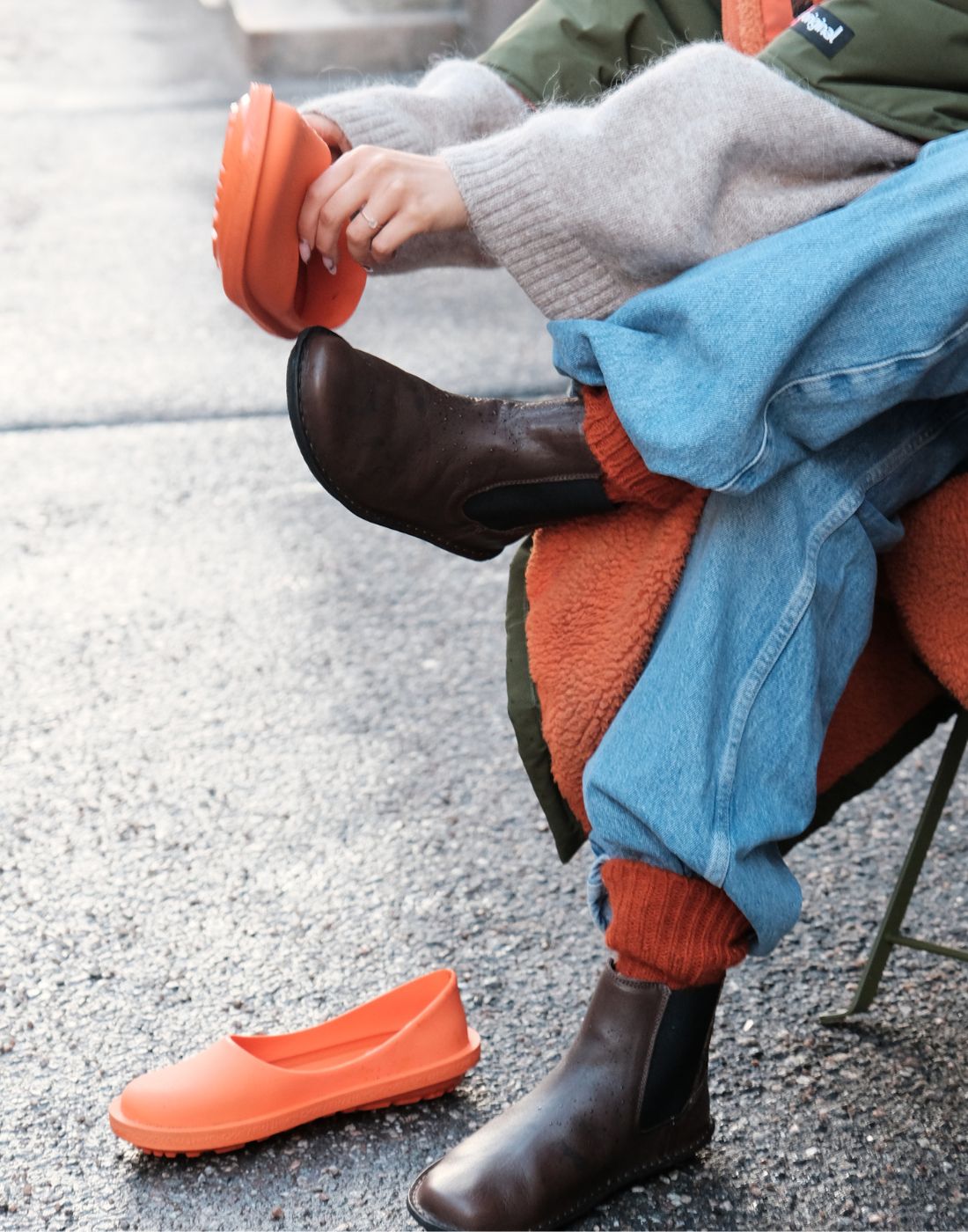
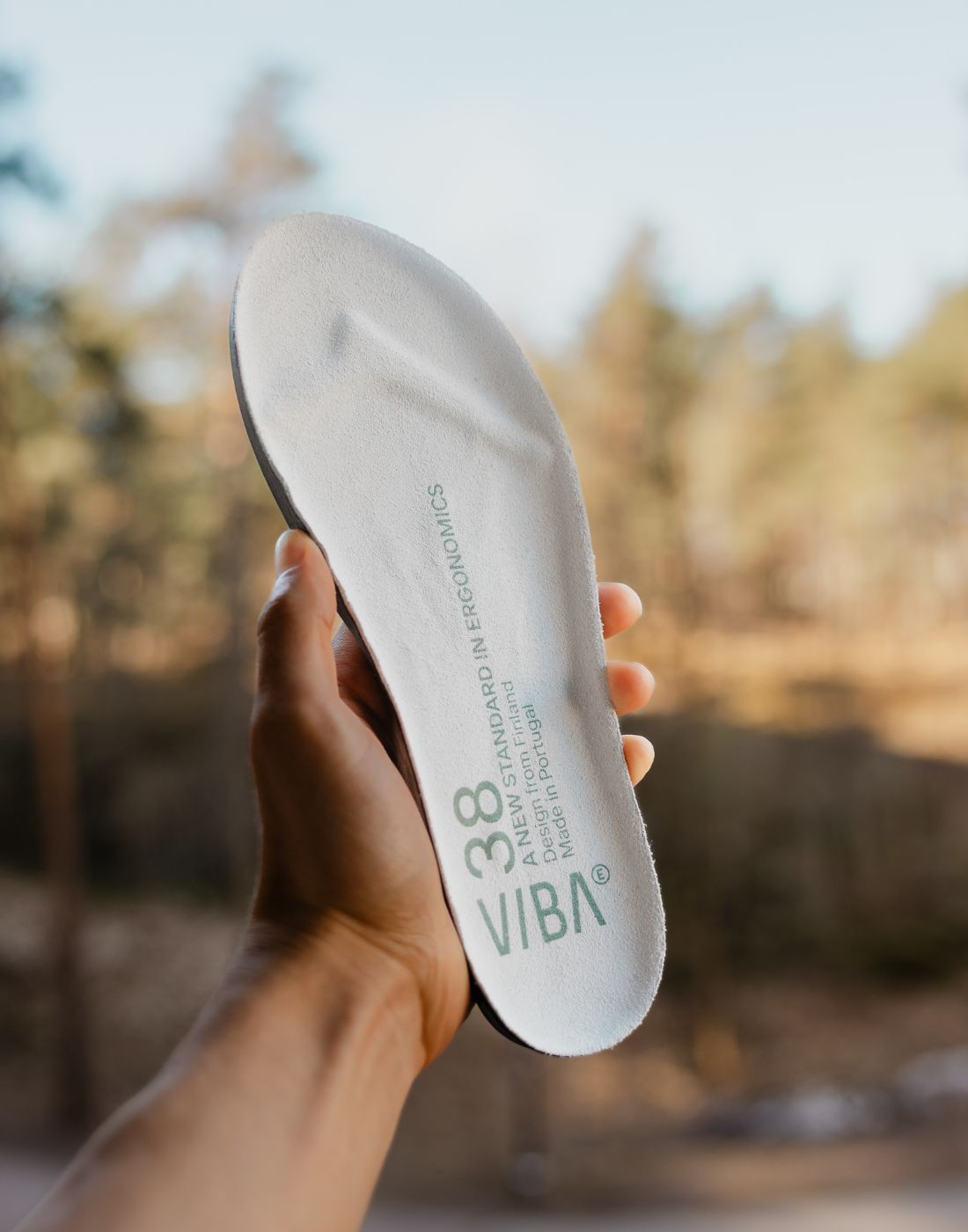
Replaceable parts do the heaviest lifting, because footbeds and outsoles almost always wear out before uppers do. Our Carbon Step™ footbed lifts out and can be swapped for a fresh one, which means the part that compresses under your heel is the part you replace, not the whole shoe. That's the entire point of making it removable. You can read how the replacement works in our Carbon Step programme .
Leather care and conditioning is the unglamorous other half. Brush off grit before it abrades the grain, let wet shoes dry away from radiators, condition when the leather looks thirsty, and rotate between pairs so each gets a day to recover. None of this is difficult, and all of it is a genuine obligation. Leather asks more of you than plastic does, and we'd rather say so than sell it as maintenance-free.
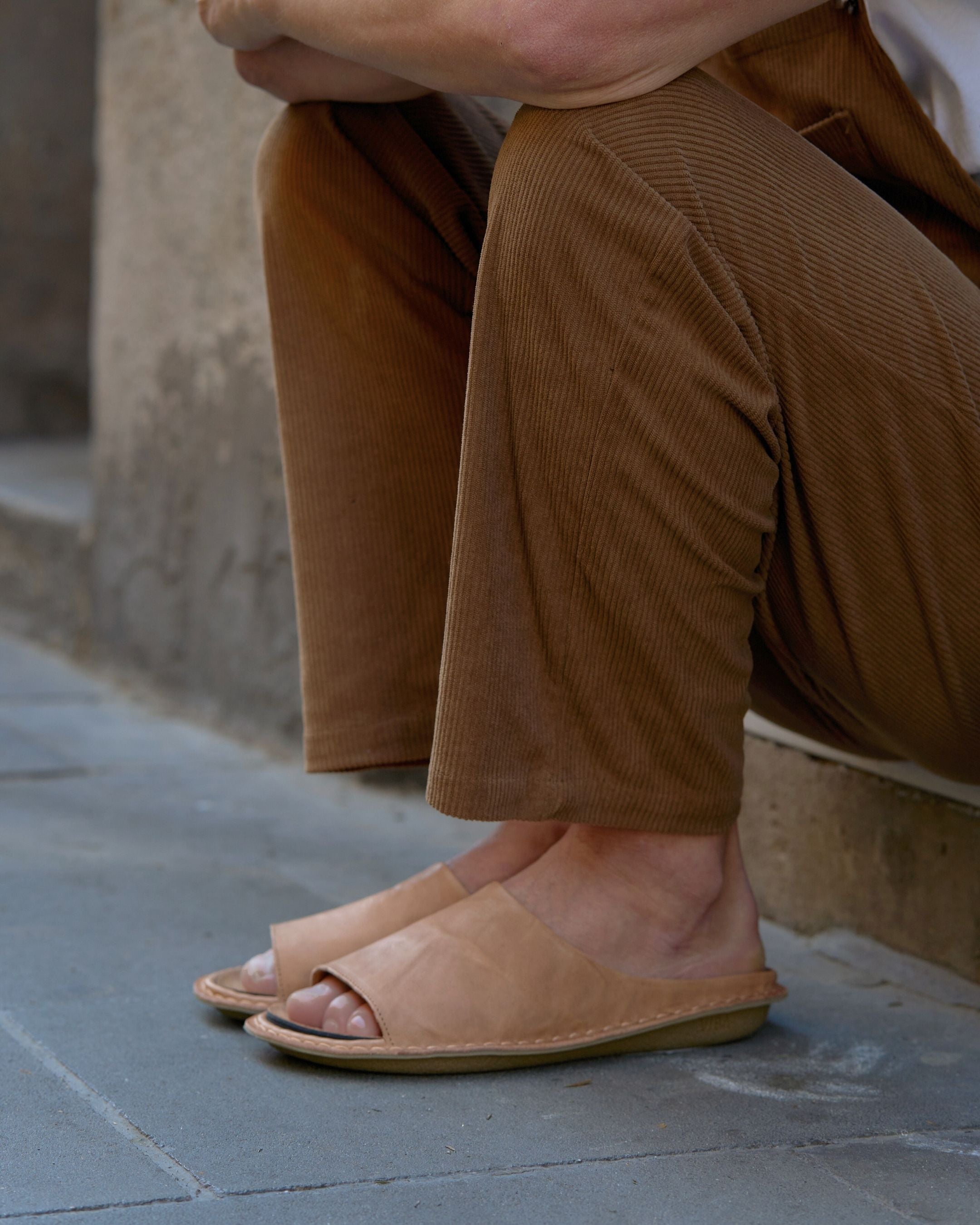
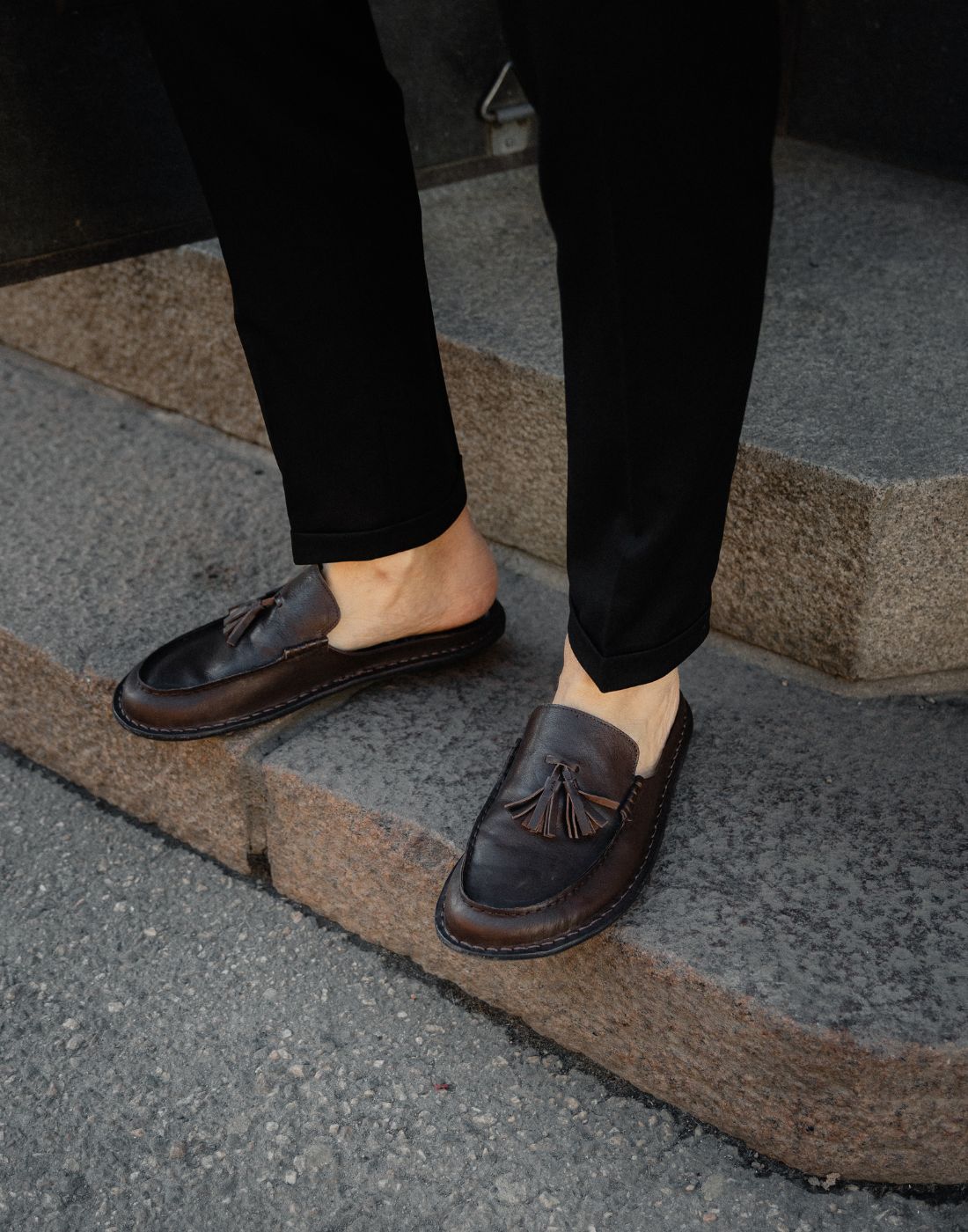
Then there's the second life. Resale and take-back schemes keep wearable shoes circulating, and the second hand shoes resale market only works where sizing runs consistently and the construction survives a change of owner. That's the thinking behind our Pre-Loved resale programme . It also reflects what slow fashion footwear means in practice: a shape that still looks right in several years' time, so the shoe's usefulness outlasts its first owner's enthusiasm. On comfort, a word of realism — barefoot style shoes with a flexible, low-drop sole and a wide toe box feel roomy and natural to most wearers, but the switch takes an adjustment period, and any persistent foot pain is a conversation for a health professional rather than a shoe brand.

Eco friendly shoes UK: certifications, standards and what they prove
Certifications prove that a specific process was audited against a specific standard. They generally cover tanning practice, chemical management, worker safety and chain of custody for a named material. They do not cover durability, wear life, repairability or disposal. Treat a certificate as one input into an eco friendly shoes UK decision, never as the decision itself.
Read the scope carefully, because scope is where most misreading happens. A certificate may apply to one tannery, one material or one production site rather than to the finished pair. It may certify the leather but say nothing about the outsole, the adhesive or the packaging. It may confirm that hazardous substances were managed correctly without any comment on how long the shoe will last. Certification schemes also revise their criteria periodically, so the current scope of any mark is best checked with the certifying body's own official documentation rather than a brand's summary of it.
None of that makes certification worthless. Independent verification is meaningfully better than a brand's word, and a shoe backed by an audited tannery is a stronger proposition than one backed by a leaf icon. Anyone comparing eco friendly shoes UK options is best served by combining three things: verified process, disclosed supply chain, and evidence that the pair can be repaired. Where we hold a named certification, we say which body issued it and what it covers; where we don't, we say that too.
How to judge sustainable shoes in the UK: questions worth asking any brand
Five questions cover most of it, and they stay useful whatever you're shopping for. Ask them of us as readily as of anyone else. A brand that answers all five plainly is showing you its working; a brand that answers in adjectives has told you something too.
- Where was this made? A named country is the minimum, a named factory is better, and a relationship measured in years is better still.
- What are the upper, lining and sole made of? Every layer, named, including the tanning method for leather and the polymer for a synthetic.
- Can any part be replaced? Footbeds and outsoles wear first, so ask specifically about those rather than about longevity in general.
- What happens when it wears out? Resoling, component replacement, or nothing at all. Silence here is an answer.
- Is there a resale or take-back route? A second owner is the cheapest environmental win in footwear.
| Claim on the listing | What it actually tells you | Names a checkable practice? | Says anything about wear life? | What to ask instead |
|---|---|---|---|---|
| "Eco-friendly" / "sustainable" | Nothing verifiable — an adjective with no named material, site, or process behind it | ✗ | ✗ | Which material, which factory, which process? |
| "Vegan" | No animal-derived material; says nothing about whether the upper is petroleum-based or how long it lasts | ✓ | ✗ | What is the upper made of, and can it be repaired? |
| "Vegetable-tanned leather" | A named tanning method using plant tannins rather than chromium salts | ✓ | — | Which tannery, and is the source traceable? |
| "Recycled materials" | Depends entirely on which component and what share — a recycled lining is not a recycled shoe | — | ✗ | Which part, what percentage, and can it be separated at end of life? |
| "Handmade in Portugal" | A named country of manufacture; stronger still when the factory itself is named | ✓ | — | Which factory, and how long has the relationship run? |
| "Certified" (tanning or chemical standards) | Covers tanning practice, chemical management, or chain of custody — one input, not proof | ✓ | ✗ | Which certifying body, and what is the current scope? |
| "Replaceable footbed" | A component that wears out first can be swapped rather than binning the pair — VIBAe's Carbon Step™ principle | ✓ | ✓ | Are replacements sold separately, and for how long? |
| "Resoleable" / repairable construction | The sole can be renewed, which is usually what decides total lifespan | ✓ | ✓ | Which repairs are possible, and who does them? |
| "Resale or take-back route" | A stated second-life path, such as VIBAe's Pre-Loved programme | ✓ | ✓ | Where do returned pairs go, and in what condition are they accepted? |
| "Carbon neutral" | Usually an offsetting arrangement rather than a reduction in the shoe's own footprint | — | ✗ | What was reduced at source, and what was offset? |
Good shoes deserve a second walk. Shop Pre-Loved VIBAe. Explore Pre-Loved
Frequently asked questions
Are leather shoes ever sustainable?
Leather can be, when the hide is a by-product, the tanning method is disclosed, and the shoe is built to be repaired rather than replaced. Vegetable-tanned leather ages instead of degrading, so a cared-for pair keeps going for years. Leather also needs conditioning, which is a genuine trade-off rather than a footnote.
Is vegan footwear automatically more eco friendly?
Not automatically. Many vegan uppers are petroleum-based synthetics that wear through faster and cannot be separated for repair. Others use bio-based or recycled inputs and perform well over time. The useful comparison is lifespan, chemical management and end-of-life route, not whether the material came from an animal.
How long should shoes last?
Years rather than seasons, given regular cleaning, rotation between pairs and replacement of worn components. Wear life depends on how far you walk, the surfaces you cover and your own gait, so no honest brand can promise a figure. Repairable construction extends it further than any material claim does.
What is vegetable-tanned leather, and why does it matter?
Vegetable tanning uses tannins from bark, leaves and other plant matter to turn hide into leather, instead of chromium salts. It takes longer and the results vary more between batches. In return, the leather softens and patinates with wear, and the tanning inputs are plant-derived and disclosable.
Does buying second-hand beat buying new?
Buying second-hand avoids the impact of making another pair, so it is usually the lower-impact choice when the shoe fits properly. A pair that doesn't fit gets worn twice and passed on again. Resale works best where sizing is consistent and the shoes were built to survive a second owner.
The short version
Judge sustainable shoes in the UK by lifespan, traceability and repairability, not by adjectives. Ask what the shoe is made of and how that material was processed. Ask who made it and where. Ask which parts come off and go back on, and where the pair goes when you've finished with it. Then check the answers against a published page rather than a product blurb.
That's the standard we hold ourselves to, and the reasoning behind each claim sits on our sustainability criteria and materials pages, in more detail than a single article can hold. Sizing runs 35 to 48, and since specifications, stock and prices do change, the store is always the source of truth for what's currently in front of you.