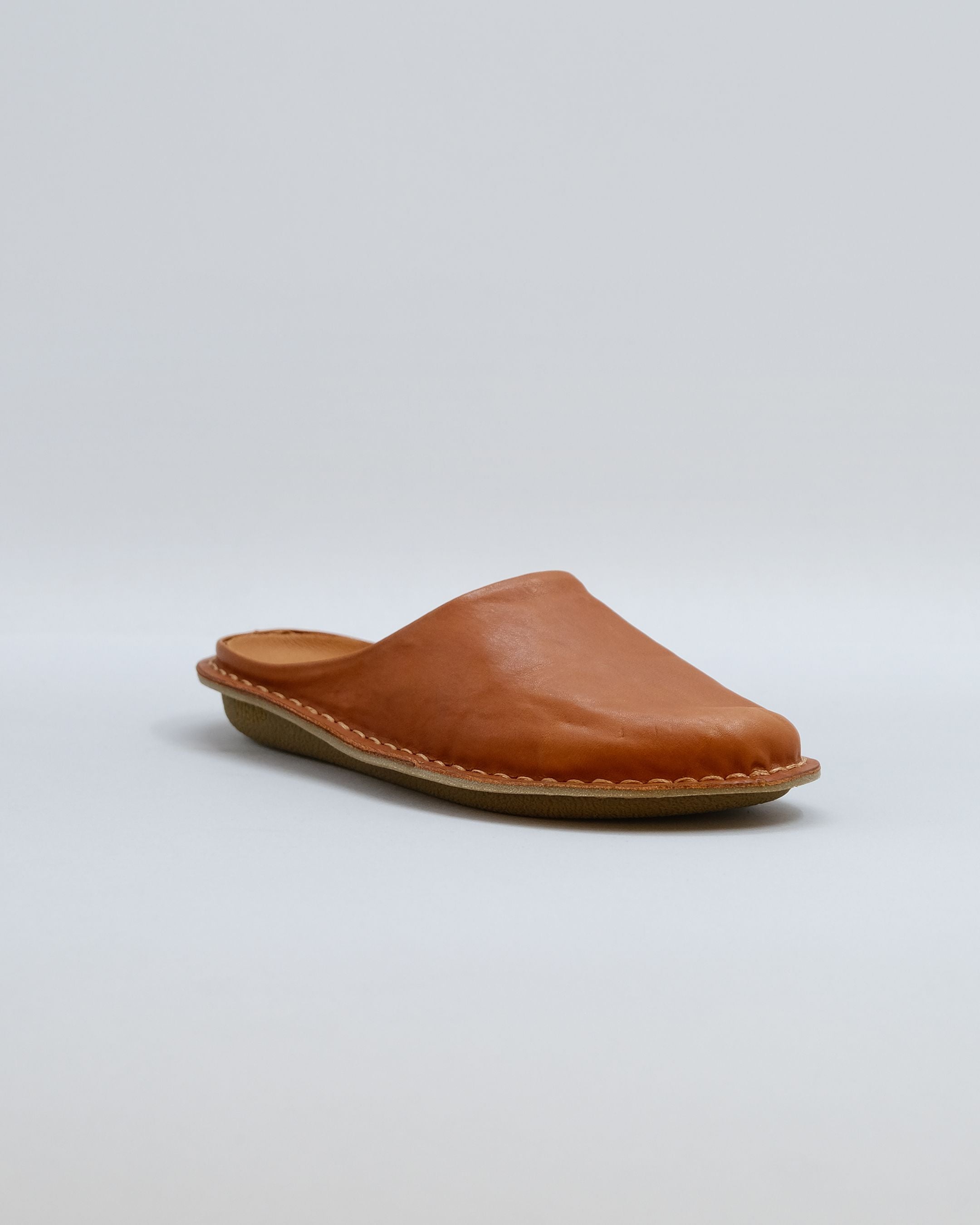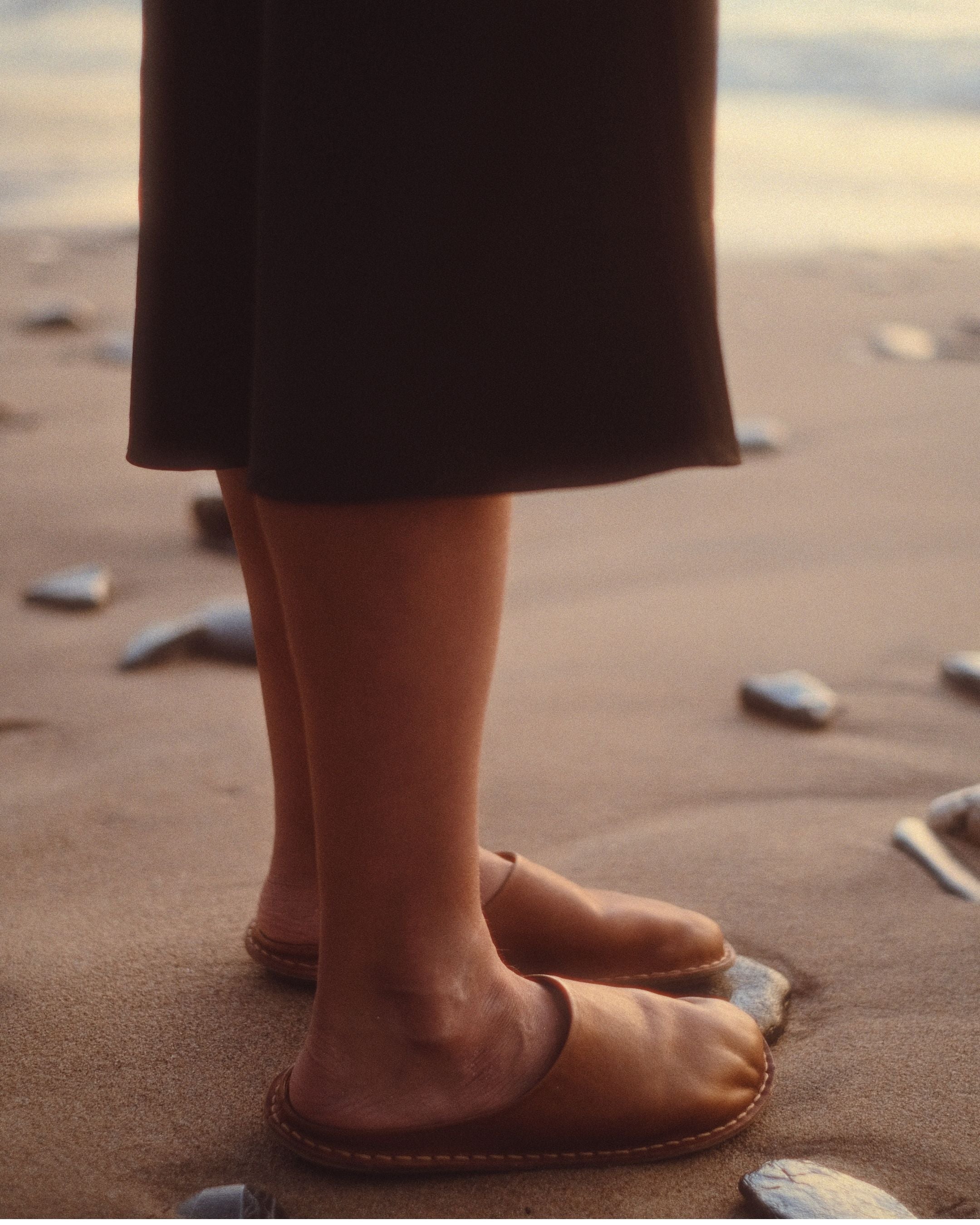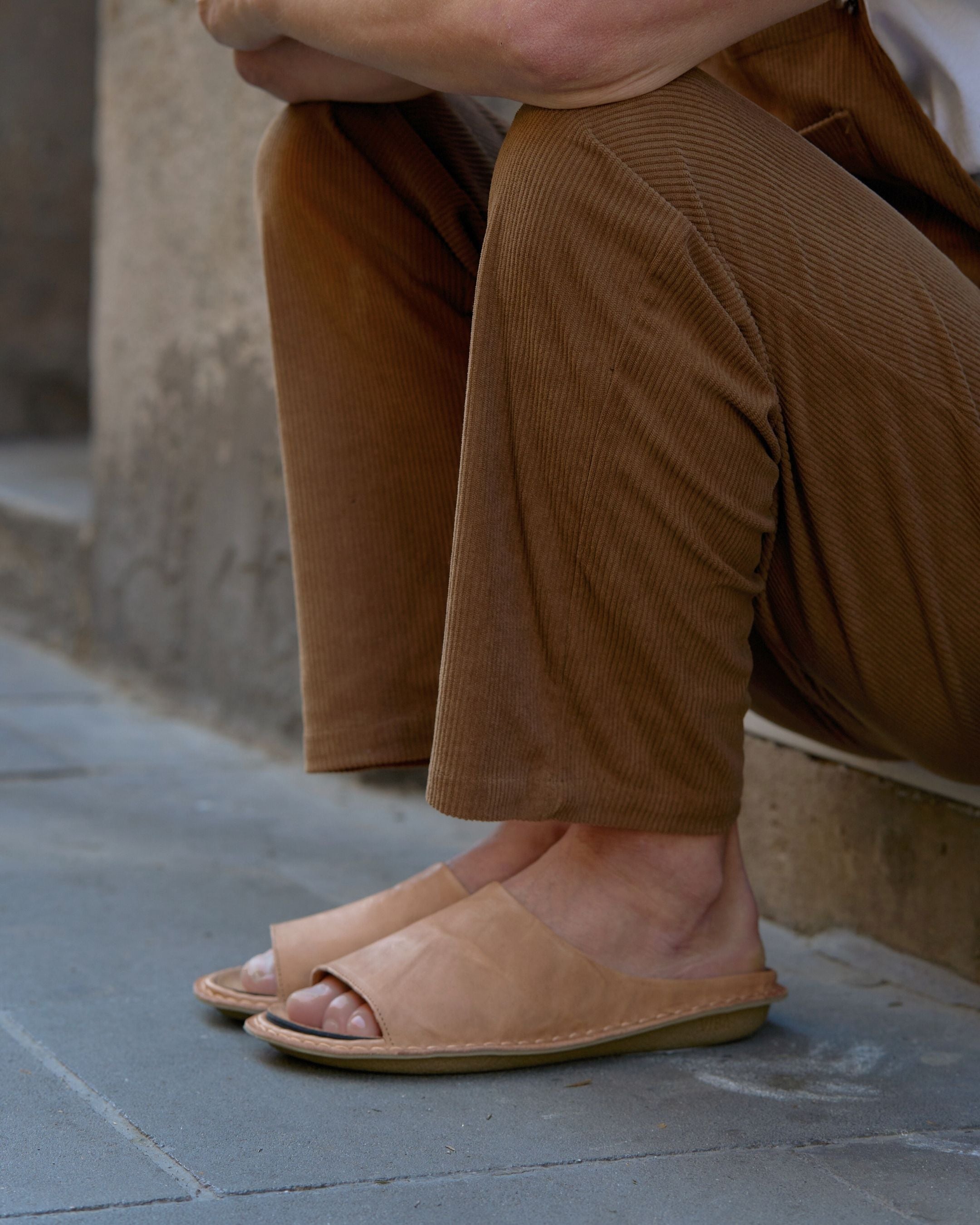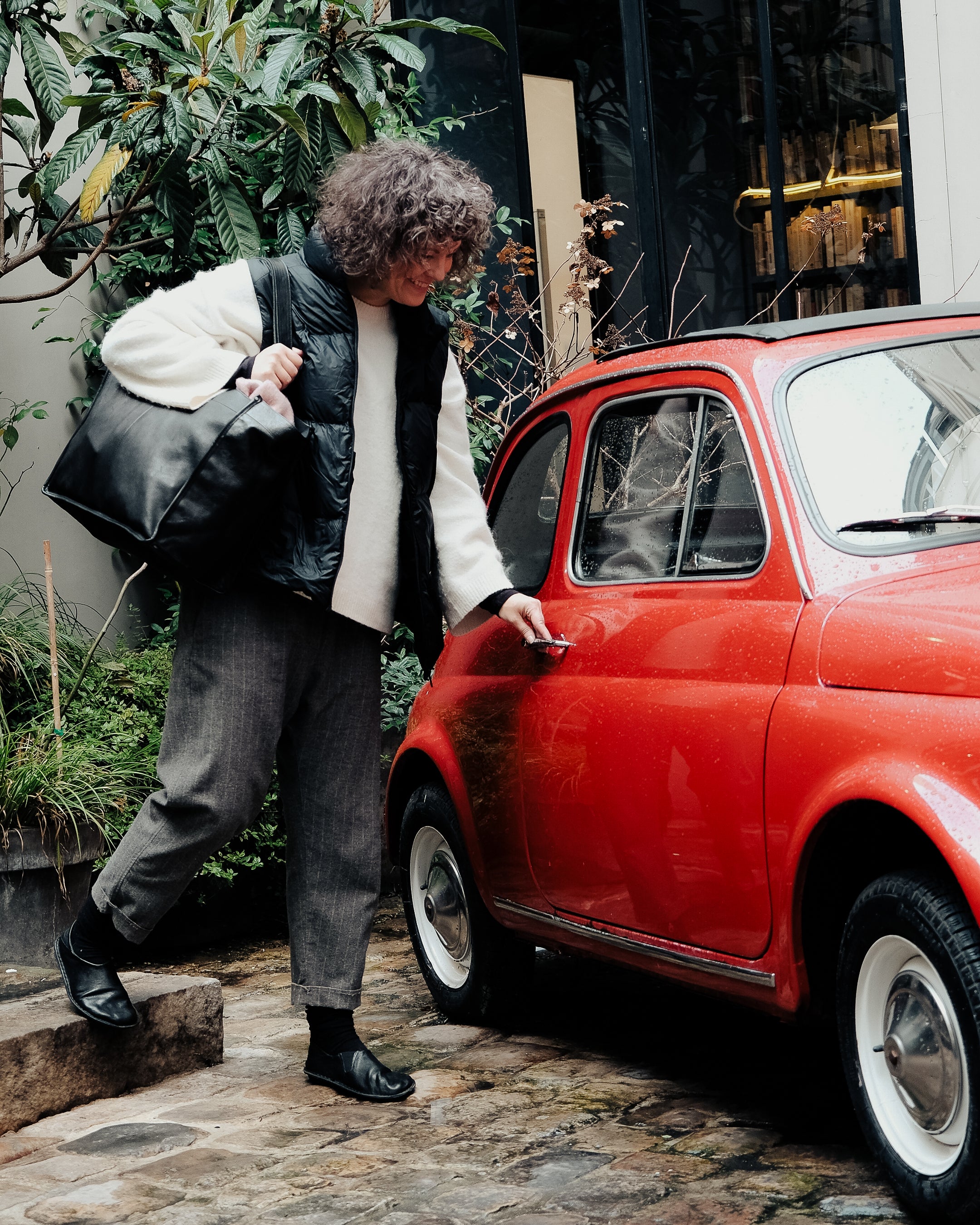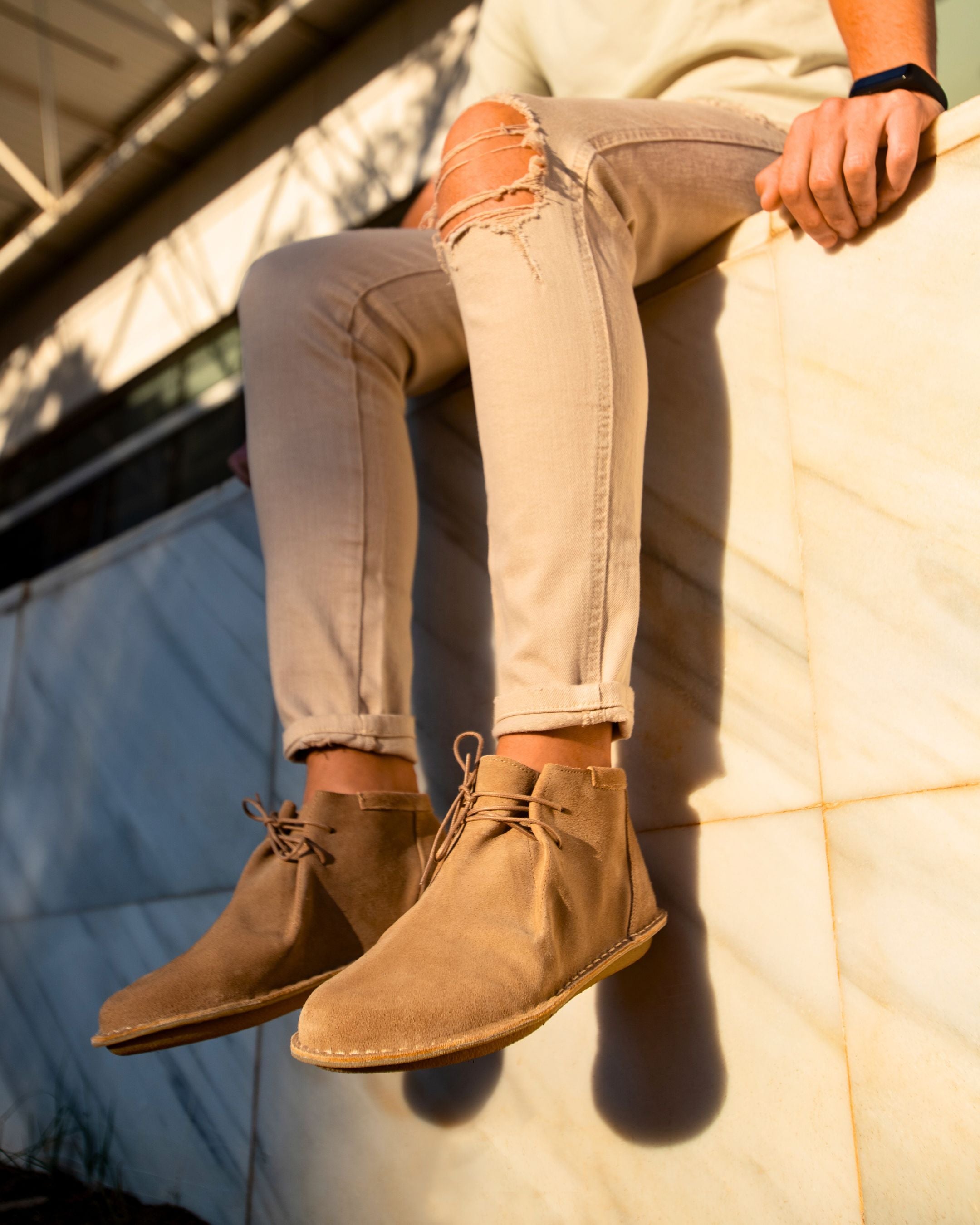
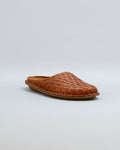
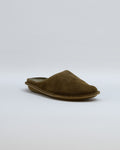

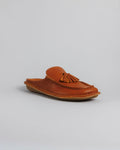
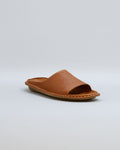

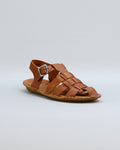
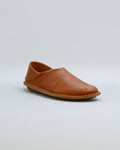
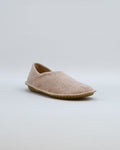
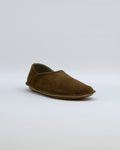
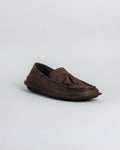
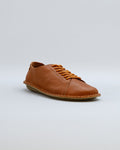
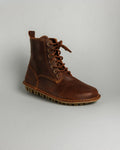
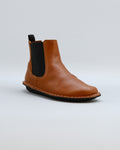
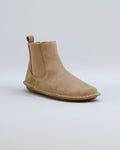
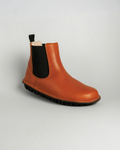
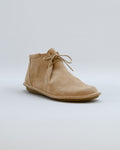
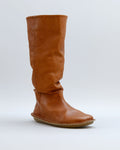
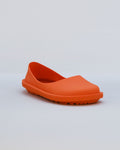
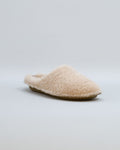
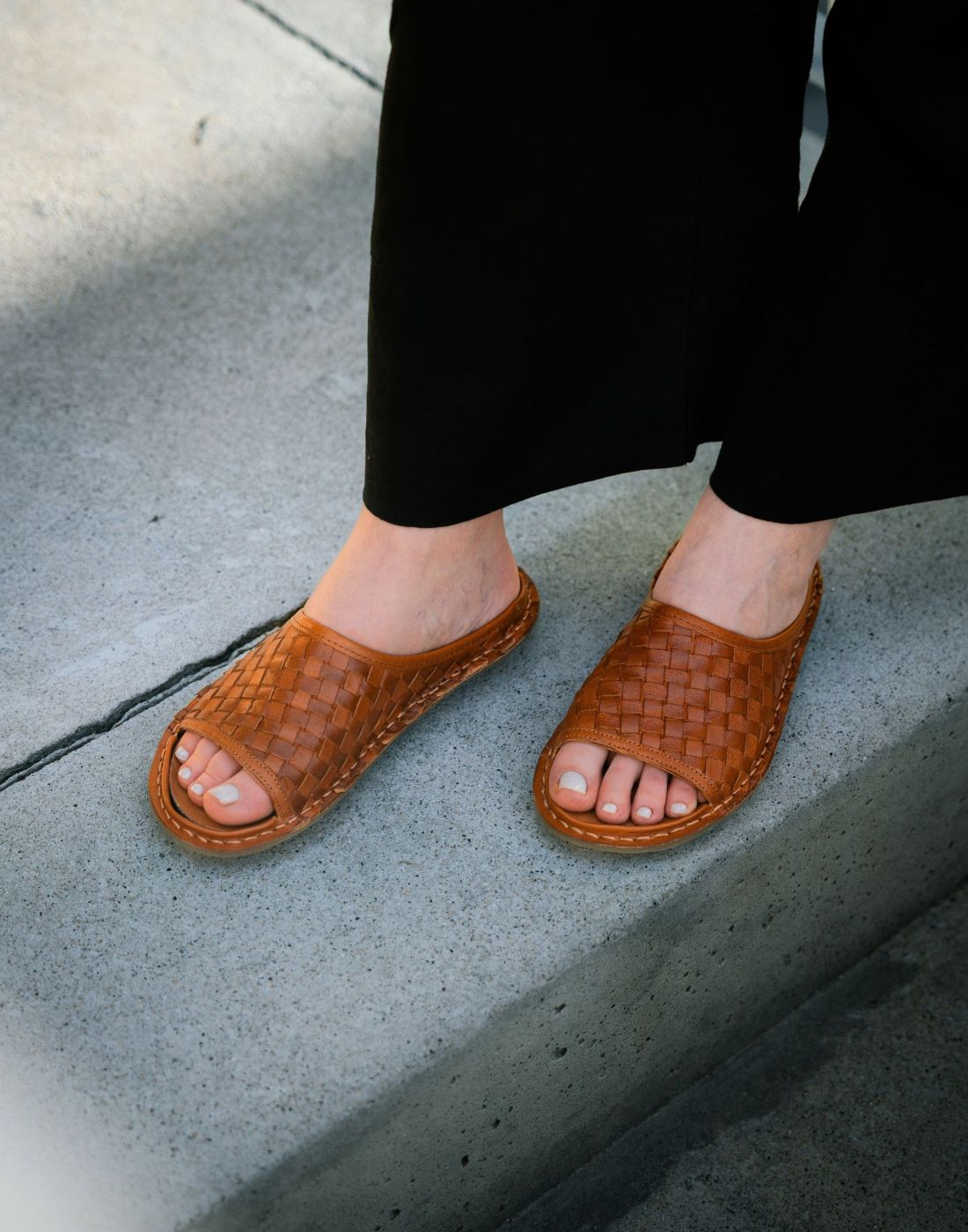
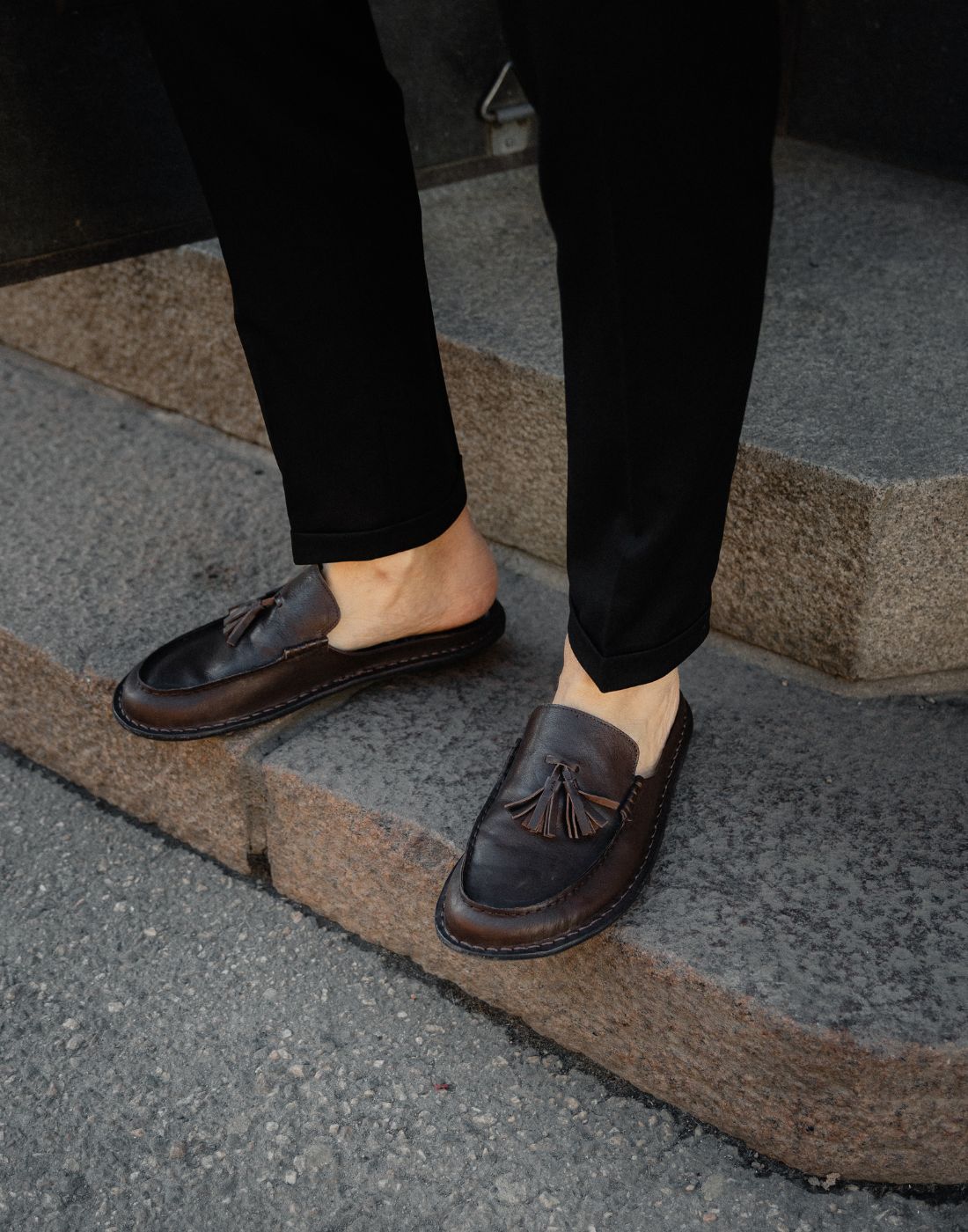
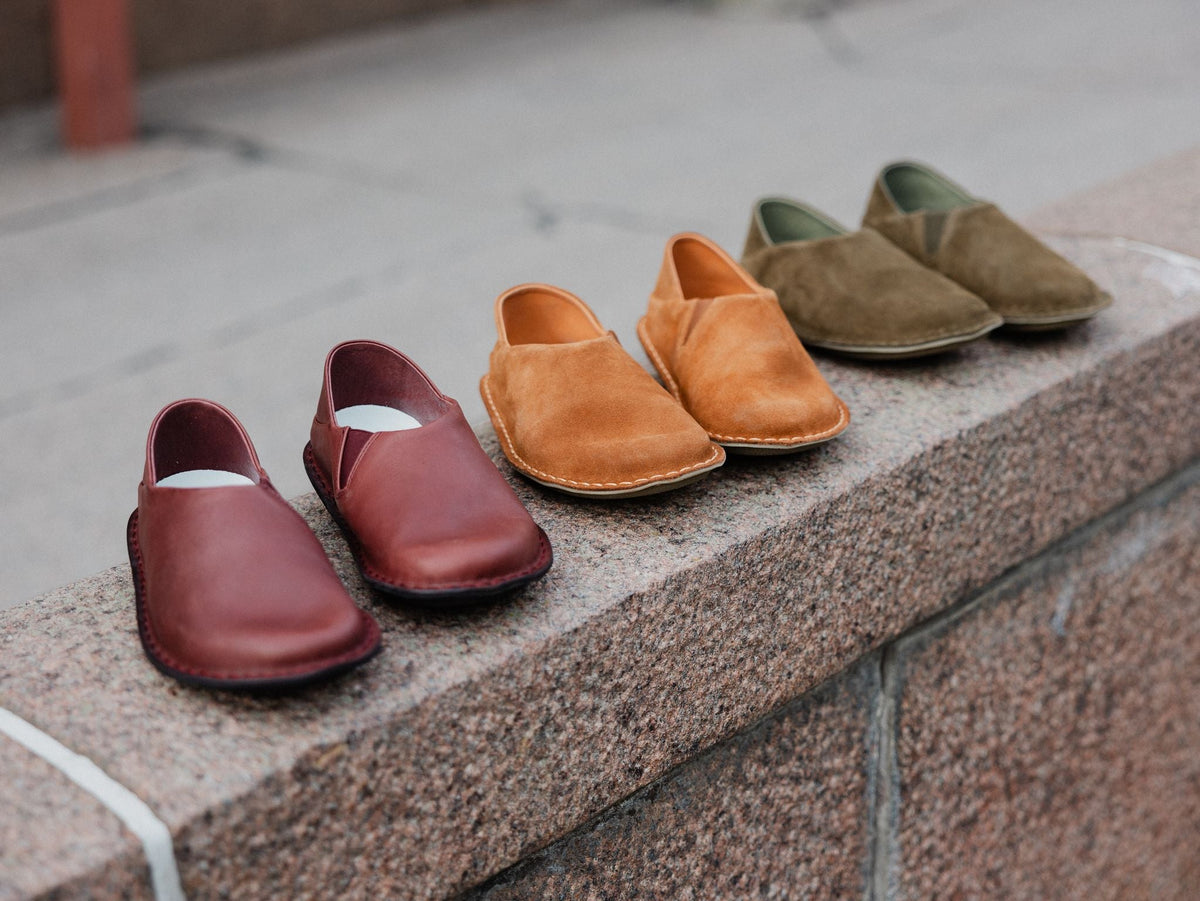
Mules vs clogs comes down to construction: both are backless shoes, but a mule is a lightweight slip-on with a soft or flexible upper and a low profile, while a clog traditionally has a rigid, thick sole and a rounder, more enclosed toe. VIBAe's ROMA sits between the two.
Mules vs clogs, answered in one paragraph
Mules vs clogs comes down to the sole and the upper. Both are backless shoes. A mule is light and low-profile, with a soft upper and a thin, flexible sole. A clog keeps the open back but sits on a thicker, stiffer sole, with a deeper vamp and a fuller, rounder toe.
So who suits what? Mules if you want the lighter slip-on for warm weather and sharper outfits. Clogs if you want your toes covered, sock season handled, and a shoe that feels planted underfoot when you're standing around all day.
VIBAe's ROMA blurs that line on purpose: clog-like coverage over the toes, mule-light flexibility underfoot, and the removable Carbon Step™ footbed inside. If you only want to own one backless pair, that middle ground is usually where the decision lands.

The difference between mules and clogs at a glance
Read the table by construction, not by the name a shop puts on the label. Sole thickness and stiffness, vamp depth, toe shape and weight are all things you can see and feel in your hands before you ever put the shoe on.
| Style | Sole construction and stiffness | Toe box and coverage | Heel and back | Weight and flex | Typical use |
|---|---|---|---|---|---|
| Mule | Thin, low-profile sole that bends easily along its length | Shallow vamp, toes partly visible; width depends entirely on the last | Fully open | Light; packs close to flat | Warm weather, indoors, tailoring, bare ankles |
| Clog | Thick sole, traditionally rigid (historically wood) | Deep, enclosed vamp; rounder, fuller toe | Open, sometimes with a loose strap | Heavier; little flex through the step | Colder months, socks, standing work |
| Clog mule (VIBAe ROMA) | Natural rubber outsole that bends with the foot; removable Carbon Step™ footbed, 11 mm heel, 14 mm arch, 7 mm forefoot | Enclosed toe, round and roomy across the forefoot | Fully open | Light for its coverage; flexes through the step | Work to weekend, most of the year, with or without socks |
In real shops the two names overlap constantly. Plenty of shoes sold as clogs have soft, bendy soles, and plenty sold as mules cover the whole forefoot. That's why construction is the honest test and the category name isn't.
What makes a mule a mule
A mule earns its keep on the days you're in and out of the door six times. No bending down, no unlacing, and in warm weather no closed upper holding heat. Mules are among the lighter slip-on shoes for everyday wear, and they pack close to flat when your bag is already full.
The construction is short to describe: open back, soft or unstructured upper, a thinner and more flexible sole, and in barefoot-style shoes very little heel-to-toe drop. Everything else, including width and vamp height, is down to the last the shoe is built on.
The trade-offs, stated plainly: with nothing behind the heel, your foot holds the shoe rather than the shoe holding your foot, so uneven or slippery ground feels less certain. There's no ankle coverage. And a flexible sole like ROMA's asks more of your feet than a rigid clog base did, so plan on a few weeks of shorter wears while you adjust.
At VIBAe, the Loafers & Mules collection covers the backless end of the range. ZUMA Leather Preto Black is the pared-back option: leather slip-ons with a collapsible heel, handmade in Portugal like every VIBAe pair. Loafers vs mules comes down to whether you want a closed heel or an open back.
Check the Size Chart — get the right fit first time, and go one size up if you're between sizes.
What makes a clog a clog
A clog covers your toes and feels planted. From about October onwards that's the whole argument: thick socks go on, the shoe goes over them, and you're not thinking about the weather at the toe end. A deeper upper also holds the foot more securely than a shallow strap does.
Construction-wise, a clog means a thick sole that is traditionally rigid, wood in the older versions, plus a deeper and more enclosed vamp, a round toe and a chunkier profile overall.
The trade-offs: a rigid sole limits how much your foot can flex and roll through a step, so your feet stay fairly passive inside the shoe. The heavier silhouette also doesn't sit happily with every outfit.
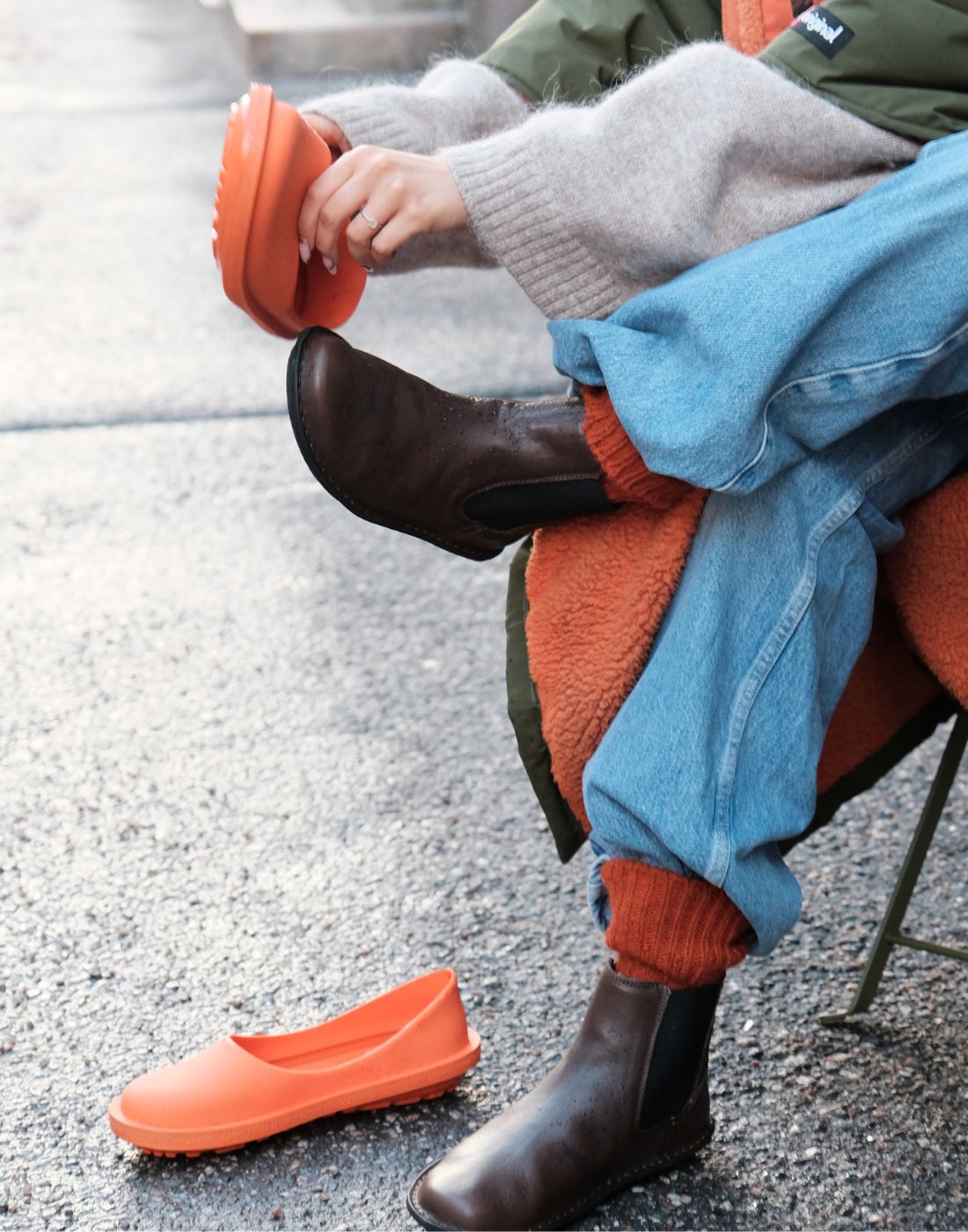
VIBAe's reading of the clog keeps the enclosed toe and the roomy round shape, then drops the rigidity. Our leather clogs, like the ROMA clog mules, sit on a natural rubber outsole, tapped from trees without cutting them down, that bends as your foot does.
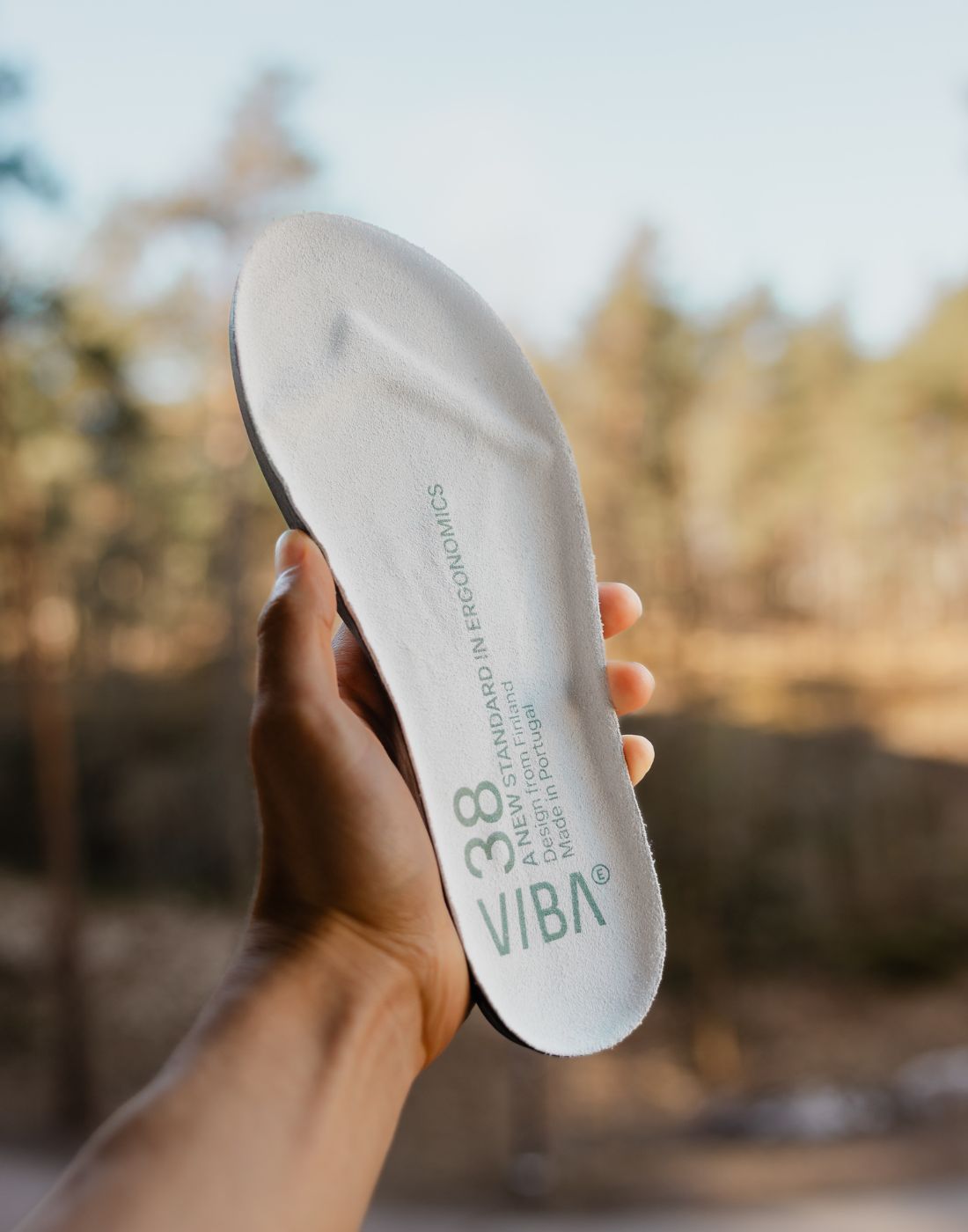
Inside is the removable Carbon Step™ footbed, the same 11/14/7 formula that goes into every pair we make: 11 mm cushioning at the heel, 14 mm support at the arch, 7 mm at the forefoot. When the footbed wears out before the shoe does, you replace the footbed. That is the point of making it removable.
The uppers are vegetable-tanned rather than chrome-tanned, the standing choice across the range. The leather is made from food-industry by-products in LWG-audited tanneries, and we're honest that we're not perfect on sustainability.
Mule or clog: comfort, fit and toe room compared
Comfort doesn't follow the category. A mule or clog can be roomy or tight; what decides it is the shape of the toe box, the flex of the sole, and how much upper sits over the top of your foot. Judge those three and the label stops mattering.
Toe box and foot shape
A wide toe box lets your toes spread as you walk instead of being funnelled towards a point. Clog-style uppers usually allow more width across the forefoot because the vamp is deeper and the toe is rounder; slim mules often narrow it. If bunions or sensitive feet are part of your context, width and a soft upper edge tend to matter more than which name the style carries. Persistent pain is a conversation for a health professional, not something a shoe answers.
Sole flex and how a step feels
Rigid clog soles move your foot as one block. Flexible sole shoes let the foot bend, splay and push off, which feels livelier and, at first, unfamiliar. Coming from stiff footwear, expect your arches and calves to notice the change for a couple of weeks. Short wears early on, longer days later, and the adjustment passes.
Heel slip and hold
Open back shoe styles ask a little more of your foot: without a heel counter, you grip slightly to keep the shoe with you. A deeper clog vamp holds better than a shallow mule strap, which is worth knowing if you walk fast. Fit does the rest. VIBAe makes no half sizes, and our unisex sizing covers 35–48 in one collection for everyone, so go one size up if you're between sizes, plan on thicker socks, or simply like a looser feel. Aim for the perfect fit and trust that the leather will gently stretch where it needs to.

Styling: which one your wardrobe already wants
Same outfit, two shoes, two moods. Mules read lighter and sharper, so they sit well with tailored trousers, linen and bare ankles, and they keep a summer outfit from looking heavy at the bottom. Clogs read grounded and textural. How to style clogs is mostly a cold-weather question: denim, thick socks, knitwear, layered winter looks where a bit of visual weight underfoot is the point.
Both silhouettes are old enough to have outlived several trend cycles, which is the reason we build them at all. A well-made pair still looks right in five years, a replaceable Carbon Step™ footbed means the inside can be renewed long before the shoe is finished, and Pre-Loved, our resale concept with partner Ninyes, gives a pair you've moved on from somewhere to go.
If you want the same shape in a seasonal register, ROMA Woven Leather handles warm months with an airier upper, while ROMA Shearling Natural White takes the cold end. One silhouette, three answers.
Find a Store — try them on and feel it yourself.
Mules vs clogs: which should you choose?
Choose a mule if you want the lighter everyday slip-on, warm-weather wear, or a cleaner line with tailoring. Choose a clog if you want covered toes, sock season sorted, and a shoe that feels planted. Choose a clog mule if you want both and only intend to own one pair; if you're ready to buy leather clog mules, ROMA Leather Preto Black is the version we'd point you to. Once you stop reading labels, the difference between mules and clogs is easy to act on.
Neither style is the right call for long walks in the rain, or for feet that need a closed heel to feel secure. We'd rather say that than sell you the wrong pair.
Frequently asked questions
Are clogs and mules the same thing?
No, though shops use the words loosely. Both are backless. A mule has a thinner, more flexible sole and a shallower upper; a clog has a thicker, stiffer sole, a deeper vamp and a rounder toe. Clog mules combine clog coverage with mule-like flex.
Which is better for wearing with socks?
Clog-style shoes, generally. A deeper vamp covers more of the foot, so shoes to wear with thick socks need that coverage to stay put and stay warm. ROMA takes socks happily. If you plan on thick socks year-round, go one size up.
Do backless shoes stay on your feet properly?
Yes, with the right fit, though your foot does a little of the holding. Deeper uppers hold better than shallow straps. Fast walking and uneven ground are where a closed shoe wins, so match the style to your week rather than the other way round.
How should mules and clogs fit if there are no half sizes?
VIBAe makes no half sizes. If you're between sizes, prefer thicker socks, or like a looser feel, go one size up. Aim for the perfect fit across the forefoot; the leather will gently stretch where needed. Sizes run 35–48 in one unisex collection.
How do you care for leather mules and clogs?
Vegetable-tanned leather needs care, honestly. Brush off dirt, let damp shoes dry away from heat, and feed the leather with a protective cream a few times a season. Swap a worn Carbon Step™ footbed for a new one rather than replacing the shoe.
Read Customer Reviews — don't take our word for it, friends & family said it first.