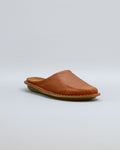
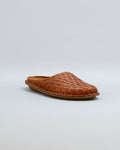
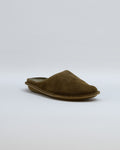

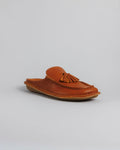
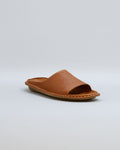

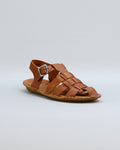
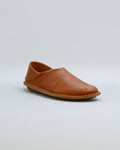
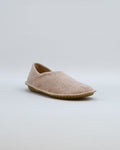
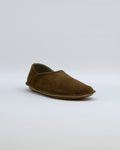
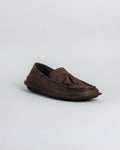
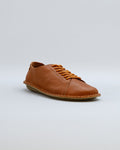
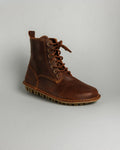
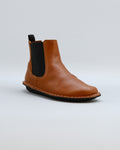
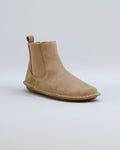
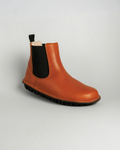
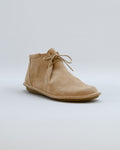
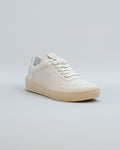
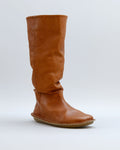
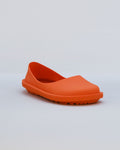
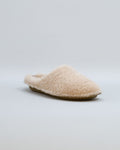

Zero drop shoes have no height difference between the heel and the forefoot: the heel-to-toe drop is 0 mm, so the foot sits level on the ground. Conventional shoes commonly sit at 4, 8 or 12 mm. A level platform asks more of the calves and Achilles, so a gradual transition helps.
Zero drop shoes have no height difference between heel and forefoot: the back of the shoe sits the same distance off the ground as the front, so your foot rests level. That is the whole definition. Thin soles, bendy rubber and roomy toes often come along for the ride, but they are separate design decisions, and it helps to keep them separate in your head.
What zero drop shoes actually are
Heel-to-toe drop is the height difference between the material under your heel and the material under the ball of your foot, written in millimetres. A shoe with 12 mm drop lifts your heel 12 mm higher than your forefoot. Zero drop is 0 mm: both ends of your foot sit at the same height.
So what is zero drop telling you, in plain terms? Only the tilt of the platform. Strip away the marketing and the zero drop meaning is purely geometric, which is why two shoes at 0 mm can feel nothing alike.
The first thing people blur is drop and stack height. Stack height is the total thickness of everything between your foot and the pavement. A zero drop shoe can be thick or thin; it just has to be the same at both ends. A chunky level platform and a paper-thin one are both zero drop.
The second is width. Drop says nothing about the shape of the front of the shoe. Narrow flat sole shoes exist in plenty, and they will pinch your toes just as firmly as a heeled pair. Three things decide how a shoe feels: the drop, the stack, and the shape of the toe box. Judge each one on its own.

How a level sole changes how you stand and walk
Standing on a level sole spreads your weight across the whole footprint instead of tipping it forward onto the ball of the foot. Most people notice it as a small backward settling of the hips and a feeling of standing on the ground rather than sliding down a gentle ramp. Nothing dramatic, just a different distribution.
The mechanism is straightforward. A raised heel shortens the distance between your heel bone and your calf, so the calf and Achilles spend the day in a slightly shortened position while the pelvis tips a touch forward to keep you upright. Take the ramp away and the ankle sits closer to a neutral angle, the shin stacks more directly over the foot, and load shifts back off the forefoot.
Toe room works alongside all of this. A level platform lets your foot find a natural foot position, but your toes still need somewhere to go when they take that load. Our journal post Viva la wiggling toes takes a lighter look at letting toes breathe. A wide toe box and a level sole are a pair; one without the other only does half the job.
Now the honest part. Dropping the heel means your calves and Achilles take on load a raised heel used to absorb, and a flexible sole asks more of the small muscles in your feet. That is precisely why the first couple of weeks feel different, and why easing in matters more than enthusiasm.

Drop compared: 12 mm, 8 mm, 4 mm and 0 mm
A shoe drop comparison is a decision aid, not a ranking. Each step down the scale moves load rearward from the forefoot towards the midfoot, asks a little more of the calf and ankle, and — where the sole is flexible — lets you feel more of the surface underneath you. Different feet, and different weeks of a transition, land at different points.
| Drop | Typical footwear | Feel underfoot | Demand on calf and ankle | Who it tends to suit |
|---|---|---|---|---|
| 12 mm | Cushioned running shoes, heeled boots and many formal styles | Heel-led; weight pushed forward onto the ball of the foot | Low | People long accustomed to a raised heel who want that familiar tilt |
| 8 mm | Everyday trainers and many walking shoes | Still heel-led, with less forward tilt | Low to moderate | A common resting point for anyone stepping down from a high drop |
| 4 mm | Lighter trainers and transitional models | Close to level; load moving towards the midfoot | Moderate | A useful middle rung while transitioning to zero drop |
| 0 mm | Barefoot shoes, minimalist footwear and other level-soled styles | Level; weight spread across the whole foot, with ground feel where the sole is flexible | High at first, easing as you adapt | People who want a natural foot position, toe room, and are happy to build up gradually |
Millimetre figures vary between makers and between models within one range, and a number on a chart never tells you how a shoe feels on your foot. Individual product pages are the source of truth for any specific pair.
Who a level sole suits, and who should ease in
Zero drop tends to suit people who spend hours upright and want their weight spread evenly rather than piled onto the front of the foot. If you are hunting for shoes for standing all day, a level platform with a flexible natural rubber outsole gives your foot more of a say in how it loads each step.
It also suits anyone whose toes have had enough. Plenty of shoes look supportive and feel narrow; a roomy front lets the toes splay as they were built to, and that alone changes how a long day feels. And if you like the look of Nordic minimalism more than the look of running gear, a low-drop leather shoe gives you a near-level geometry without the technical silhouette.
Take it slowly if you are coming straight from a heavily raised shoe you have worn daily for years, if your calves feel tight, or if your feet are sensitive at the moment. Those tissues have adapted to what you have been asking of them, and they adapt back at their own pace. Persistent or sharp pain is a conversation for a health professional, not a shopping decision.
Let's be plain about it: zero drop is not a fix for anything. Conditions such as plantar fasciitis or bunions may be the reason you started reading, and roomy, flexible shoes can be more comfortable to live in, but geometry is not a remedy. Some feet get on with a level sole immediately; others need to build up to it, and a few are happier with a small drop. All three are fine answers.
Try them on and feel it yourself — find VIBAe near you. Find a Store
Starting out, and buying zero drop shoes in the UK
Easing in without overdoing it
Treat the first month as training, not a switch. Short wears, forgiving surfaces, and your old shoes still in rotation will get you further than a heroic first week.
- Wear your new pair for an hour or two a day at first, indoors or on short errands, on grass, carpet or pavement rather than long stretches of stone.
- Keep your usual shoes in the rotation for longer days, and lengthen the zero drop wears gradually across several weeks.
- Stretch your calves and give your feet a moment at the end of the day; the tissues doing new work are the ones asking for attention.
- Stop and check in with a professional if pain is sharp, one-sided or still there after rest. Mild calf and foot soreness in the first fortnight is common; lasting pain is not something to walk through.
Sizing, fit and what UK buyers should know
VIBAe is unisex and runs EU 35–48 (22.0–30.7 cm), with UK conversions on the size chart. We don't make half sizes, so go one size up if you're between sizes, prefer thicker socks, or simply like a looser feel. Aim for the perfect fit and let the leather do its part; it will gently stretch where needed.
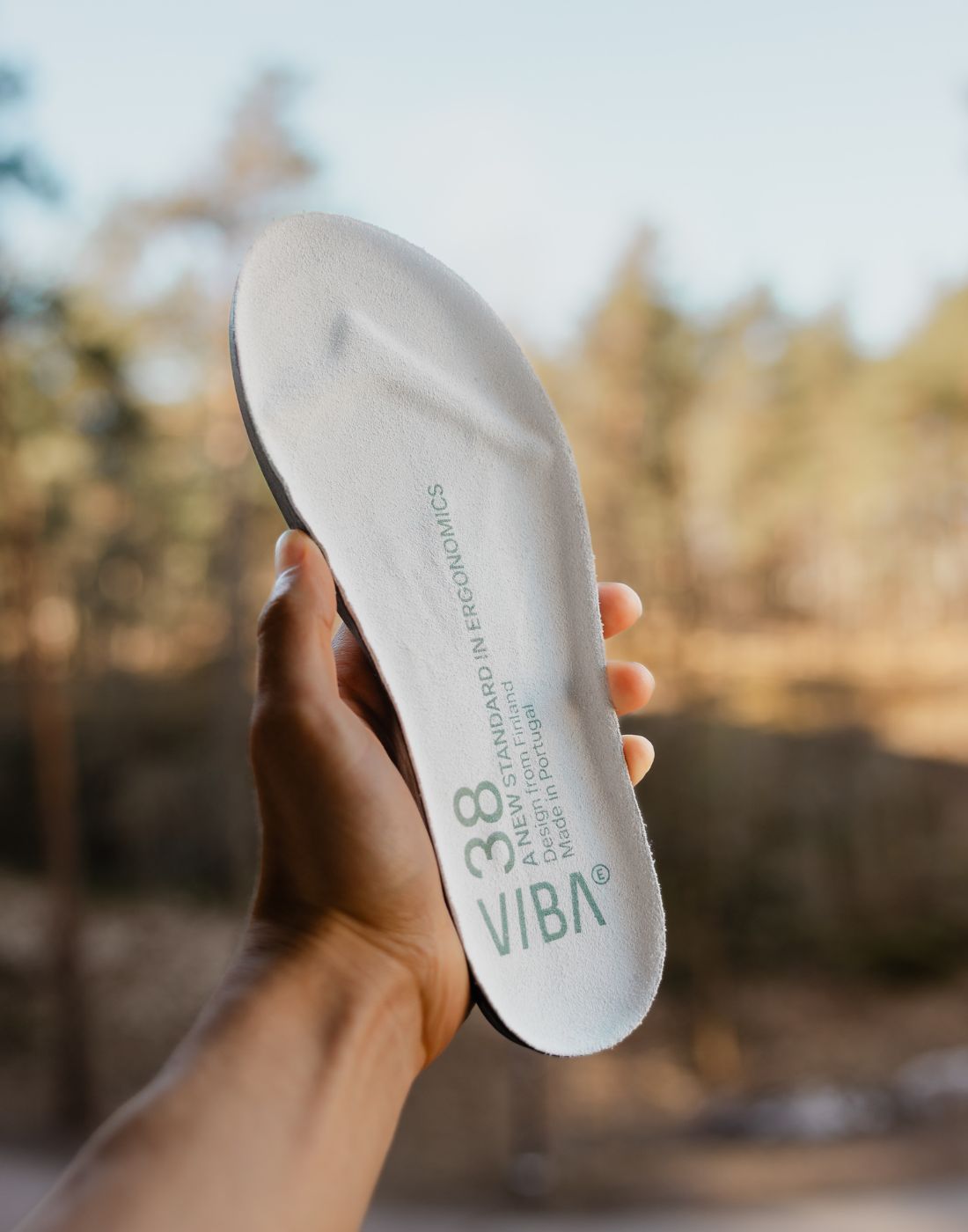
Every pair arrives with a Carbon Step™ footbed built on the 11/14/7 Formula: 11 mm cushioning at the heel, 14 mm support at the arch, 7 mm cushioning at the front. On most styles it lifts out, which matters twice over. Footbed choice changes how a low-drop shoe feels underfoot, and when one wears out you fit a fresh Carbon Step™ rather than binning the shoe — the quiet advantage of removable footbed shoes.
The shoes are made largely by hand outside Porto from vegetable-tanned leather, sourced from LWG-audited tanneries, with natural rubber outsoles tapped from trees without cutting them down.
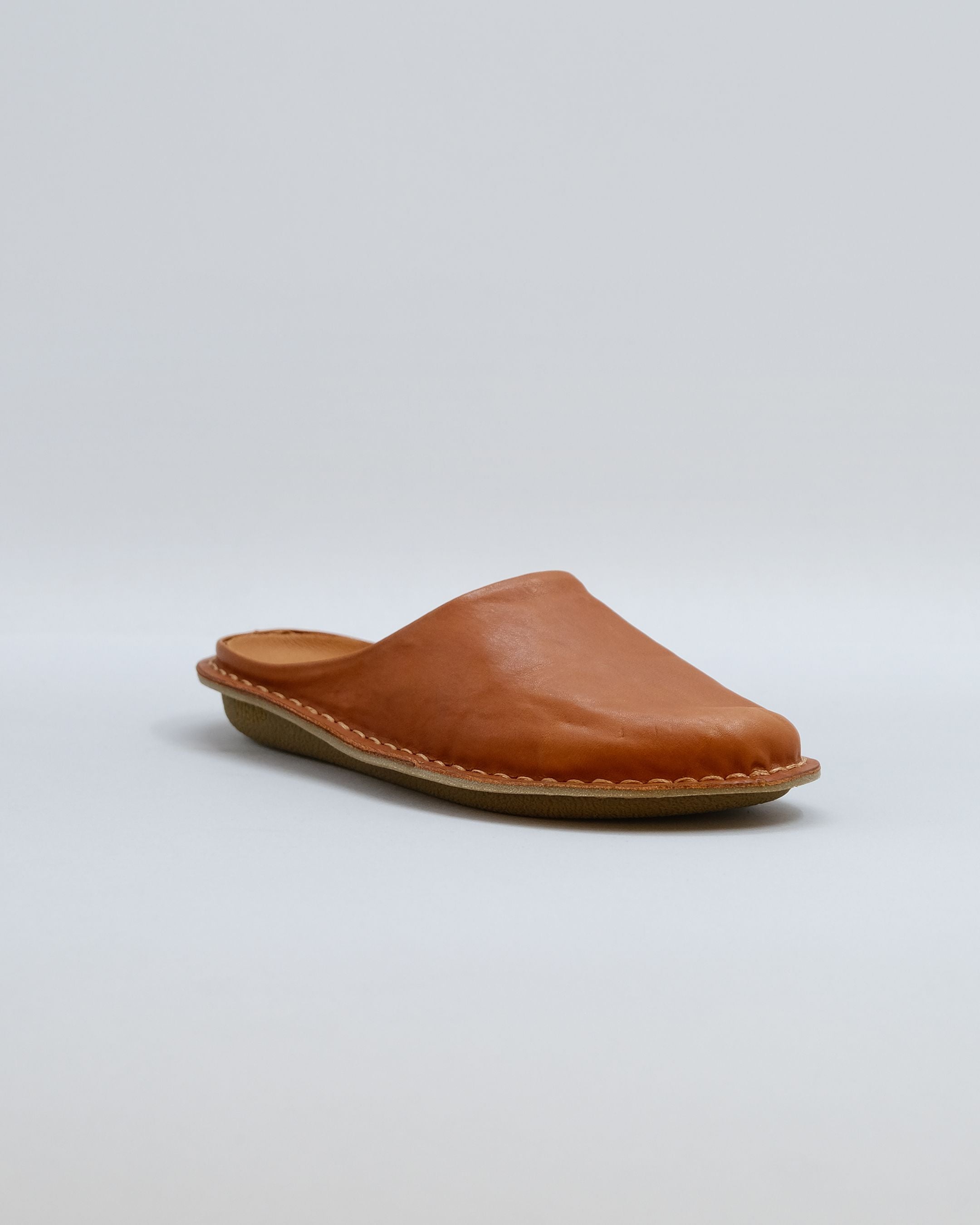
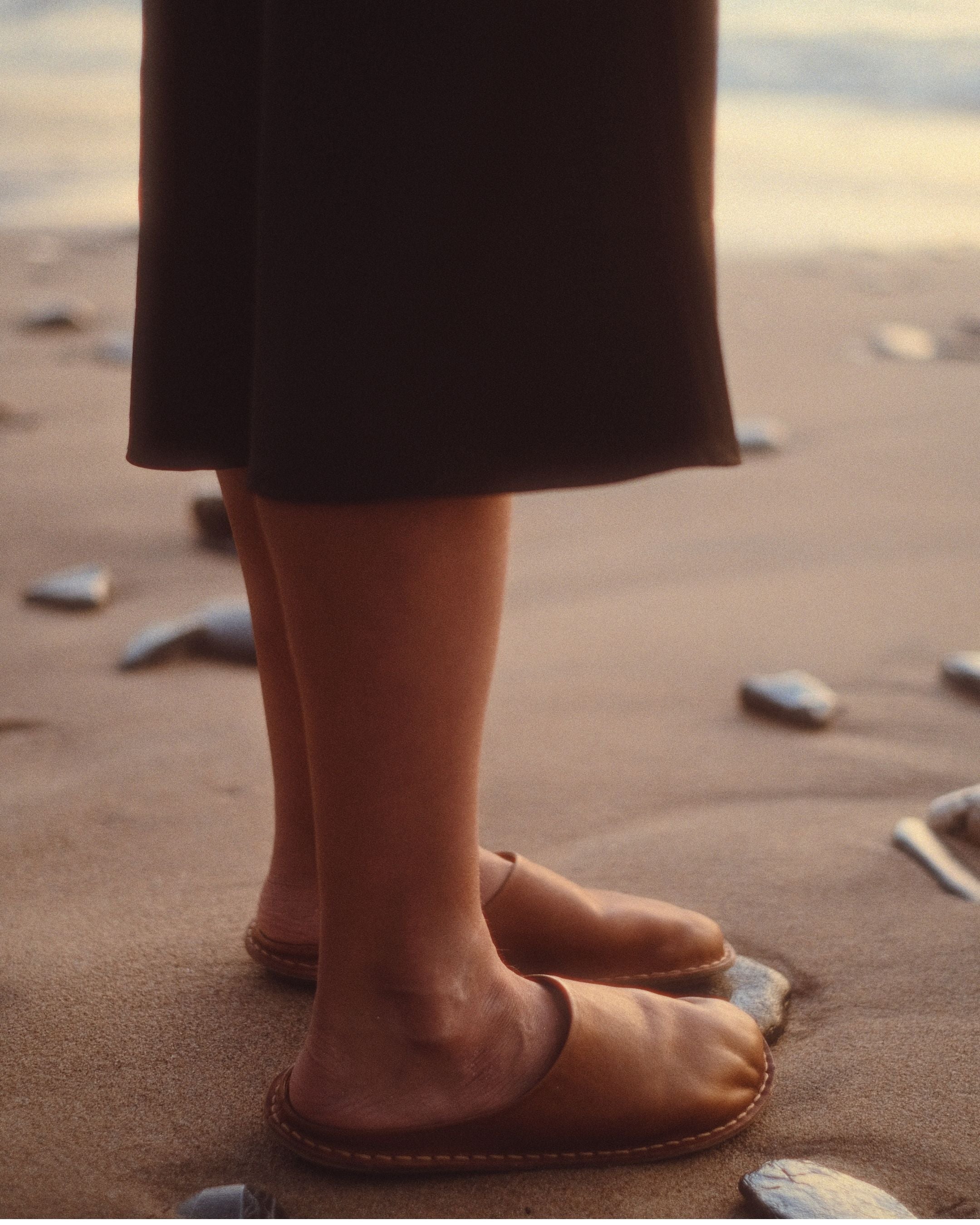
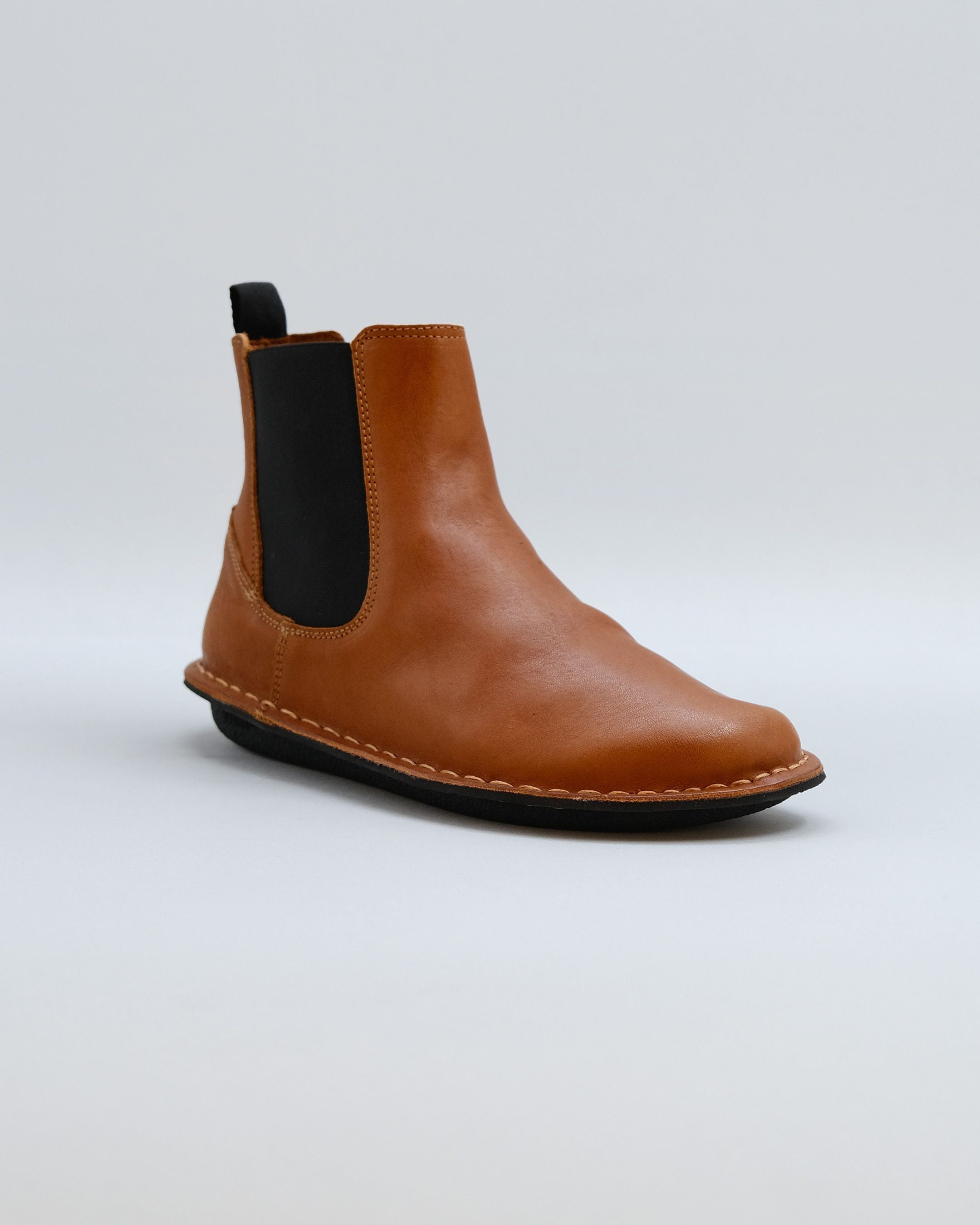
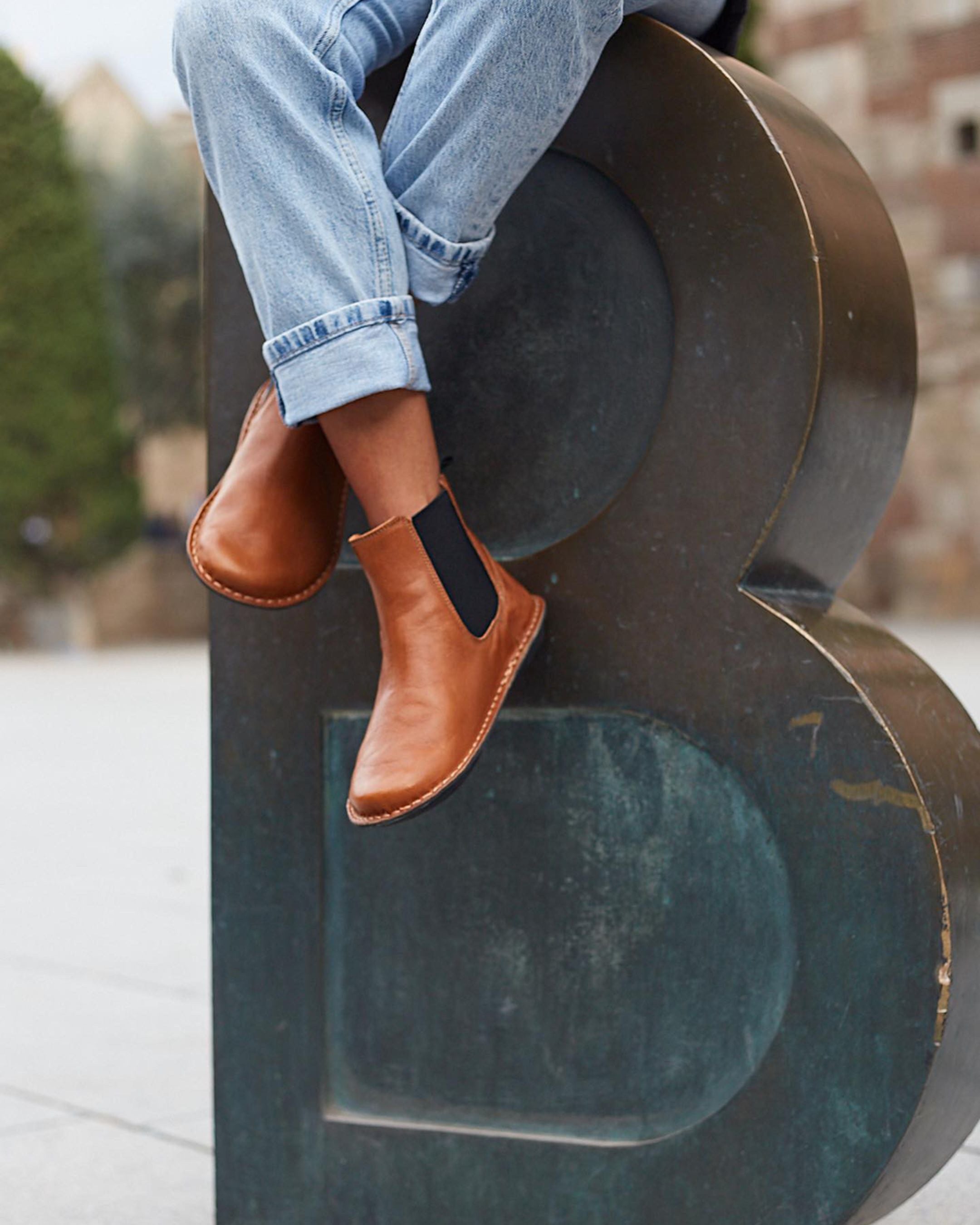
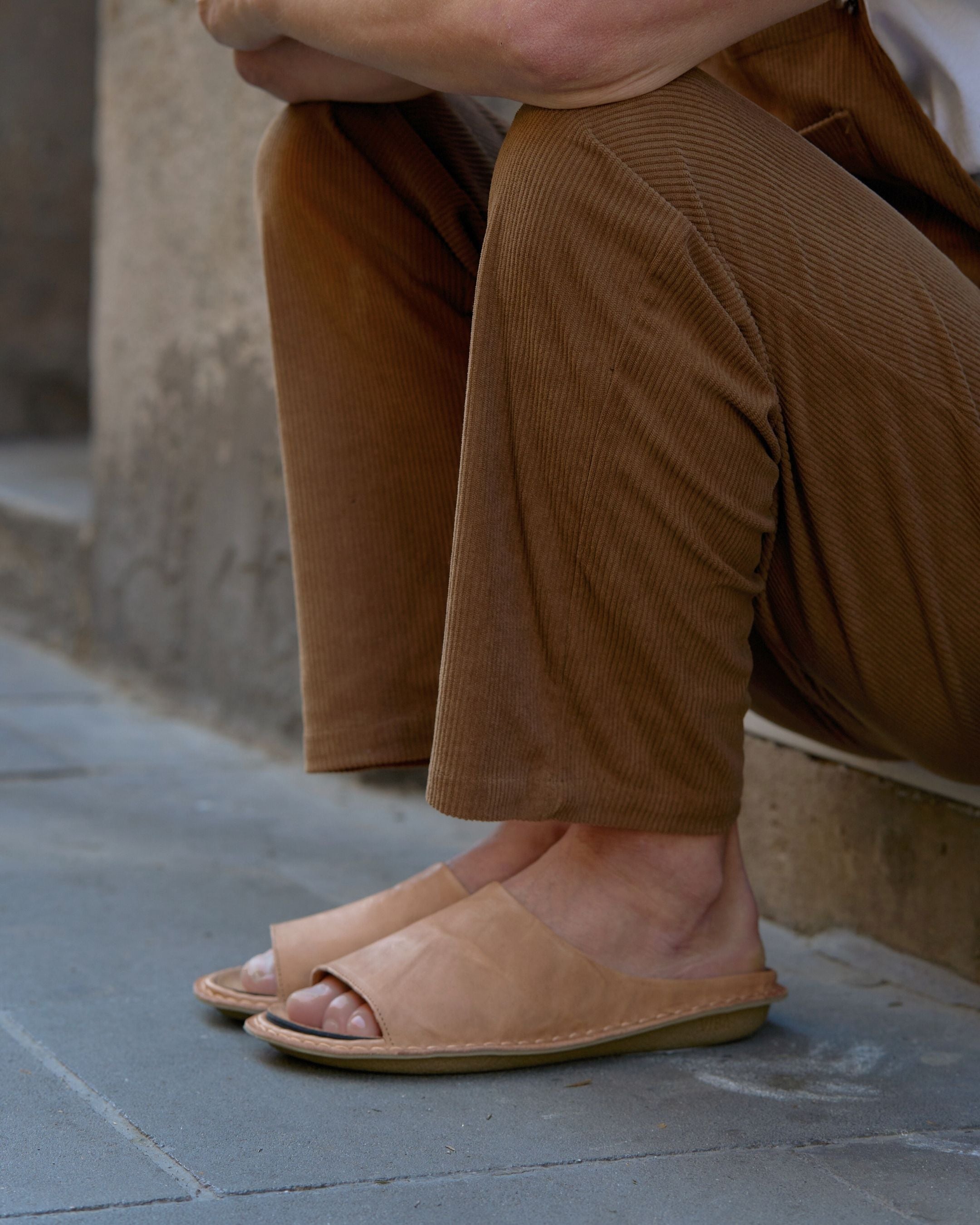
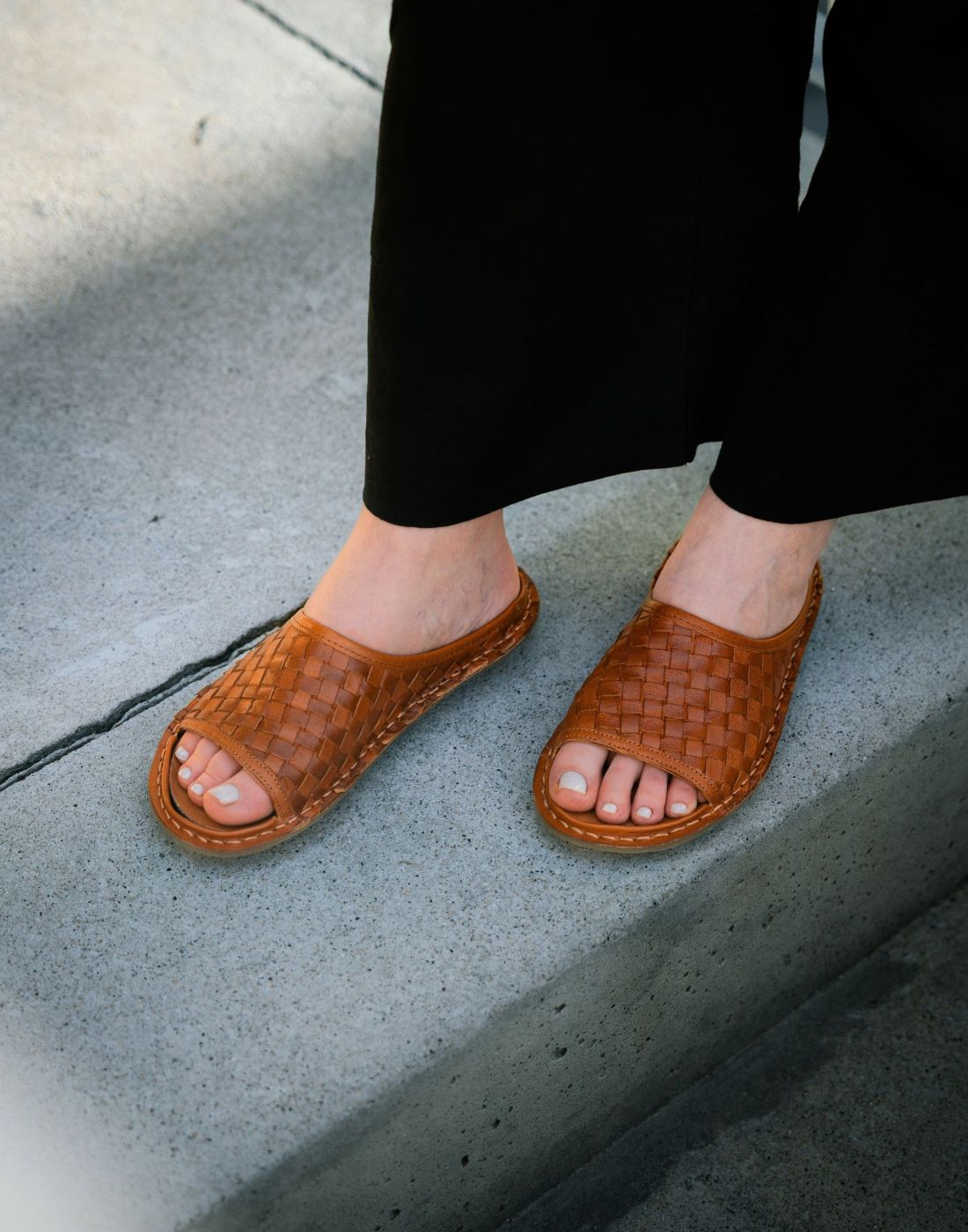
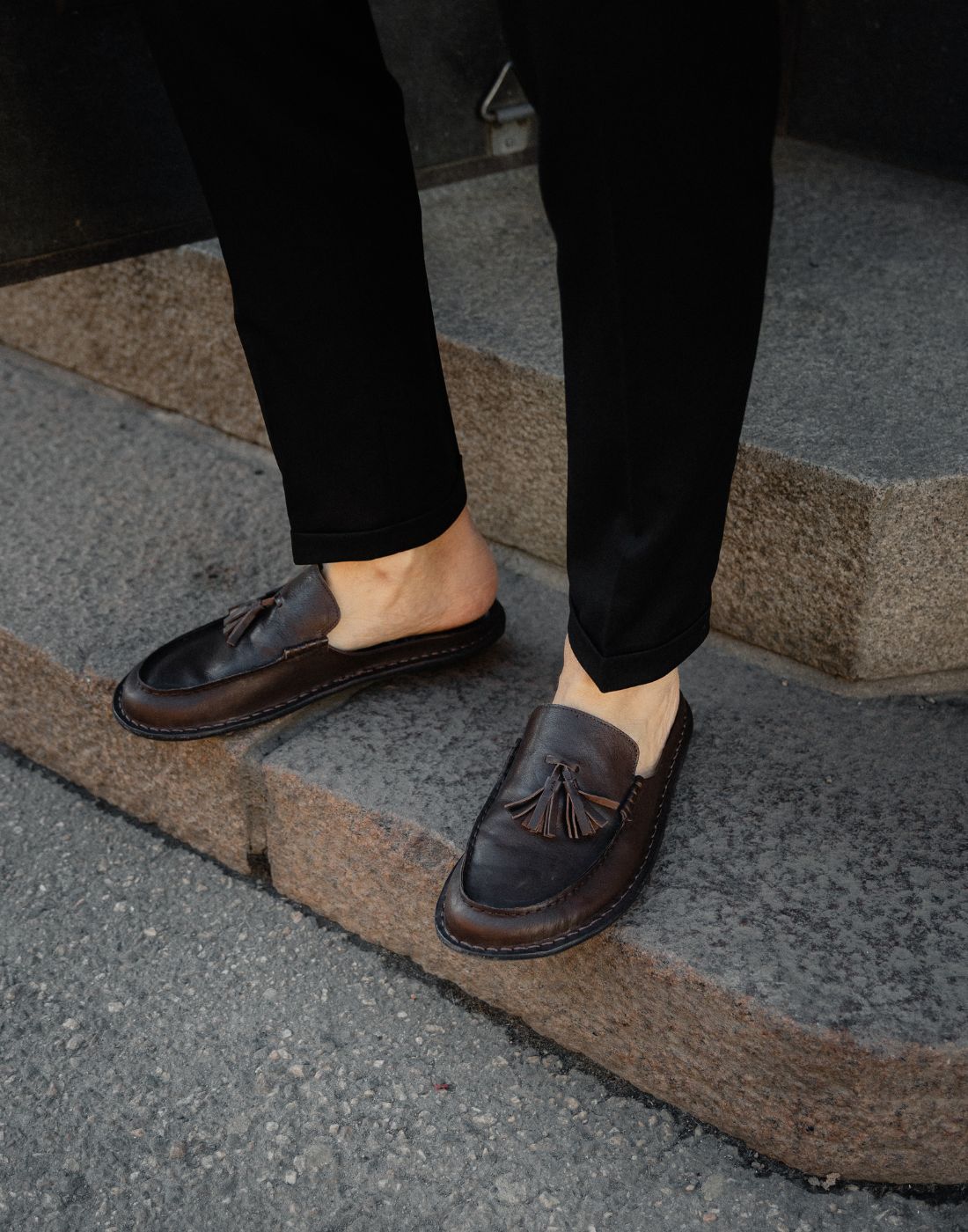
VIBAe shoes are low-drop rather than strict zero drop; if that near-level feel suits you, in the UK you can start with the ROMA — low-drop leather mules, browse the rest of the loafers and mules, or go straight to boots if you want something for colder pavements. For office wear, see our guide to minimalist shoes for work. Free standard shipping applies to purchases over €100. Returns are free within 30 days of delivery minus a €10 restocking fee, and exchanges within 30 days are free. Terms, prices and availability can change, so check the store for current details.
Zero drop shoes: common questions
What does "zero drop" mean on a shoe spec sheet?
Spec sheets state drop in millimetres, so what is zero drop there? It is 0 mm: identical material height under the heel and under the ball of the foot. It says nothing about cushioning, stack height or width.
Is zero drop the same as barefoot-style or minimalist?
No. Zero drop is one measurement. Barefoot shoes and minimalist footwear usually combine that level platform with flexible soles, low stack and a wide toe box, but a shoe can be zero drop and still be stiff or narrow.
How long does it take to get used to a level sole?
It varies with what you have been wearing and how much you are on your feet. Most people count in weeks, not days. Build up wear time gradually rather than switching everything at once, and let comfort set the pace.
Which size should you pick if you're between sizes?
Go one size up. We don't make half sizes, and the same advice holds if you wear thicker socks or like a looser feel. Check your measurement in centimetres against the size chart before ordering.
Can the footbed in a zero drop shoe be replaced?
VIBAe isn't a strict zero-drop shoe, but on most styles the Carbon Step™ footbed is removable, so a worn one can be swapped for a new Carbon Step™ without replacing the shoe. When a pair has outlived your wardrobe rather than its own life, Pre-Loved resale with our partner Ninyes sends it on to someone else.
If flexible sole shoes with a low, near-level platform sound like your kind of thing, read the individual product pages before you choose, and buy barefoot-style shoes in the UK with the fit sorted first. Take the transition at the pace your feet set, and the geometry will look after the rest.
Get the right fit first time — check the size chart, and go one size up if you're between sizes. Check the Size Chart